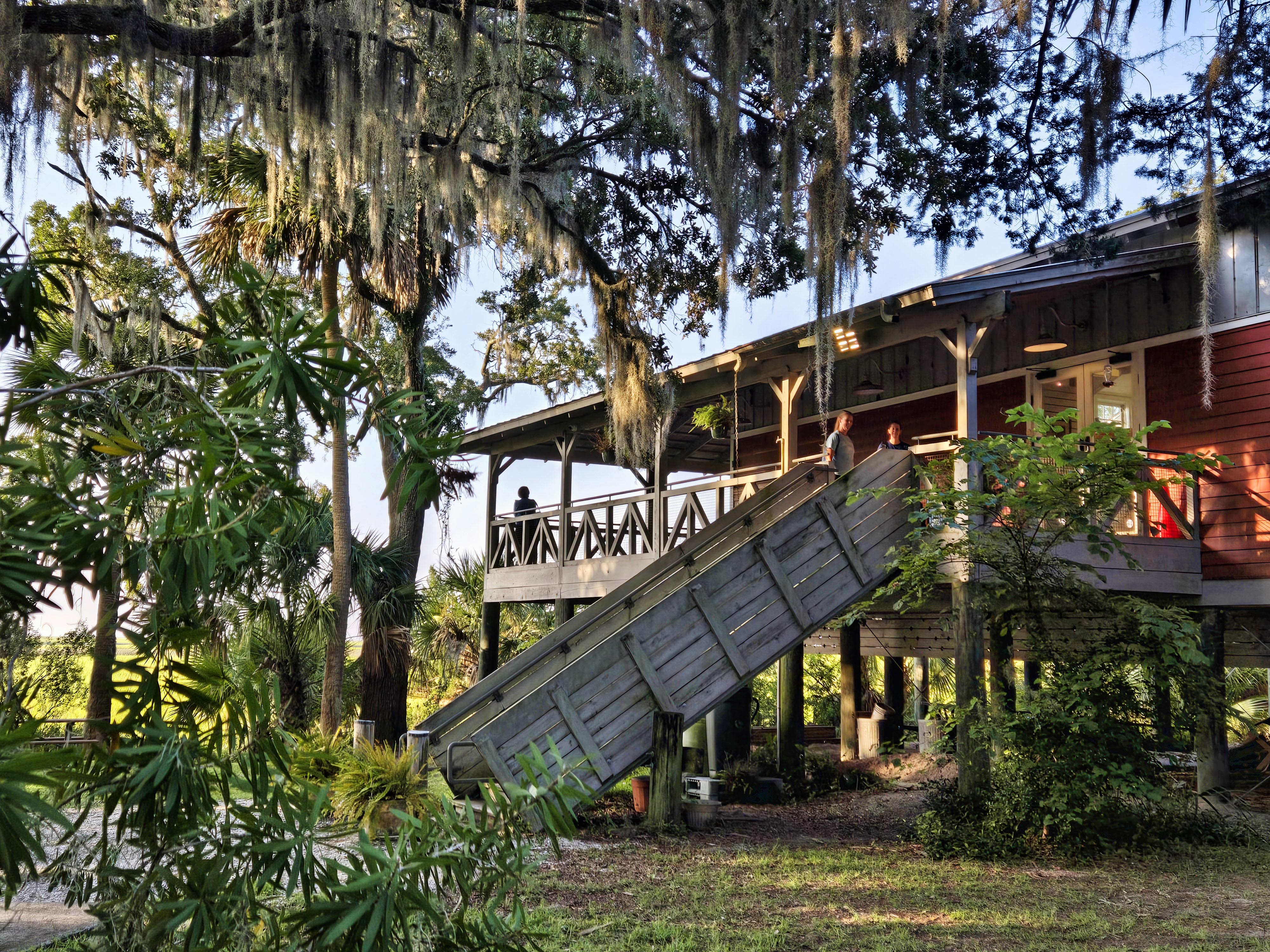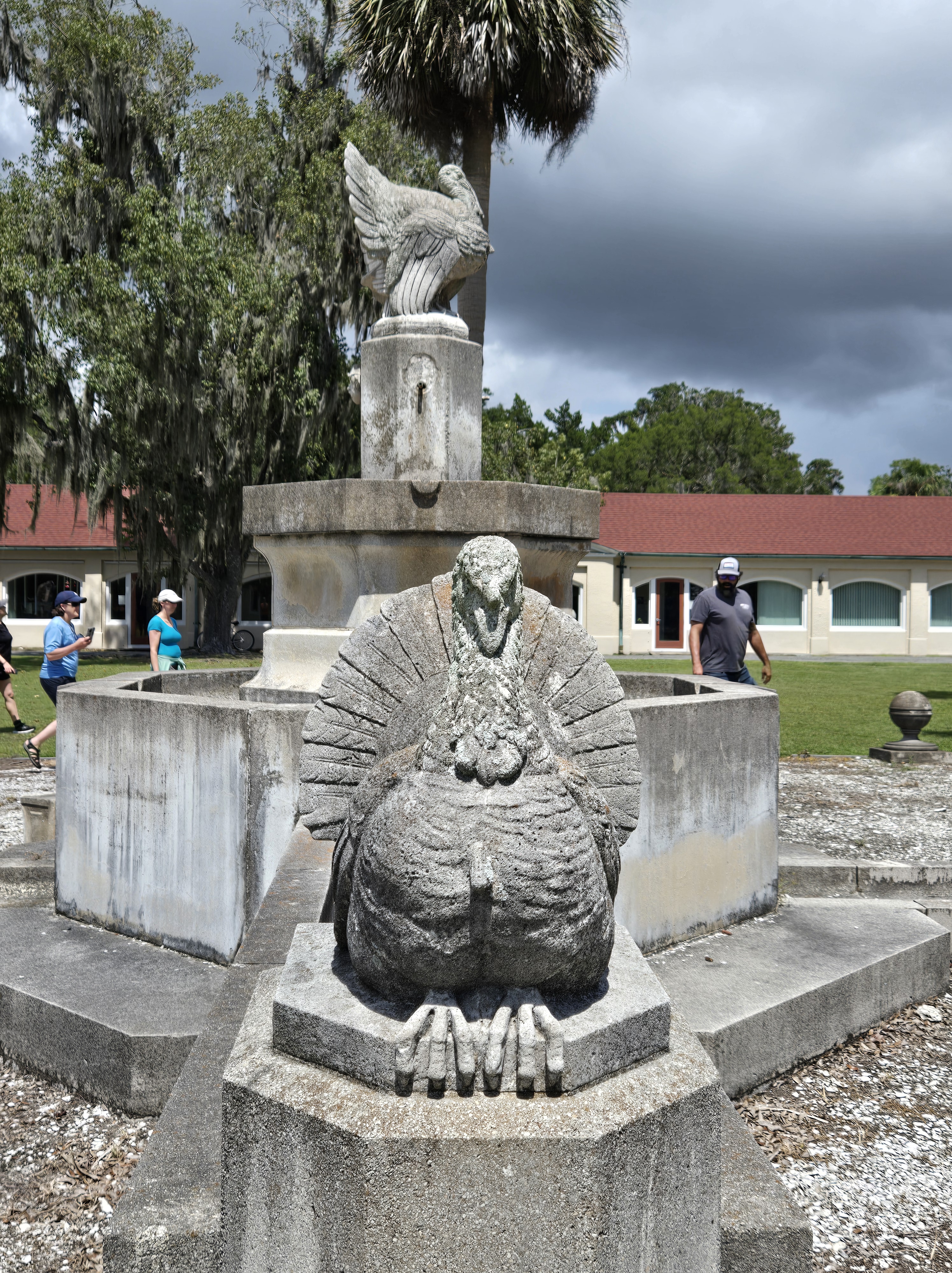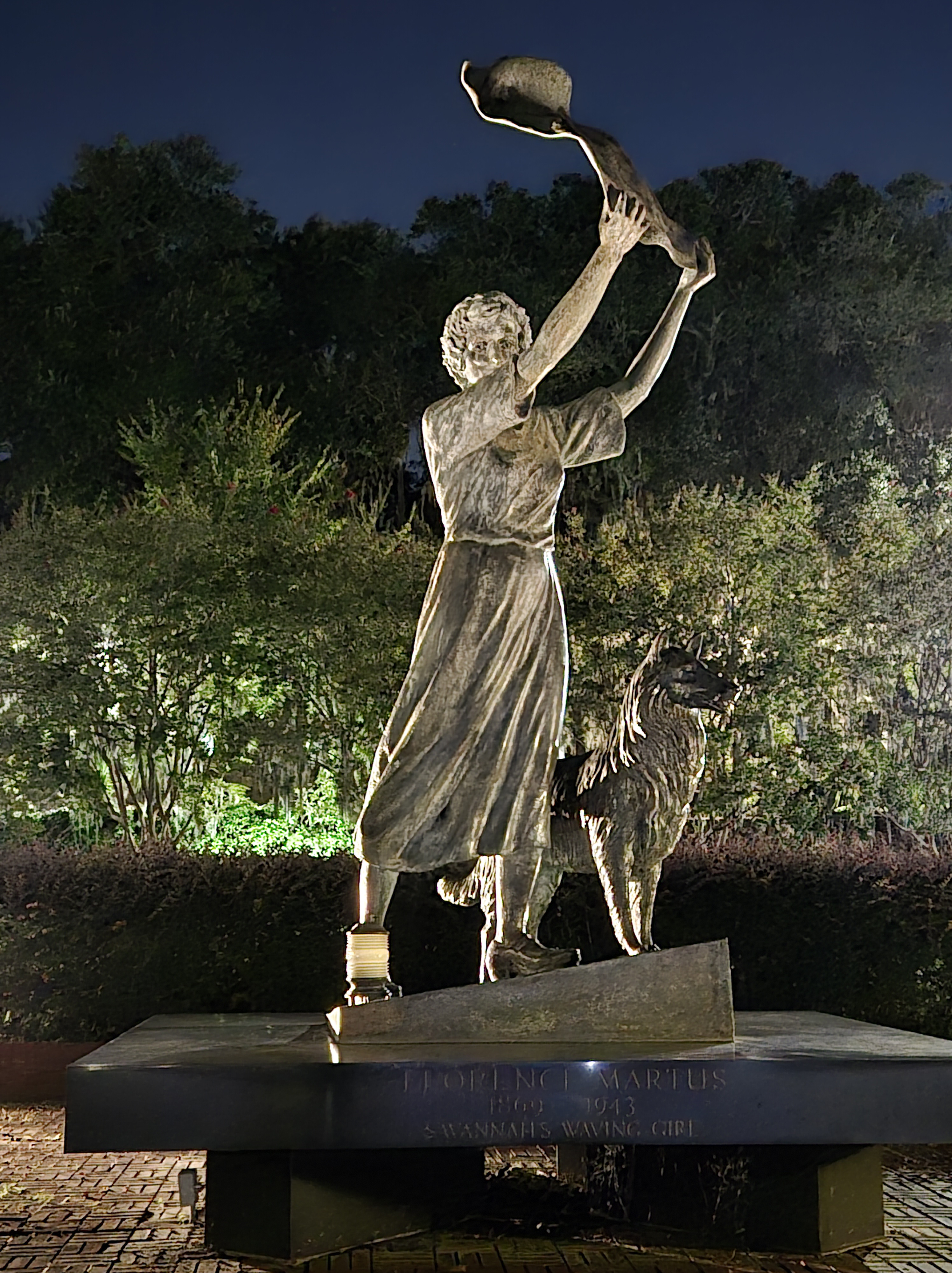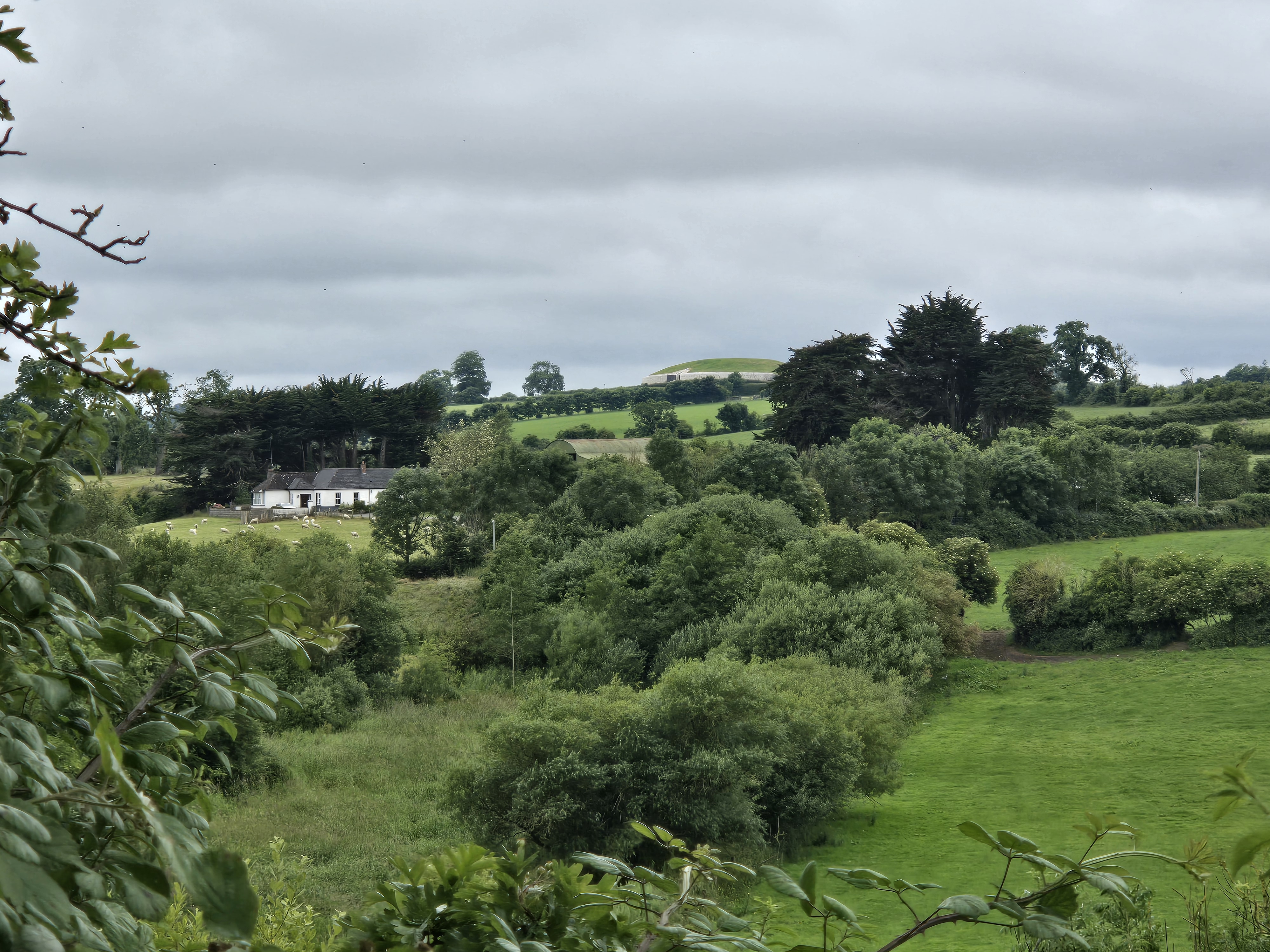
“The world today is sick to its thin blood for lack of elemental things, for fire before the hands, for water welling from the earth, for air, for the dear earth itself underfoot. In my world of rock and water these elemental presences lived and had their being, and under their arch there moved an incomparable pageant of nature and the year.”
― Slightly modified quote from Henry Beston,The Outermost House
In preparation for a trip to Ireland and Scotland that Russ and I are planning, I was rummaging around in a genealogy book that my mother and her sisters prepared about the side of my family that has U.K. roots. I was looking for Irish names. I came up empty. Thanks to family lore and 23 & Me, I know I have Irish blood but I’m not sure where it came from.
As I rummaged around in the book, I came across a pamphlet written in 1877 by Willard Parker (Detroit, MI) that I had noted before but never spent much time reading. It was about my Great (to the 4th power) Grandfather Caleb Parker. He was born in 1760 in Shrewsbury, MA, to Stephen Parker Jr. and Abigail Wright.
Caleb Parker
The surname of Parker originated in France. In essence, it means “park-keeper” and is an occupational name describing a gamekeeper. Could this be why I like “Lady Chatterley’s Lover” so much? (The book’s main character is a gamekeeper.) The name was introduced into England after the Norman (Viking/French) invasion in 1066.
Caleb’s original name was Nathaniel, but his parents changed that along the way to honor his brother Caleb who died in the French and Indian War in 1755 or 1756. The soldier was never heard from by the family. I suspect Nathaniel must have been very young when his name change happened. The French and Indian War ended in 1763 when Nathaniel was three, so maybe his parents changed his name during that time, once they gave up hope of Caleb the elder’s return.
Caleb/Nathaniel married a woman named Thankful Pratt of Shrewsbury in 1782 when he was 22 years old. He was a soldier in the late part of the Revolutionary War. While in the army fighting under George Washington, he acquired a taste for military life and in 1793 (after he had moved to Vermont), the governor appointed him captain of the Vermont Militia.
Militia fighters were also known as minute men because they had to be ready to drop everything they were doing at home with only a minute’s notice when needed for battle. They are immortalized in Longfellow’s poem, “Paul Revere’s Ride.”
About six years later, Caleb resigned his commission and moved to Stukley, an eastern township of Lower Canada, not far over the Vermont border. He died there in 1826. His wife, Thankful, lived 23 more years, dying in Stukley in 1849.
The couple had 11 children who met various fates. One was killed by a falling tree. One was a founder of Stukley township. The writer of the pamphlet said that Caleb’s “descendants have been mostly tillers of the soil. If there have been but few distinguished men among them, I may say, in all truthfulness, that honesty, industry, temperance and Christian character have been the prevailing characteristics of the son and daughters” of Caleb. “These qualities have been inherited from our emigrant ancestor [Thomas Parker], whose descendants in New England are not unworthy to rank honorably with those among whom they dwell.”
Parker Tavern image: By Swampyank at English Wikipedia, CC BY-SA 3.0
Thomas Parker, Caleb’s grandfather, came from England originally, sailing on the ship “Susan & Ellen” in 1635. I was surprised to discover that he has his own Wikipedia entry! Thomas was a Congregational Church deacon and had a large family with his wife, Amy Aylesworth. He founded Reading, MA. I also discovered that the oldest surviving building in Reading is named after the family. The Parker Tavern was owned and operated by Thomas’s great grandson Ephriam and it has been turned into a museum. I’m thinking a trip to Reading, MA, is in order someday!
If I were more talented with graphics, I would make a genealogical chart for you, but my skills do not lie in that direction. I did scribble one out with pen and paper for my reference, though, to try and keep everyone’s name straight.
My line of the family is descended from Thomas’s son Nathaniel Parker. But Thomas had another son (I’m unclear whether his name was Hananiah or Thomas) who had some notable descendants. One is John Parker who was another minute man like Caleb. John led the Lexington, MA, militia in 1775. In fact, he was a model minute man. A sculptor used his likeness for the famous Lexington Minuteman statue that stands on the Lexington Battle Green.
The Minute Man statue on the Lexington Green. It’s based on militia captain John Parker.
John led the fight against the British in the battle of Lexington on the day the Revolutionary War began. The militia suffered lopsided losses to the British (8 militia killed, 10 wounded to only one British soldier wounded). One of Parker’s men, many years later, recalled Parker’s orders on the Lexington Green: “Stand your ground. Don’t fire unless fired upon, but if they mean to have a war, let it begin here.”
During the skirmish, John witnessed his cousin Jonas Parker killed during a British bayonet charge. Later that day he rallied his men to attack the British returning to Boston in an ambush known as “Parker’s Revenge.”
John is featured as a character in the book and movie called “April Morning,” which is about the beginning of the Revolutionary War. The book is mandatory reading in many a U.S. classroom.
Sounds like I will also need to visit Lexington in addition to Reading some day! I can’t believe that a relative of mine was involved in the very beginning of the Revolutionary War. If I had known that earlier, I would have paid a lot more attention to my American History class in school.
The other notable descendant is Theodore Parker. John was his grandfather. Theodore was a noted Unitarian minister and abolitionist. Just out of Harvard Divinity School, Theodore preached at a church in the Boston neighborhood of West Roxbury. That church still stands today as the Theodore Parker Unitarian Church with a statue of Theodore on its grounds. But eventually, he left after being kicked out of the Boston Unitarian brotherhood for his “radical” views on abolishing slavery and other religious matters. He also believed outrageous things such as women should be allowed to vote, and to become doctors, lawyers, and (gasp!) even ministers.
Reverend Theodore Parker
Theodore is credited for famous quotes later shortened and used by President Lincoln and Martin Luther King. The phrases are, “a government of the people, by the people and for the people” and “the arc of the moral universe is long but it bends toward justice.” The former was used by Abraham Lincoln in the Gettysburg Address and the latter by Martin Luther King.
By coincidence, I’m a Unitarian! (Or perhaps it’s not a coincidence?)
Those Parkers were quite a bunch. It’s not every day that a person discovers their ancestors have their own Wikipedia pages, movies, statues, and a tavern and a church named for them! Plus, I learned that they founded two towns. I don’t think my mother and her sisters knew any of this because they never mentioned it.
Although my search for Irish ancestors was unsuccessful, I learned more than I ever dreamed about my family and their role in shaping early America.
Theodore Parker’s statue in front of the Theodore Parker Church, a Unitarian parish in West Roxbury, Massachusetts. Photo by By Biruitorul (talk) – Biruitorul (talk), Public Domain
One of the Croftville Cottages near Grand Marais, MN
When Russ and I made reservations for a cabin on the shores of Lake Superior months ago, we envisioned a weekend getaway filled with cross-country skiing and listening to the roar of waves.
Well, we experienced only one of those things. Thanks to El Nino we have NO SNOW in northern Minnesota, or at least very little. We have not been skiing ONCE this season.
The living room of our cozy cottage.
I thought I was cross-county-ski starved when I wrote this post in 2014, but that was nothing compared to what I’m feeling now! If it gets much worse, I might have to pay to ski on artificial snow at our local ski area.
So, we had to cast around for other things to do during our stay in Croftville and Grand Marais, MN. While researching, I discovered that Grand Marais is having a month-long hygge festival. What is “hygge” you ask? It’s pronounced hoo-gah and is a Danish word that means “creating a warm atmosphere and enjoying the good things in life with good people.” In fewer words, it means “cozy.” The events included a lodge fireplace tour, art shows, and saunas.
That sounded good to us, so off we went. We stayed at Croftville Cottages, which is just outside Grand Marais. Besides a main building with lovely condo-like apartments (where I’ve stayed for work) they offer three cottages on the lakeshore. Ours had two bedrooms and a full kitchen, plus two gas stoves for heat. We fell asleep to the roar of a gray and foamy Lake Superior crashing onto the black rocks.
The log-powered sauna at Thomsonite Inn.
We brought our own food along, so after a leisurely breakfast at the cabin, we headed into town to visit bookstores and chocolate shops.
Laden with books and maple truffles, we returned to the cabin for lunch and then drove a few miles to the Thomsonite Inn for a free sauna, courtesy of the Hygge Festival. I had been in touch with the inn beforehand via email to ensure that we didn’t need a reservation, and they said we could just show up.
When we arrived at the inn, the office was closed. Never having been there before, we weren’t sure where the sauna was located. But we found it after referring to a map posted near the office. A short walk down a trail toward the lake led us to the sauna, which was made from a shipping container and it sported a wood fireplace.
A group of twenty-somethings were exiting just as we arrived. Their bodies steamed as they toweled off in the twenty-eight-degree breeze. They said that our timing was perfect and that we’d have the sauna to ourselves.
The sauna offered a view of Lake Superior.
Russ and I looked for a changing room, but there was none. One of the young women said she just walked into a clump of nearby trees to change. Hmph! And did I mention that it was twenty-eight degrees outside??
We ended up changing behind the sauna. The ground was frozen, so I laid my winter coat down and changed atop it, wearing socks for the short trip to the sauna door, taking them off before I went inside. Although changing into our swimsuits outdoors was chilly, we had some hygge to look forward to!
The “youngsters” had added a log to the fire when the left, so the sauna was warm and toasty. For me, it was a bit too toasty. I had to step out every few minutes to cool off before going back inside. A large window looked out at Lake Superior, which had calmed during the night.
When we emerged, steaming, we felt lighter, somehow – both emotionally and physically.
A large Thomsonite rock. Image courtesy of Lapidary Adventures.
The inn sits on a beach known for its Thomsonite, a rare mineral formed eons ago via volcanic activity. The rocks are pink, tan, white, red, and brown — kind of like agates. Those with green or gray backgrounds and green “eyes” are the most prized. The beach was icy, so we didn’t plan to rock hunt, but I did manage to take a few shoreline photos once our sauna was over.
We drove back to town and visited two art galleries that feature local artists. So many talented people live here and it’s always inspiring to see their works.
After a quick stop back at our cabin for my camera, we drove north to Tombolo Island, which is located down a short section of the Superior Hiking Trail off the highway. Another photographer was there, also hoping to catch the sunset. He had a loud, mean dog that quickly made itself known to us. The photographer’s wife (I assume) came running after it to clip on a leash.
The Tombolo is a popular photo op. I think it has something to do with the curve of the beach, the dramatic rocks, the waves, and relative ease of access.
The other photographer was already set up with his tripod, so we walked behind him to another spot that wouldn’t be in his way. Then we waited for the sun to do its thing. Russ and I arrived plenty early since we had never been here before and weren’t sure how long it would take. I had forgotten my hand warmers, so after taking off my gloves a few times for practice shots, my fingers were plenty cold. I had my camera set up on a tripod and then walked around with my cell phone, taking photos from other locations that struck my fancy.
Tombolo Island on Lake Superior’s North Shore
The sun took its sweet time. The colors were muted but icy rocks provided some nice contrast and drama. I took pictures until my fingers insisted that it was time to go. Famished, we walked back to the car, looking forward to a homemade dinner at the cabin.
We cooked up a porterhouse steak and baked potatoes (with sour cream and chives). For dessert, we made a chocolate lava cake for two, complete with vanilla ice cream. Heavenly!
The next morning, after a short walk on the road along the shore, we headed home. Although we didn’t have snow to play in on our trip, at least we had hygge, and that was plenty good.
This is one of my favorite photos from a recent meander north to Grand Marais, MN. I was hoping for good sunset photos, but the colors weren’t cooperating. After standing outside in the frigid cold for an hour, and with fingers beginning to numb, I snapped this one last photo of Tombolo Island in Lake Superior.
I love the blurry water and the placement of the driftwood. The cynical part of me wonders if some other photographer placed it on the shore for effect. All I know is that I didn’t do it! So I’ll pretend that it just washed up on the rocky beach.
No sunset colors? Turn the photo into a black and white! So moody. I love this lake and hope that shows.
Bogs get a bad rap. People tend to think they’re just a waste of good land. However, they have a unique beauty, especially when frosted with winter.
This is my favorite bog that I often visit in northern Minnesota. I’ve written about it before. (See Bog Wonder). I recently finished reading “The Good Berry Cookbook” by Tashia Hart. It’s much more than recipes about wild rice. She also describes her relationship to plants and the importance of Manoomin (wild rice) to her Native culture.
One funny story she shared was about spending an hour admiring plants (orchids, Labrador tea, pitcher plants, etc.) in a bog. A car pulled up on the dirt road near the bog and parked. A woman emerged and then, “squinted at me, and began to shout, ‘What are you doing out there!’ It came across as less a question about what I was doing and more a question about my character. ‘Looking at flowers!’ I replied, still crouched low. She stood there for a bit, hands on hips, obviously disturbed, then shook her head and flailed her arms as she stomped back to her vehicle and drove away.”
Tashia mentions that one must be careful not to sink into bogs. Perhaps the woman was concerned for her safety. But Tashia felt safe there. Moose walk on the floating plant masses and seem to do fine. But to be safe, she recommends bringing a friend along.
She offers a recipe for Swamp Tea, made with the Labrador tea plant. I think those reddish masses in my photo are dried up Labrador tea plants. The tea is supposed to lift anxieties and aid creativity.
Sounds good to me. Next time I’m at “my” bog, think I’ll put on my rubber boots or snowshoes, grab Russ, and meander out there to gather some tea leaves. We’ll see if anyone stops and yells at us.
Northern pike illustration by Virgil Beck, courtesy of the Wisconsin Dept. of Natural Resources.
If you’ve watched Disney’s “Finding Nemo” movie, you probably recall the scene where Bruce, the ravenous great white shark pledges to curb his natural impulses as a way to improve the reputation of sharks. “Fish are friends, not food,” he says during a mock Alcoholics Anonymous meeting undersea.
That line runs through my head whenever anyone asks me if I fish in the lake at my cabin.
I tried fishing there once, a couple of years ago. I dug out my angling gear, which hadn’t been used in years. As a child, I enjoyed fishing, once I got over my squeamishness at impaling angleworms on hooks and handling the sunfish I caught. I thought it might be fun to resurrect this pastime.
I asked Russ if he wanted to fish. His answer was short and definitive: “No.” Then he added, “And don’t come running to me if you can’t get the hook out of the fish’s mouth.”
Oh well, more fish for me! I bought a fishing license online. Then I set up a chair at the end of the dock, tied on a rubbery lure impregnated with fish scent, and began casting.
Not long afterward, I caught a long, skinny northern pike. These fish have a lot of teeth. They’re voracious eaters and are considered an undesirable invasive species in the western U.S. Since this one was too small to eat (and pike are supposedly full of bones, as well) I gingerly picked the fish up to unhook it, intending to throw it back.
I’d hooked it well. I couldn’t get it out though just using my hands. Now, most experienced anglers have a pliers in their fishing tackle box. I was just getting re-started, so I hadn’t quite got that far in my preparations.
I carefully laid the fish on the dock planks and scurried into the boat house, looking for a pliers. I couldn’t find one, so I went back to the dock and put the fish back into the water, securing my pole so the pike couldn’t swim away.
I ran into the cabin and asked Russ if he had a pliers in his toolbox. Grumbling a bit, perhaps shaking his head, he retrieved the tool for me. I ran back to the dock, fishing the fish out of the water. I began to work on the hook again. It was stuck into the fish’s mouth at such a weird angle, I couldn’t get a good grip.
At this point, I was getting stressed out. I felt urgency to release the fish back into the water so that it could survive being hooked, and I knew that messing with it so ineffectually was probably stressing out the fish, too.
I worked on the pike a few more minutes and then put it back into the water. I realized I was going to have to break my promise to Russ. The life of this watery being depended upon it.
I ran back into the cabin. “Russ, please, you’ve gotta come help. I caught a pike and I can’t get the hook out. It’s stuck in this weird angle and I just can’t do it.”
Bless his reluctant heart, Russ took pity on me, or perhaps he took pity on the fish. He sauntered down to the dock, picked up the fish, and with a single flick of his wrist, dislodged the hook.
I stared, dumbfounded, as the fish swam away into the murky depths.
To this day, I don’t understand how Russ unhooked the fish so easily. It must be a Man Thing.
My return to fishing was not fun. I decided it was too stressful to continue. I tell this story about Russ and the hook whenever anyone asks me whether I fish.
I’ve realized I’d rather be like another Minnesota woman I saw on the television news. She feeds the sunfish that gather underneath her dock, even forming a five-year friendship with one of them. The fish follows her when she swims. She dislodged a hook from its mouth once after someone tried unsuccessfully to catch it.
That’s more in my nature. I want to be like her. The television woman digs up worms, which she no doubt cuts up for the fish. I don’t think I can do that, but I can buy some commercial fish food pellets and see if those will work. I used to take care of a tank of sunfish in a Forest Service reception office where I worked, and they ate pellets just fine.
That’s going to be my project come ice-out this spring.
I usually try to keep things light on my blog, but this guest post I wrote for the “Happiness Between Tails” blog by da-AL blows that out of the water. These were my thoughts around New Year’s Eve this year. I hope you find them meaningful and helpful.
I made my Minnesota-themed blog-memoir, “Meander North,” which features essays from this very blog, into an e-book. My publisher didn’t offer that service, so I did it myself over holiday break. It took quite a while because of formatting issues. I grumbled, but I did it!
It’s now available on Kobo, Barnes and Noble, and Amazon. It sells for about half the price of the print version. But if you’re a fan of print books, that’s still available, too, through distributor Itasca Books.
If you like this blog, you’ll love the book. It earned a Midwest Independent Publishing Association book award last year for nature writing, so it’s not just me saying that it’s good. It’s all your favorite posts gathered into one place.
Thank you for reading and thanks for your support!
I received a text from my trash and recycling company the other day, telling me their schedule had changed for the week due to the New Year holiday. From nowhere, a motto popped into my head: “We’re at your disposal.”
If you own a trash company and need a motto, please feel free to use this one. 😊
Phoenix’s Musical Instrument Museum. Image courtesy of the Musical Instrument Museum
During our recent meanderings in Arizona, we visited the Musical Instrument Museum in Phoenix. Russ and I enjoy music, both listening and playing, so the museum naturally intrigued us.
This musical museum offers two floors filled with 4,200 instruments from across the world. The CEO of the Target department store corporation founded it to highlight more than just western classical instruments (which are found in many other museums). Robert Ulrich wanted to focus on instruments played by everyday people across the globe. The museum’s motto is: Music is the language of the soul.
Marie getting it on, banging a gong.
The museum delivers on its mission and motto in spades! We could have easily spent an entire day perusing the exhibits. The upper floor has instruments from different geographic regions such as Asia, Europe, and Latin America. Tours are self-guided with an audio headset.
The lower level contains two of my favorite galleries. The Artist Gallery highlights famous musicians past and present, such as Prince and Johnny Cash. Each display features photos, music audio, and memorabilia. Prince’s had a purple piano from one of his tours. One unusual exhibit focuses on the theremin, an eerie electronic instrument played without any direct physical contact by the performer. Clara Rockmore was a theremin “virtuoso” featured.
My other favorite was the Experience Gallery. We were allowed to unleash our inner musicians in this room, which offers banjos to pluck, drums to beat, and gongs to gong.
The museum’s Mechanical Music Gallery shows self-playing pianos and the like. We arrived just in time for a demonstration of a wall-sized instrument called an orchestrion. It’s powered by compressed air and is like having a whole orchestra at the ready.
Until fall of 2024, the museum has a special exhibit called Acoustic America, which displays 90 iconic guitars, mandolins, and banjos that shaped American music since the Civil War. If you’re a stringed instrument-lover, you’ll have to check that out.
If you can’t just pick up and head to Phoenix, the museum provides this virtual tour.
We left the Musical Instrument Museum with many songs in our hearts.