France Day 4: D-Day Beaches, Apple Brandy, Bayeux

Pointe du Hoc, Omaha Beach, Normandy

The next day of our Road Scholar trip took us from our base in Bayeux on a bus ride to the beaches of Normandy. The beaches used to be a vacation area, but due to WWII, are forever known as places of conflict and, ultimately, victory for the Allies.

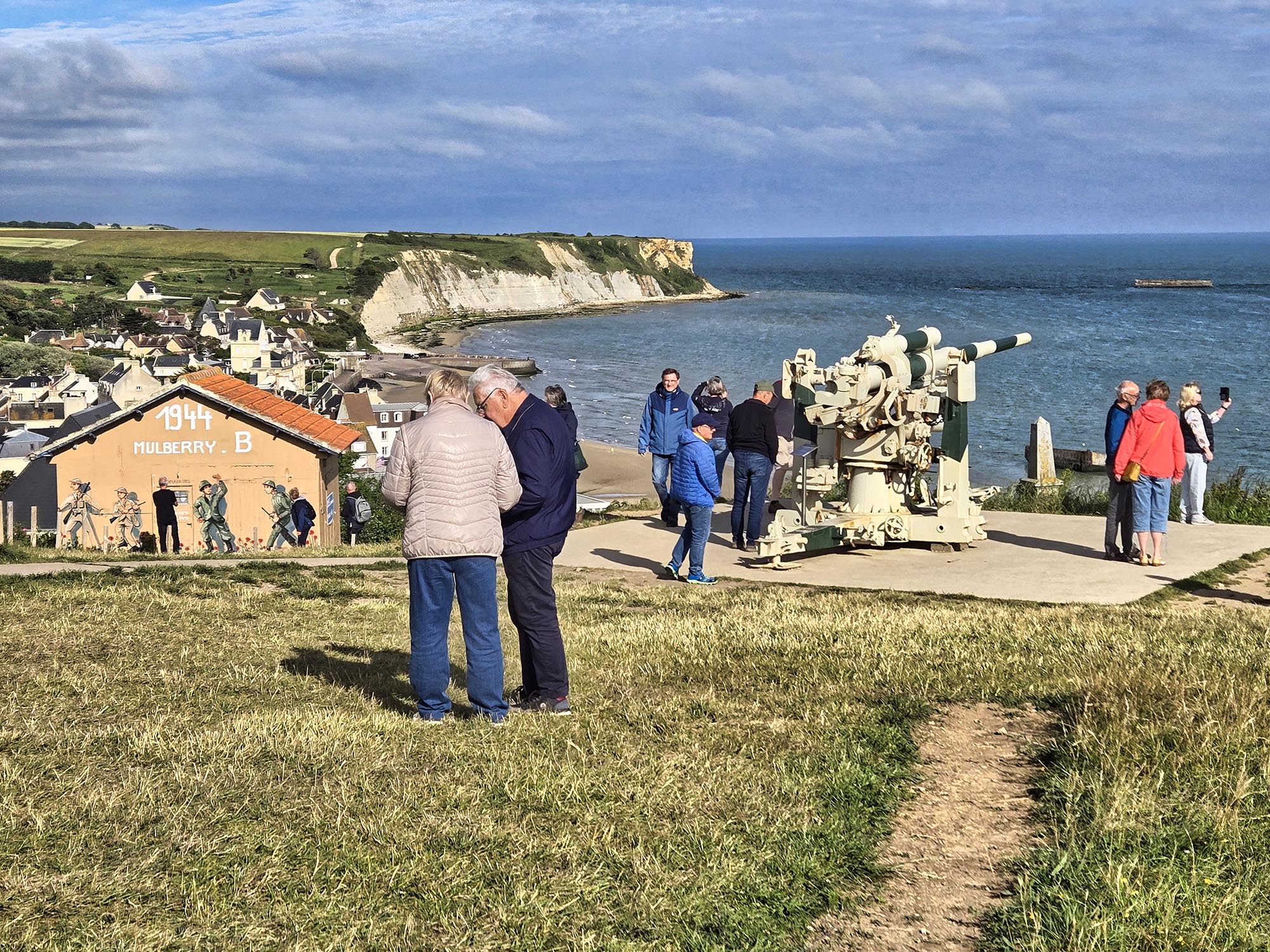
Our first stop was a bluff above Omaha Beach. This is where most of the casualties occurred, earning it the nickname of bloody beach. We viewed the remnants of an artificial harbor known as Mulberry A. Our local guide explained that the floating breakwaters, pontoons, and piers for the harbor were secretly built over six months in England and then towed across the English Channel. The components were put into place to protect Allied supply ships from storms and enemy fire while allowing them to dock and unload cargo close to the shore.
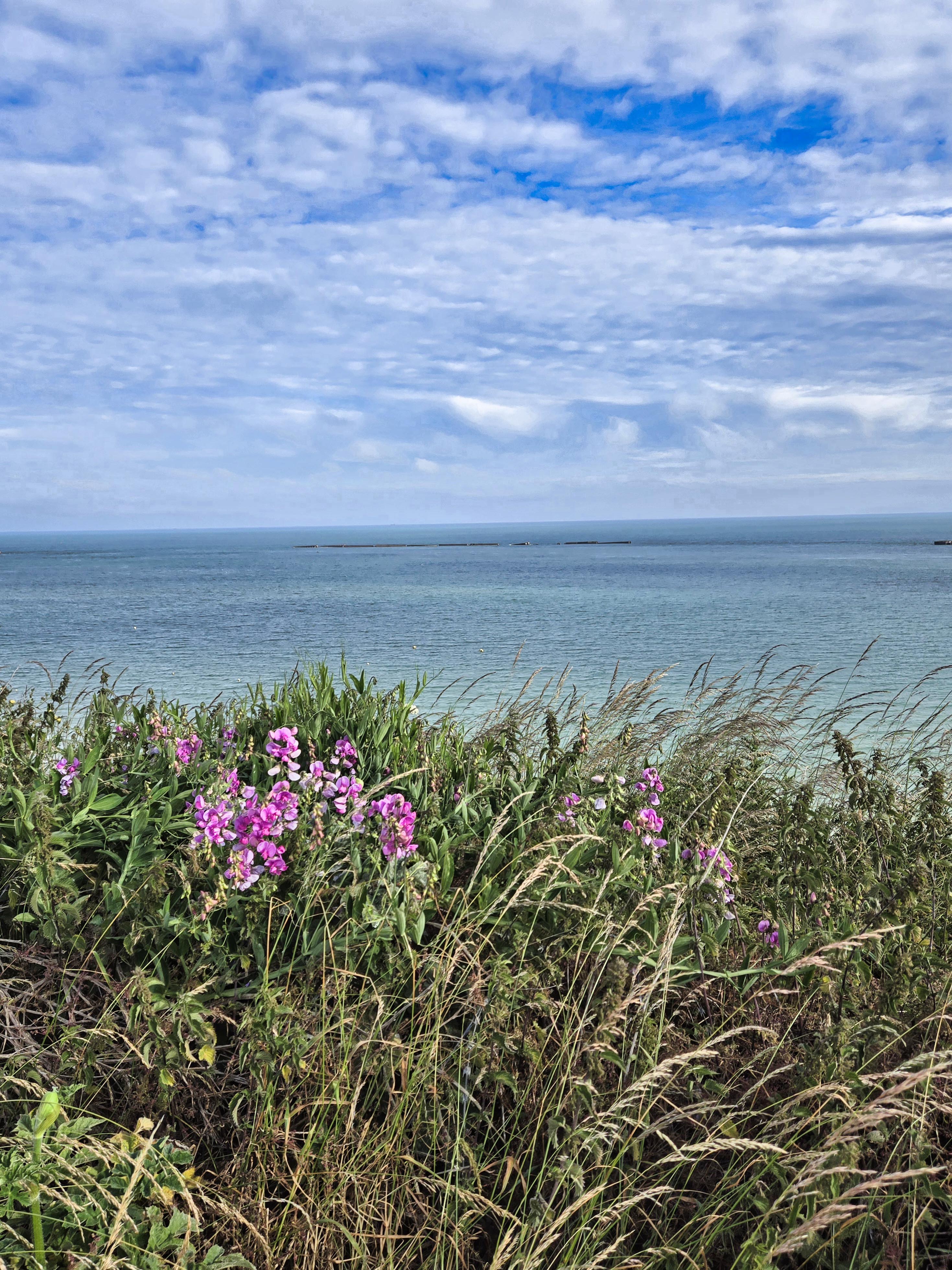
Part of the artificial harbor offshore at Omaha Beach.

Mulberry A was built soon after the June 6, 1944, D-Day landings. However, a violent storm on June 19–22, 1944, damaged the four-mile-long harbor severely, forcing the Allied forces to rely on open-beach landings on Omaha Beach for the rest of the campaign. Another artificial harbor was built at Gold Beach (Mulberry B), and it lasted longer.

There really wasn’t that much left of the harbor – just thin broken lines of concrete offshore. Although the view may have been unimpressive, the thought of all the effort and planning that went into constructing them was impactful.

The American Cemetery was our next stop. More than 9,000 soldiers are buried on immaculate grounds. We walked the grounds and visited another bluff that overlooks Omaha Beach. As we gazed at the now-peaceful scene, it was hard to imagine the violence that occurred on D-Day.

Our group then gathered around the “Spirit of American Youth” statue for a ceremony. One of our tour members, David, did the honors of laying a bouquet of flowers at the base of the statue. David is a U.S. Army veteran. During WWII, his father was stationed in Scotland in the Navy. He was part of a highly classified small team of men who worked on a top-secret project that involved developing reconnaissance film used in preparation for D-Day. David said he was thrilled and humbled to be part of the ceremony and to celebrate his father’s contribution.
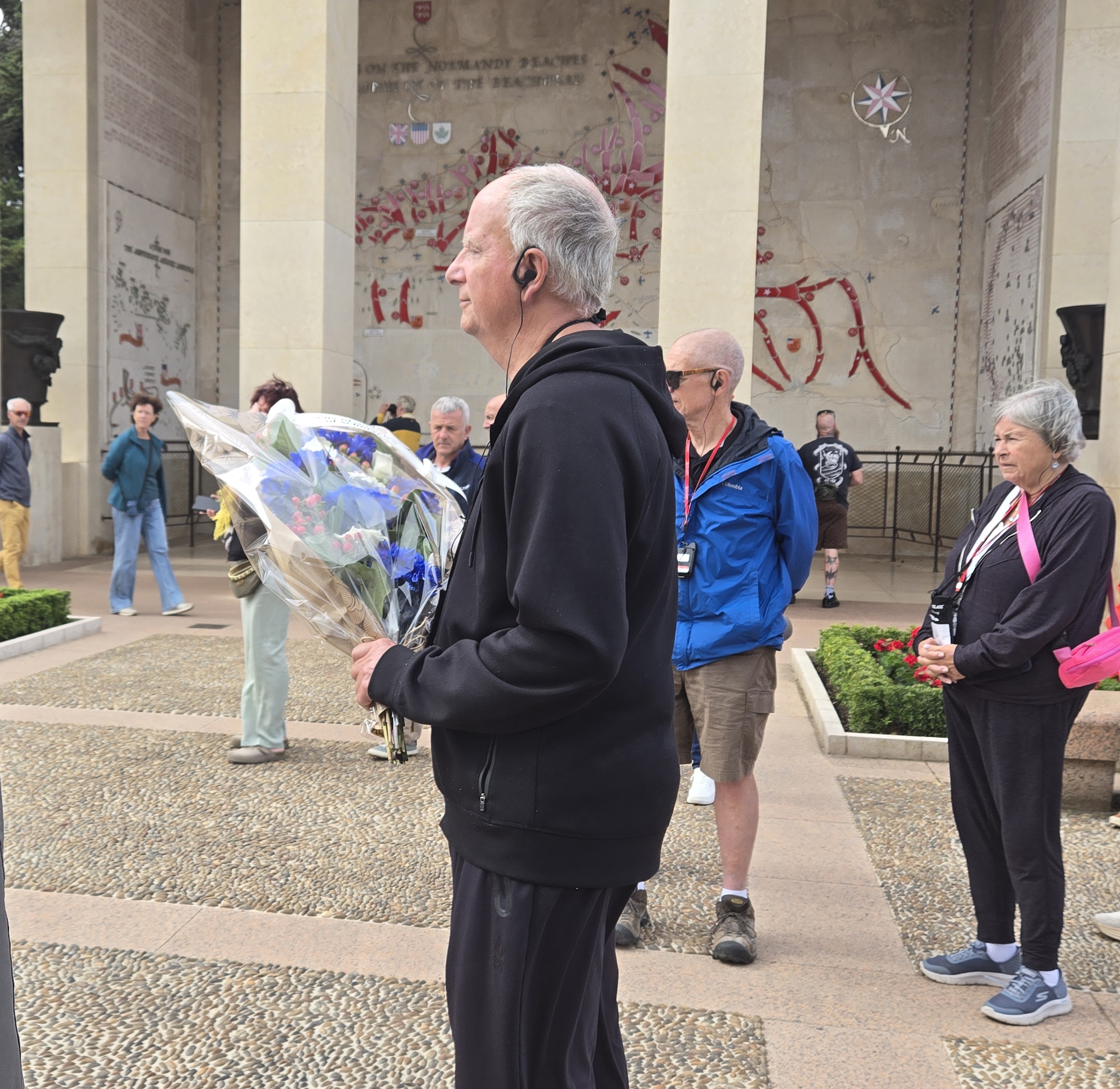
David at the American D-Day Cemetery ceremony.

I don’t have any direct connection to D-Day, but as the bugle call of Taps played, even I teared up by the end. David’s wife Robin videoed the ceremony (except for the Taps part). You can watch it on YouTube. (Link provided with permission.)

One thing to note if you visit, is that no eating is allowed in the cemetery. Somehow, I missed that memo. I took out a granola bar because I was getting hangry. One of the cemetery staff members saw me, got a horrified look on her face, and indicated in French that I should put my granola bar away.
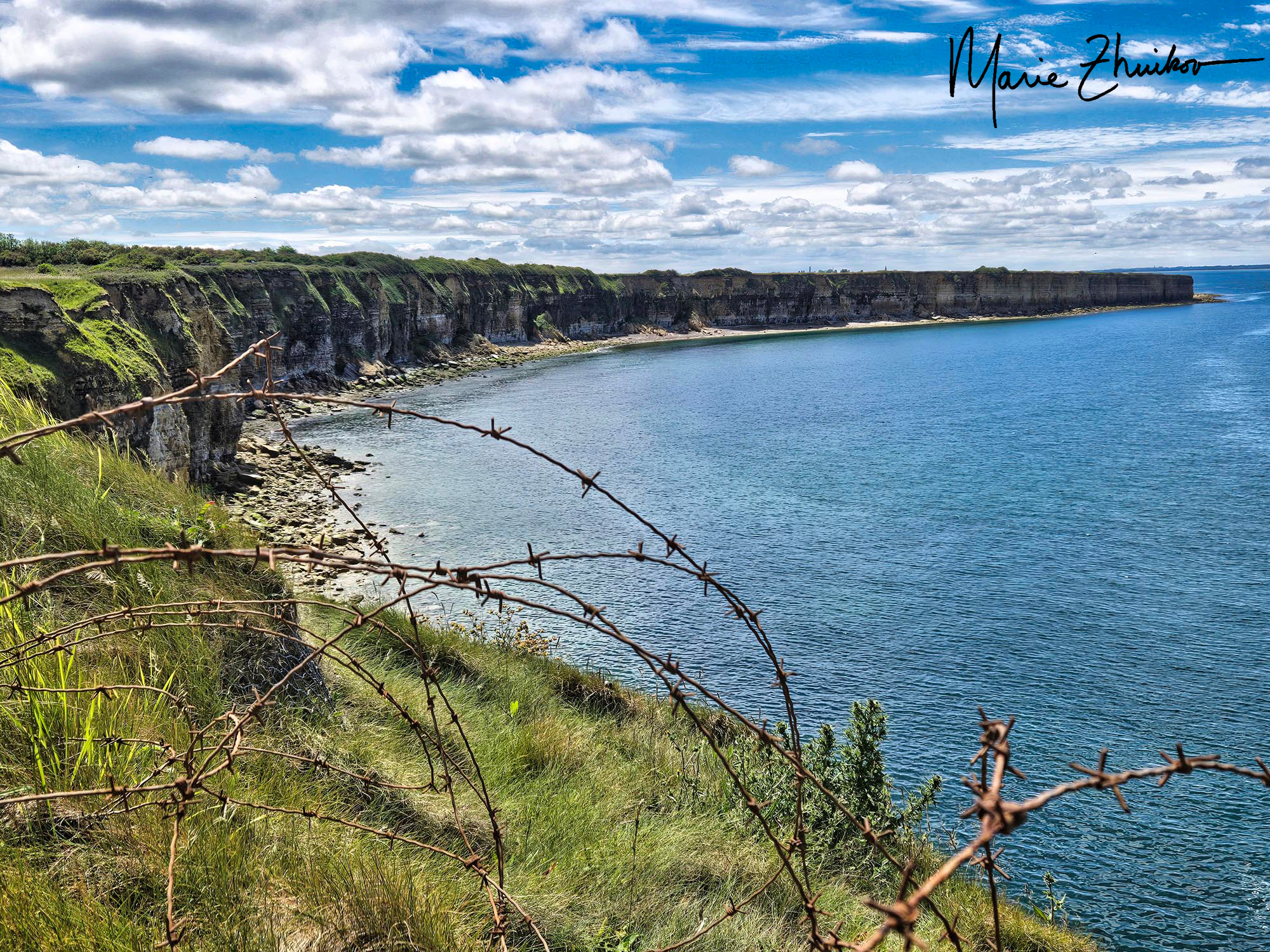
A view of Omaha Beach from the bluff.

Omaha Beach was next on our agenda. We were able to walk the sands. I took off my shoes and felt the cool ocean while our guide explained that the beach has five ravines that allow access past the bluffs to the interior. These were the focus of the troops on D-Day. The bluffs above the beach and the ravines were full of machine gun and mortar nests.

Imagine being an inexperienced soldier dropped onto a beach under enemy fire and having to climb the bluffs. More than 4,000 soldiers were killed and wounded on D-Day, many of whom drowned after being hit. Any beachy enjoyment I felt faded as our guide described the happenings of that fateful day.
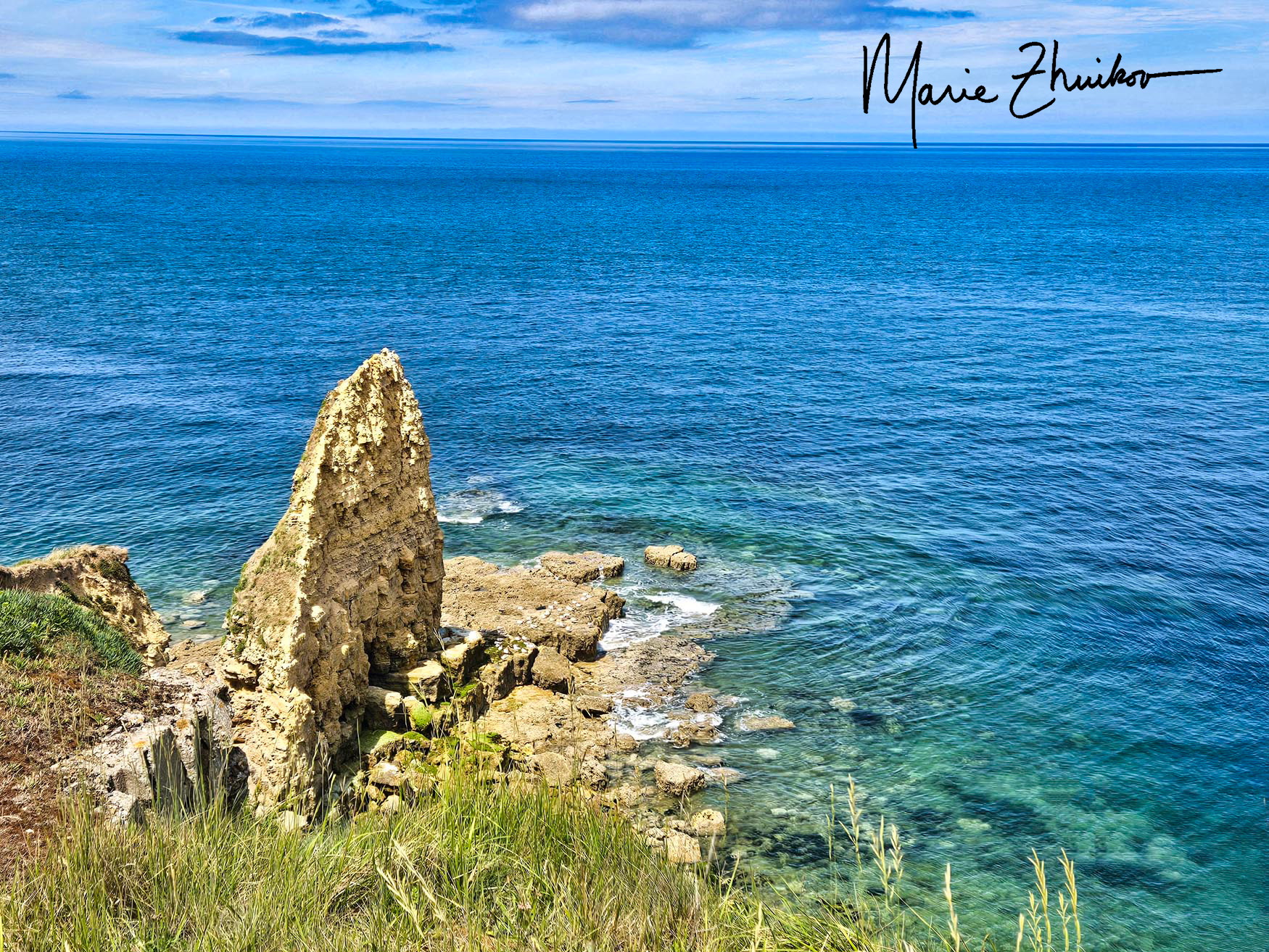
A rock formation at Pointe du Hoc.

Next, we visited Pointe du Hoc, which features a German “pillbox” observation bunker that we could go inside. These concrete guard houses made of reinforced concrete were home to several soldiers. The narrow openings (loopholes) toward the sea allowed the soldiers to fire on the enemy.  The path to the pillbox was pocked by several deep craters where bombs impacted.
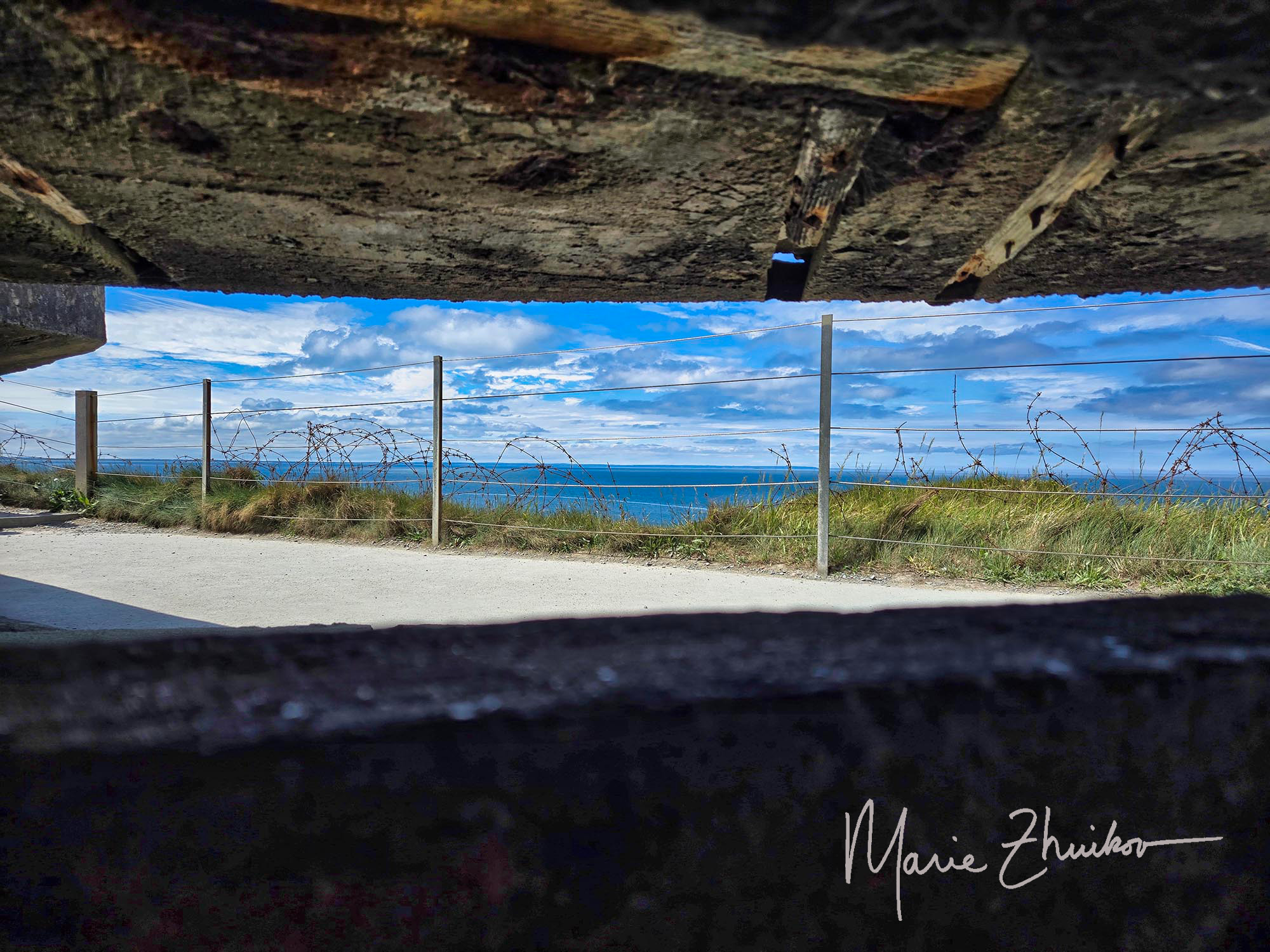
The view from inside the German observation bunker.

After all the heaviness, I guess it was time for a drink! Our next stop was Chateau d’Englesqueville to sample Normandy’s renowned calvados apple brandy and regional cheeses. But first, owner Bernard Lebrec showed us his farm’s monument, which honors American soldiers who fought in Normandy during WWII. It’s thought to be the first erected in France.
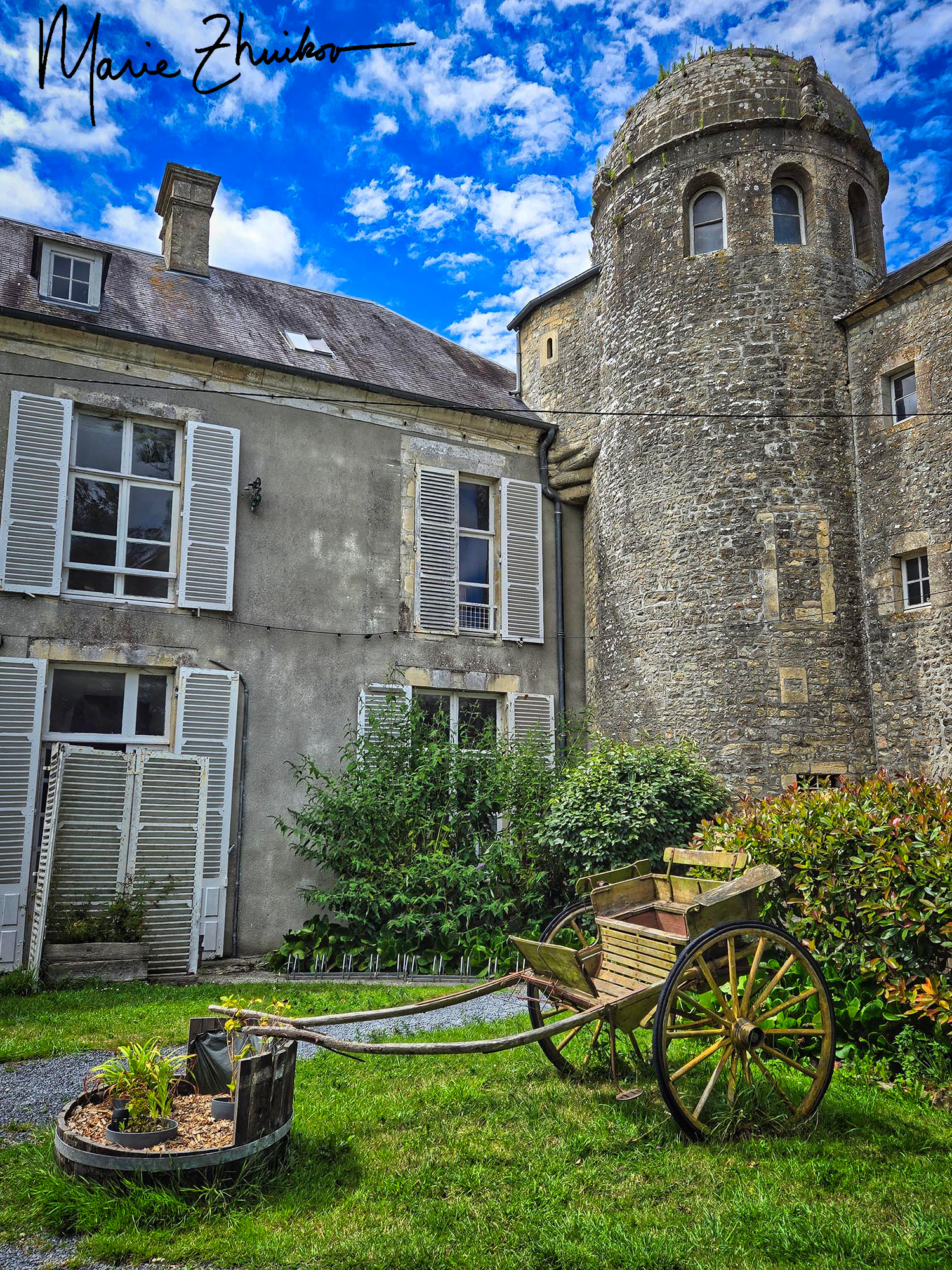
The 14th century tower at Chateau d’Englesqueville.

Bernard (with cider stains on his shirt) explained that Germans took over the farm at first, but after D-Day, Americans (the 147th Combat Battalion) used the farm as their headquarters and built an airfield across the way. The house (chateau) was built in the 17th Century, and the farm buildings still sport a tower from the 14th Century.
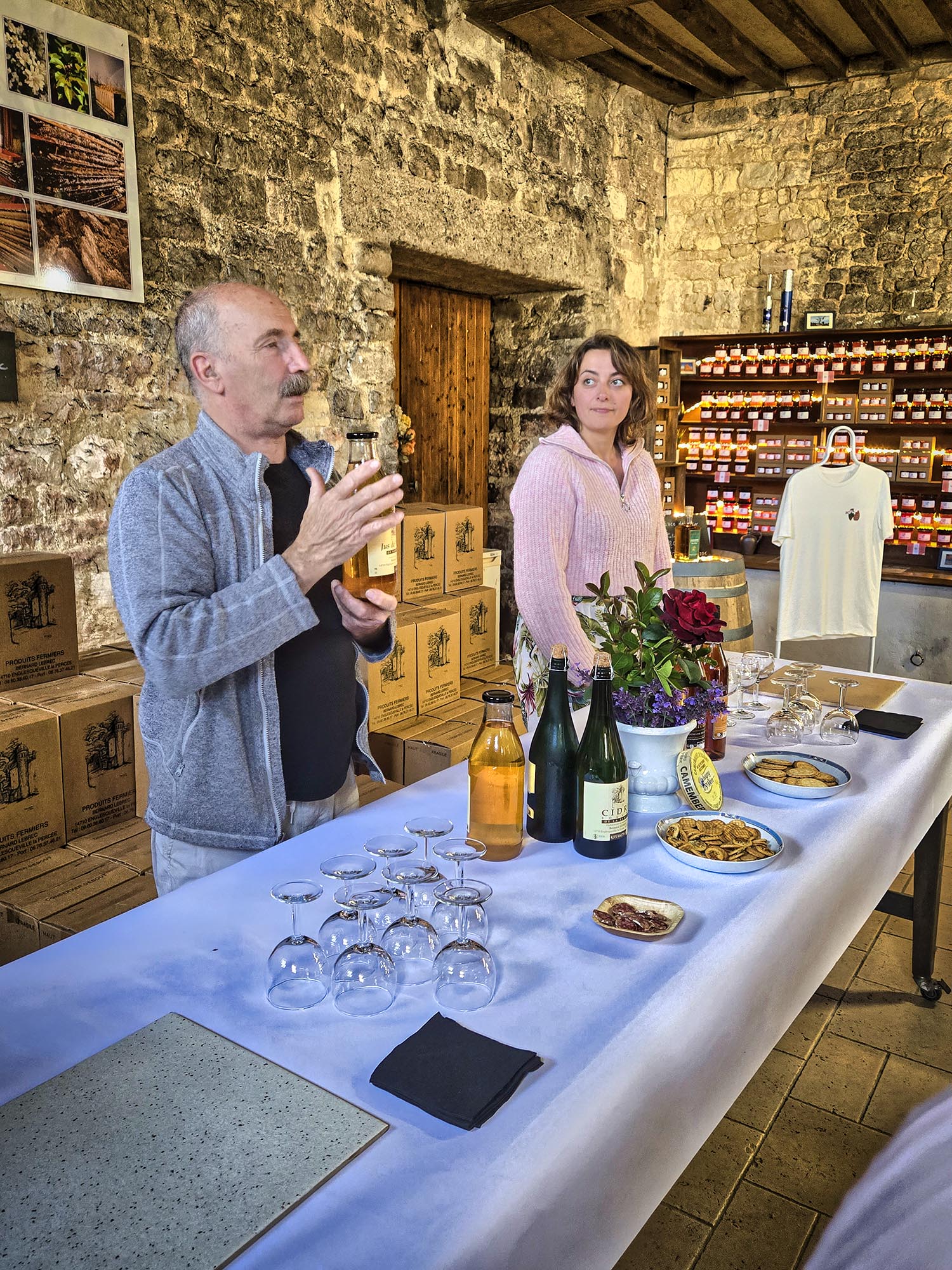
Bernard tells us about calvados while his daughter Marie watches.

The charming Bernard then invited us inside for a tasting. His daughter Marie helped (an easy name for me to remember), along with their two English cream retrievers. The calvados was 84 proof – really strong! It tasted like French moonshine to me. I preferred the aperitif, which was milder, and bought a small bottle to bring home. We also bought some of their apple jellies: plain, vanilla, and cinnamon. By now, the aperitif is long gone, but we’re still working on the jellies.

Besides calvados, Normandy is known for flax, dairy, lace, wheat, artichokes, apples, pears, and seafood. It’s like the Wisconsin of France.

The chateau also offers a restaurant run by Bernard’s nephew. Restaurant L’Ephemere was closed when we visited, but looked like a nice place. Travel author Rick Steves says, it’s a “laid-back, all outdoors, tres French, well-run café-restaurant serving delicious meals, salads, or just drinks with a smile.”
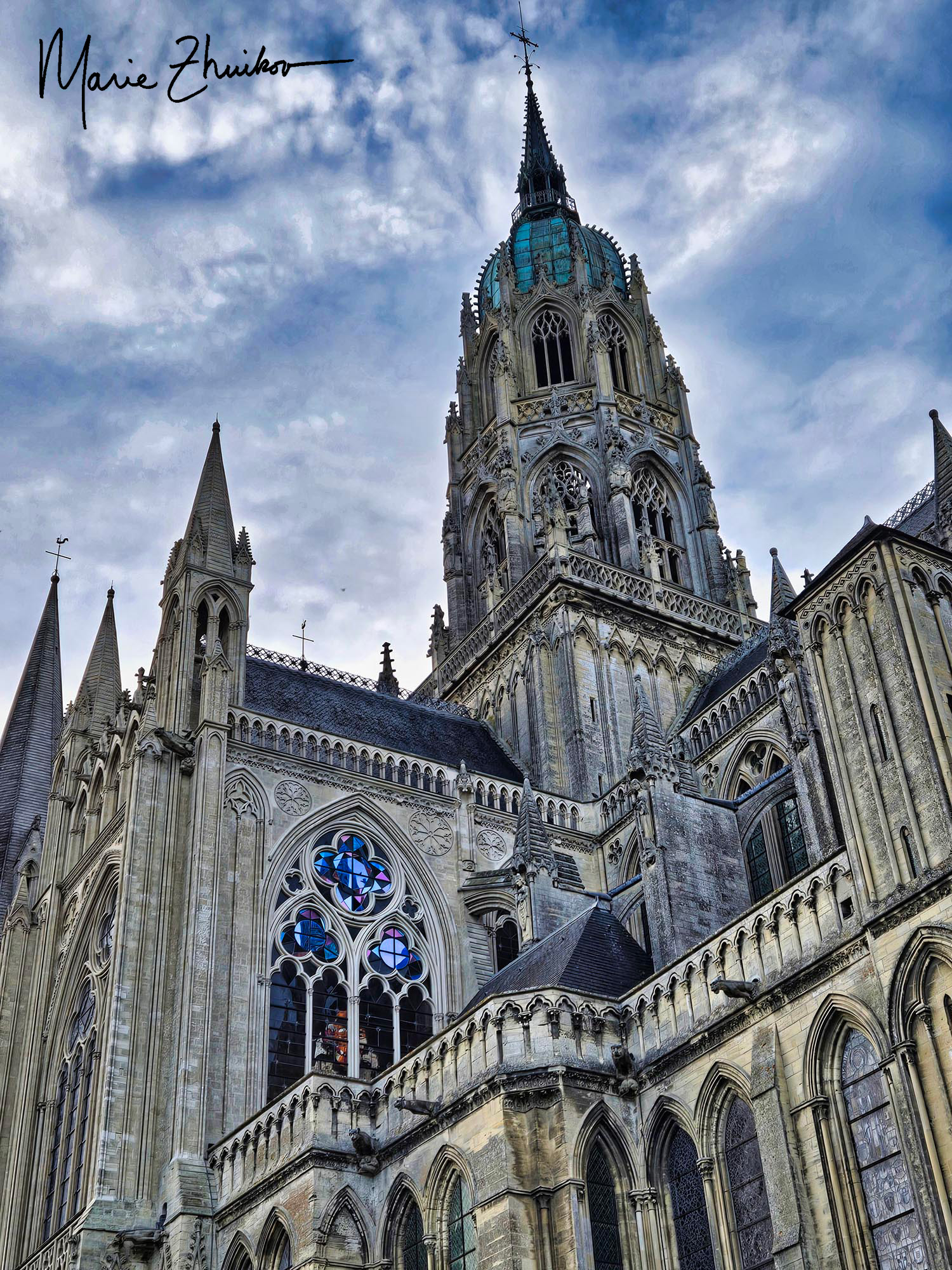
Cathedral of Our Lady of Bayeux

Our bus took us back to Bayeux, where we had time to meander around the town. We walked to the Cathedral of Our Lady of Bayeux, which was consecrated on July 14, 1077, in the presence of William the Conqueror, making it a site of great historical importance. It is believed that the famous Bayeux Tapestry, which depicts the Norman Conquest of England, was originally housed in the cathedral. The tapestry was later moved to a nearby museum. We couldn’t see it, however, because the museum is undergoing renovations and the tapestry has been temporarily relocated to England.
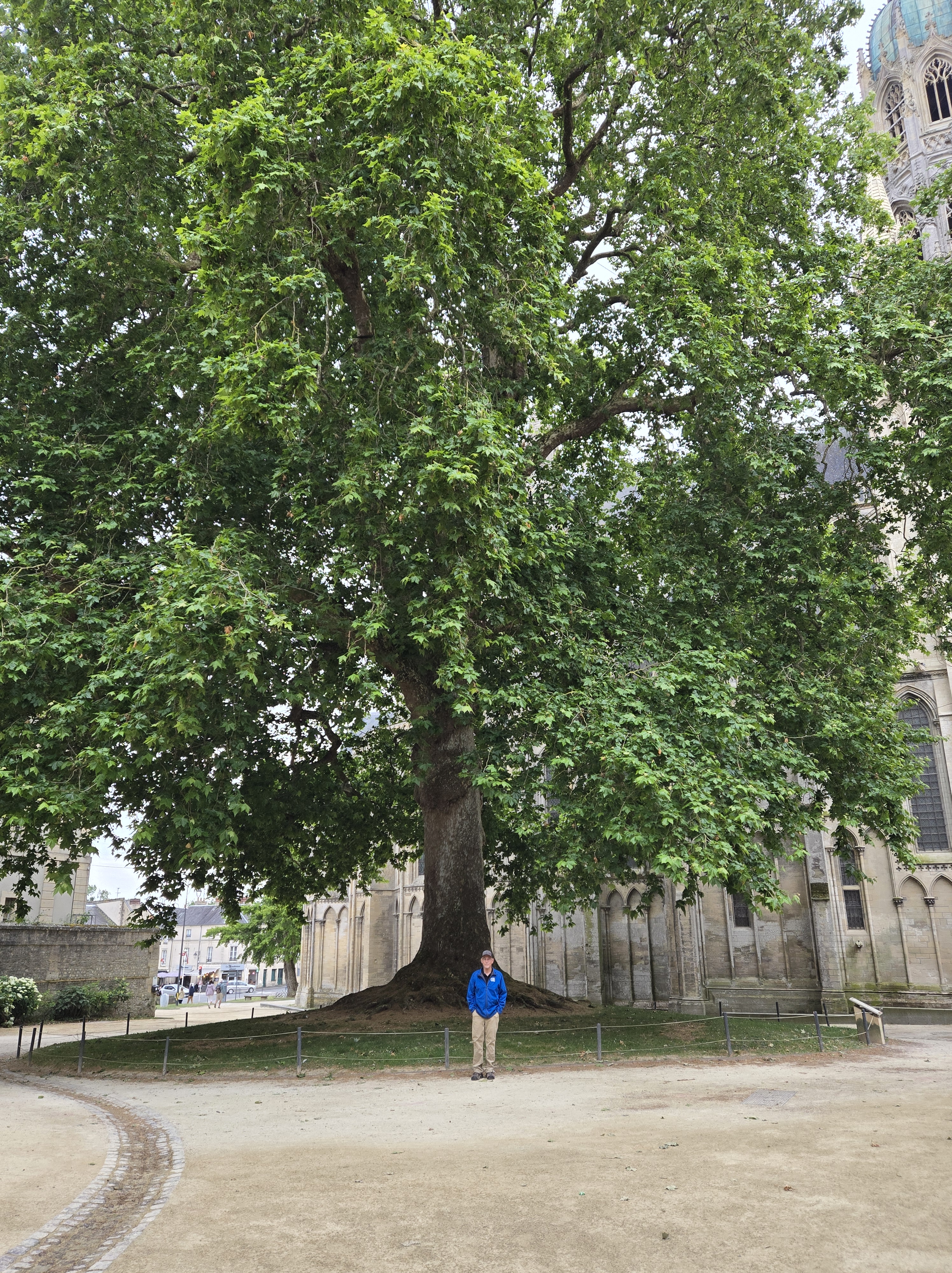
Russ by the Bayeux Liberty Tree, which was planted in 1797.

Behind the cathedral stands a HUGE “Liberty Tree.” These trees were planted across France after the Revolution to celebrate the end of the monarchy. The scale and age of the Plane Tree (species) was difficult to comprehend. (See the photo above with a teeny tiny Russ beside the tree.)

The town is known for its creperies. The most popular one (Le Moulin de la Galette) was booked solid during our stay, so we could not eat there. But we walked past it, and it was hopping! The restaurant is housed in a charming former oil and flour mill along the Aure River that has been transformed. An outdoor terrace allows guests to savor their meals while enjoying picturesque views of the river and historic buildings in Old Bayeux.

We kept following the river on a paved trail that led to a boardwalk across a wetland. The boardwalk offered a great view of the cathedral, and I took a few photos.
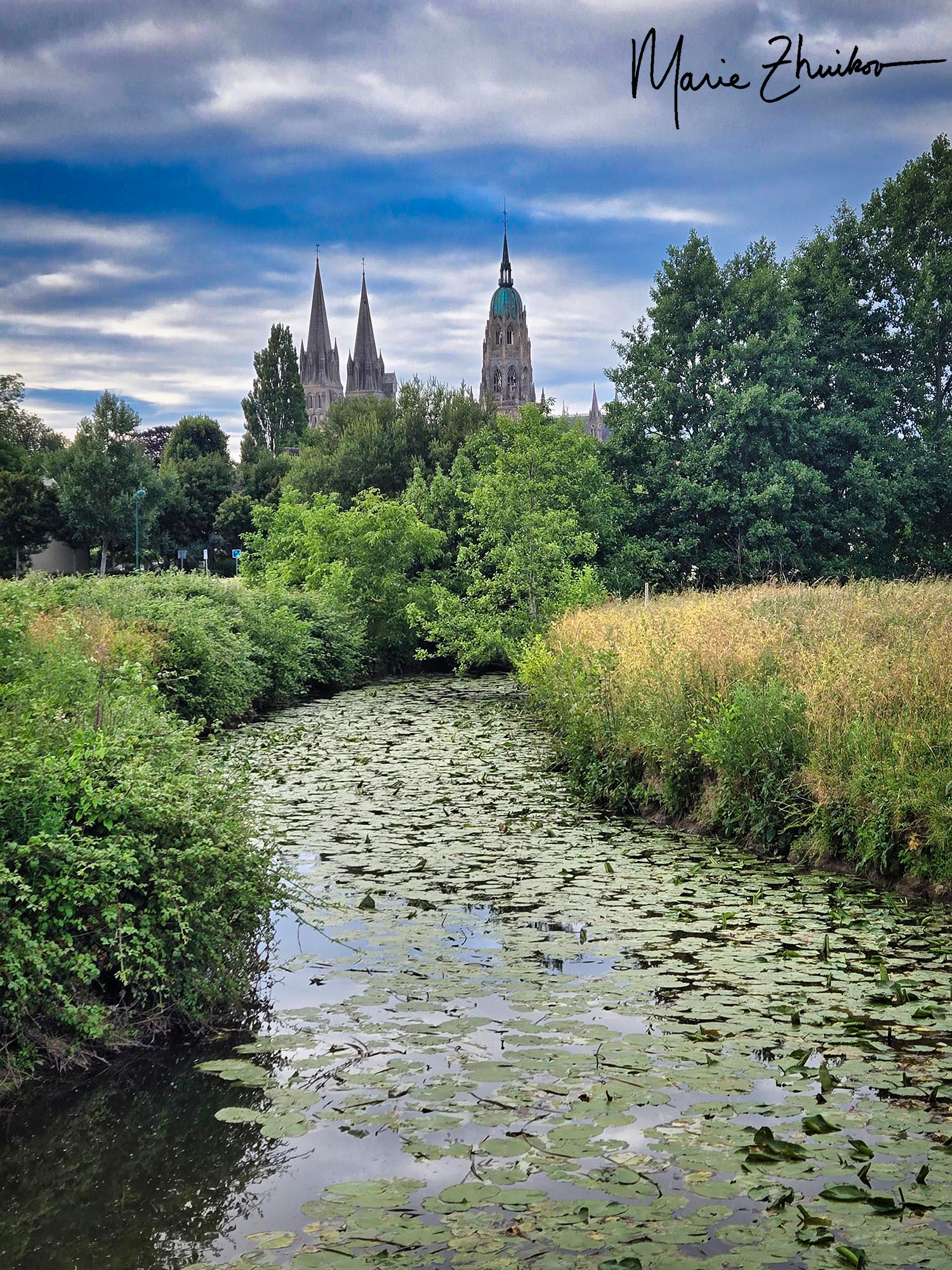
The Bayeux cathedral as seen from the river boardwalk.

Our Plan B for a crepe dinner was Au Louis d’Or. On the sidewalk, we dined all frescos for dinner on galettes (savory crepes made from buckwheat) with crepes for dessert. With camembert cheese, apples, and sausage, my galette was pure Normandy. My dessert crepe was filled with chestnut cream. Both were outstanding, and the price was very reasonable.
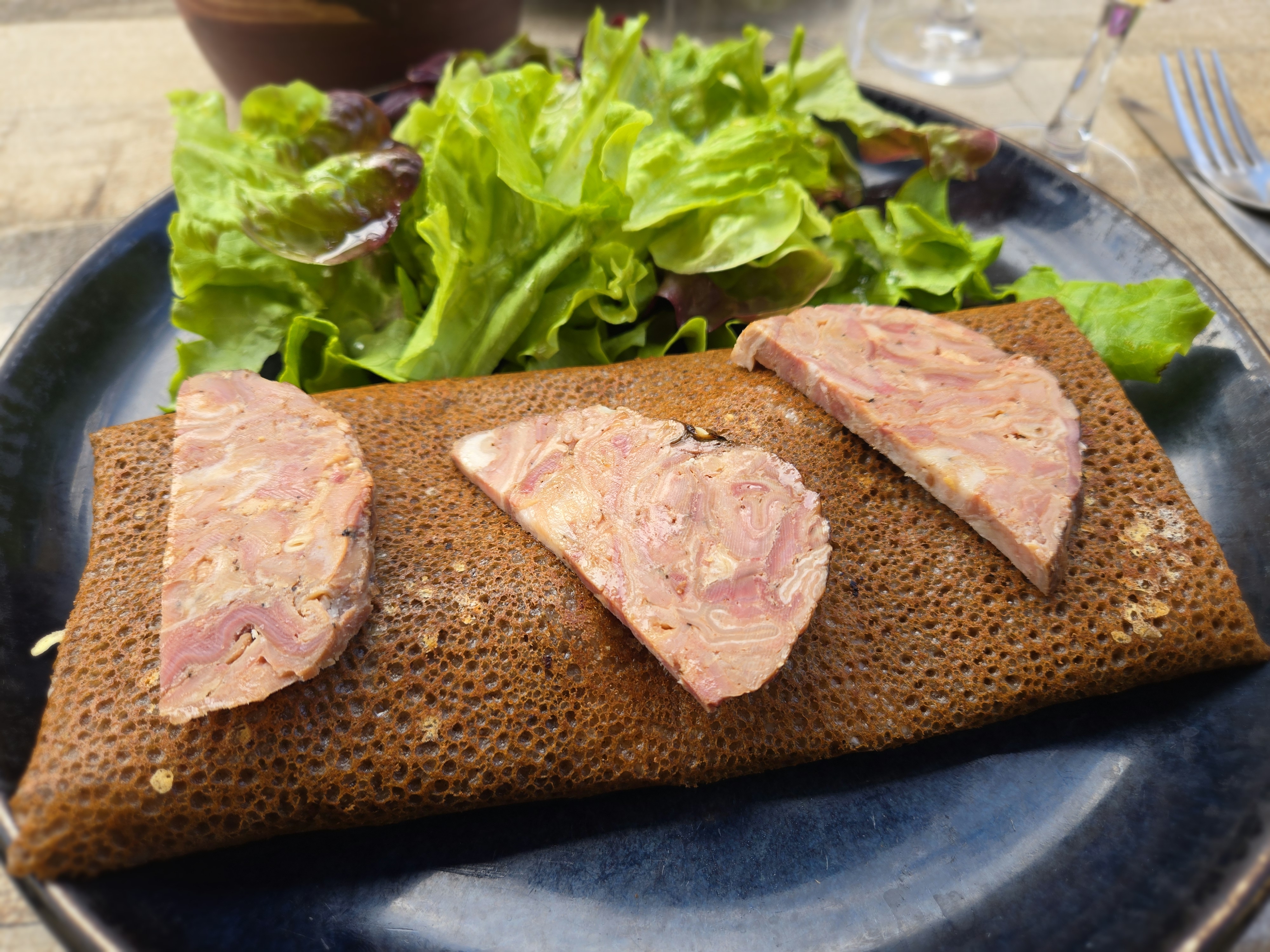
My Normandy galette

Whew! And so, Day 4 of 6 of our tour came to a close. We really enjoyed being in a smaller French town after the crowds of Paris. I would love to revisit Bayeux someday, perhaps once the tapestry returns. I’m not much for following military history, but I gained a greater appreciation for the machinations of WWII and the sacrifices of the soldiers after seeing the D-Day beaches and cemetery.

Next Up: Mont St. Michel and another great dinner in Bayeux
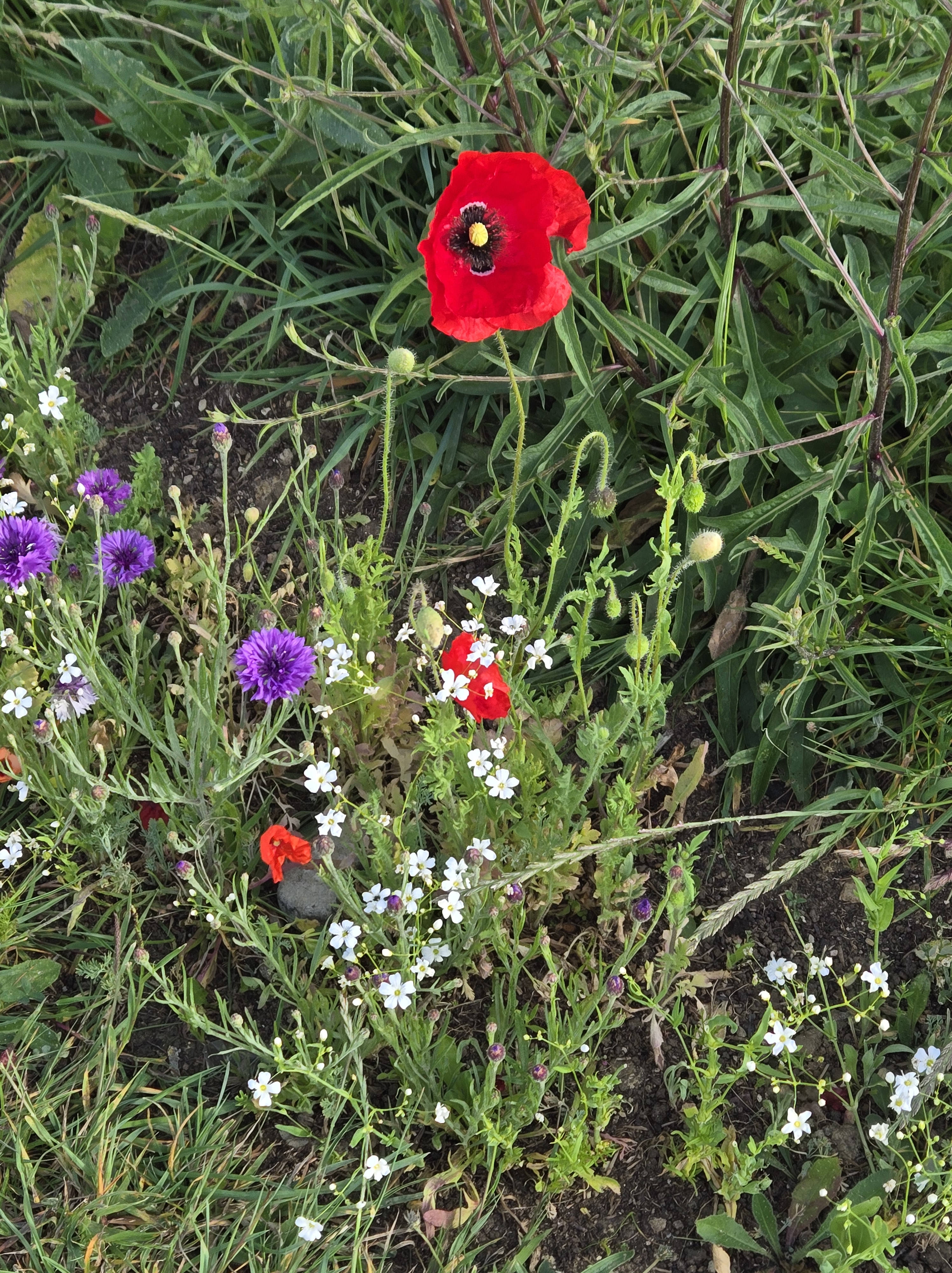
Poppies and Forget-me-Nots at Pointe du Noc

France, Day One: Montmartre, Sainte-Chapelle, and the Seine

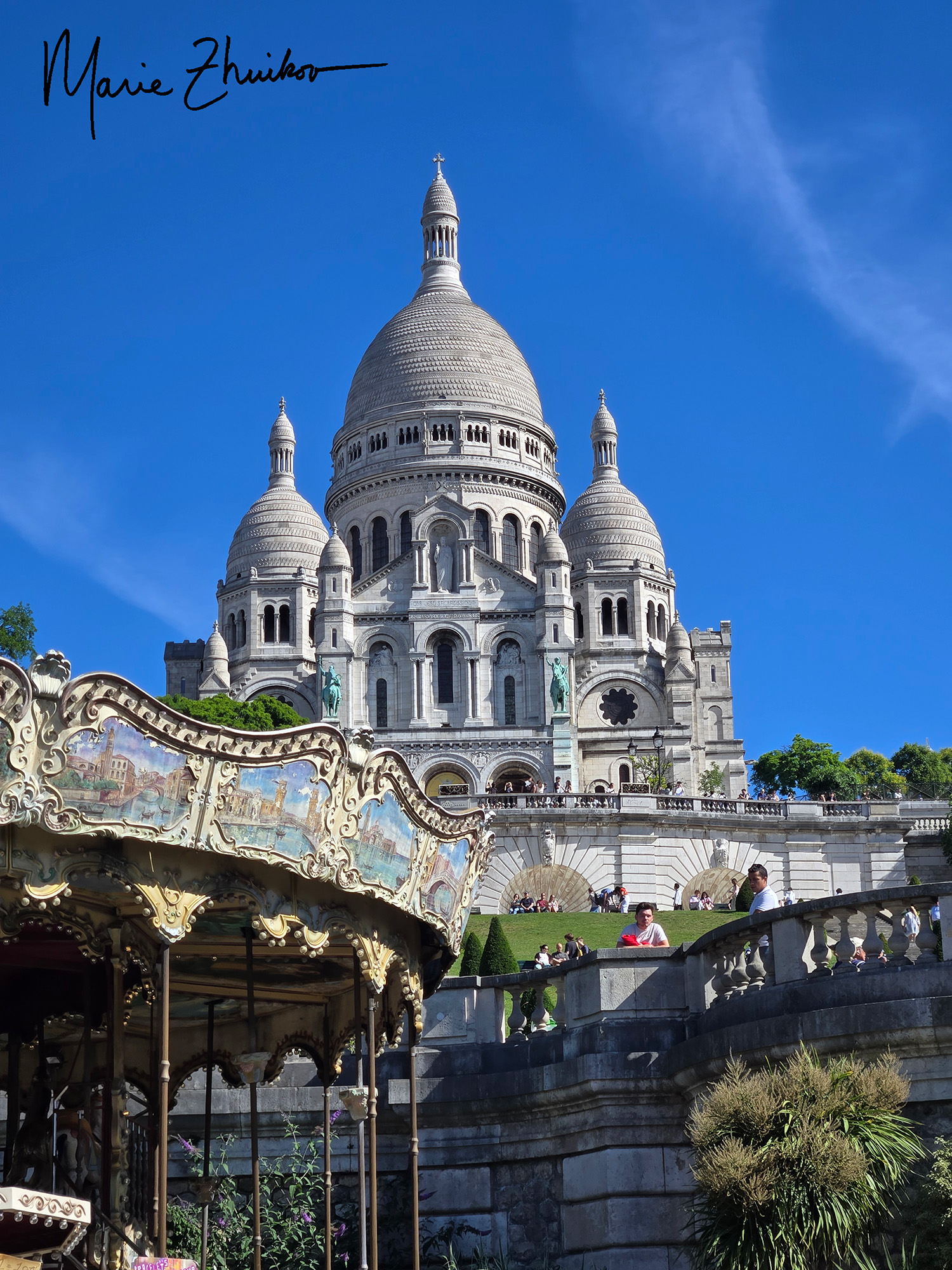
The Sacre Couer Basilica and part of a merry-go-round in Montmartre, Paris

Russ and I meandered across the ocean to France for a six-day tour through Road Scholar. In case you missed the explanation in my previous post, Road Scholar is a nonprofit travel organization for older adults. We learned about the organization from our parents, who took trips when it used to be called Elderhostel. This was our first trip with them, and it was a great experience!

We decided to go with a tour company instead of making arrangements ourselves since this was a location with language and cultural differences, crazy traffic, and crowds. Besides, we needed a break from planning.

After arriving in Paris, we met our tour guide, Christine, at the airport. She was from England but now lives in France. She had arranged for a van driver to take us and another couple on the tour to our hotel, which was in the 9th District (Arrondissement). We had time to unpack before meeting the others in our group of sixteen in the lobby for orientation. Everyone was from the U.S. There were a couple of single people and one couple who were dating. The others were all related in some way, either through marriage or blood.

Other than dinner at a restaurant a short walk away, that was it for this partial day, so I’m not counting it. Our next full day began at a civilized time to help with our jet lag, which was much appreciated. After breakfast, which featured crème brulee (we’re definitely not in Minnesota anymore), we were off!

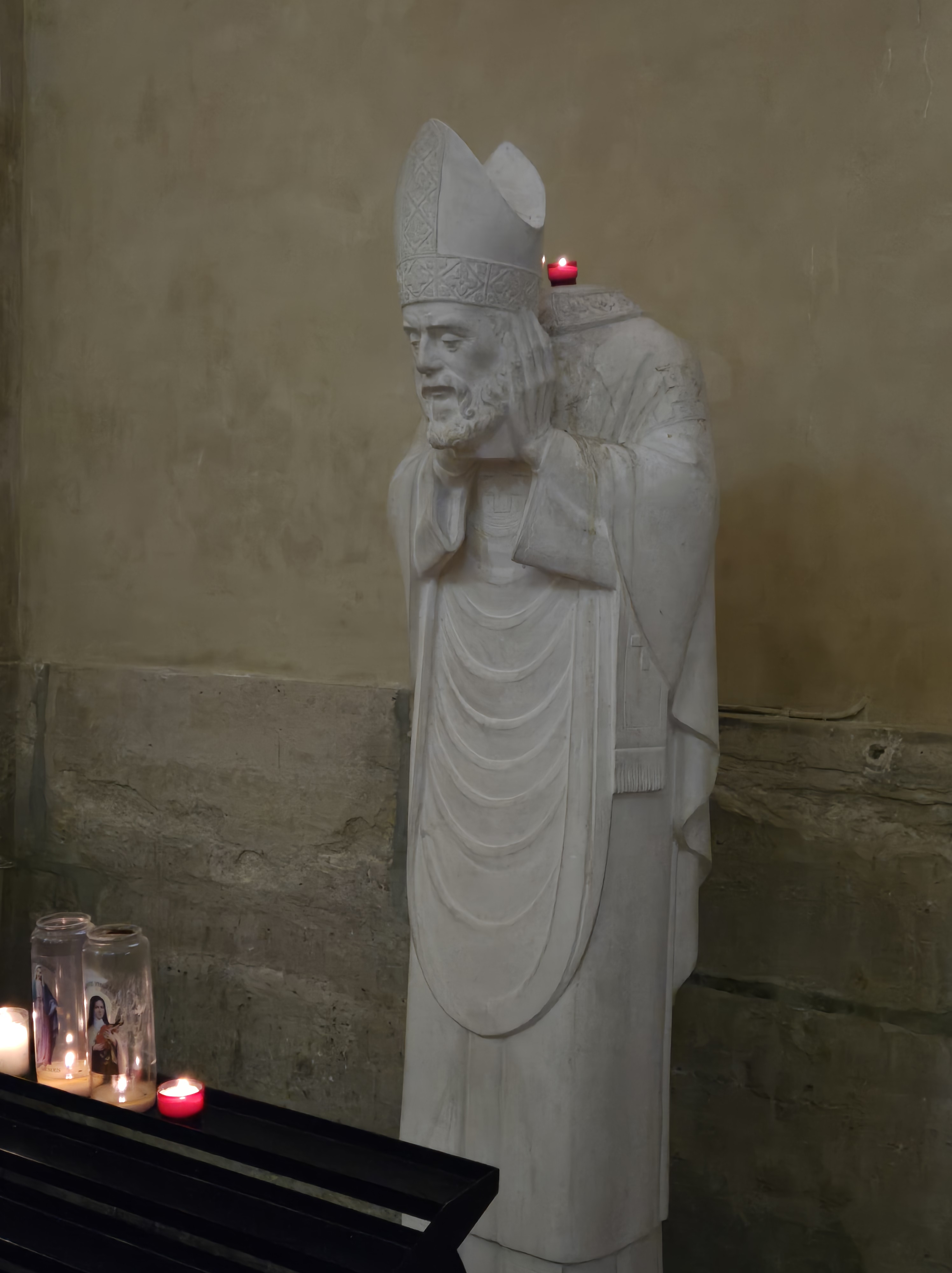
St. Denis and his head in the Notre Dame de Montmartre Cathedral.

With the help of our Paris guide, Aurora, we navigated the Paris Metro (subway) to travel to Montmartre, the historic neighborhood made famous by past artists like Renoir and Picasso. It continues to be popular with artists and writers today. In Roman times, it was called the Mount of Mars. Temples to Mars and Mercury were built on the hill. The Christian era gave the neighborhood the name it has today, which translates to “Mount of the Martyrs, when Saint Denis, the first bishop of Paris, was martyred there around 250 AD.

According to legend, he was beheaded in front of the temple of Mars, then carried his head six kilometers to the site of the Basilica of Saint-Denis, where he was buried. A chapel called the Martyrium (“chapel of martyrs”) was built nearby, and the neighborhood’s name came to reflect its role as a site of Christian martyrdom.
We did not visit St. Denis’ basilica, but we did see two others there. One was the Sacre Coeur, which is perched atop the hill. To see the great views of Paris from this location, visitors must either walk up 400 steps or take a funicular (incline tram) to the top. While some in our group walked up the stairs, most opted for the funicular. Russ and I rode it just for the novelty.

The line was long, however. Our intrepid guide, Aurora, gained permission from the tram operator for our group to move up in line, although she must have played a medical card because she asked a couple of our members to exaggerate their disabilities as we walked to the front of the line. 😊 (One man in our group had a recent knee replacement; another had had a stroke and walked with a tilted limp, although both kept pace with the group admirably the rest of the time, even so.) It worked. The crowd parted for us like the proverbial Red Sea.

View of Paris from the Montmartre neighborhood

At the top, we enjoyed the view of Paris and our first glimpse of the Eiffel Tower. A short walk took us to Notre Dame de Montmarte, which is the oldest church in Paris. Aurora told us a story about how it was saved by the artists, most of whom weren’t religious, because they realized the structure’s historical significance. We toured the interior, where I noticed a statue of a man carrying his head, which could only have been good old St. Denis.

One thing I figured out before our trip is that there are A LOT of cathedrals in France named Notre Dame. The name isn’t reserved just for THE Notre Dame Cathedral. It translates to the Virgin Mary, and she’s a big thing in France, so there are many cathedrals named for her.

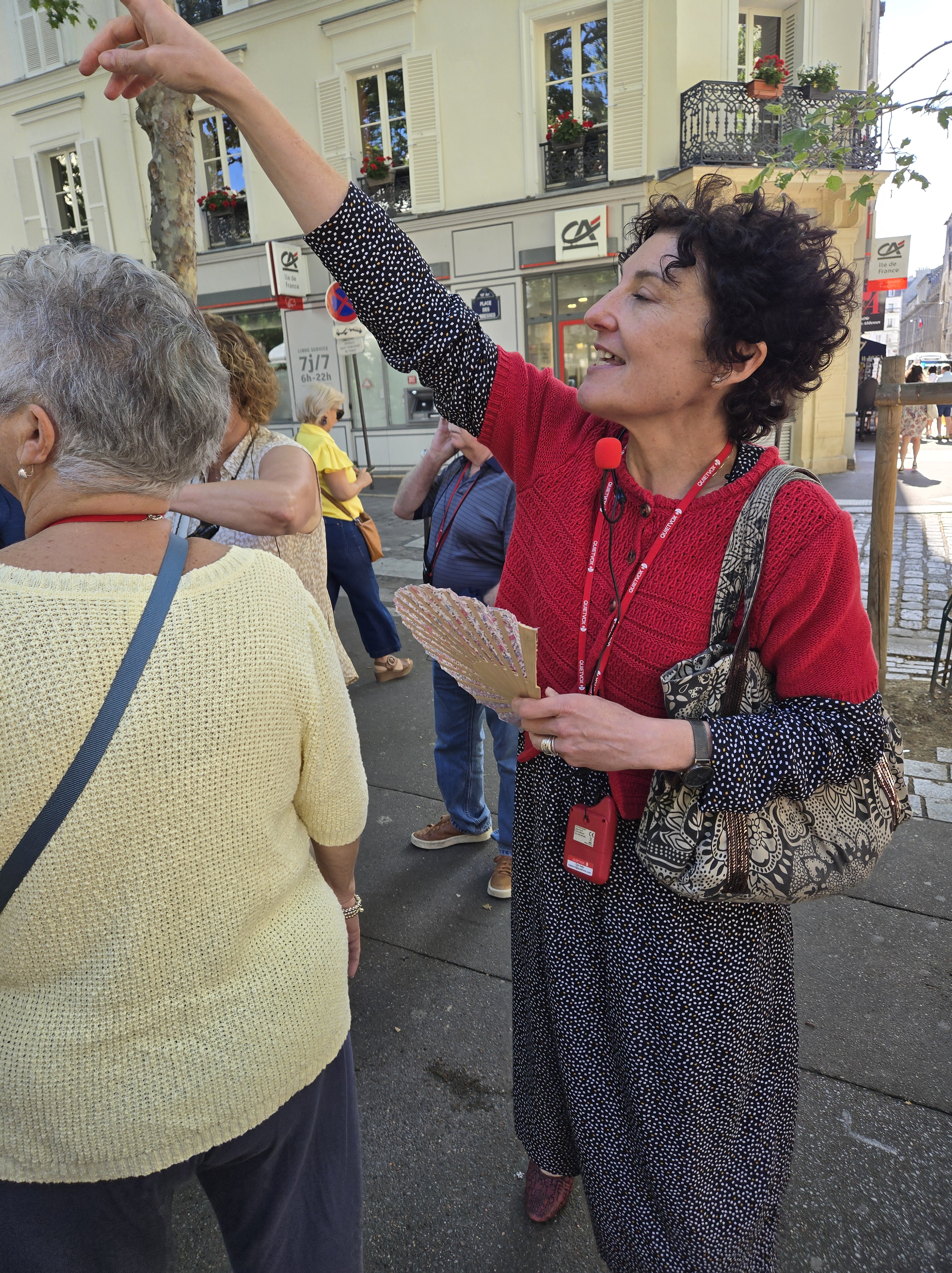
Aurora, our wonderful Paris and Versailles guide

As we walked through the cobblestone side streets, Auora explained that for centuries, gypsum was mined from the hill, giving rise to the “plaster of Paris” industry.

After some free time to shop, we walked back down the hill and took the subway to the heart of Paris, or the Île de la Cite, the island where Paris was first founded in the Iron Age by a Celtic tribe.

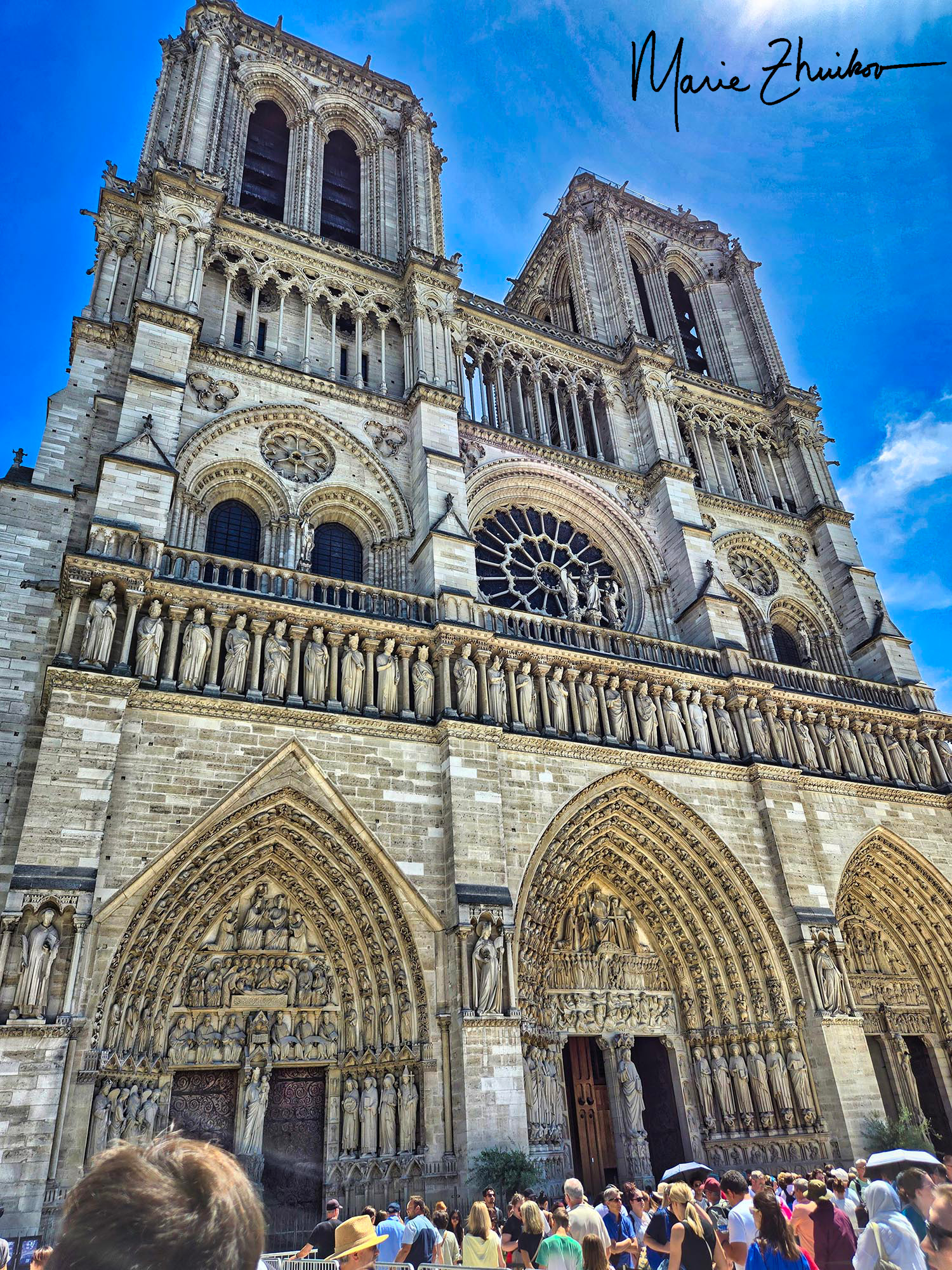
Norte Dame Cathedral

There, we saw THE Notre Dame Cathedral. It’s still undergoing repairs from the fire that damaged it in 2019, but the front looked great. Statues of many kings line the walls of the outside. Aurora told us that many of the statues were beheaded during the French Revolution when the monarchy fell out of favor. The heads were repaired in the 1840s. The cathedral houses holy relics, including the crown of thorns and pieces of the cross. We had the option to go inside, but the line was so long, and we were hungry, so we opted to eat lunch nearby instead.

Sainte-Chapelle Cathedral

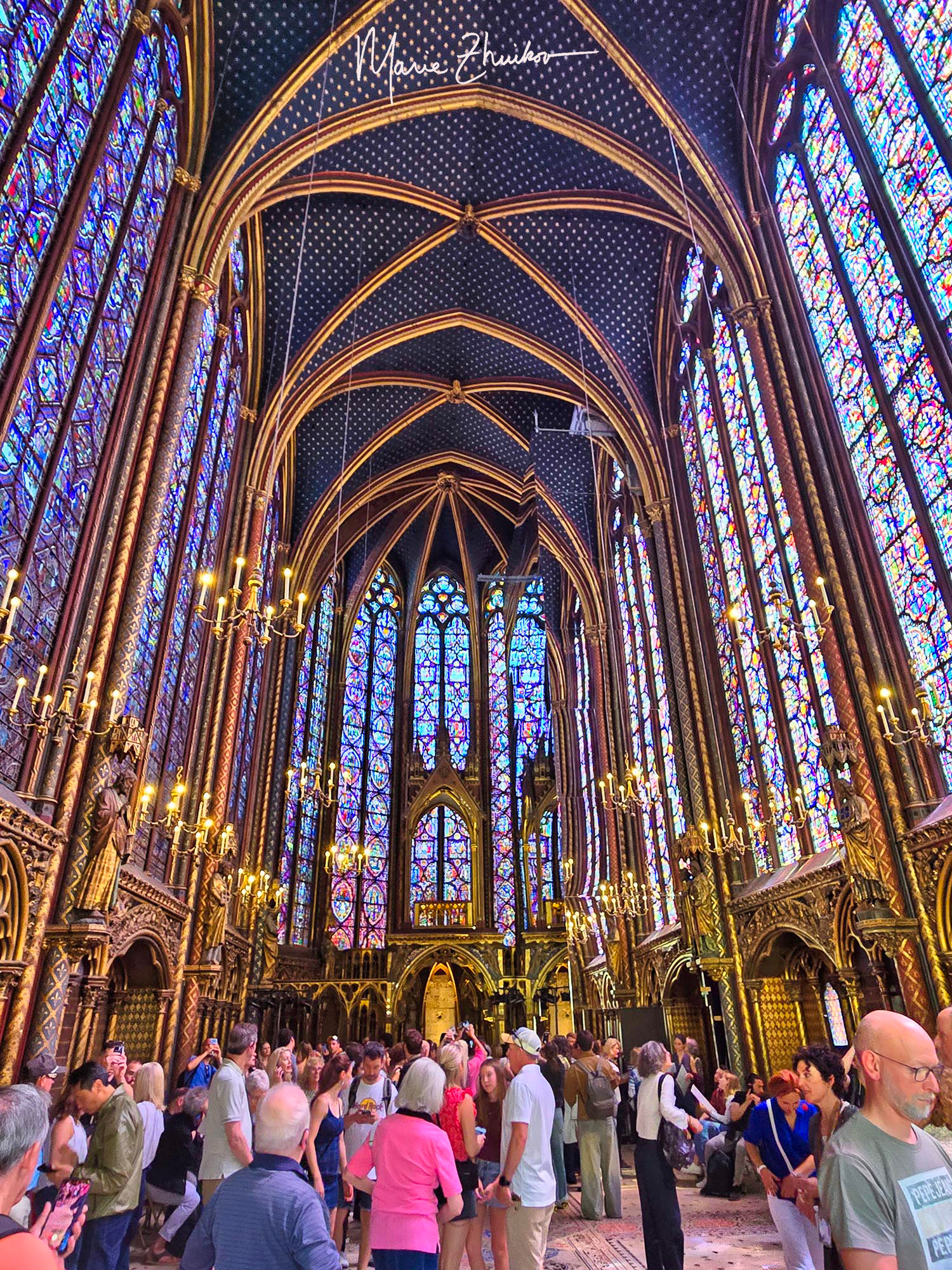
Our next stop on the Île de la Cite was Sainte-Chapelle, which offers an excellent example of Gothic architecture. Aurora told us it only took 6-8 years to build, which is amazing given its ornateness. King Louis IX wanted it to house the religious relics he acquired from the holy land at great cost (half the country’s GNP) – the same relics that are now in Notre Dame. He acquired them to elevate Paris and France’s status as a center of Christianity in medieval Europe.

Sainte-Chapelle has upper and lower chapels. Aurora said that 70 percent of the stained glass in the upper chapel is original. The windows depict bible stories and the king’s coronation. Being surrounded by the slender columns of glass made me feel like I was in a large jewelry box. Of all the cathedrals we saw on this trip, Sainte-Chappelle was the most impressive.

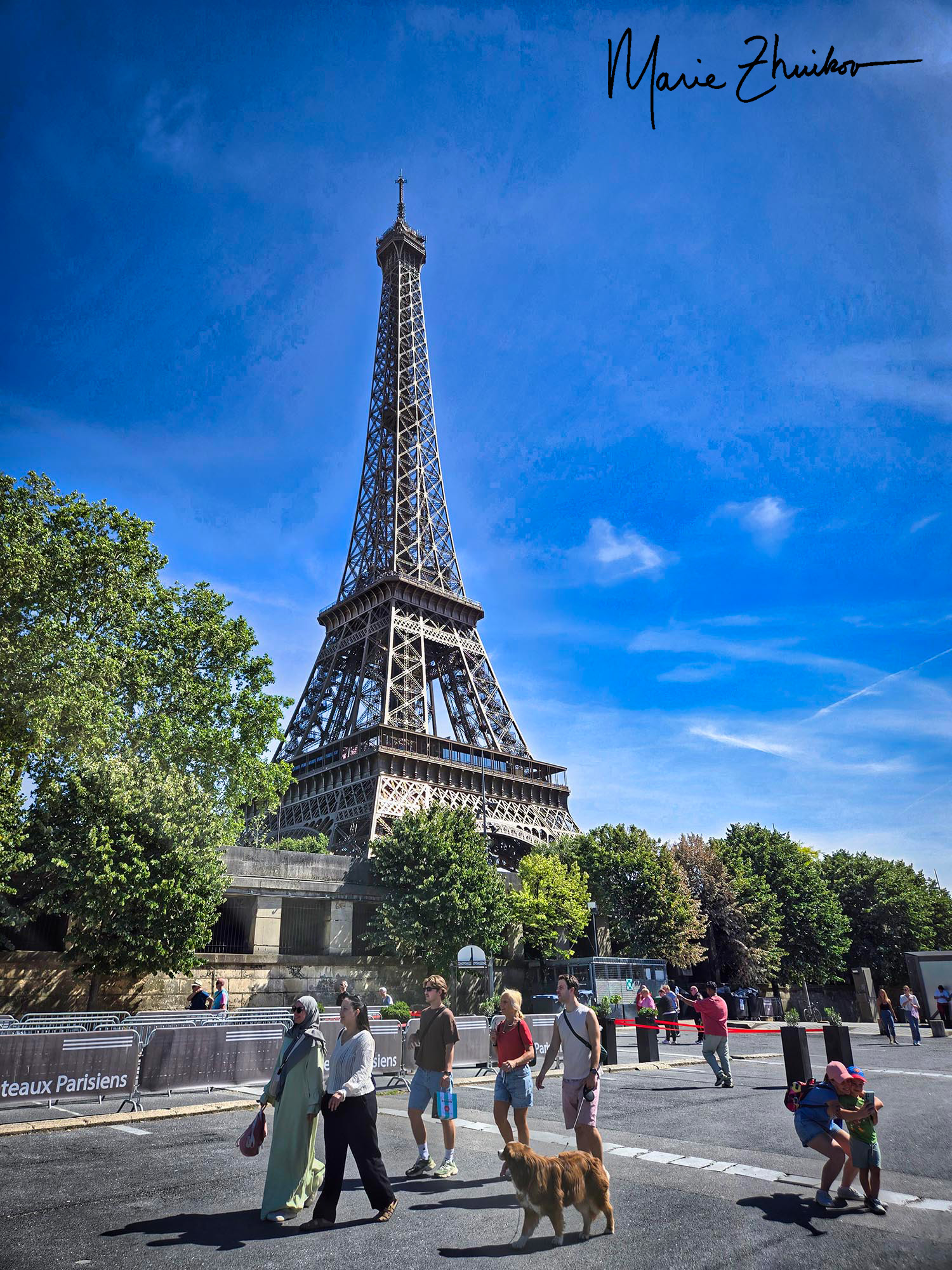
Next on our agenda was a boat tour of the Seine River. On the way, we passed the Eiffel Tower, which we were excited to see. I never realized that it is painted brown! (I thought it was black.) Although before our trip we had wanted to go to the top of the tower, once we were in Paris, it didn’t seem as important, so we did not do that typical tourist experience.

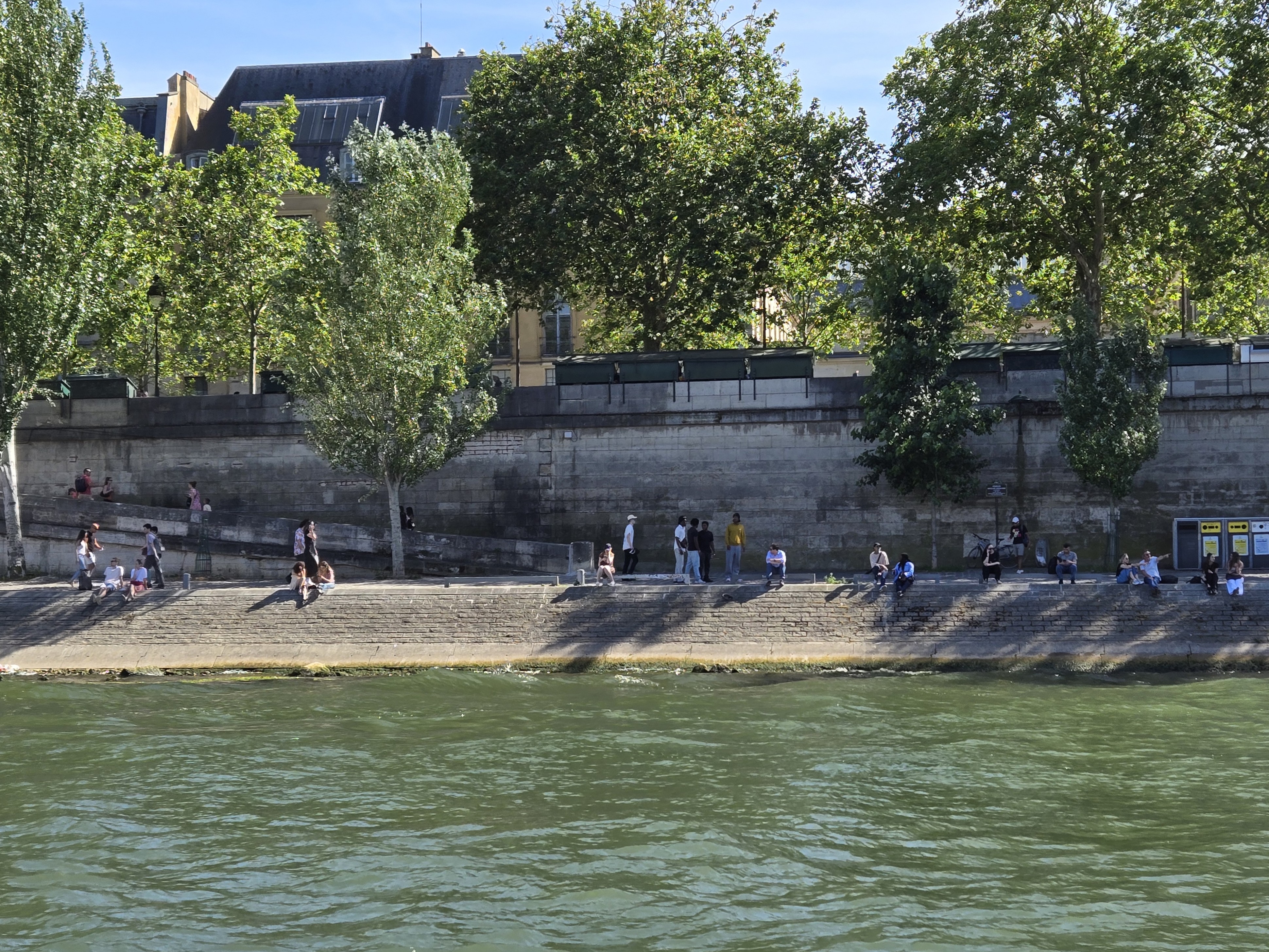
During our boat ride, I was impressed by the number of people hanging out along the river. Parisians (and tourists, I suppose) really like the Seine! That was good to see. As the tour progressed, we passed the Golden Flame. Originally built in 1989 as The Flame of Liberty, a symbol of friendship between France and America, after Diana Princess of Wales’ fatal car crash in the tunnel beneath it, the monument became a de facto shrine to her.

People hanging out along the Seine

Later, we drove through that same tunnel. I was surprised by how short it was. But I guess if conditions are right (or wrong), tragedy can happen anywhere. I can still remember arriving home after a week in the wilderness and hearing about her death on television. We were about the same age and in similar places in life emotionally, so I took her death hard. Although the Golden Flame isn’t officially her shrine, I’m glad she’s being remembered anyway.

After the boat ride, a private bus took us back to our hotel. Dinner was on our own. Since we were in France, you’d think we’d opt for French food. But we had French food the night before, so we chose a Mediterranean restaurant across the street called Madonna. An excellent choice! Seated alfresco, I had sea bream (a whole fish) that was baked in a salt crust with anise, and an eggplant dish on the side. I have cooked fish this way at home and had never seen it on a restaurant menu before, so I was excited to try it. What I didn’t know was that our waiter would fillet the fish before our eyes. He freed it from its salty crust, cut it, and deboned it. You’d think the fish would be salty, but that’s not the case. Only a bit of salt slowly infuses into the fish as it cooks. The result was moist and wonderful.

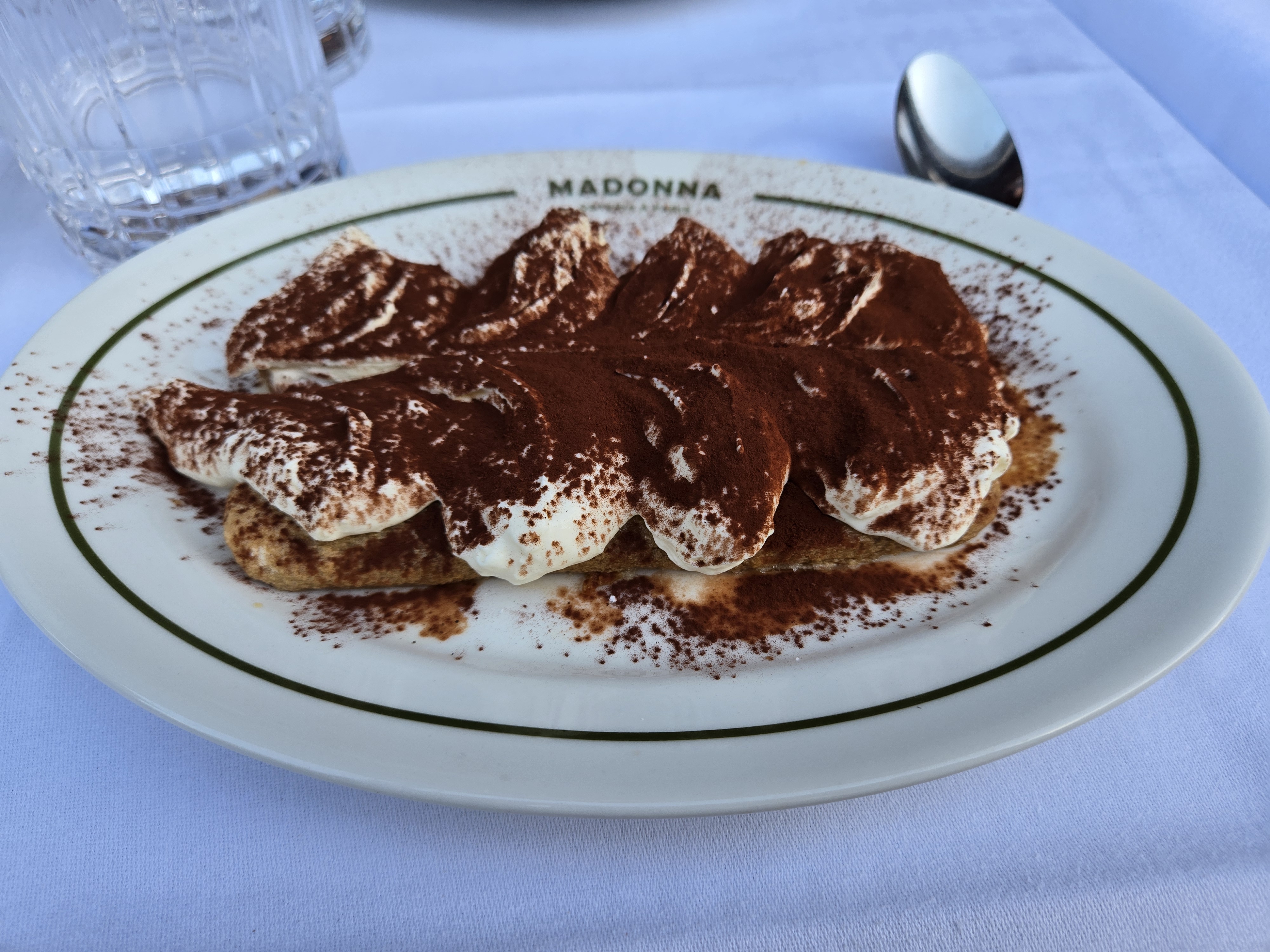
My memorable tirimisu

I also made our waiter work his magic for dessert. I ordered the tiramisu, which is prepared at the table. Two rum-soaked ladyfinger cookies arrived on a plate. He poured espresso over them, then topped them with heaps of whipped cream. A sprinkle of cocoa completed the dish. Somehow, it tasted better after having watched the process.

Looking back on our first full day in France, I am struck by the blend of history, beauty, and small delights that set the tone for our trip. From the soaring cathedrals and storied streets of Paris to the pleasures of fine cuisine, every moment offered a fresh perspective on this remarkable city. As we settled in for the night, full of good food and new experiences, we were already looking forward to the adventures still to come. France had welcomed us with open arms, and our journey was off to an unforgettable start.

Next up: Versailles and the Musee d’Orsay

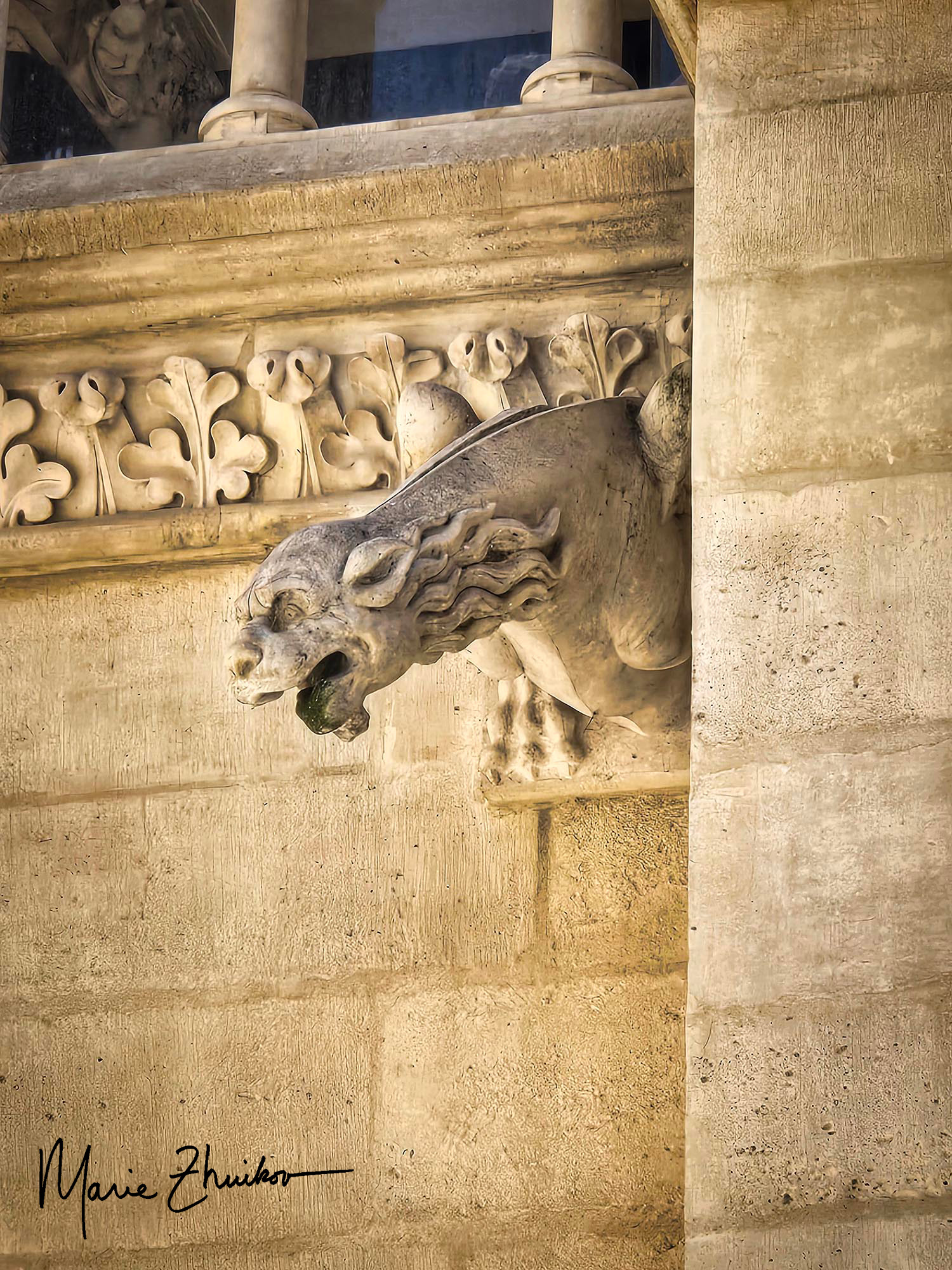
A gargoyle on Sainte-Chappelle

Returning Good Fire to the Land

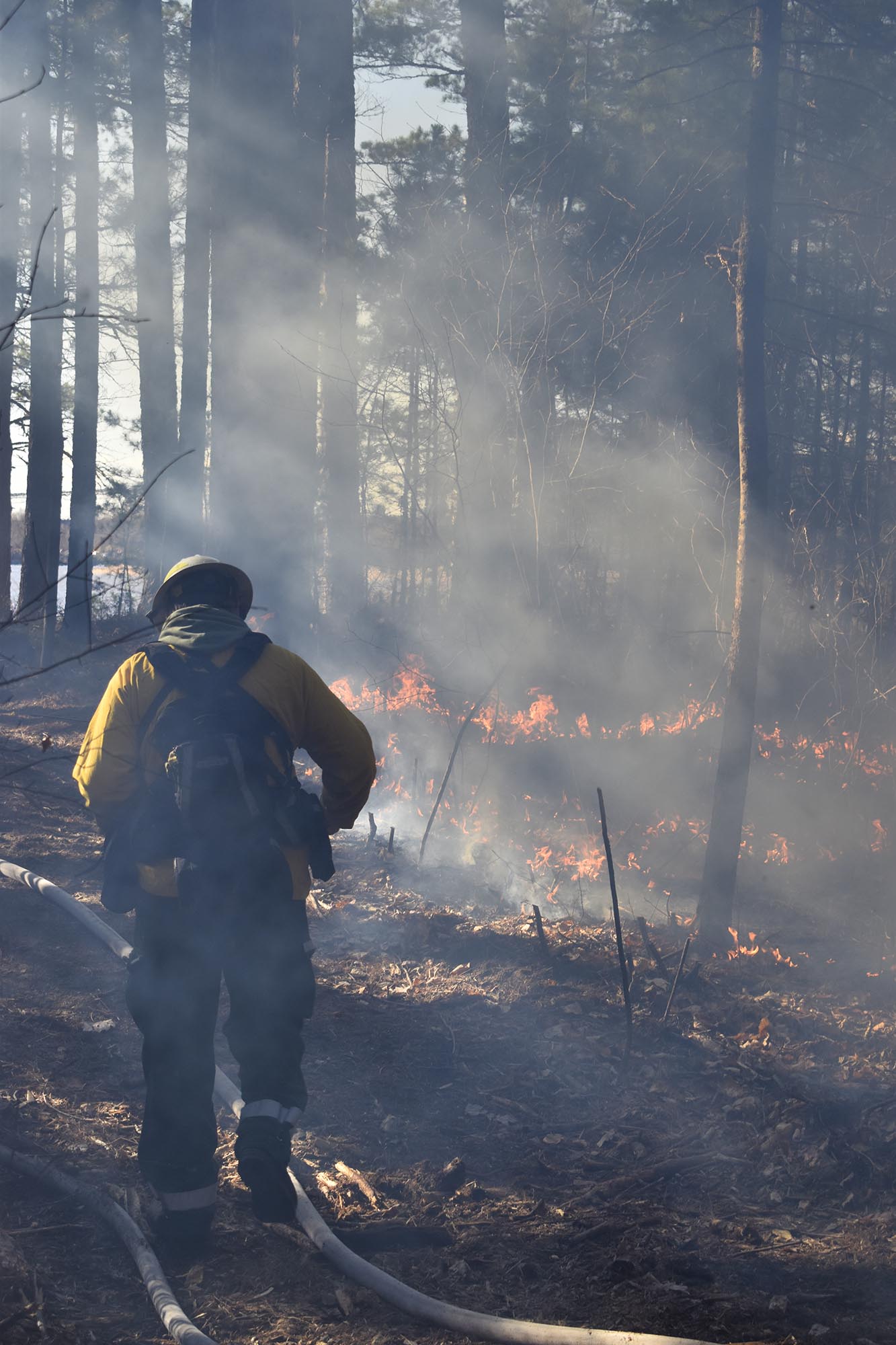
A fire crew member monitors the Nov 2025 cultural prescribed burn on Wisconsin Point.

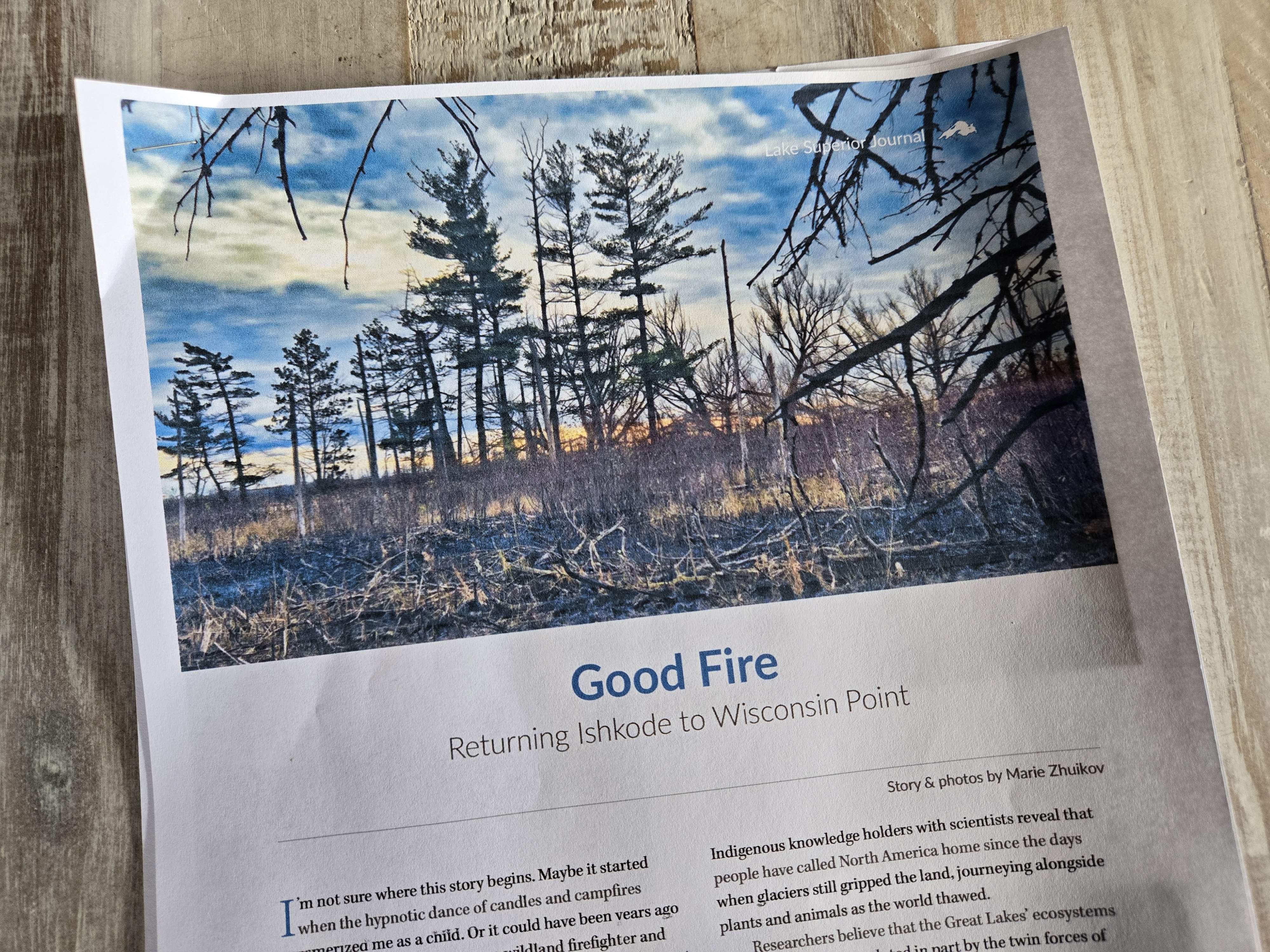
A story of mine appeared in the April/May 2026 issue of Lake Superior Magazine. It covers a project I’m involved with that’s designed to bring back the Ojibwe tradition of prescribed burning on Wisconsin Point, a long sandspit on Lake Superior. The Ojibwe once lived in the red and white pine woods there until they were moved to reservations in the mid-1800s. Before then, they would set small, controlled fires to keep brush down, encourage plants like blueberries, and help red pines sprout. They call these fires “Ishkode,” or good fire.

I first heard about this practice a few years ago while I was still working as a science communicator for Wisconsin Sea Grant. The organization funded research that studied tree rings and fire scars on Wisconsin Point and its neighboring sandspit, Minnesota Point. I reported on the project by writing articles, news releases, and producing a podcast.

Last year, a few months before I retired, I heard that the Ishkode group was looking for help with communications. I immediately volunteered, and you can read about the results in my article. I’m happy to say that last fall, Ishkode successfully returned to the point for the first time in 159 years. And nobody got hurt! More patchwork burns are planned in the future.

As a result, I was approached by a different group that’s working to bring Ojibwe fire practices back to Minnesota Point. Although the two points are separated by a short span of water, they are different politically and socially. Not only are they in different states, but Wisconsin Point is uninhabited, whereas more than 100 homes line Minnesota Point, many of which are beachfront mansions. Wisconsin Point is owned by the City of Superior and the Fond du Lac Tribe. Minnesota Point is a mix of private, city, and state Department of Natural Resources property. There’s even an airport near the end of it.

Both fire projects are led by Fond du Lac tribal members. Except for those folks and me, most of the rest of the people involved in each project are different. Because of its complexity, the Minnesota Point group is much larger (about 40 people). I began helping them this winter and finally have everyone’s names and affiliations down.

Our goal is to conduct a prescribed burn on Minnesota Point this spring. It will be the first time in 180 years that a burn has occurred there. Things are falling into place nicely, and so far, public reception has been good.

I’m happy to have a hand in returning a missing piece of the ecosystem to the shores of Lake Superior. As one of our group members said, the burns will help the choked forests breathe again. These points aren’t the only places where the Ojibwe used to burn. Evidence can be found all around the lake.

For more information, check out my article in the print version of the magazine, or check the Wisconsin Point Ishkode webpage.

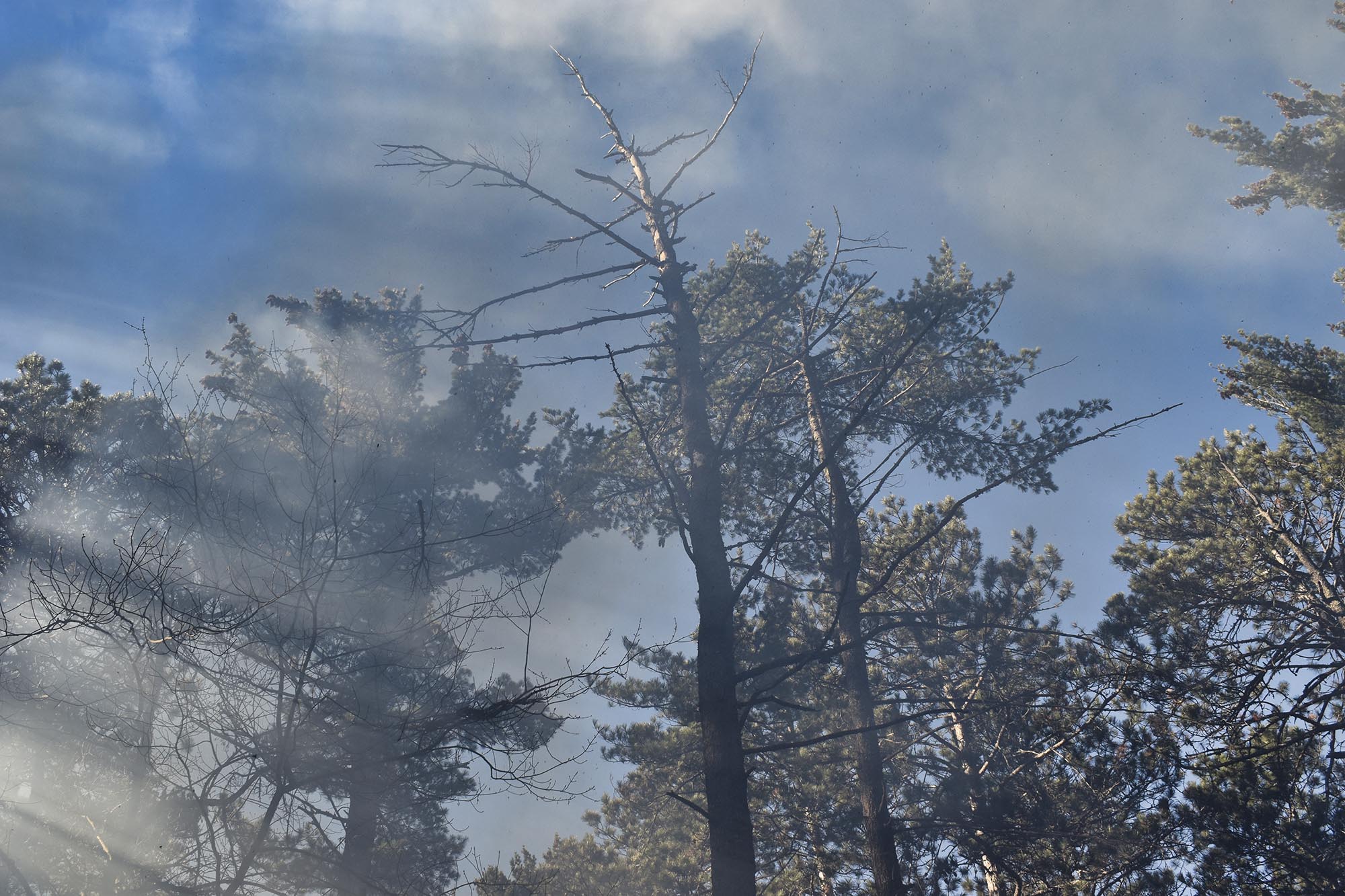
Smoke from the prescribed fire drifts through the pines on Wisconsin Point. The fire will help the beleaguered red pine population regenerate.

She Sings Sea Shanties Down by the Shore

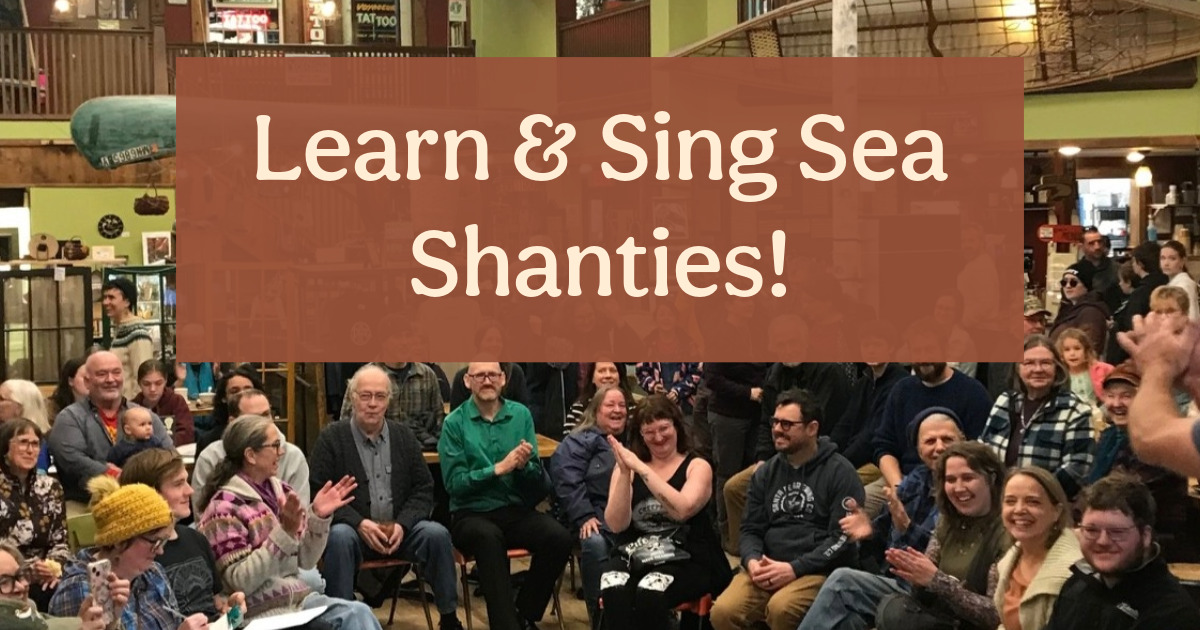
The Duluth, Minnesota, All Hands sea shanty group. Image courtesy of the Duluth Folk School.

At the end of 2025, a Duluthian named Paul Webster revived a sea shanty singing group in town. The group originally began during COVID when a bunch of friends (around 10) would gather outside in parking lots and sing together (to allow for social distancing, etc.) As conditions improved, the group disbanded, but Paul wanted to breathe life back into it.

In a story in Northern Wilds magazine, Paul said, “We realized there are not enough places around Duluth where adults can make music together in a casual, informal way.” He and the other founders of the group partnered with the Duluth Folk School to hold singing sessions every first and third Sunday afternoon (3 – 4 p.m.), where people can explore the stories behind the music as well as sing.

Before the first session, the local newspaper did a story about the gathering. That, and perhaps the maritime history of our area, led to a turnout of over one hundred people! I was one of those people. Besides, it just sounded like a stupidly fun thing to do on a Sunday afternoon, I am familiar with many shanties from my time on the Audubon Expedition Institute. While we were traveling around North America on a yellow school bus learning about environmental issues, we often sang shanties to pass the time. I missed that and welcomed this opportunity to revisit my past. It’s also a nod to my Maine privateer ancestors.

Paul seemed a bit overwhelmed by the large turnout, which has not diminished as the sessions continued. Jumping from 10 to 100 people is a big leap! I think it indicates he found the right audience through the folk school and is meeting a pent-up demand for socialization.

At the first meeting, Paul asked for ideas for a group name. We ended up voting in “All Hands,” which I love because it’s inclusive and is the same name we used to call our staff meetings at Wisconsin Sea Grant, where I used to work.

As the name implies, all are welcome to the sessions. There’s no cost, although a donation basket is passed during the sessions. Singing is optional, but I don’t know how a person could resist joining these catchy working and drinking songs. The school’s café is open during the sessions, so people can have refreshments while they sing. I recommend their hard cider.

Sea shanties (American) or chanties (British) are a genre of traditional folk songs that aided in the timing of various tasks on sea-faring vessels. Many reference a task at hand or life at sea, including missing loved ones or dangers of the job. Some of my favorites are “Barrett’s Privateers,” “Leave Her Johnny,” and “Rolling Down to Old Maui.” People take turns leading the shanties, but Paul leads most. People can suggest their favorite shanties, as well. I’m hoping we get nimble enough as a group to sing “Hoist up the Thing,” someday (a comical modern shanty about a know-nothing captain).

I haven’t missed a session since they began. Ironically, I’m missing one today because Russ and I are going to a concert. But I’ll be at the next session, fate willing. I feel good after singing and it’s something fun to do during the bleak midwinter. The songs offer a good perspective on hardships, both historical and present.

Reflecting on my experience with this group, I am struck by how music can transform a simple gathering into a source of strength and belonging. Singing together, whether with friends or strangers, reminds me that even in challenging times, we can find joy, solidarity, and shared purpose. As our voices blend in harmony, the tradition of sea shanties continues to connect us not just to the past, but to each other.

Connecting with Family History in Guilford, Maine

The Piscataquis River in Guilford at sunset.

As you may recall, for our epic New England Road Trip, in October Russ and I flew from our home in Duluth, Minnesota, to New York to visit Russ’s family members there and in Connecticut, and then drove north, exploring sites connected with my mother’s ancestors. Guilford, in the Maine Highlands, was the culmination of our trip and was the spot I’d been wanting to visit for over 15 years, ever since I did an internet search on my Herring ancestors and discovered that Robert Herring (my great-grandfather to the fifth power on my mother’s side) was one of the founders of Guilford.

As if that weren’t enough, Guilford was the original home of the Burt’s Bees brand of personal care products infused with honey and beeswax. That company has since moved away and changed owners. Now, Guilford is home to a company that makes many of those cotton-tipped nose swabs that we all became too familiar with during the COVID epidemic.

Back when I made my discovery fifteen years ago, I was so excited that I wrote a history about Gilford’s founding and sent it to their historical society. I see that it has since ended up in the University of Maine’s Digital Commons! (“Early Town History: A Tale of Three Roberts.”)

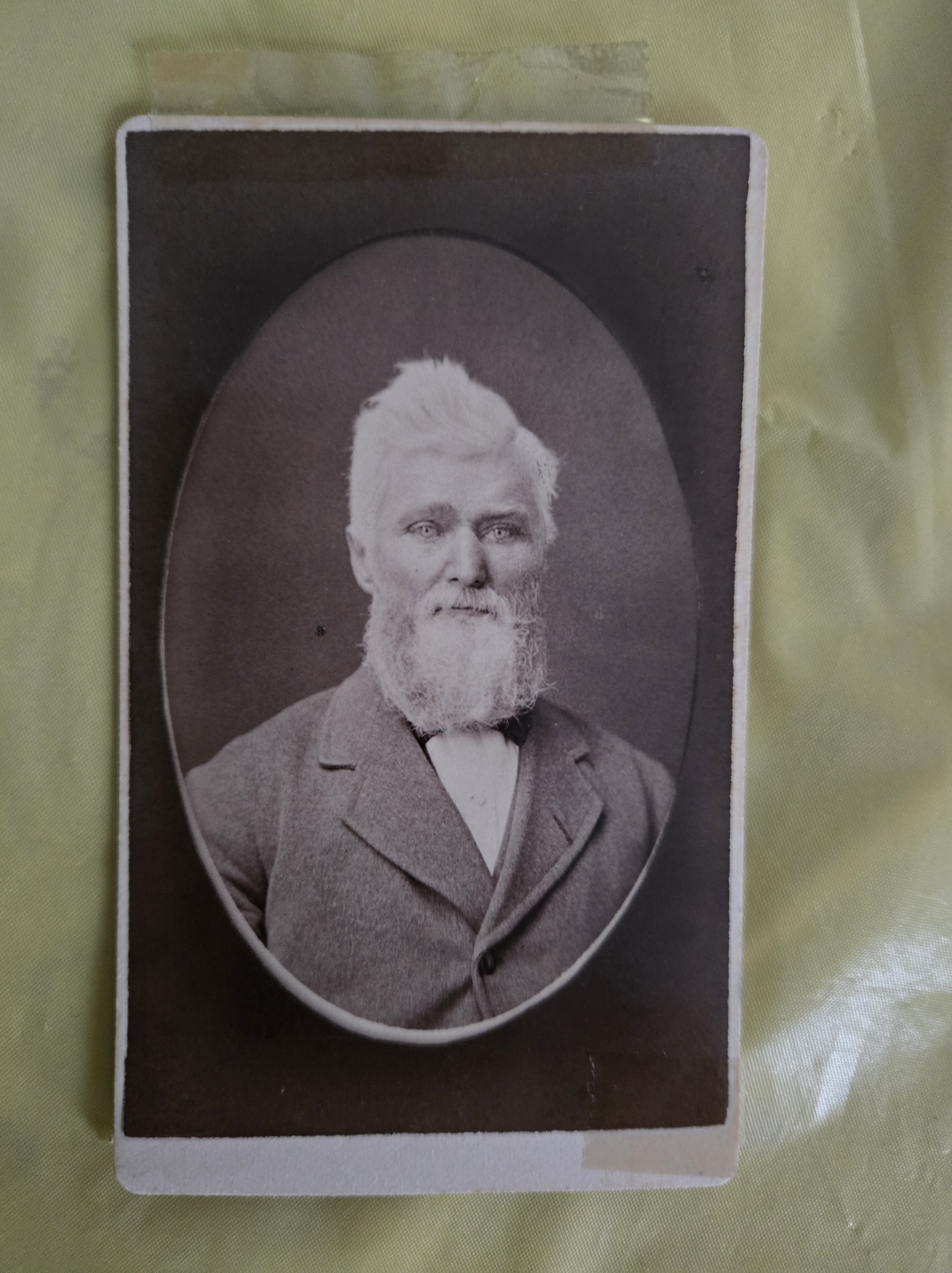
A photo of Robert Herring. On the back, it says “Robert Herring the 1st,” so I assume this is Benjamin Herring’s son Robert, who was the privateer-turned- deacon. The photo was taken in nearby Dover, Maine. (Now known as Dover-Foxcroft.)

Privateers and a Deacon

My mother and her sisters compiled an extensive genealogy for our family before the era of computers. In it, they documented Robert Herring, his father Benjamin Herring, who was born in Gloucester, Massachusetts, in 1727, and his father Robert Herring, who immigrated from England in the early 1700s. But my mother and her sisters didn’t know about the family’s role in founding Guilford.

I found these ancestors interesting because Benjamin Herring was a Revolutionary War privateer who was buried at sea off Cape Sable Island, Nova Scotia. According to info I found on Wiki-Tree, Benjamin was the captain, and his ship’s name was the Princeton. His son Robert was also a privateer, but according to research by one of my California cousins, he gave up that life, became a deacon in the Baptist Church, and headed inland with his cousin Robert Low to found Guilford. Robert Herring’s son, Robert Lowe Herring, and his family followed soon after.

(There’s some question about whether there was an “e” on the end of Robert Low’s name. I’m leaving it off to minimize confusion with Robert Lowe Herring. But I’m pretty sure that RLH is named after his relative Robert Low.)

Brian and Cindy Woodworth.

I let the Guilford Historical Society know about our trip, and their president and treasurer, Brian and Cindy Woodworth, were good enough to notify other Herring relatives and to open the museum for us during our two-day stay.

Before our museum visit, we had a delightful chat with some cousins, who are related to the original Bennett settlers of Guilford and to the Herrings. We met at the Guilford Bed and Breakfast, where we were staying. They gave me copies of helpful information about the Herrings and privateers.

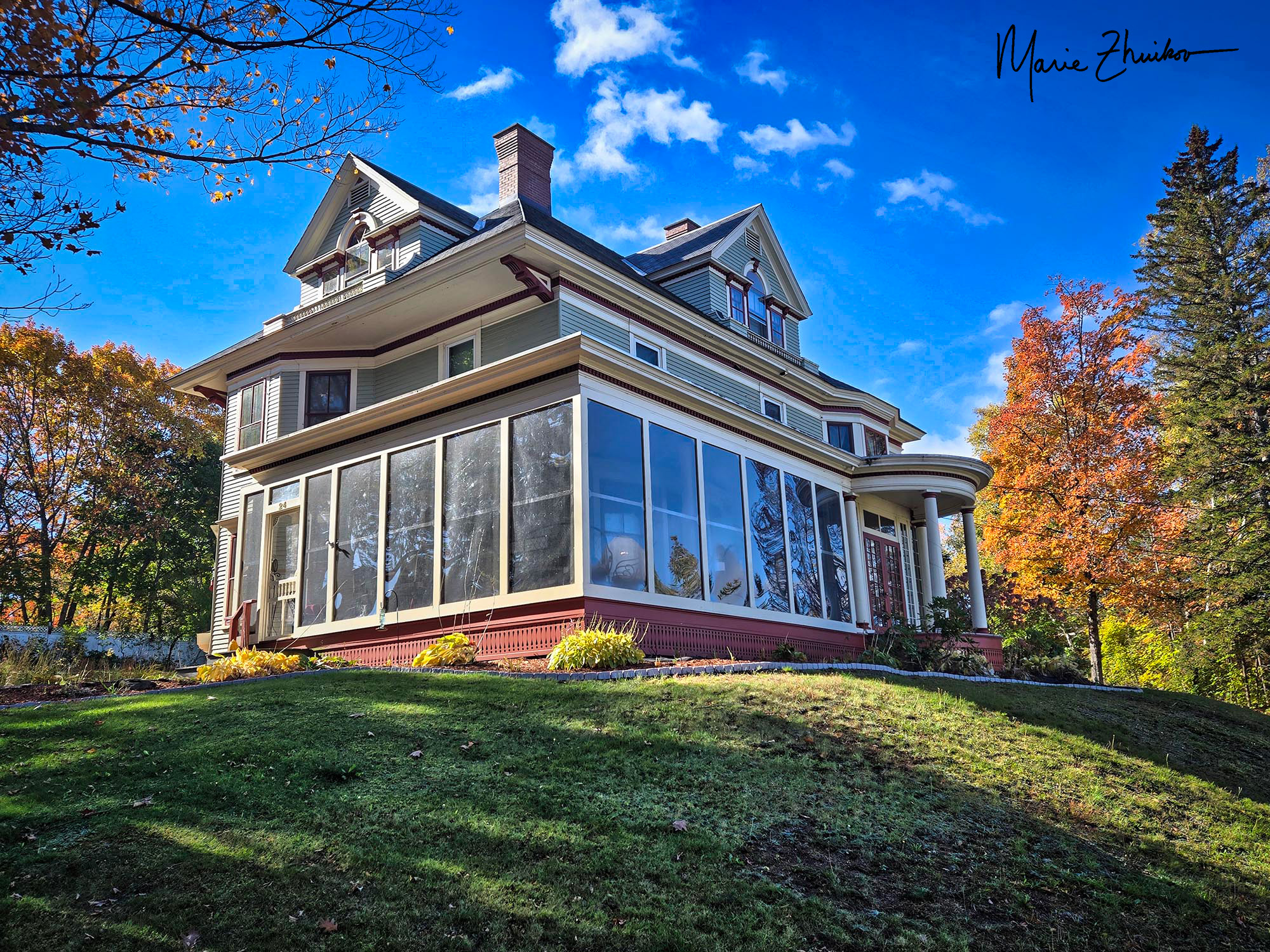
By the way, if you ever stay in Guilford, the Bed and Breakfast is the place to go! The colonial Victorian is run by John and Lisa McNamara, new transplants from Georgia. They’re also active members of the historical society and the community. They spoiled us with homemade gourmet breakfasts made to order. In the evenings, we enjoyed a cocktail in the inn’s Hummingbird Lounge when we weren’t curled up with a book in front of the library fireplace.

The Guilford Bed and Breakfast

We ate other meals at the Red Maple Inn. If you want a taste of “real backwoods Maine” and superb service, that’s the place!

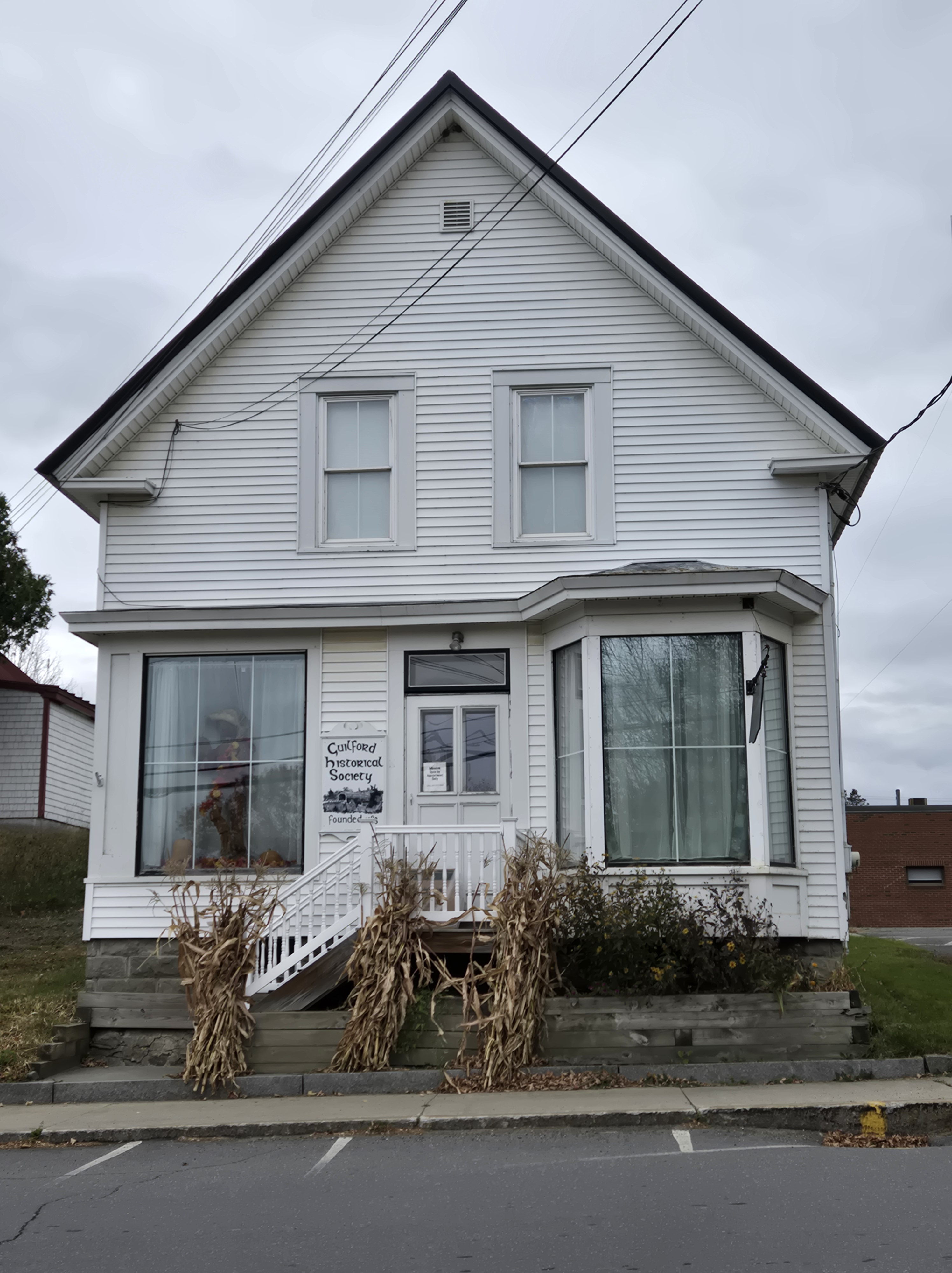
Guilford Historical Society Museum

During our museum visit with Brian and Cindy, we were excited to meet a Herring cousin. She and I compared genealogical charts and figured out how we might be related. We were also happy to see the “mother’s chair” at the museum. When Robert Lowe Herring brought his family from New Gloucester, Maine, to Guilford via ox cart, this was the chair his wife, Mary (Polly) Wagg, sat on for the week-long trip. The chair was then passed down through the family and later donated to the historical society. I got to actually touch this piece of history!

The Herring “Mother’s Chair”

My newfound cousin showed us Herring photos that I had not seen before. Afterward, she drove with us to the cemetery in town and showed us where some Herring graves were located. Then we parted. Russ and I drove to Guilford Center and toured the cemetery and Baptist church there. This is where the family first settled. We also drove across Lowe’s Bridge, a covered bridge named after Robert Low), and past Herring Brothers Meats store, which the family owns. We even took a walk along the Piscataquis River where Robert Lowe Herring built a sawmill. (I learned the hard way from locals that the river’s name is pronounced pis-CAT-a-qwis not PIS-cat-a-qwis.)

Lowe’s Bridge in Guilford. It’s been rebuilt a time or two due to flooding.

Both Robert Lowe Herring and his father had eleven children each. Robert Lowe Herring died in 1847, about a year after from the heartbreak of seeing his youngest son, Alvin, die in a tree-felling accident.

Historical accounts (Sprague’s Journal of Maine History) say that Robert Lowe Herring was “well-fitted for pioneer work. Robust in mind and body, no combination of obstacles and hard labor changed his course once he determined upon the accomplishment of a certain purpose. He enjoyed overcoming difficulties-the greater they were, the greater his satisfaction when they were surmounted. The sight of suffering, in man or beast, moved him to tears. No one was ever turned from his door unwarmed or unfed. No neighbor in difficulty or distress ever appealed to him in vain for aid.”

I found another good story about Robert Lowe Herring in the History of Piscataquis County. It involves his neighbor, Ephriam Andrews. This poor neighbor was “afflicted with a morbid and partially insane state of mind . . . Although surrounded with good neighbors, he would drive his plow team all day with an axe on his shoulder, fearing that some of them would take his life.” Ephriam was a Revolutionary War veteran, so it could be that his mental health issues stemmed from that experience.

Ephriam’s sons regarded him as dangerous. They “prepared a small cage and shut him in. But he was marvelously ingenious in contriving and making escapes. They would capture him and force him back, and this would aggravate his insanity and rage.”

The breaking point came one spring in 1814 when Ephriam escaped. His sons surrounded him, trying to recage him. “He had armed himself with a small axe, and brandishing it, bade them stand off at their peril. But his youngest son, Samuel, then about fourteen years old, not believing that he would strike, daringly pressed up. The enraged father struck him a full blow in the face with the edge of the axe – nearly a fatal stroke.”

Ephriam was then jailed. His son recovered but carried an ugly scar the rest of his life. After being released from jail, Ephriam’s wife left him. The one person he seemed to trust was Robert Lowe Herring. Ephriam gave him all his property, and Robert let him live with him and his family. The arrangement seemed to work.

“There he had a good home, lived in listless ease, and sought his own entertainments. . . He died suddenly on his ninetieth birthday in Mr. Herring’s house.”

Can you imagine having a would-be axe murderer living in your house?! It says a lot about Robert’s character that Ephriam trusted him and that no more physical harm ensued, even though Ephriam’s “evil spirit would at times return.”

Ancient Family History

One of my Guilford cousins directed me to a book in the museum (Connor Genealogy) that contained information about Herring ancient history. This info was compiled by Menzies Herring, a family genealogist who lived in Massachusetts years ago, and Jerome Campbell Herring. Menzies used to mail questionnaires to Herring relatives across the country and perhaps that’s where he learned the history. 

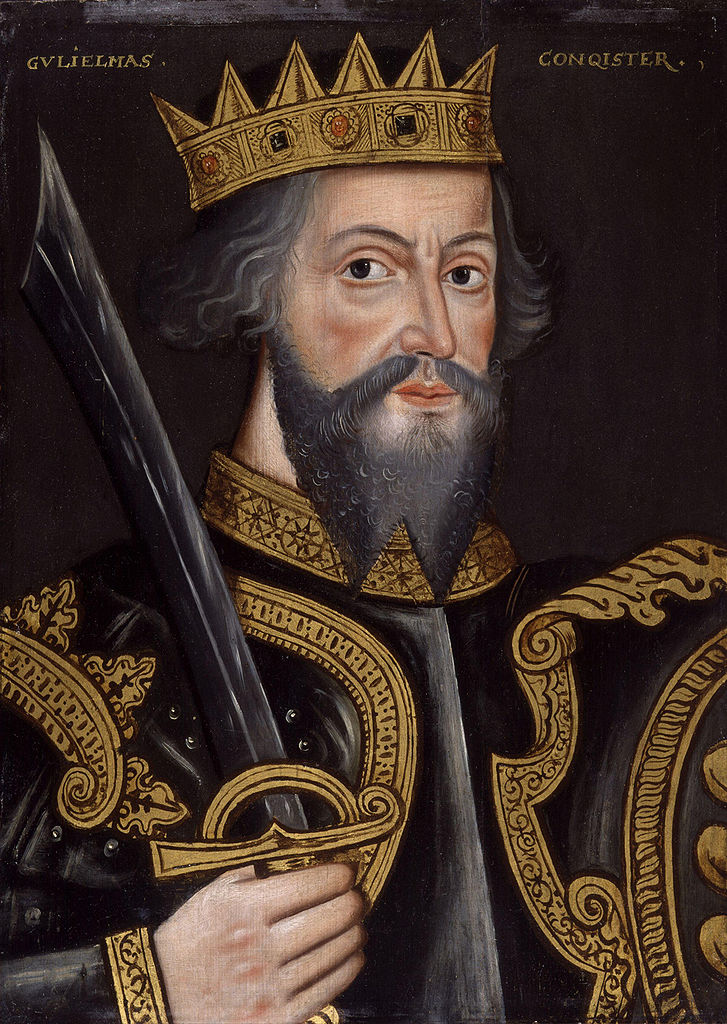
William the Conqueror image courtesy of History on the Net.

The family supposedly originated in Denmark. (My note: possibly in a town with a name that sounds like “herring,” which could either be Herning or Hjørring). They became Viking raiders and eventually settled in Normandy. A Herring ancestor was a “commander” in the Norman Navy under Rollo, the Norman chief who became the first Duke of Normandy. As such, this Herring was given the Norman title of Viscount. Generations later, another Viscount Herring supported William the Conqueror, who sailed from Normandy and overthrew the English King Harold II during the Battle of Hastings in 1066. Viscount Herring then remained in England to help William hold onto his new kingdom. He was then given the English title of Baronet.

That’s where the ancient history stops. It agrees with my genetic testing, which indicates Nordic ancestry in the distant past and then more recent ancestry from France and the British Isles. In recent research, I have found a number of Herrings on the British Peerage website; however, it appears that the records only go back to the early 1600s. These Herrings are associated with Lambeth Palace in London, and one Herring (Thomas Edward) was even the Archbishop of Canterbury (head of the church in England). Looks like I’ll need to do some sleuthing!

The Herrings in Minnesota

Getting back to the Maine Herrings, my branch of them ended up in Minnesota after Robert Lowe Herring’s daughter, Charlotte, married William Weymouth. They migrated with their daughter, Olive, to Ripon, Wisconsin, perhaps for the opportunity of timber or their own farmland. Olive married a Mainer named John Andrew Potter, and they were one of the pioneer founding families of Springfield, Minnesota, where my mother was born a few generations later. The family was known for their Hereford cattle breeding operation, and they owned the Potter Stockyards in Springfield.

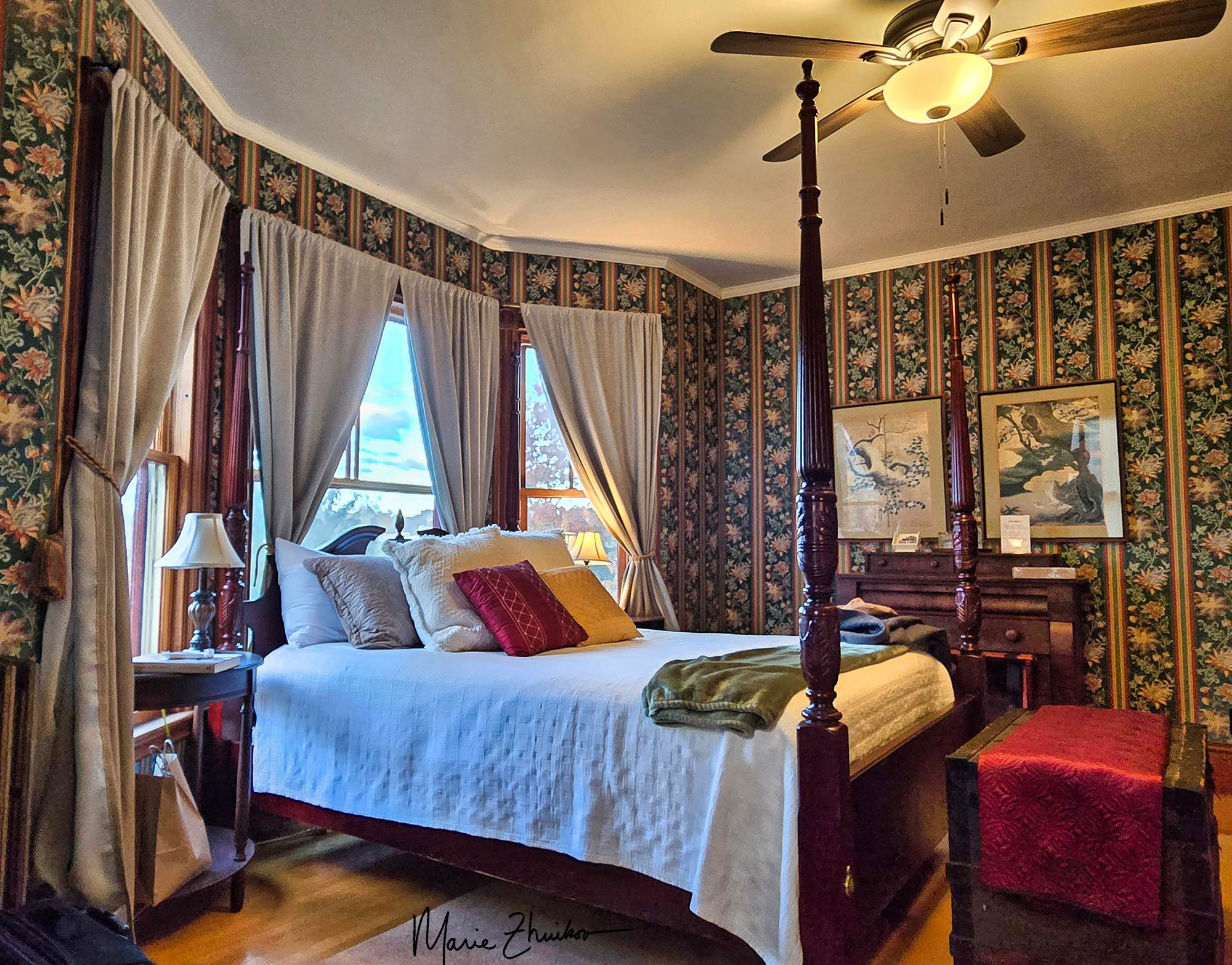
Our bedroom at the Guilford Bed and Breakfast

I don’t know if we’ll ever have the chance to return to Guilford, but I was so thankful for this opportunity to connect more with my family’s history and to meet “new” relatives. After two days in Guilford, we drove to Bangor and then flew home. This eleven-day trip was epic on so many levels, and I’m a different person because of it.

Conclusion

I felt the most “at home” in Maine. That’s probably because the landscape is similar to Minnesota’s. It’s wilder and has more “natural” nature than states like Connecticut or Vermont. The land just “is” and doesn’t seem like it’s been specially preserved as natural. However, Maine and its kind people have a hardscrabble existence. Piscataquis County has the least densely populated area in Maine, just over 17,000 people (only 3.9 people per square mile), although it’s the size of Connecticut. Social challenges like drugs and poverty show in the houses and the people. There’s an underlying feel that the state is more like one portrayed in a Stephen King novel than a cozy seaside mystery novel.

I enjoyed reconnecting with Russ’s relatives and seeing sites related to his family. He feels a bit bad that his family didn’t found a bunch of towns like mine did, but I remind him that my ancestors made it here about a hundred years earlier than his. There were more opportunities to found towns then.

Seeing the sites involved in the beginning of our country has driven home the values that went into the conflicts. I’ve vowed to do what I can to uphold those values and continue the legacies my ancestors began.

This trip also brought a whole new meaning to my traditional holiday dish of pickled herring. (For some strange reason, Russ doesn’t share my delight in this culinary delicacy.) I have an enhanced appreciation for it now that I know more about my Herring ancestors.

That’s it. The trip’s done, finally! But the effects will reverberate for years to come, I’m sure.

The Guilford Historical Society Museum

Camel’s Hump Mountain and the von Trapp Family Lodge, Vermont

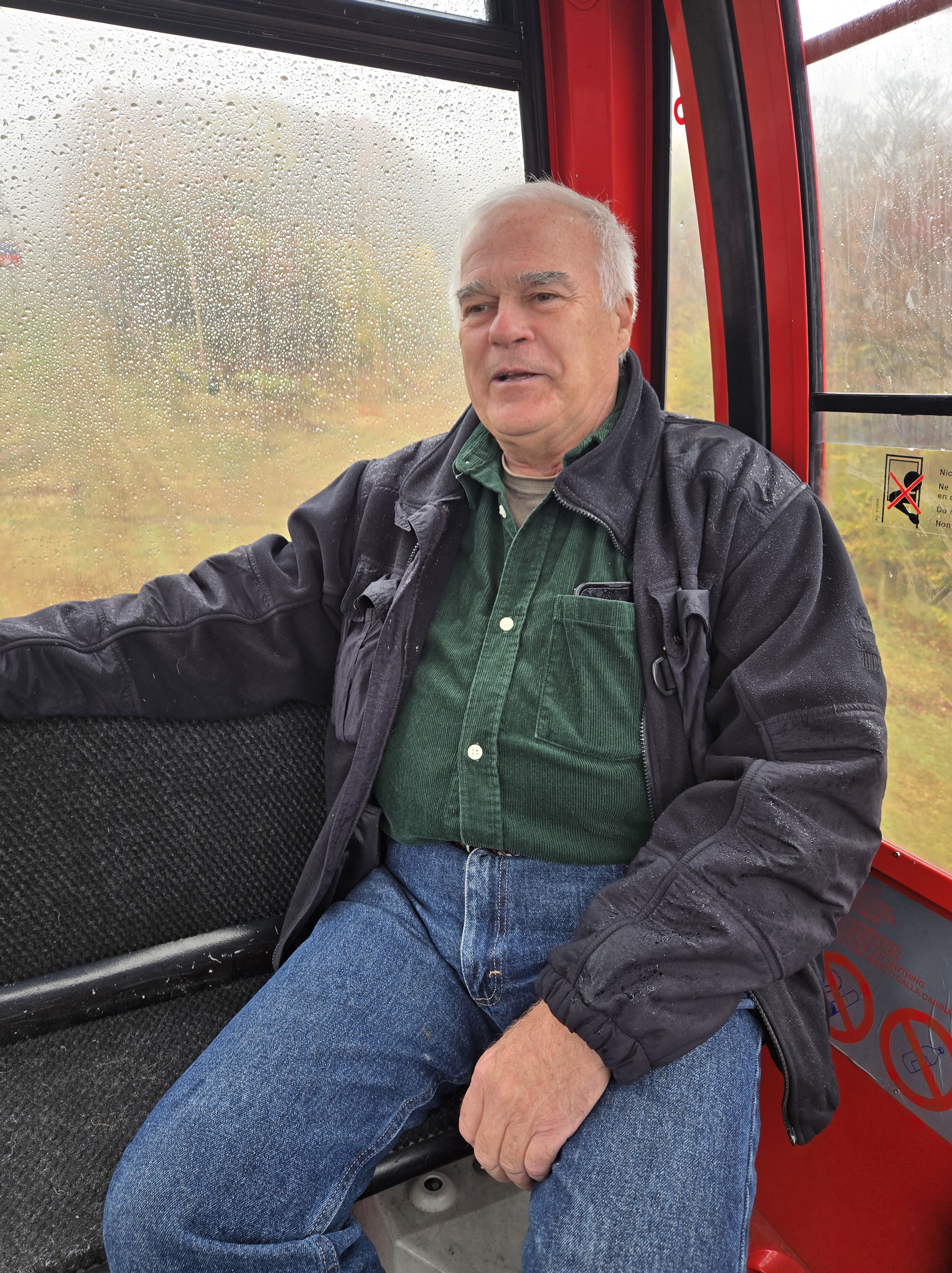
Historian Brian Lindner. He treated us to lunch at the top of Mount Mansfield. Here, he’s in a ski hill gondola on the rainy way up to the restaurant.

The same day back in October when we toured the Ben and Jerry’s Ice Cream Factory in Waterbury, Vermont, (previous post) Russ and I were chauffeured around town by local historian Brian Lindner. Brian has spent decades researching a World War II bomber training crash that my uncle David Potter died in near the summit of a local mountain named Camel’s Hump. (It’s really shaped like the back of a camel!) Although the crash took place in 1944, parts of the plane still lie in the bush on the mountainside.

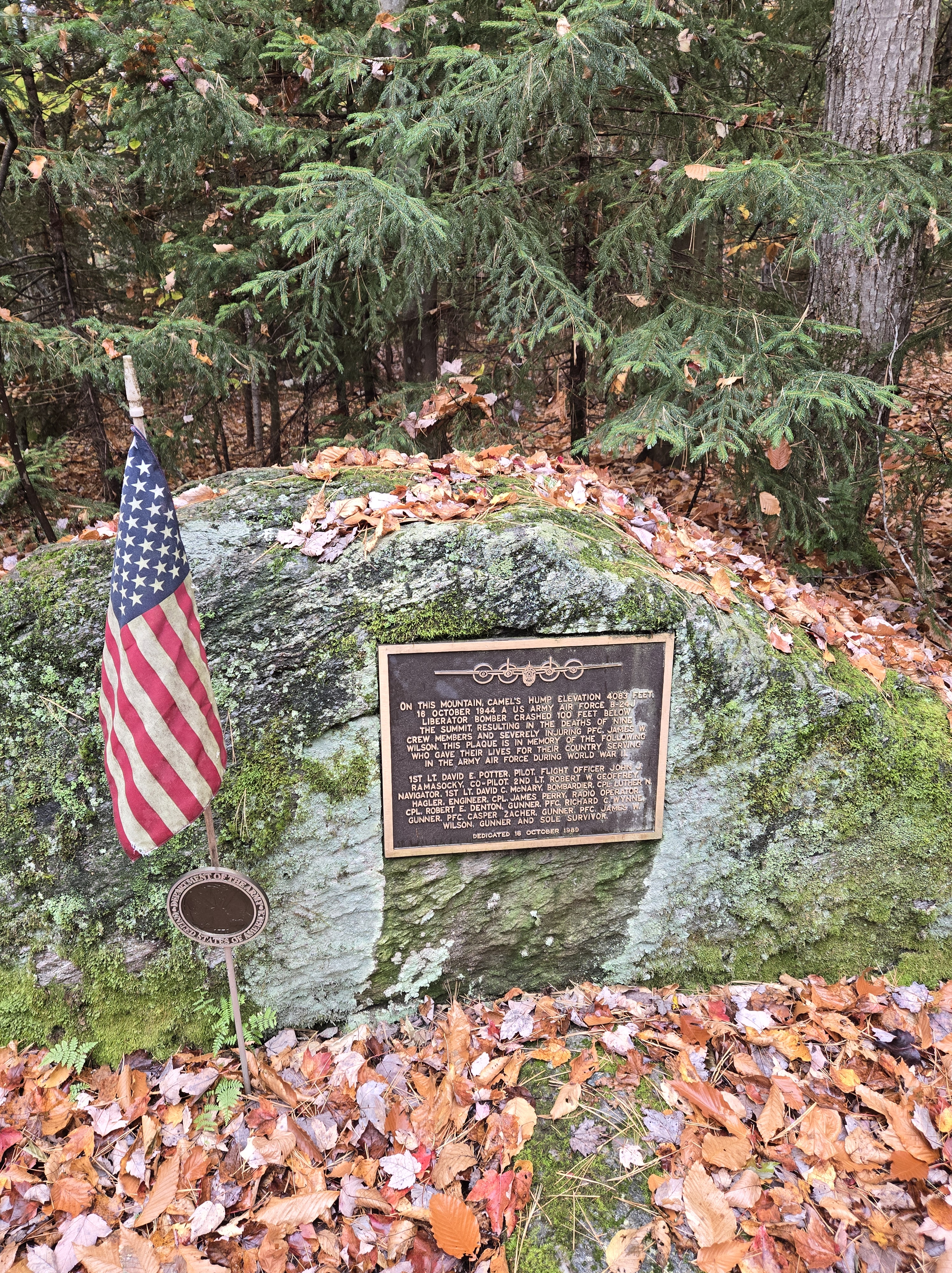
Originally, we planned to hike up to the crash site with Brian’s guidance, but a steady light rain scrapped those plans. With my luck, I’d break an ankle again like I did in Scotland in 2024. Instead, we opted for a tour in Brian’s Jeep around town to see sites associated with the people who helped with the rescue operation. Then he drove us to the base of the mountain so we could view the commemorative plaque he had installed on a rock at the trailhead.

If you’re interested in the crash, you can read more about it in a two-part series I wrote last year: Part 1, Part 2.

The Camel’s Hump Mountain plane crash plaque.

While we were touring the area, I felt like I was in a Steven Spielberg war film. Seeing the historic places in the town and at the base of the mountain played like a movie in my mind. Standing in the colorful, damp fall foliage, we read the inscription on the plaque that listed the names of the dead. I felt an overwhelming sense of peace. If my uncle had to die somewhere, perhaps a quick death at night on a mountainside wasn’t as bad as a violent death on a battlefield.

Brian grew up in Stowe on the grounds of the ski hill at Mount Mansfield. He’s worked on the ski patrol there for years, and as a historian for the hill and National Life Company in Montpelier.

As he drove us around, he kept waving to people as we passed. We thought he must know everyone, but then he explained it’s a Jeep “thing.” People who own Jeeps wave to each other in solidarity. It’s also a thing to bedeck the dashboard of Jeeps with rubber duckies. He wasn’t sure why, but it was awfully cute. Since I’ve returned home to Minnesota, I’ve seen a few Jeeps with rubber duckies on the dash, so apparently, it’s a thing even here.

The man knows everything about the area, and we felt fortunate to benefit from his expertise. He’s been a friend of our family for years, but this was the first chance I had to meet him in person.

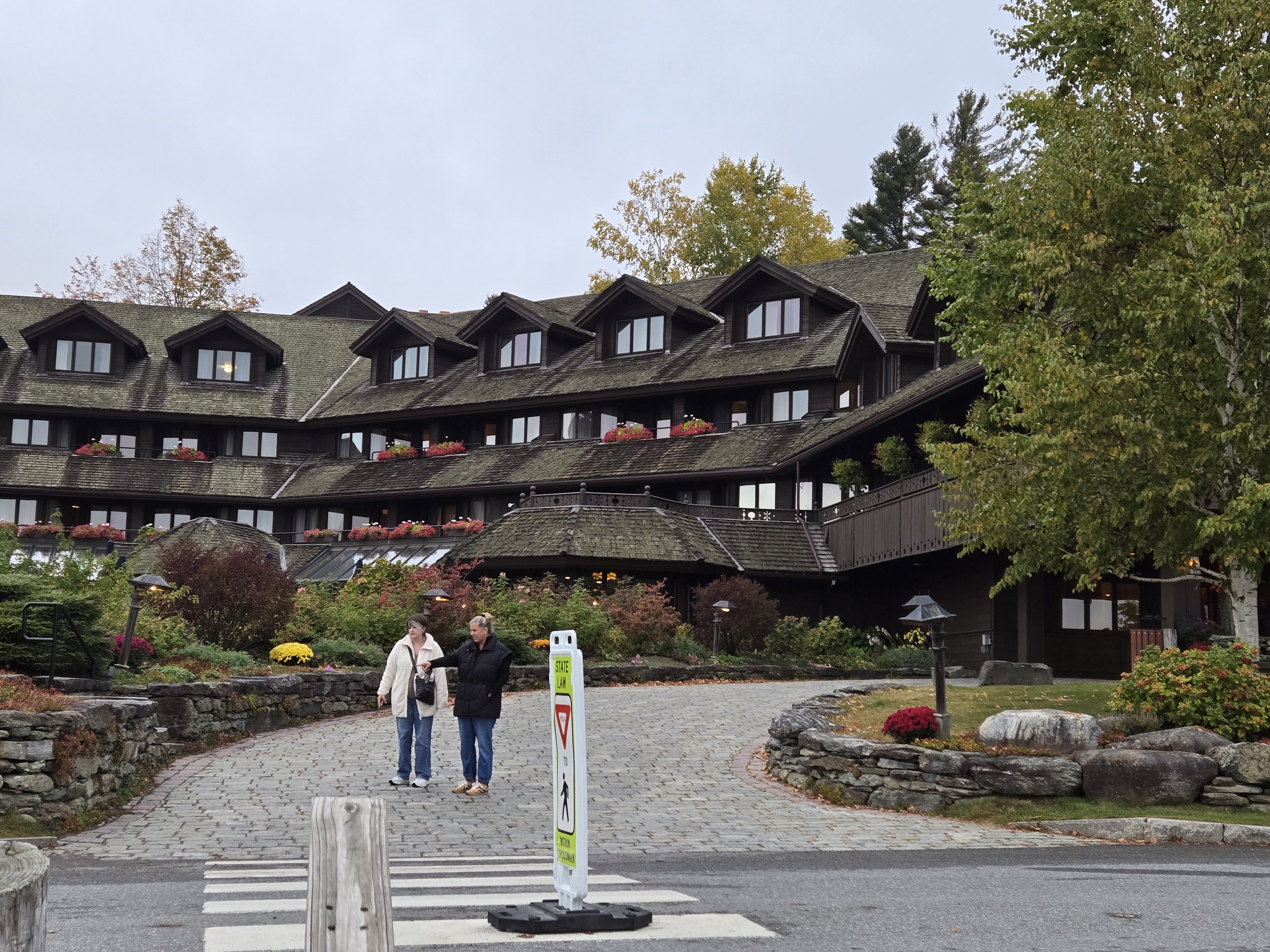
The von Trapp Family Lodge and Resort

That evening, we ticked off another must-do experience: dinner at the von Trapp Family Lodge and Resort. If you’ve ever seen The Sound of Music movie, you know the von Trapp Family story. (It was the first movie I ever saw in a theater as a child.) When the family escaped Austria, they immigrated to the U.S. and settled near Stowe because the landscape and lifestyle reminded them of home. They’ve owned the land since 1942, began welcoming guests in 1950, and the family still runs the resort.

My quail dinner and lingonberry spritz.

We couldn’t afford to stay at the lodge, and timing wouldn’t allow us to partake in any of the special guest experiences they offer, but we could manage dinner. We made our reservations for their main dining hall a few weeks beforehand. They serve Austrian- and Vermont-themed farm-to-table foods. Russ had the Wiener schnitzel. I ordered a wild game dinner that featured venison and quail. However, they were out of venison, so I got two quail instead! To drink, I had a lingonberry spritz. For dessert, Russ had carrot cake, and I had chocolate mousse with hazelnuts. Everything was divine, and our waiter was attentive.

Because Disney owns the rights to the Sound of Music movie, the lodge can’t display any of that paraphernalia. But to me, that made the dining experience more authentic. The lodge is the family’s, and the surroundings celebrate their special heritage.

We ended our day with brains and stomachs pleasantly stuffed with Vermont history.

Next up: The Lost Kitchen, Freedom, Maine

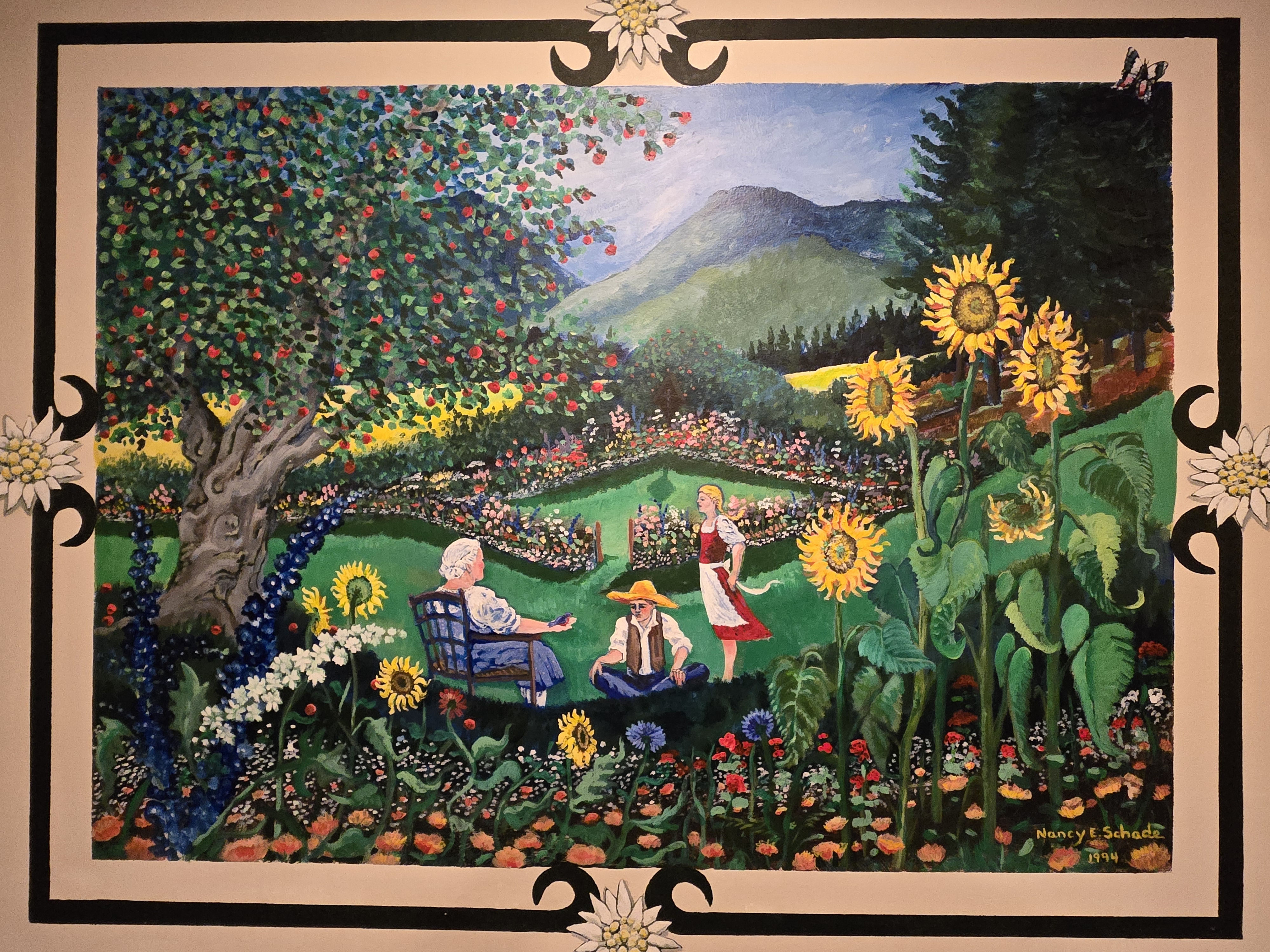
A painting in the von Trapp Family Lodge and Resort.

My Connection to the Battle of Lexington

The famous Minute Man Statue on the Lexington Battle Green. It’s in honor of one of my relatives, John Parker.

I became sidetracked from writing about our Epic New England Road Trip by my previous PSA post about author scams, but now I’m back on the road, so to speak. Our next stop was Lexington, Massachusetts. A few years ago, I discovered that one of my relatives was Captain John Parker, who was the head of the Lexington militia during the battle when the Revolutionary War began on April 19, 1775.

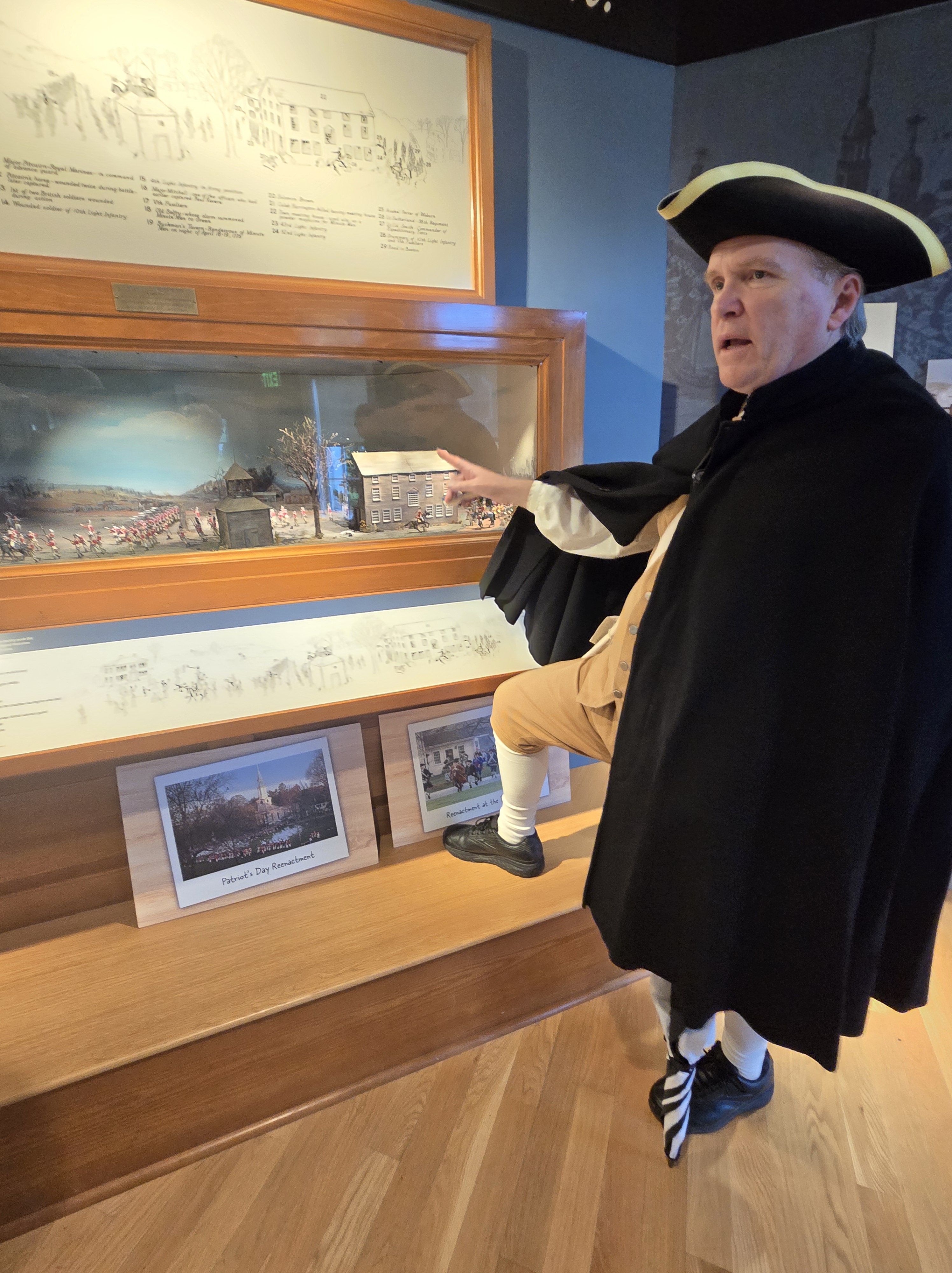
We booked a private walking tour of the Lexington Green from the Lexington Visitors Center, which is located near the green. As our costumed guide led us on our tour in light rain, he made sure we understood that the Americans who fought in the battle weren’t actual minutemen, as is often said. Minutemen were highly trained; the people who fought on the historic green were militia – more like regular folks with weapons. The term minutemen had more cachet, so I guess those references are a historic case of propaganda.

Our tour guide shows us the diorama of the Battle of Lexington that resides in the Lexington Visitors Center.

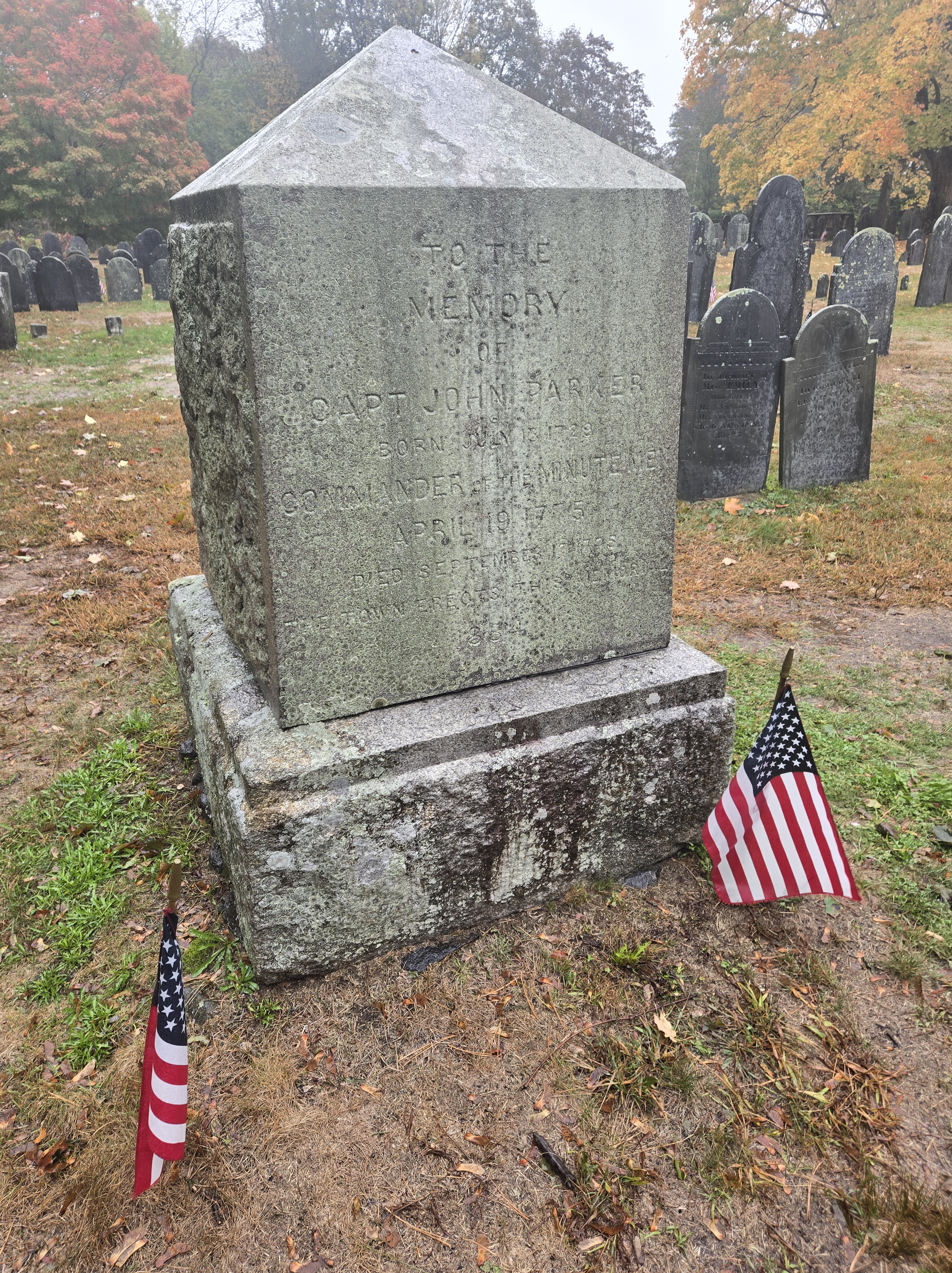
He led us to the Minuteman statue, which is modeled after John Parker. Our guide said that Parker was a wheelwright and farmer who was in his 40s and suffered from tuberculosis. He lived only a few more months after the battle. In contrast, the statue depicts a young, healthy man in his 20s or 30s. Yet another form of propaganda, but maybe Parker wouldn’t have minded this more robust version of himself??

John Parker’s cousin Jonas was killed in the battle, along with 7 others who are buried on the green. A quarter of the Lexington militiamen were related to Parker by blood or were his in-laws. At least one of the houses near the green still has a bullet hole in the door from the battle. Our guide said the door is preserved for the history it shows.

John’s famous quote, “Stand your ground. Don’t fire unless fired upon. But if they mean to have a war, let it begin here,” is inscribed on a boulder near where the militia stood during the battle on the green.

Information about the battle itself is plentiful on the web, so I won’t go into it here. A good source is the National Archives, which offers a short slideshow with an overview of the Battle of Lexington and Concord. The main thing is that those involved didn’t realize the significance of their actions. It was the beginning of the American Revolution, which later inspired the revolutions in France and Russia. The gunfire on the Lexington Battle Green was truly the “shots heard ’round’ the world!”

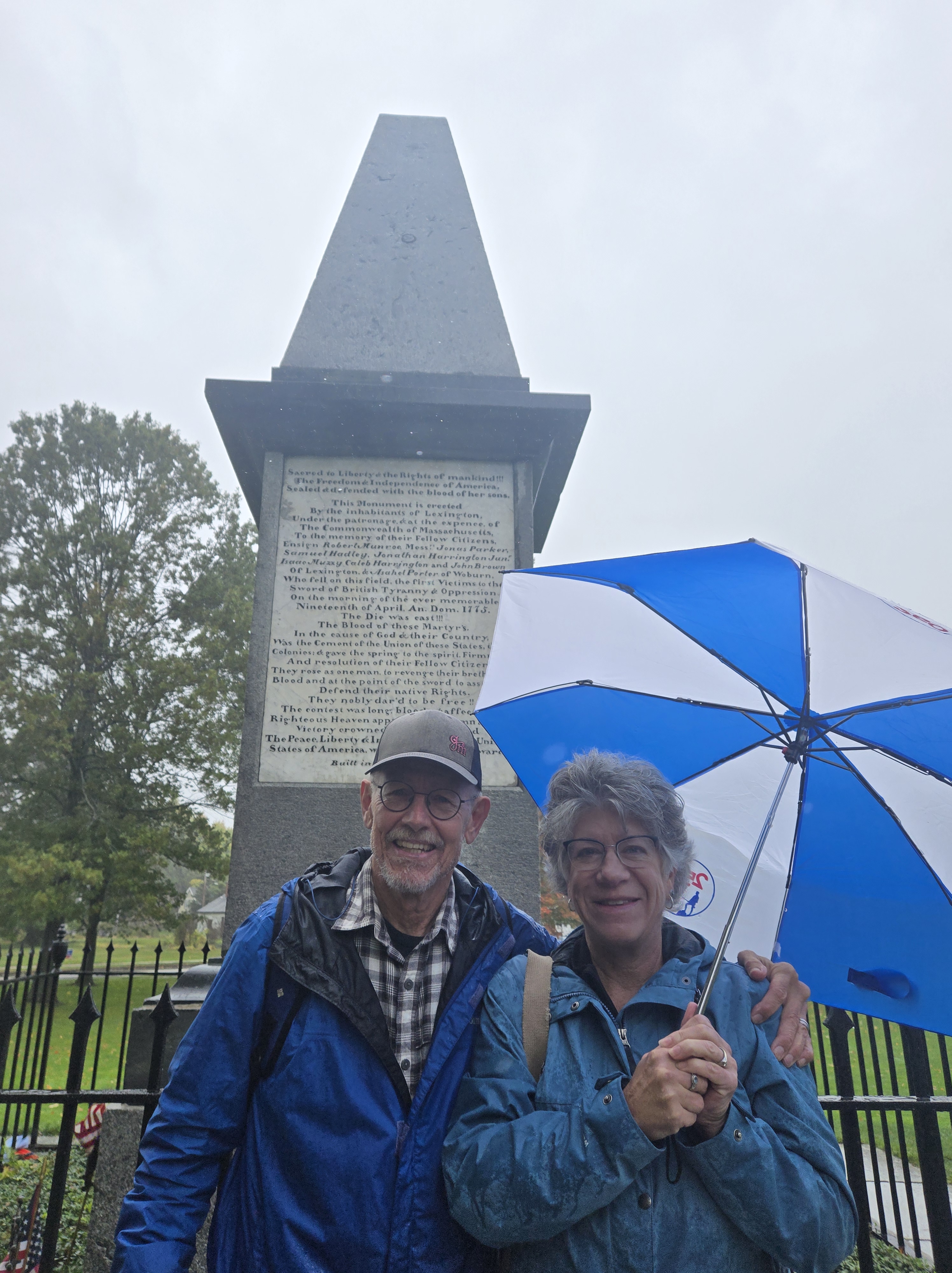
Us, all cold and wet at a memorial on the battle green dedicated to those who died during the first battle of the American Revolution.

John Parker was Theodore Parker’s grandfather (the minister whom I described in my previous trip post). My family and I share a common ancestor with them: Congregational Church Deacon Thomas Parker, who immigrated from England in 1635.

Despite using umbrellas and wearing raincoats, Russ and I were rather cold and miserable. I think our guide took pity and gave us a quicker tour than usual. After visiting the green, we made our way to a nearby cemetery (behind a Unitarian Church) where there’s a headstone for John Parker. There is some question about whether his body lies there or on his farmland two miles away.

After that, we made our way back to the visitor center, which offers a museum about the battle. It features a diorama of the battle scene, complete with a figurine of Capn Parker, which was cool to see.  The center also has books and other interpretive materials and souvenirs for sale. (Parker is also mentioned in the Ken Burns documentary, “The American Revolution,” which we recently watched and recommend.)

John Parker’s headstone

The nearby town of Concord also offers interpretive facilities, but we focused on Lexington due to my family connection. When we were done, we made our soggy way to eat lunch at the Town Meeting Bistro, which is inside the Inn at Hastings Park. The décor looks like you’ve stepped into a town meeting hall: plain wooden tables, wooden wingback chairs, and a large fireplace.  

The diorama that features John Parker. He’s the one in the red/gray uniform in the middle.

I am a clam chowder aficionado. Throughout our trip, I sampled chowders everywhere we went. I am happy to say that the bistro’s chowder wins my best chowder award! (It even beat Maine clam chowder.) Theirs featured applewood bacon, quahog clams, and new potatoes. It was creamy and divine. My only complaint was that I couldn’t get a larger bowl of it!

Our lunch hit the spot and took the chill out of our bones. We had planned to visit Walden Pond and the town of Salem later in the day, but the weather discouraged us. We returned to our hotel to change into dry clothes and curl up with a good book.

Next up: Waterbury, Vermont

A cutout likeness our our tour guide in the visitors center. He was great!

Theodore Parker Unitarian Church

The morning before we visited the Parker Tavern in Massachusetts, we caught a church service at the Theodore Parker Unitarian Church in West Roxbury near Boston. This site was the second ancestral “treasure” I uncovered a few years ago (the tavern was the first) while looking for something else.

I discovered that noted Unitarian minister and abolitionist Theodore Parker (1810-1860) and I were related through Thomas Parker, a Congregational Church deacon who immigrated from England in 1635. Theodore’s first church assignment just out of Harvard Divinity School was this church in West Roxbury. But the actual building where he preached burned, so the church we attended was not the original.

After nine years, Theodore left the church after being kicked out of the Boston Unitarian Brotherhood for his “radical” views on abolishing slavery and other religious matters. He also believed outrageous things such as women should be allowed to vote, and to become doctors, lawyers, and (gasp!) even ministers.

Theodore spread his views not only through his sermons but via pamphlets. He is credited with famous quotes later shortened and used by President Lincoln and Martin Luther King. The phrases are, “a government of the people, by the people and for the people” and “the arc of the moral universe is long but it bends toward justice.” The former was used by Abraham Lincoln in the Gettysburg Address and the latter by Martin Luther King.

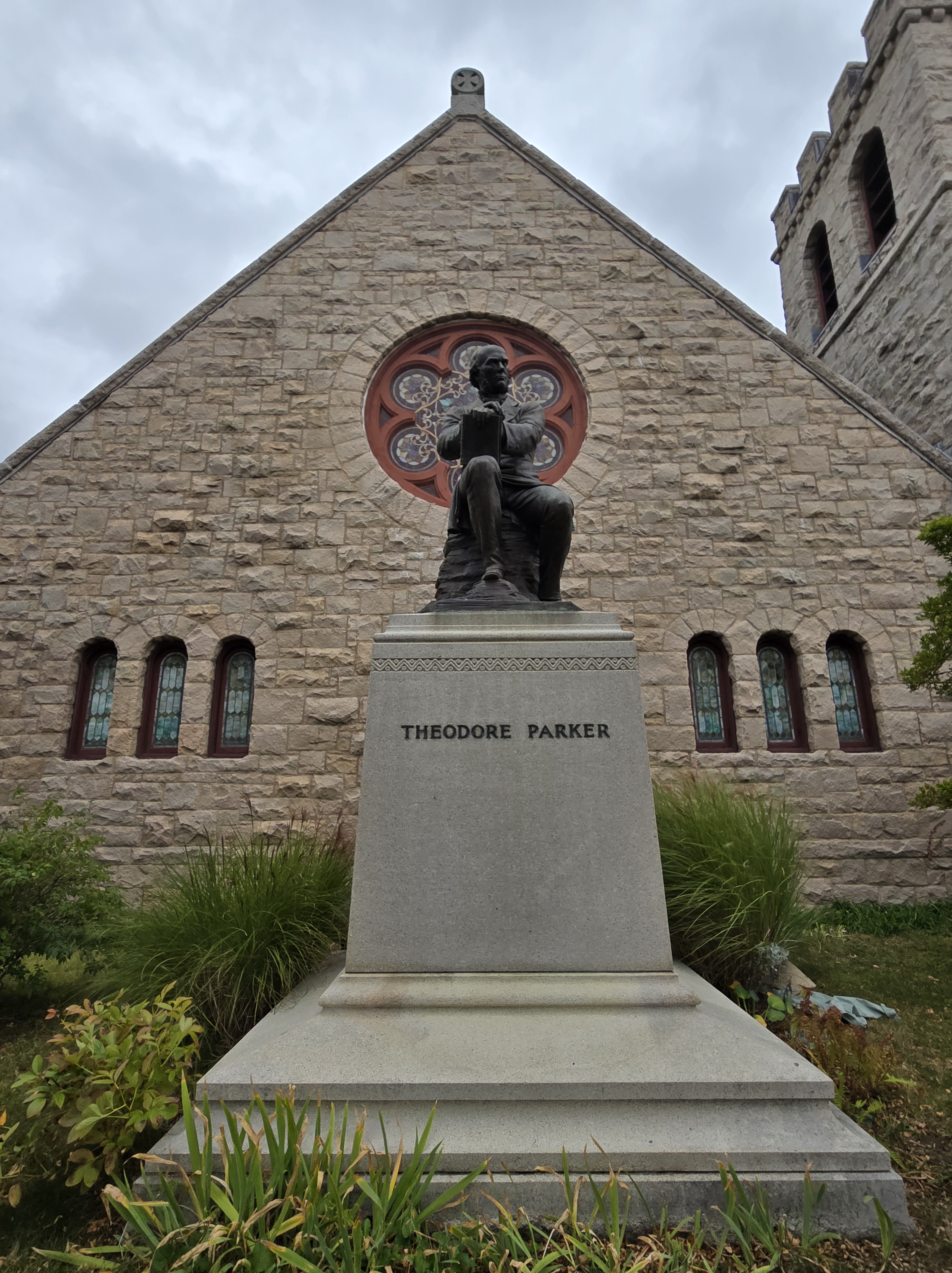
But as historical events played out, the moral arc of the universe must have brought him back into favor, because the church, designated a Boston Landmark, was named for him, and his statue was erected in front of it.

We arrived out a half-hour before the service began and had time to appreciate Theodore’s statue and wander around the outside of the church. Soon, a congregation member arrived, and we followed her to the old wooden front door. She took out a key to open it but had trouble. Russ and I looked at each other in dismay. We’d come all this way, and now we couldn’t get in!

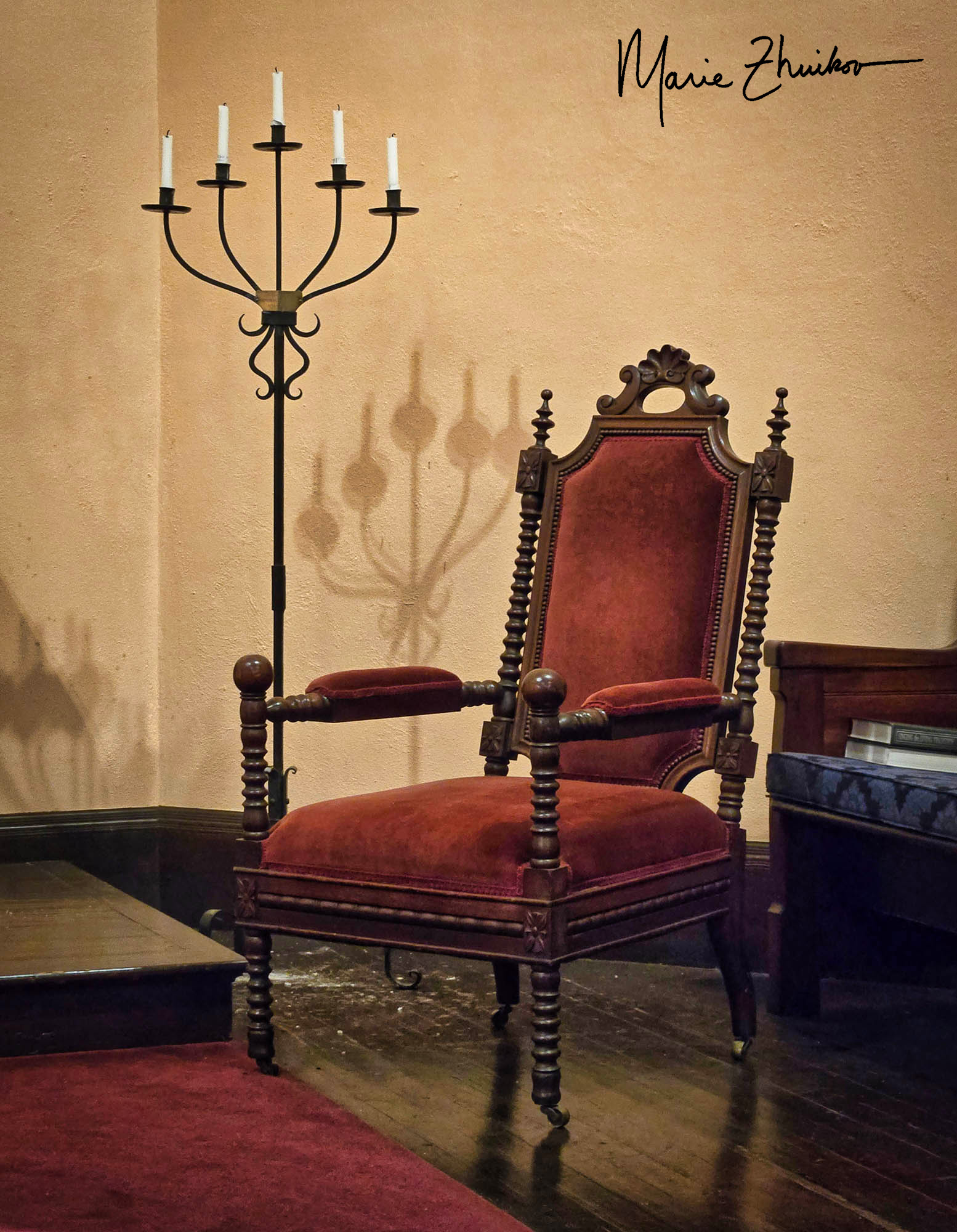
Russ soon stepped in to help, and with his key-handling expertise, he was able to open the door. Soon, more people arrived. In chatting with them about why we were there, they pointed out two Theodore Parker historians who were in attendance. We were able to speak with them both. They affectionately referred to him as “Teddy.” They reinforced what I already knew and pointed out some things I didn’t, including artifacts saved from the first church fire: a clock, Theodore’s pulpit, and his chair.

Theodore Parker’s chair.

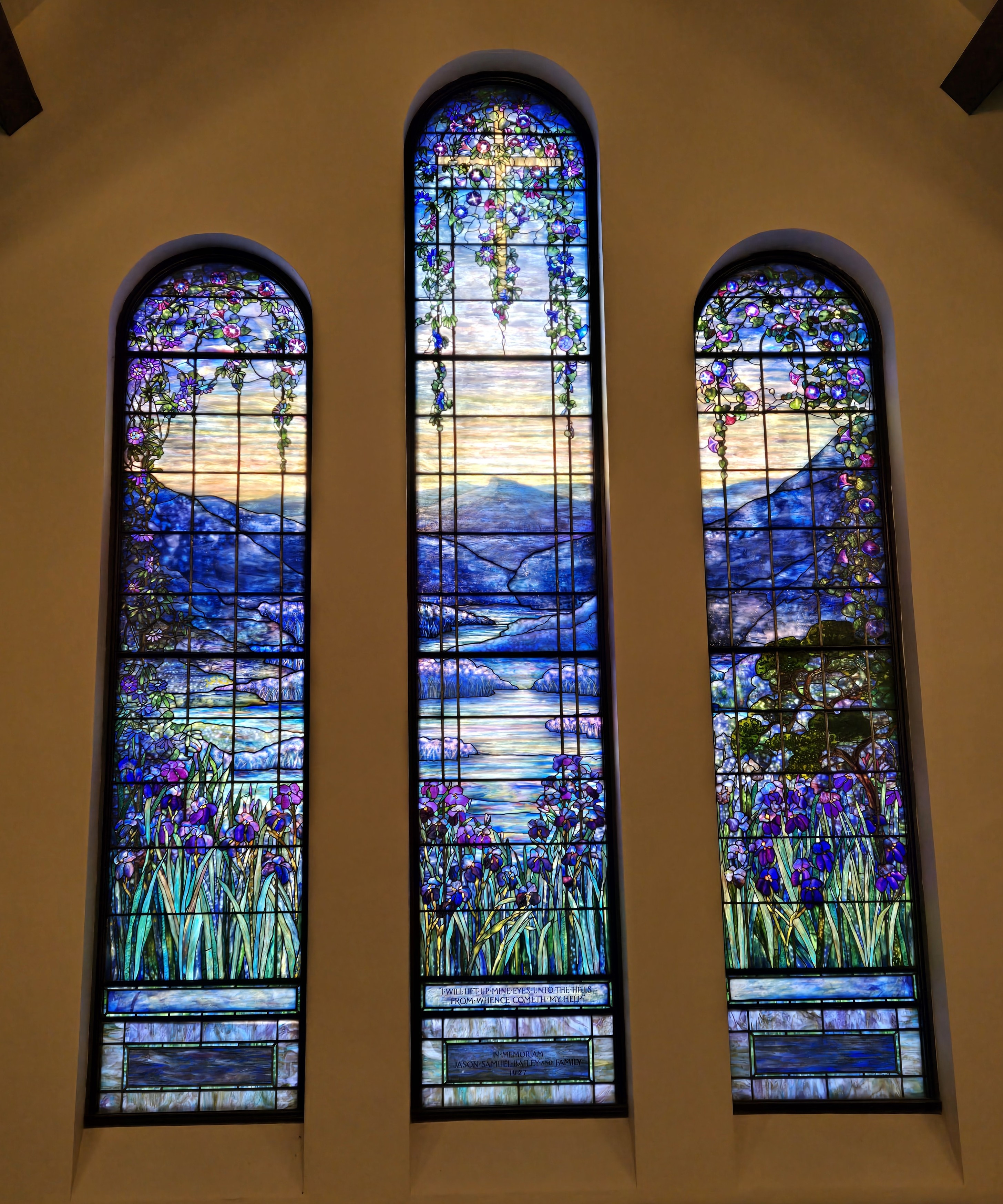
One of them also pointed out a trio of gorgeous 1927 Tiffany Studios stained glass windows that grace one wall. They feature irises and morning glories ringing a lake and mountain scene, with the words, “I will lift up mine eyes unto the hills from whence cometh my help.” According to a sign about the windows, a stained-glass consultant called the design one of the studio’s “greatest.” It incorporates several signature techniques: plating, where three layers of glass are used to achieve depth of color; mottling, which recreates intense sunlight as filtered through leaves; and acid etching, which involves removing a layer of colored glass to reveal a clear or palely tinted base glass. Intense leading is used on the windows to depict the organic lines of flowers and foliage.

The outcome is dazzling. One church attendee told us she purposefully positions herself during services so that she can see both the windows and the pulpit for comfort and inspiration.

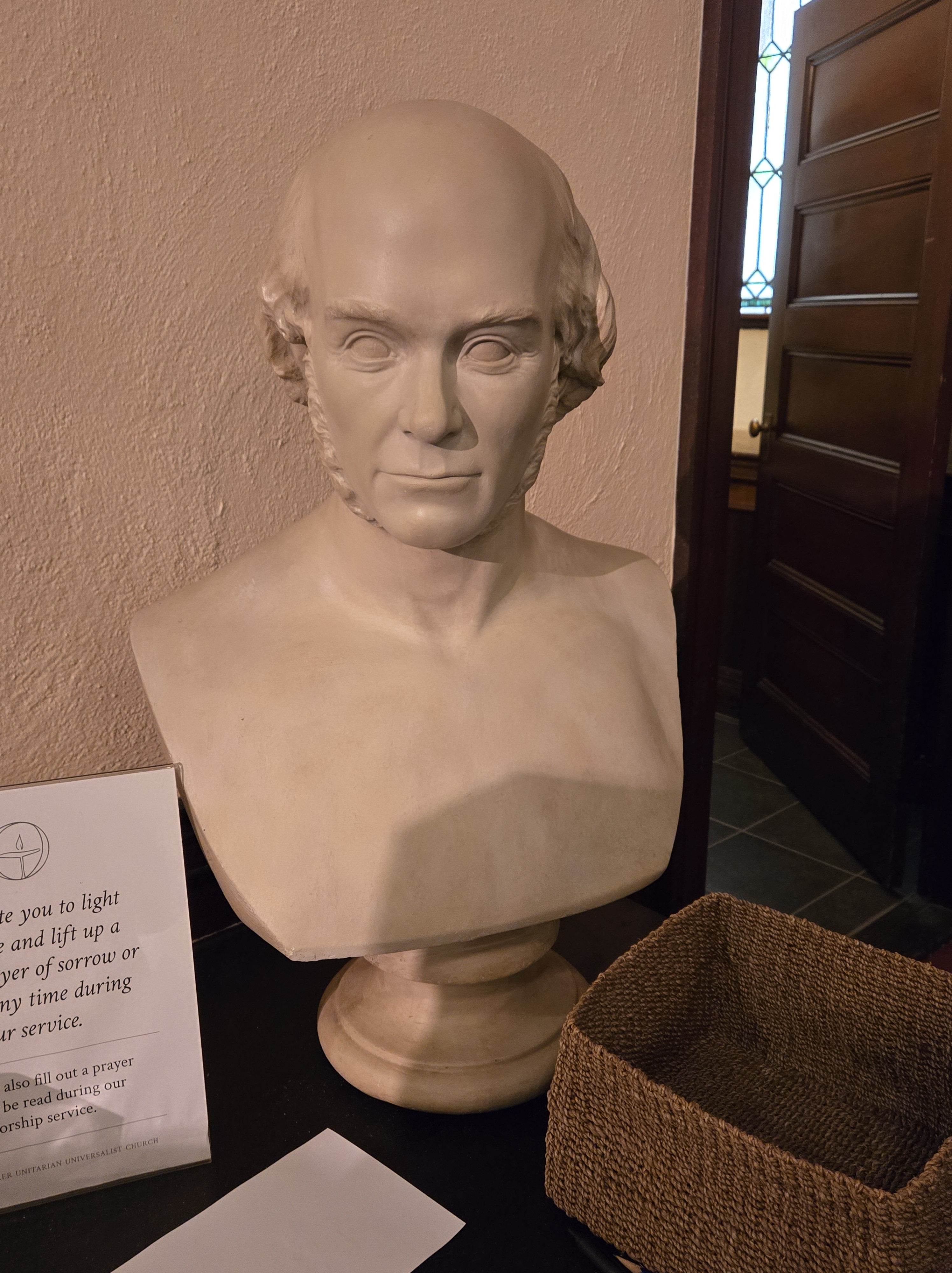
The service was conducted under the watchful eye of Theodore’s bust. We attend a Unitarian church in Duluth and were comforted by the similarities in the services. Everyone was super friendly, and we enjoyed hanging out with them afterward in the social hall.

Next up: Lexington, Massachusetts, and another illustrious Parker cousin who has his own statue.

The Parker Tavern, Reading, Massachusetts

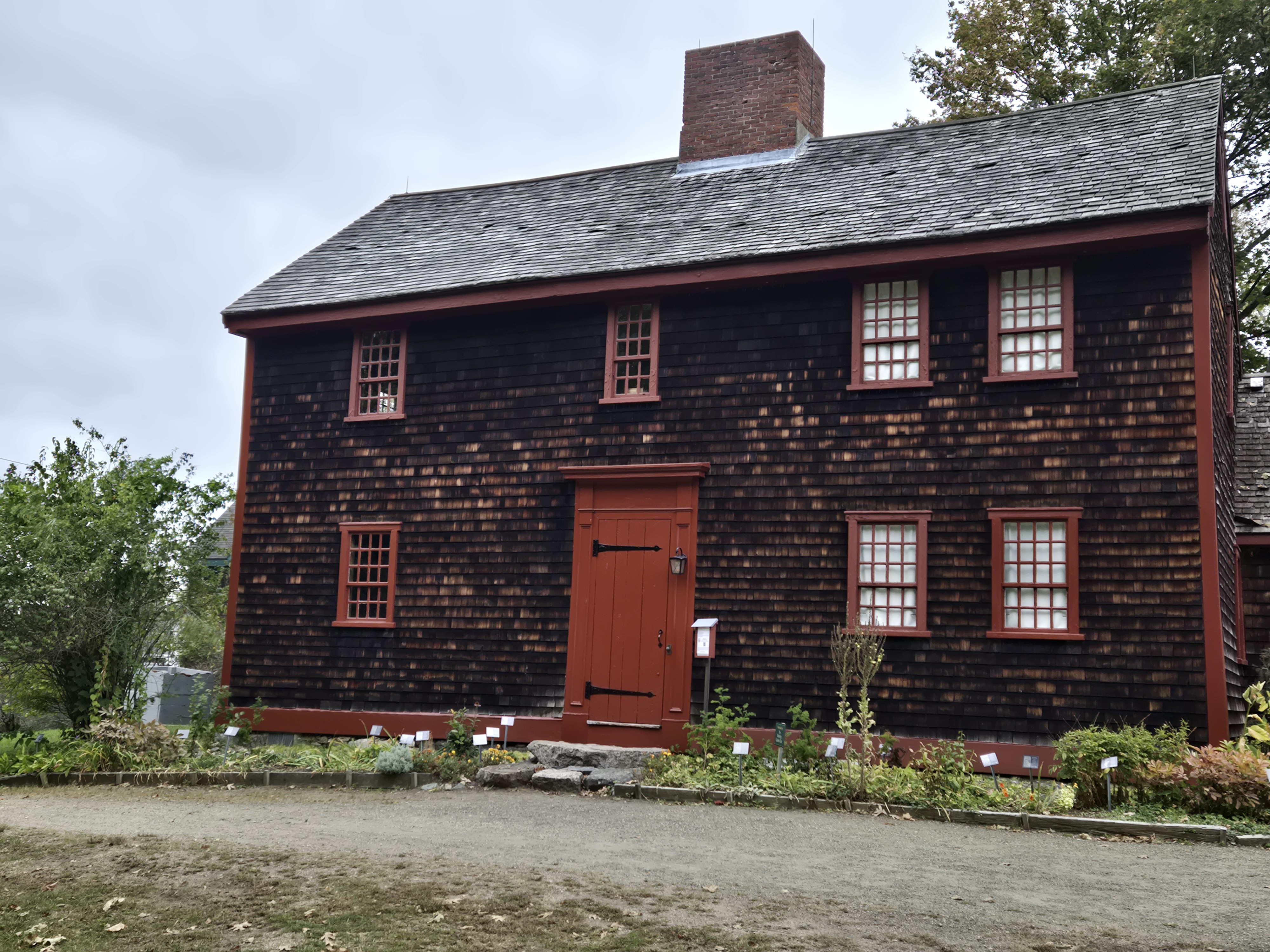
The Parker Tavern

If you have been reading this blog for about two years and have an excellent memory, you may recall this previous post about my search for Irish ancestor names in my genealogy before our trip to Ireland in 2024. I was unsuccessful in that quest, but I found colonial American treasure instead.

The first “treasure” was information about my direct ancestor, Caleb Parker. He was born in Shrewsbury, MA, in 1760, and was originally named Nathanial but was renamed by his parents after his presumed-dead-in-war brother. Caleb served under George Washington late in the Revolutionary War. Later, he was head of the Vermont militia. After he resigned his commission, he and his family moved to and founded Stukley, an eastern township of Lower Canada, not far over the Vermont border. Caleb died there in 1826.

That, in itself was pretty cool, but in following Caleb’s line back in time, I discovered that his grandfather, Thomas Parker, a Congregational Church deacon, immigrated from England and founded Reading, Massachusetts. I also found that the oldest surviving building in Reading is named after the family. The Parker Tavern was owned and operated by Thomas’s great-grandson Ephriam (who would have been a cousin of sorts to Caleb), and it has been turned into a museum. I vowed to visit it one day.

Well, that day came during our New England Road Trip. The first part of our trip was all about Russ and his family. The next part was all about MEEEE! (and my ancestors.) We left Russ’s relatives in Andover, Connecticut, and drove to Massachusetts. Our first stop that Sunday morning was to attend a church service at Theodore Parker Unitarian Church. More on that in the next post.

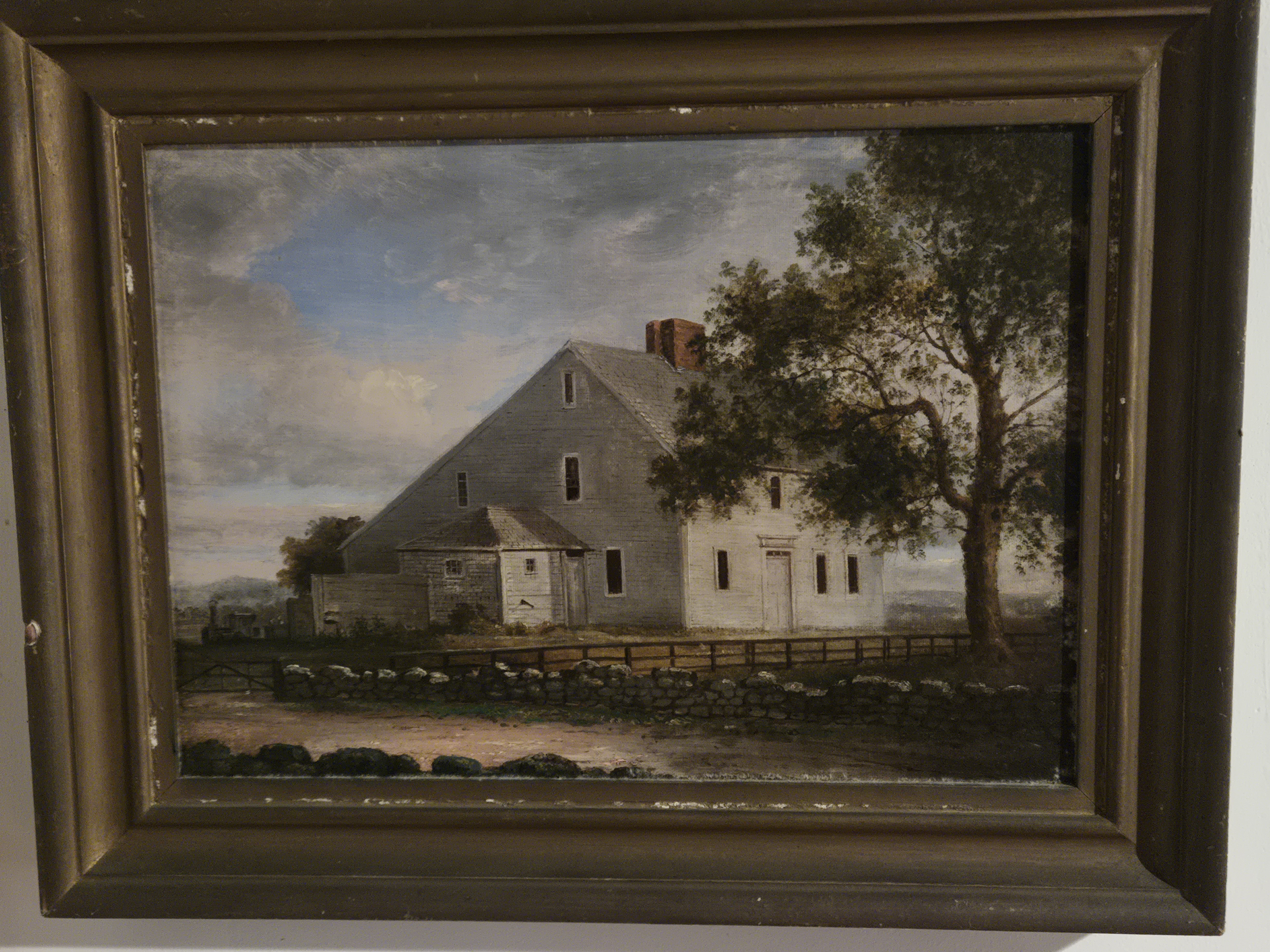
A painting of what the Parker Tavern used to look like.

Our second stop was the Parker Tavern in Reading. The tavern is on the National Register of Historical Places. It has been turned into a museum and is open Sunday afternoons from May to October. Due to our recent education about the importance of taverns at the Strong-Porter Homestead in Connecticut, we knew taverns were vital to colonial communities. They served as gathering places where information was exchanged and they provided food and lodging for travelers. As such, they were instrumental in the spread of revolutionary ideas, ultimately becoming hotbeds for political debate and organizing that led to the American Revolution. If you’re an Outlander fan, you’ll be familiar with this concept because characters in the books/movies are often shown scheming in taverns. Although the series is fiction, this depiction is based on truth.

Because they were such important spots, not just anyone could run a tavern. Managers needed to be in good standing in the community. Often, they were people associated with the local church, be they the ministers themselves or relatives of ministers. Given that Ephriam was from a ministerial family, it makes sense he was a tavern owner.

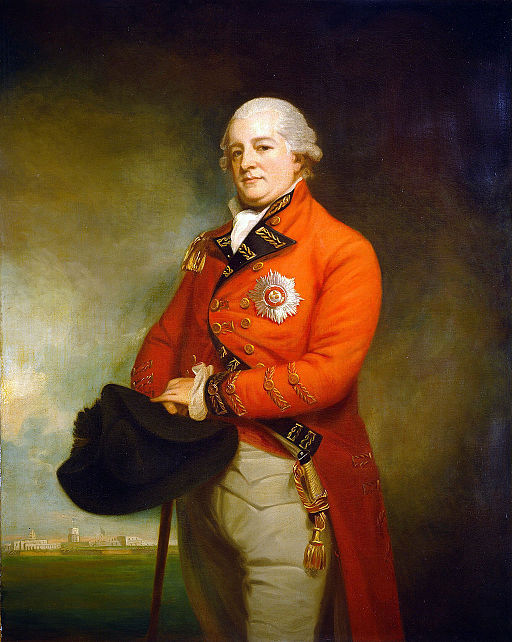
Like the colonial homesteads we visited the previous day, the Parker Tavern is a saltbox building, and it was built in the late 1600s. Besides providing lodging for travelers, the tavern also served as a jail of sorts. The docent told us that Sir Archibald Campbell, a lieutenant general for the British, was kept at the tavern from June 1776 to January 1777. He was a wealthy Scot who owned a lot of land in that country. At the time of his capture, he commanded the 71st Regiment of Foot, Fraser’s Highlanders. (For Outlander fans, another commander was Simon Fraser of Lovat.)

Sir Archibald Campbell image credit: George Romney, Public domain, via Wikimedia Commons

Campbell was captured after a battle aboard a ship in Boston Harbor. At first, he was in solitary confinement in the Concord jail. But after complaining to his superiors, who brought Campbell’s plight to the attention of George Washington, he was moved to the tavern for more humane living conditions.

In researching for this blog post, I discovered that Wikipedia says that the tavern was owned by the jailer. Ephriam Parker owned the tavern from 1770 to 1785, which is during the time that Campbell would have been there. The docent told us that Campbell was thankful for the amenities the tavern provided and enjoyed his stay there, as much as a prisoner can enjoy his “jail.” He wasn’t alone, however. According to a Daily Times Chronicle story (Woburn, MA), he housed about twenty-five of his servants in a tented area on the grounds and possibly on nearby Scotland Hill to comply with the army’s prison requirements.

The same newspaper story states that Ephriam and his son were part of the 4th Company of Minutemen, which took part in the battle of Lexington and Concord in April 1775 that began the Revolutionary War.

After his stay at the Parker Tavern, Campbell was released to “freedom” within the confines of Concord. In May of 1778, he was finally totally freed in an exchange for Ethan Allen. He later became the governor of Georgia, Jamaica, and Madras. His tomb lies in Westminster Abbey.

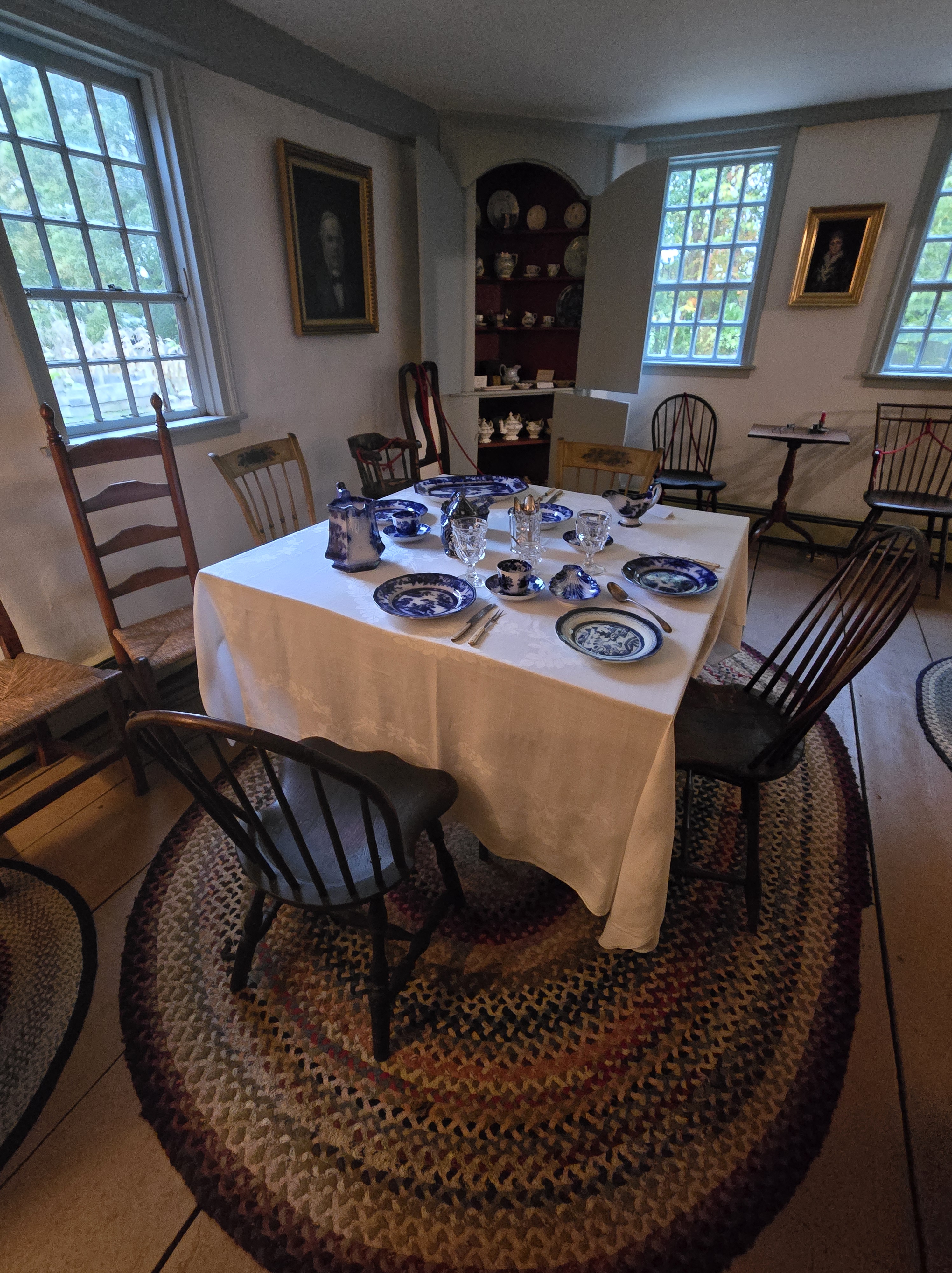
The Parker Tavern dining room.

The tavern museum is filled with antiques and an interesting display of shoe-making equipment. (I think Ephriam was a cobbler in addition to all his other jobs.) The docent explained that shoemaking used to be a cottage industry and that many homeowners participated in this side business.

Touring the museum is free; however, we chose to support it by joining the antiquarian society that runs it. To find out more about the tavern and to see more images, visit their Facebook page.

We left the tavern with our heads stuffed full of information and with a greater appreciation for the role of such buildings in the foundation of our country. Later, we toured the town to get a feel for it, and walked the graveyard where Thomas Parker is buried. We didn’t find his grave, but we saw some great examples of Puritan gravestones and their distinctive three-lobed shape, symbolic carvings like the “death’s head” or winged skull, and inscriptions that reflect their beliefs about death and eternity.

Next up: Theodore Parker Church

For previous posts about our New England trip, view:

The Nathan Hale and Strong-Porter Homesteads

Wickham Park

The Katherine Hepburn Museum

Governor’s Island

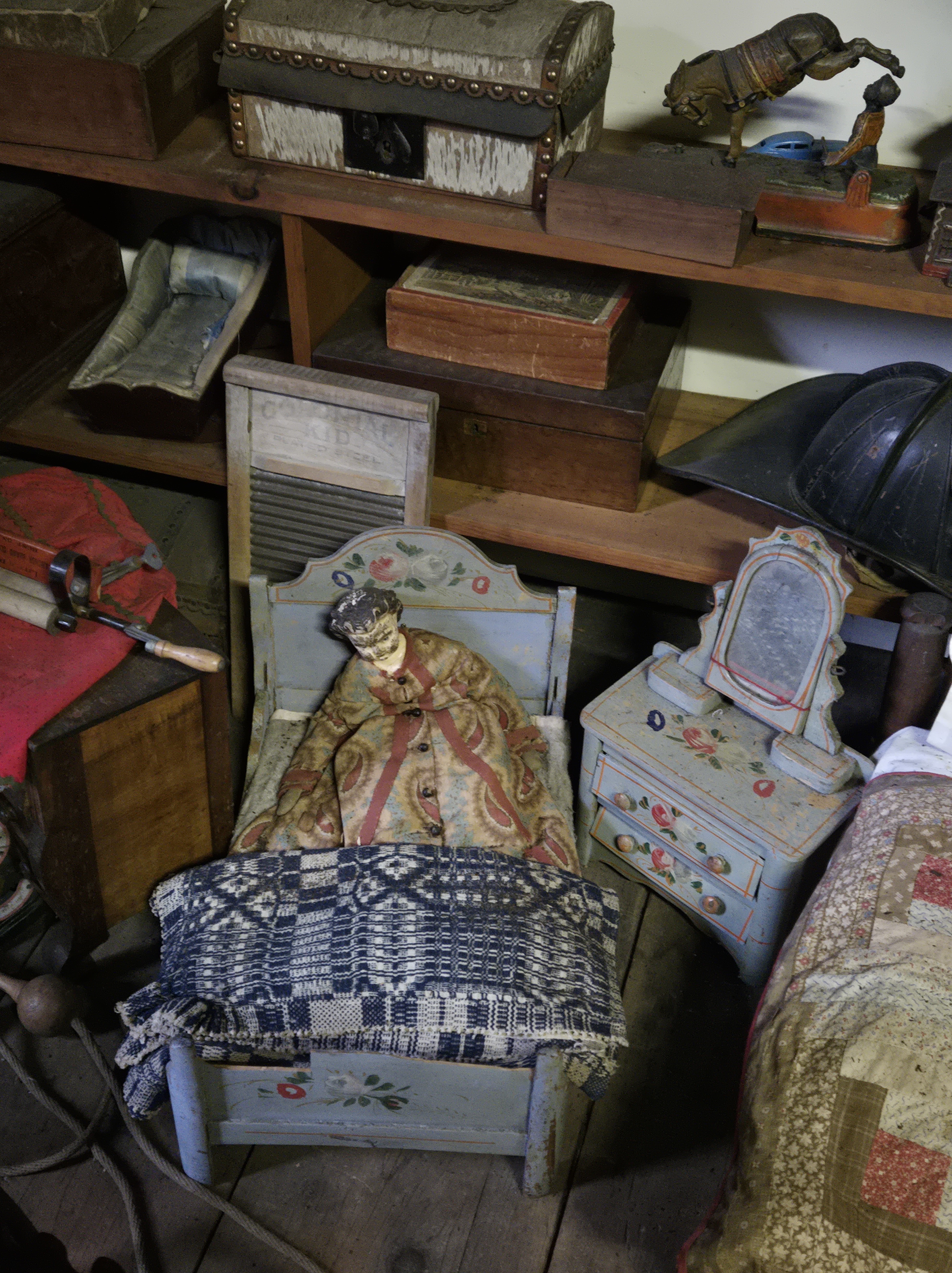
A creepy doll in the Parker Tavern attic.

The Nathan Hale and Strong-Porter Homesteads

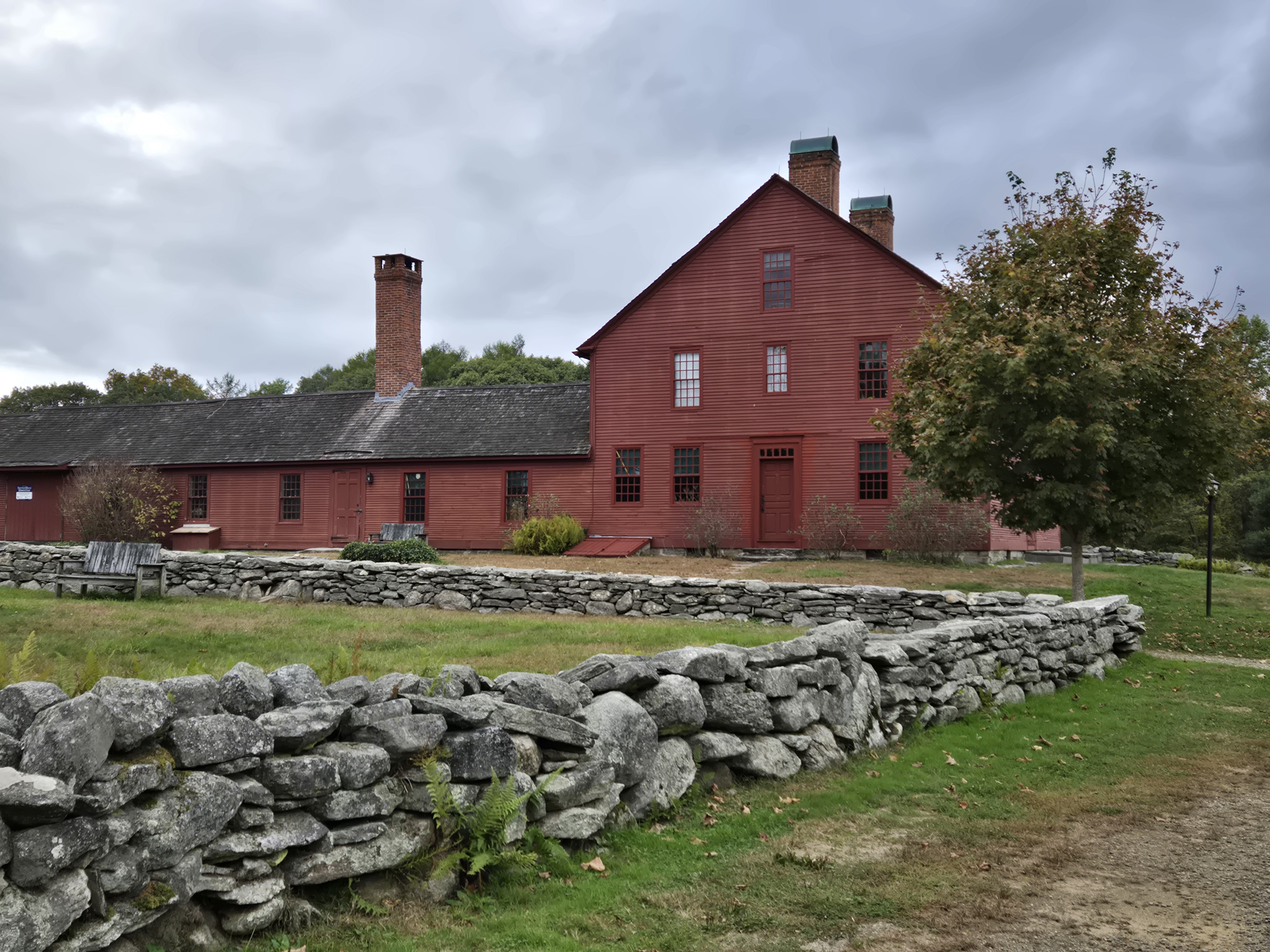
The Nathan Hale Homestead in Connecticut

Andover Connecticut was our next stop in the Great New England Road Trip. Russ was having a mini family reunion there with his cousins, one of whom I hadn’t met yet. We stayed at his cousin’s home, which backed up to the Nathan Hale Homestead and state forest. After socializing, we decided on the spur of the moment to visit the homestead.

Because we hadn’t planned our trip well, the homestead museum was closed, but the grounds were open. Nathan Hale, Connecticut’s State Hero, was born on the property in 1755. After working as a schoolteacher, he was recruited as a Patriot spy but was caught and hanged by the British in 1776. He’s known for uttering his famous last words: “I only regret that I have but one life to lose for my country.” Statues of Hale stand in the Connecticut state capitol, at Yale University, the headquarters of the CIA, and more. 

Hale’s dark maroon Georgian-style home has remained intact. If we had been able to go inside, we would have seen that it is furnished with family possessions and other period antiques. As it was, we wandered the grounds and enjoyed soaking up the colonial ambiance. It was easy to imagine a young Nathan frolicking in the nearby forest and working in the family fields.

The Strong-Porter House

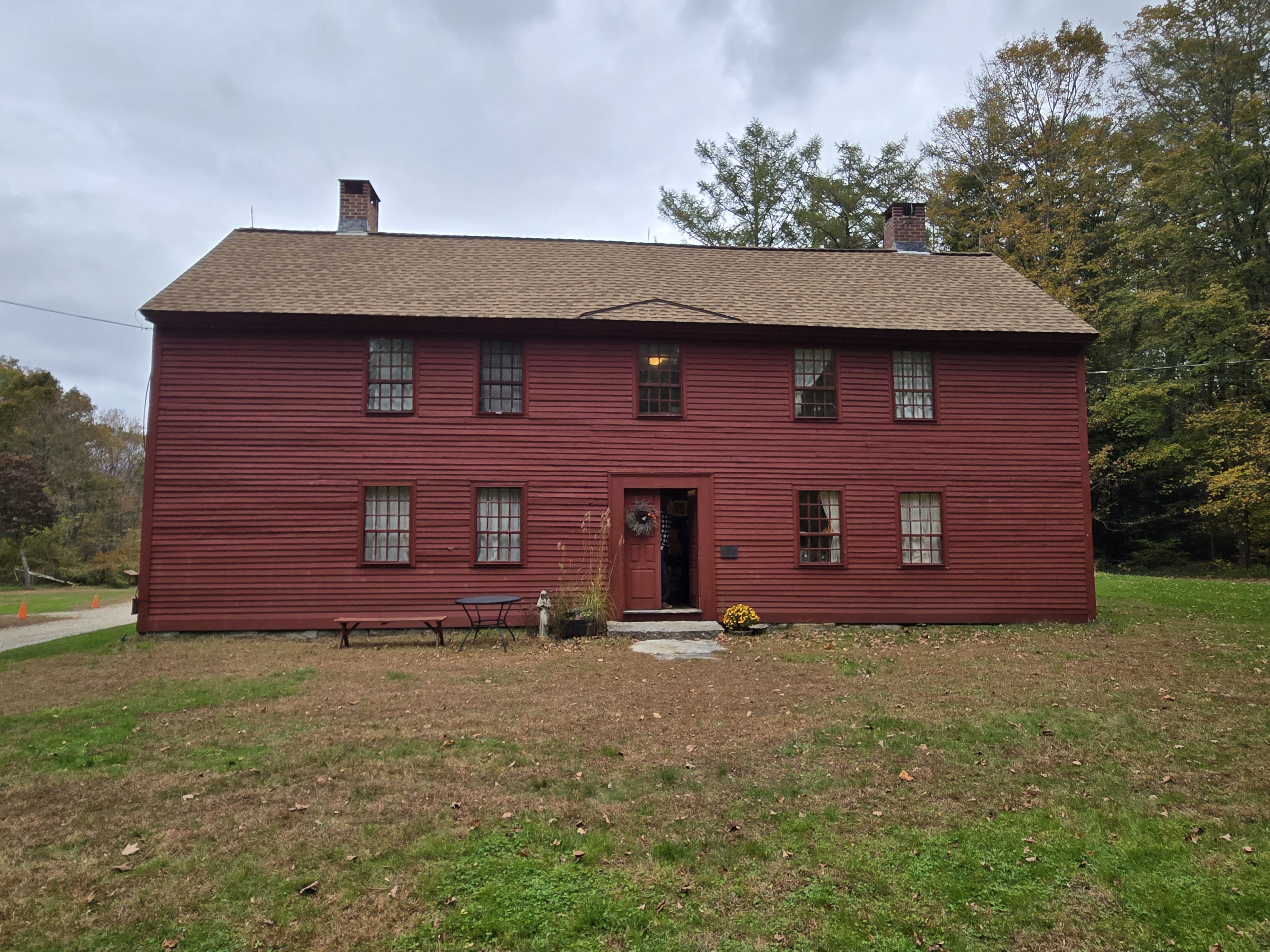
Not far down the road we found a museum that was open. The Strong-Porter House was built by Nathan Hale’s great-uncle and is listed on the National Register of Historic Places. It was the same dark maroon as the Hale homestead. The oldest part of the saltbox-style house dates from 1710 and admission is free. The museum is open Sundays during summer and fall.

The dining room-turned museum in the Strong-Porter House.

The helpful docent showed us the dining room, which was filled with historical information about the importance of taverns in colonial times. We found this of keen interest because we planned to visit a historic tavern that’s associated with my ancestors the next day. (Synchronicity!)

The home’s floorboards were much wider than usual, a testament to the huge trees they were made from. The main parlor has exposed beams, wide paneled wainscoting, and a fireplace cupboard that suggests a much larger chimney once stood there. 

We left with a greater appreciation for the basic comforts and hardships people must have experienced during the early years of our country.

Next up: Theodore Parker Church and the Parker Tavern in Massachusetts

For previous posts about our New England trip, view:

Wickham Park

The Katherine Hepburn Museum

Governor’s Island