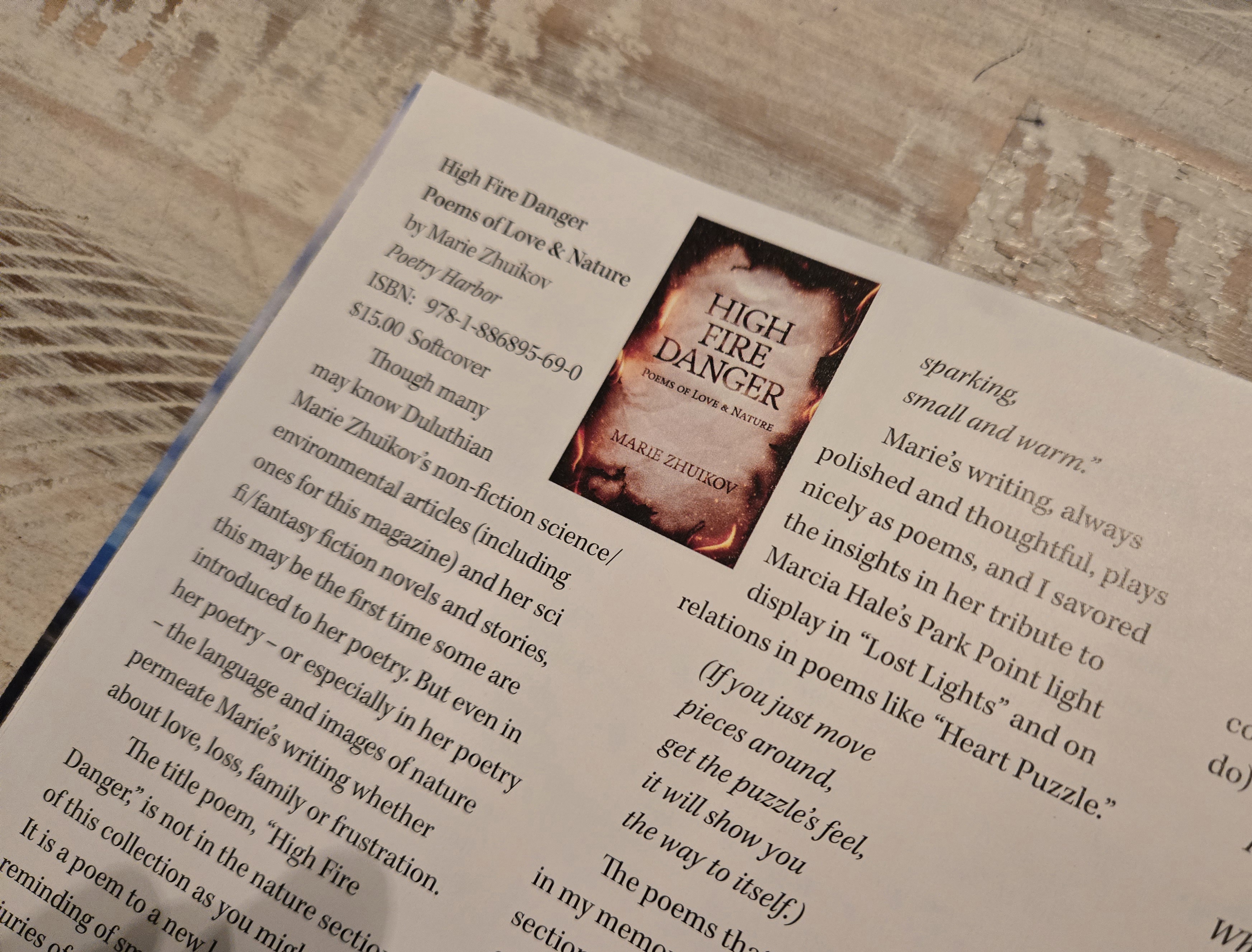
My poetry book, High Fire Danger, was reviewed in the latest issue of Lake Superior Magazine. Sorry, the review is only available to subscribers. But here’s an excerpt: “In her poetry, the language and images of nature permeate Marie’s writing whether about love, loss, family, or frustration.”
And here’s a review by a member of the Wisconsin Writers Assn. that you can read even if you’re not a magazine subscriber. Hope you have a chance to check out the reviews. High Fire Danger is available on Amazon.
Second, I received a fan email from a reader in Maryland. She read my first novel, Eye of the Wolf. “To say I enjoyed it is an understatement. What an unusual and vivid story! The last few chapters were absolute page-turners! You are such a lovely writer…” That made my week! The book is out of print but is available through many libraries.
For more information about my books, please visit the book page on my web site.
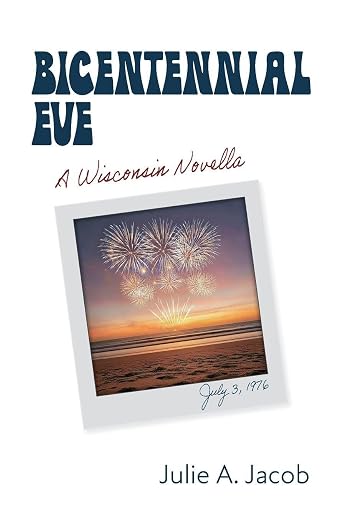
I interrupt my France travelog to wish America a happy semiquincentennial! If you want to make the celebratory feeling last, there’s a book you should read: Bicentennial Eve: A Wisconsin Novella by Julie Jacob. I had a chance to read the book before it was published and to provide this promotional blurb for it:
Step into the heart of 1976 Wisconsin, where the spirit of America’s Bicentennial pulses through every page. In Bicentennial Eve, Julie Jacob delivers an evocative, unforgettable portrait of a family on the brink of change. A young girl aches for her first kiss, a college student is caught between adventure abroad and love at home, and a devoted husband is left wondering what his wife truly desires. Brimming with nostalgia, longing, and the quiet hope of new beginnings, this gentle novel invites you to relive the magic and heartbreak of a pivotal moment in history. Perfect for fans of rich family dramas and coming-of-age tales, Bicentennial Eve will leave you reflecting on the ties that bind and the dreams that set us free.
–MARIE ZHUIKOV, author of The Path of Totality
I haven’t had time to reread the book since it’s been published, but my friend Vickie Smith has. Please see her review on her “Writing by the Lake” blog.
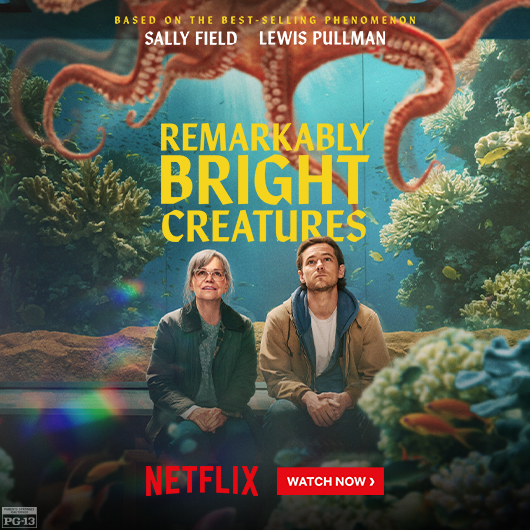
I first learned about Shelby Van Pelt’s novel, Remarkably Bright Creatures, from a local bookseller who recommended it to me. If you’re not familiar, the story is about Tova, a widow, who befriends Marcellus, an octopus at the aquarium where she works as a night janitor. Along the way, Tova meets Cameron, a wayward young man, and the two develop a friendship. Curmudgeonly Marcellus narrates the book and eventually solves a mystery that benefits both Tova and Cameron. The challenge is how the octopus can communicate his knowledge to these humans, who are “remarkably bright.”
The story blends drama, mystery, and magical realism. It focuses on themes of loneliness, healing, and intergenerational connection.
The movie version was just released on Netflix. I finished the book about 1-1/2 years ago, so I am a little hazy on the exact details, but it seemed like the movie was as faithful to the book as it could be. Sally Field plays Tova, and she was perfect for the role. The story is set in the Pacific Northwest, but the movie was shot in Vancouver, which looks much the same. I thought the movie aquarium building was so quaint!
I rated the book 5 out of 5 on Goodreads, and the movie was right up there, too. While reading the book, I couldn’t quite bring myself to believe that Marcellus could read and understand human speech, and I thought the movie handled these issues well.
I’m currently taking a screenwriting class. I have a long short story that I think would make a great movie. Instead of waiting for some screenwriter to notice it, I decided to become that screenwriter! I just finished the first draft of my satirical thriller feature film set in a northern Minnesota bog last week. I need to add a few more pages of content, but the script is on its way! I meet with my instructor this week to discuss it. Of course, I think it’s the best thing ever, but, like with my stories, I’m often quickly disabused of this feeling after receiving outside feedback. Then I sigh and put in more work. I expect it will be the same for this script.
My class was another reason I was keen to watch Remarkably Bright Creatures and note how the movie handled different situations presented by the book. I was able to visualize how Marcellus’s narration would be written in the script and how certain scenes would be described.
As another learning experience, I attended the Minnesota Film Festival, which is held in Duluth. I was able to sit in on a table read of a script-in- progress. (That’s where the entire script is read by actors.) I also went to a networking session where I met other writers in this medium.
I’m excited by screenwriting. I love its emphasis on the visual, which seems to fit with how I experience the world. It’s been fun to learn yet another form of writing (as if short stories, novels, novellas, memoirs, blogging, short-short stories, and poetry weren’t enough)!
Anyway, back to the movie. If you prefer a tight, suspenseful narrative, Remarkably Bright Creatures might not be for you. But if you enjoy character-driven stories with a touch of whimsy, this movie should resonate.
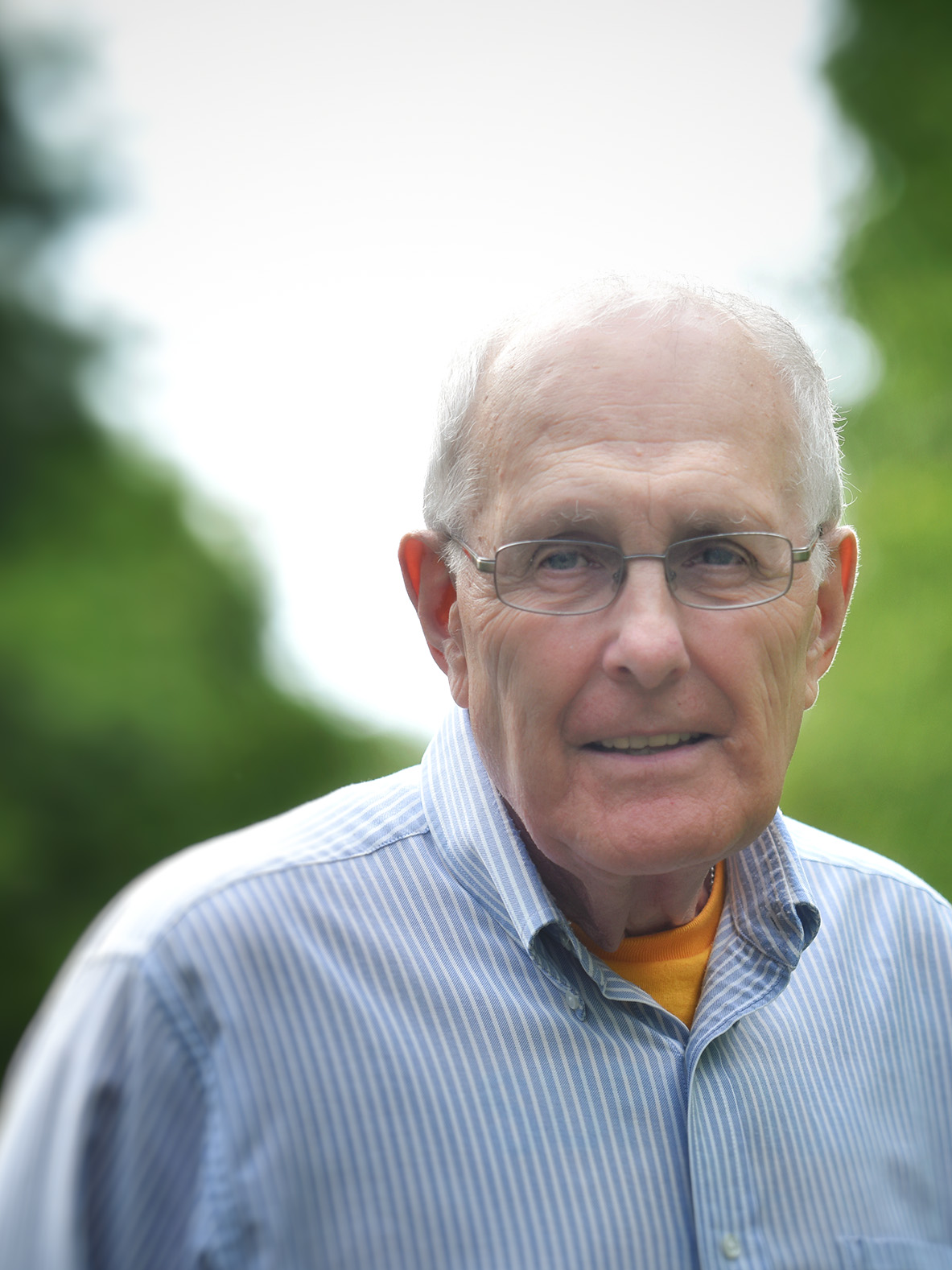
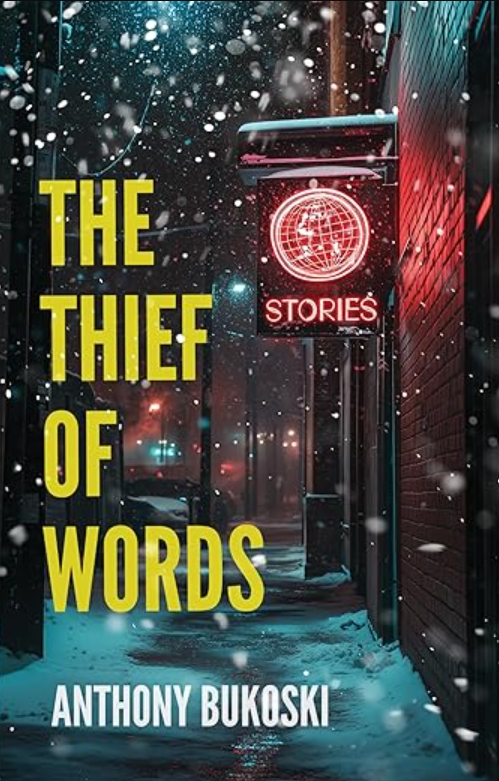
I spent a memorable afternoon with Superior, Wisconsin, short story writer Anthony Bukoski last summer. We discussed his book, The Thief of Words, which was published in 2025 by the University of Wisconsin Press. Tony’s stories feature white collar-blue collar tensions that belie his time spent in both worlds. The Thief of Words focuses on such themes as loneliness, longing, dislocation, assimilation, and generational conflict.
Thanks to the kickboxing workouts I’ve been doing for the past four years, our interview ends in a surprising way! You can read about it in Hypertext, a digital literary magazine published in Chicago.
I thank Tony for this opportunity and Hypertext for publishing it. If you’re looking for something to read, please check out Tony’s book.
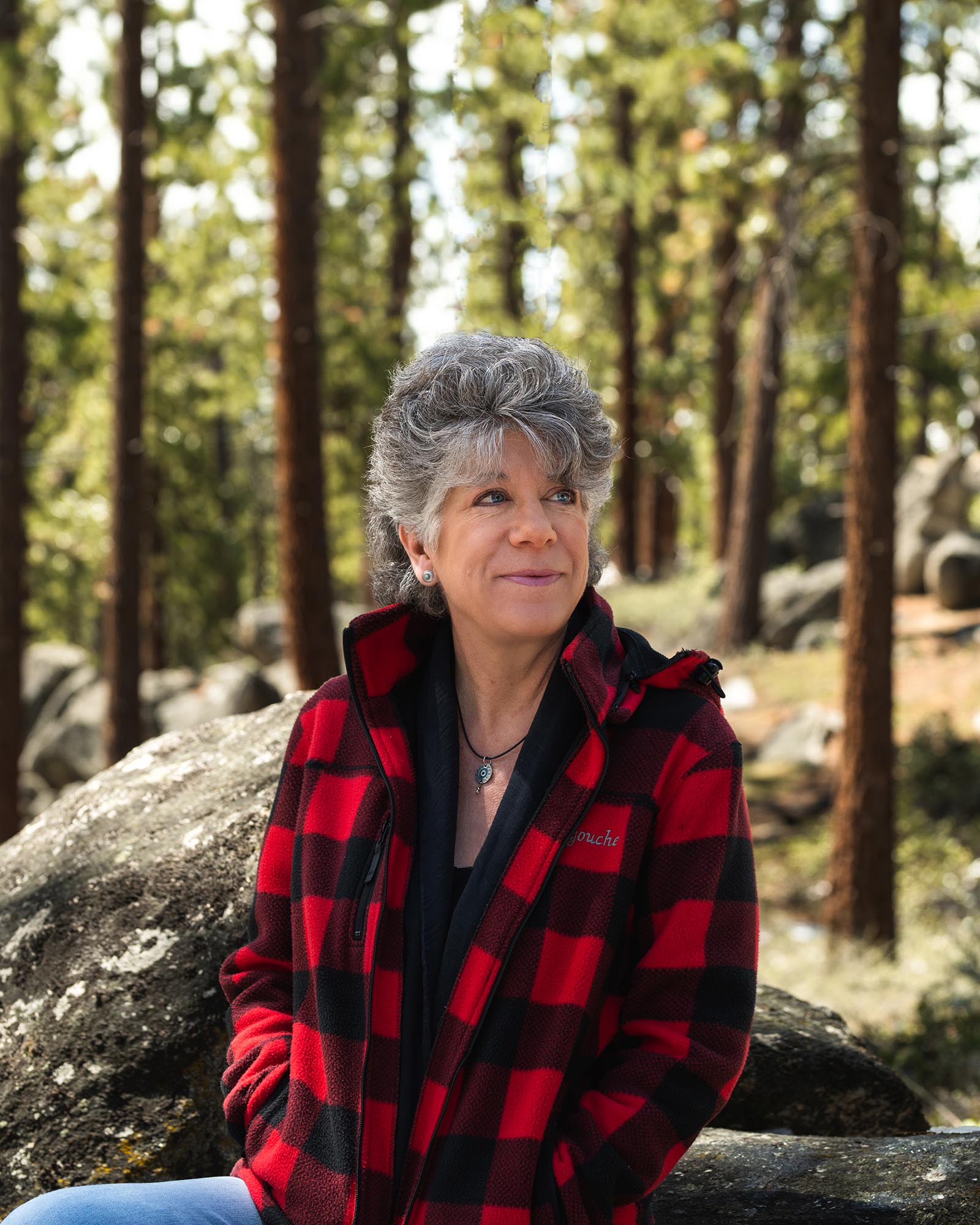
I have two writing things to impart. The first is a review of my new poetry book, High Fire Danger by Rebecca Swanson, a fellow member of the Wisconsin Writers Association. She kindly says they are “some of the finest nature poems” you will ever read, and that every page is filled with “warmth, wit, vigor, and beautifully crafted poetry.” My book costs $15 and is available from Amazon.
The other is my new Facebook author/photography page. I used to have pages for each of my novels. Even though my first novel’s page (Eye of the Wolf) had 2,500 followers, it was so out of date that, after notifying my followers to switch to my new page, I held my breath and sacrificed it. If you follow my new page, you’ll get notifications of my writing events, see my favorite new photos, and get links to my latest blog posts. My page is slowly growing with 77 followers; I could use a few more.
Image by Sharon Moen
I also have an Instagram account, but am less active there. My profile photo shows my arms hugging a tree. Because, you know, that’s what I do.
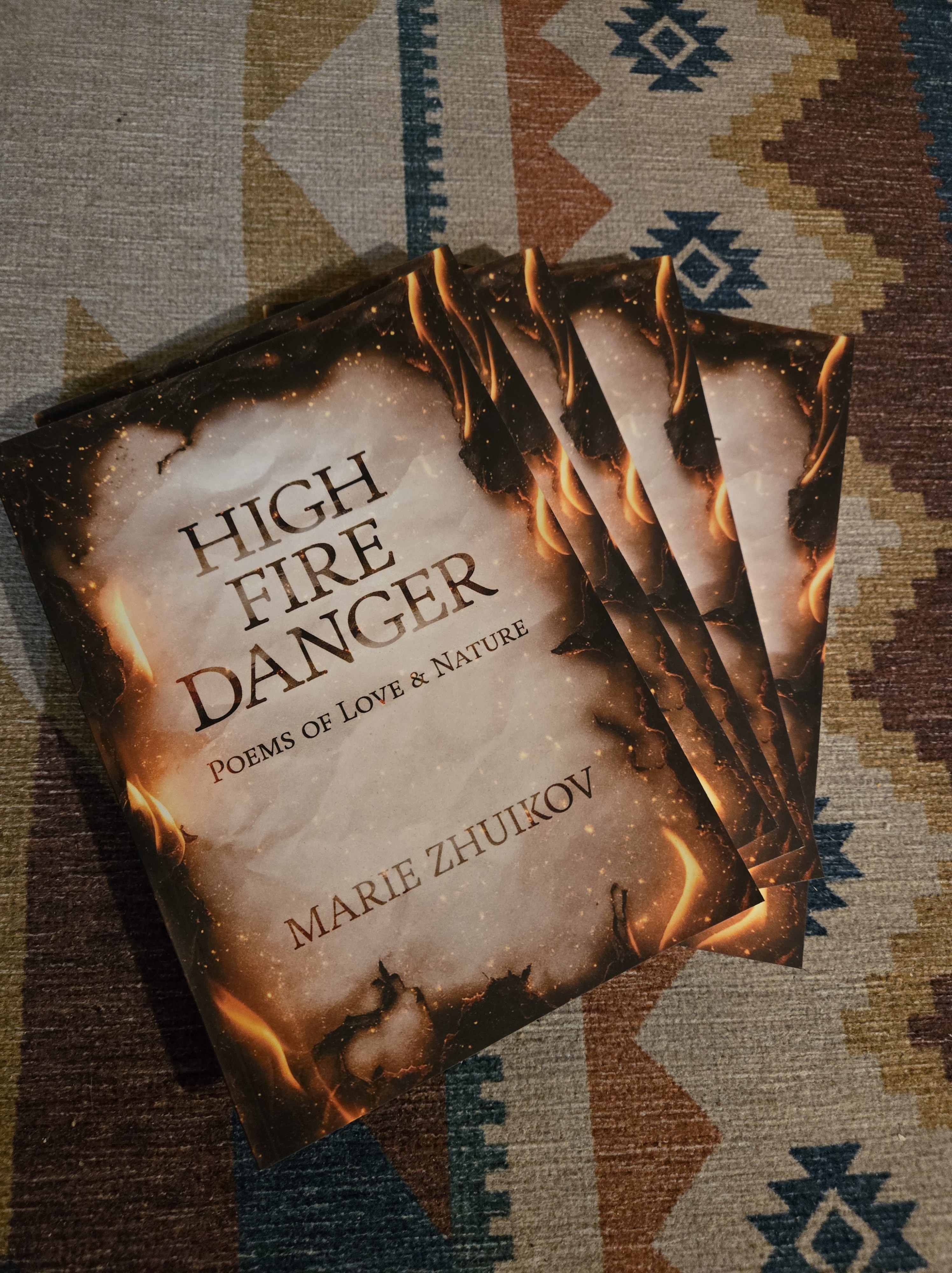
I love my book cover. Doesn’t it look like it’s really on fire?
I made it onto the local ABC channel affiliate’s lifestyle show recently to promo my poetry collection, High Fire Danger. The hostess, Baihly, does a great job of making interviewees feel comfortable in what can be a nerve-wracking, live-interview situation. You can watch the story here.
This year, I received many bogus author promotional opportunities that I’d like to warn you about. Most involve book clubs. The first was an email I received from someone purporting to lead a silent book club in New York City. They said my book was getting some “buzz” among their members and they’d like me to be a featured author for the group.
Of course, this surprised and delighted me. I have a couple of friends in NYC, so it’s possible that one of my books could have found its way around the city. I looked up the group online and found a Meetup page for them, so it seemed legit. I replied, saying I was interested and asked for more information. I didn’t hear back, so after a week, I pinged them again. I received an automated message that the email address no longer existed. That made me figure it was a scam, so I put it out of my mind.
A few days later, I received another message from them from a slightly different email address. They apologized for the delay in response and offered a revised date for my book’s promotion. I replied, just to see what would happen. I soon received a response that said I wouldn’t actually need to appear in person. They would set up a display for my book, and that would cost $216.
This spurred me to investigate them further. I input the search terms, “New York City Silent Book Club author scam,” and was led to this website, which solidified my hunch that it was a scam. So, authors, don’t fall for this one!
The second “opportunity” took the form of book club publicists who reached out to me separately about four of my books. They praised the books extensively (and excessively!) and offered to bring them to the attention of thousands of book groups. The emails come from gmail addresses. Although the praise was ego-affirming, I could tell that it was based solely on the books’ descriptions. The “publicists” had obviously not read the books. Their email text was probably AI-generated.
Here’s an example for my poetry book:
High Fire Danger is an exquisite collection that embodies how love and nature mirror one another, both capable of tenderness and destruction, both powerful enough to transform us entirely. From the first page, it’s clear that this is not merely a collection of poems but a lifetime’s reflection distilled into verse that burns with emotional clarity and elemental force.
The range of your imagery is breathtaking. You take readers from the cool expanse of Minnesota’s lakes to the windswept coasts of Scotland, and even beyond the bounds of Earth itself, yet the emotional truth in each poem keeps us grounded. This interplay between vast landscapes and intimate feelings gives your work both a cosmic and deeply personal resonance.
I was particularly moved by how humor and humility are woven into the meditations on love. There’s an unflinching honesty of voice, one that acknowledges the beauty and peril of connection, whether with another person or with the natural world. The poems don’t shy away from the scorch marks left by passion or the quiet ache of solitude, but instead, turn those experiences into sources of illumination.
The title High Fire Danger feels perfectly chosen. It speaks to the tension running through the collection, the balance between awe and fear, creation and destruction, desire and loss. Each poem feels like a spark that could either warm the heart or set it aflame. This duality is what gives your writing such emotional weight and timeless appeal.
What also stands out is your mastery of accessibility. Despite the scope of the themes, every poem feels intimate and inviting, like a conversation held beside a campfire or on a shoreline at dusk. The poems make the profound feel personal, and the personal feel universal.
High Fire Danger will resonate deeply with readers who are drawn to works that celebrate the natural world while exploring the human heart with honesty and lyrical grace. It’s a rare collection that appeals to both poetry lovers and those new to the genre, offering moments of reflection, passion, and healing in equal measure.
There were actually a few descriptive lines in this that I liked. If you watch my television interview, I stole the one about the poems feeling like “a conversation held beside a campfire or on a shoreline at dusk.”
Ha! The scammers wanted to use me, but I ended up using them! A fellow author said he replied to one of these emails just to see how much money they wanted, and it was several hundred dollars. I’m sure they’d just take the money and run.
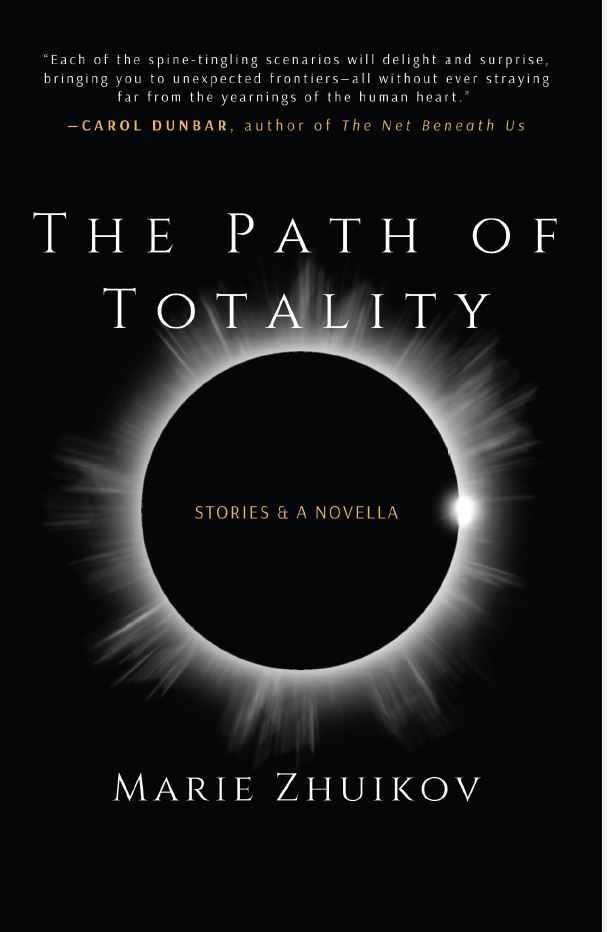
My collection of shorts stories, “The Path of Totality,” is being published this week by Cornerstone Press. It will still be on sale for a few more days for 20% off until the publication date, which is Feb. 11. You can order it from Cornerstone here.
I’m having a launch event Feb. 18th, 6:30 p.m., at one of my favorite cafes in Duluth—Wussow’s Concert Cafe. It’s being hosted by Zenith Bookstore. I’ll also be doing a reading/signing at Foxes and Fireflies Bookstore in Superior on March 1 from 1-3 p.m. If you’re in the area, please stop by!
Noted Superior, Wisconsin, author, Carol Dunbar is helping me with the Feb. 18th event. She is way more well-known than I am, having had two books published by a national publisher. She was nice enough to write a blurb for my book, which appears on its cover. She was also nice enough to volunteer for a question and answer discussion with me of our books and careers. We deal with many of the same themes in our writing, so it should be a cool event!
“Booklist,” which caters to libraries, recently reviewed “The Path of Totality.” Here’s what they said:
Love, in its numerous forms: romantic, parental, devotional, inspirational, and desperate, has a lingering presence in Zhuikov’s collection of tales. The title story describes a young couple’s emotional struggles after the devastating loss of a premature baby boy. While viewing the 2017 total solar eclipse, healing suddenly sprouts as something “flipped a reset switch” inside the wife. “Bog Boy” is a comically creepy tale illustrating that love truly has no limits. A teenage girl discovers the long-dead body of a young man entombed by peat in the woods, and the preserved corpse becomes her de facto boyfriend. “The Shower Singer” is a feel-good story about an aspiring musician who receives more than just a much-needed jolt of creativity when he hears a woman in the adjacent apartment singing lovely melodies in the shower. Other characters include a sleuthing widow obsessed with the strangeness of a house who ultimately pays a steep price for her curiosity, a hungry alien life form that stalks a college student in Biosphere 2, and a reference librarian with an extraordinary connection to sentient trees.
Fellow writer and blogging friend Vickie Smith was kind enough to review my upcoming short story collection for the Wisconsin Writers Association. You can find the review here, plus a link to preorder the book at a discount. (It’s coming out on Feb. 11.) You can find out more about Vickie at her blog, “Writing Near the Lake.”
Like me, Vickie lives near Lake Superior. We support each other as writers, and I hope to return the reviewing favor when her first book is published!
Here’s an excerpt from her review: Zhuikov’s stories explore a wide range of human emotions – grief, duplicity, curiosity, loneliness, love, obsession, and fear – against a backdrop of both rural and urban worlds filled with the inexplicable, the mystical, and the paranormal. She skillfully combines these human emotions with well-crafted imaginative worlds as she delves into the everyday desires and struggles people face, making her tales intriguing reads to be enjoyed by everyone.
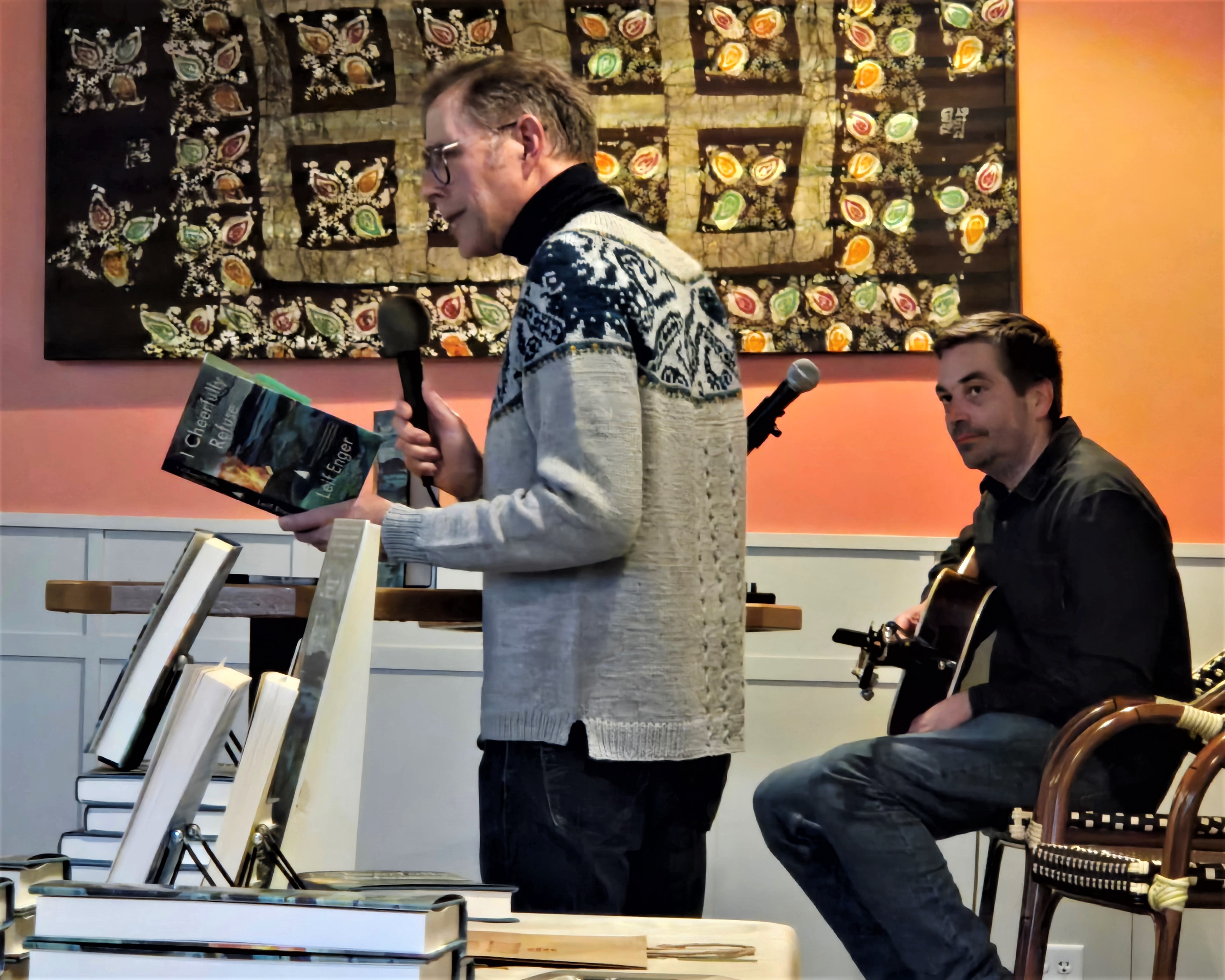
Leif Enger and musician at Enger’s launch for “I Cheerfully Refuse,” a novel set on Lake Superior.
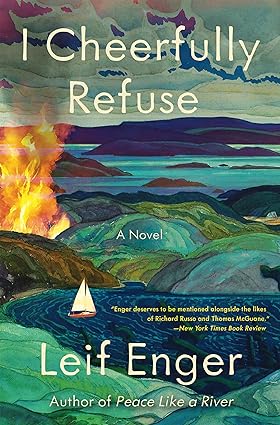
Duluth author Leif Enger’s latest novel, “I Cheerfully Refuse,” is set in the near future in small towns along Lake Superior and on the wide water itself. The apocalypse that’s occurred isn’t some cataclysmic event, rather the novel investigates what could happen if current conditions exaggerate. Citizens are increasingly desperate and illiterate, a billionaire ruling class referred to as “astronauts” (think Elon Musk and Jeff Bezos) employ indentured servants and conduct “compliance” experiments on people in medical ships that roam the seas. Lake Superior is subject to rogue storms and increasing temperatures. The warming waters finally give up the bodies that have lain preserved in icy slumber in its depths. School children have so many behavior problems from toxic chemicals they’d been exposed to in utero, they’re rated on a Feral Comportment Continuum.
Rainy, the narrator, is a bereaved bear of a man and a musician from the small mythical town of Icebridge on Minnesota’s North Shore. (If you read Enger’s previous novel, “Virgil Wander,” Icebridge is right next to Greenstone, the mythical town where that book is set.)
Image courtesy of Amazon
Through a series of unfortunate events, Rainy ends up fleeing Icebridge on a sailboat named “Flower.” Most of the novel follows his Gulliver-like travels to the Slate Islands and Michigan’s Upper Peninsula where he encounters fog, hunger, storms, and lawless townspeople. But there’s also poetic beauty in gulls that settle on his sailboat when he plays his bass, magisterial island rocks, and unexpected kindnesses from strangers. I don’t want to give away too much more of the plot.
Things I loved: The novel’s focus on the importance of music, books and literacy. The sailboat setting, and Enger obviously knows his nautical terms, having had a boat himself in Bayfield, Wisconsin. I also appreciated the hopefulness amidst the horror.
Things I didn’t like so much: The book’s ending. Although it’s beautiful and literary, I expected more after the epic events that led up to it. Once Rainy reaches his ultimate destination, readers are only given a few vague lines about Rainy feeling a slight warm weight against his back, “a pressure like a palm between my shoulder blades.” A few dream-like images round it out and that’s it. But I still think I’ll give it a 5 on Goodreads because the writing is so gorgeous, and we Duluthians need to support each other. The world out there is already cruel enough.
I attended Enger’s Duluth launch last April and noted a contrast to his “Virgil Wander” launch six years earlier. That event was held at a local independent bookstore shortly after Enger had moved here. About 45 people attended and ate brownies and bars made by Enger’s wife, Robin.
His latest launch was held at a local brewery where people’s food order buzzers interrupted Enger’s presentation as their pizzas arrived. I’d say the audience tripled, which is a testament to the connections Enger has developed in the community during his time here. True to the musical emphasis in “I Cheerfully Refuse,” a guitarist accompanied Enger, playing through breaks in his reading.
Enger said he wasn’t sure if he could call himself an actual Duluthian yet or not. As he lies in bed at night, he still thrills at the sound of the lift bridge and ore boats in the canal communicating with each other with their horns. He thinks if he were a real Duluthian, that would all be passé.
I would answer: the trick is holding onto that wonder even after hearing the horns a thousand times. Then Enger will be a real Duluthian.
Well, it wasn’t the series itself that broke the internet in my neighborhood, rather it was a virtual presentation about it by Netflix that seemed to break it.
About a month ago, I was invited to an exclusive virtual screening of a new television series that’s being made out of the book, “All the Light We Cannot See,” by Anthony Doerr. I was invited because I rated the book on Goodreads.
However, right when the screening was supposed to begin, the internet went down at my house. Luckily, I was able to access the event via my cell phone. I sure was glad I signed up for that new unlimited data plan!
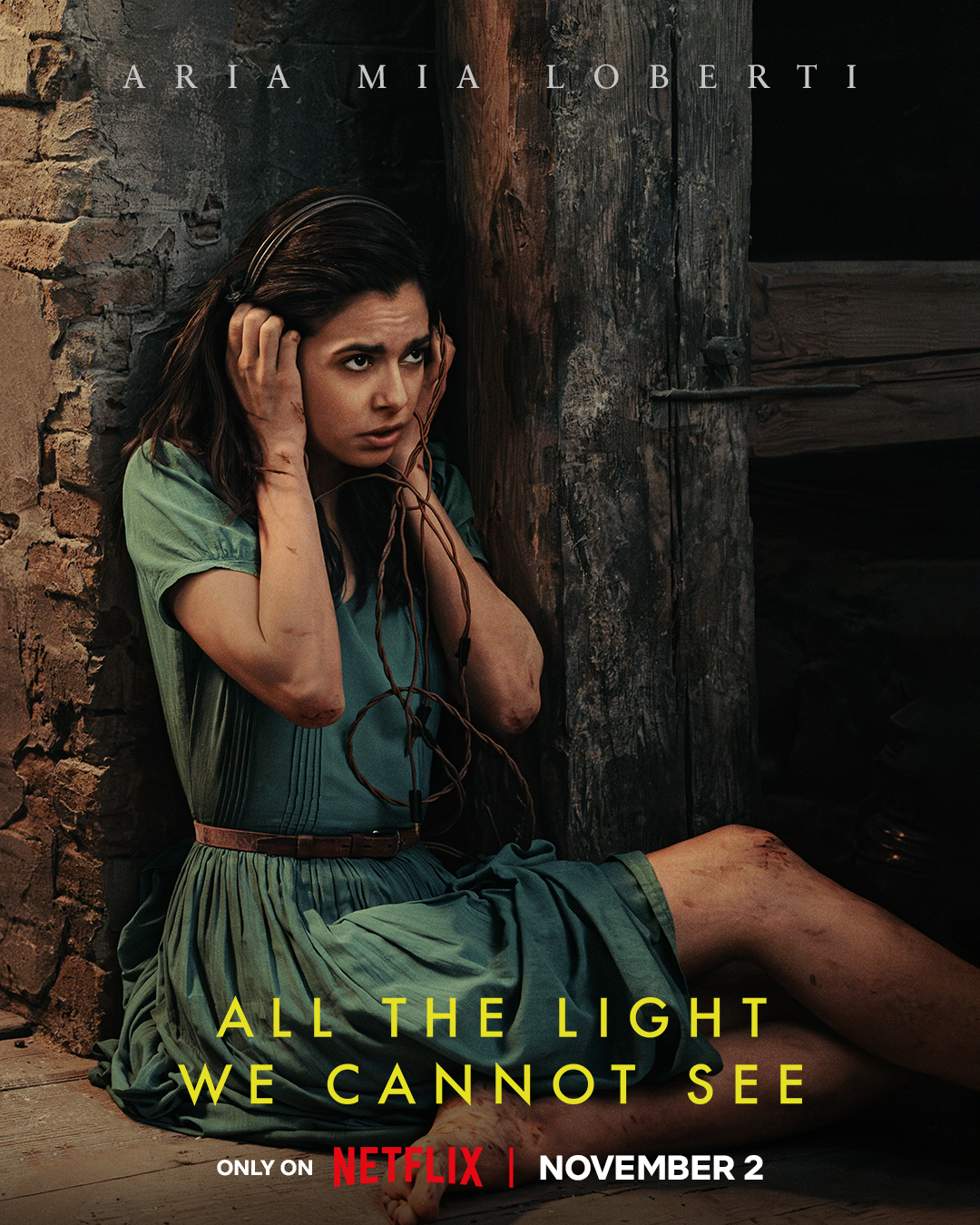
The event began with an introduction of one of the series’ main characters (Aria/Marie). Then the first installment of the four-part series was shown. It was filmed in Budapest and is set to air November 2 on Netflix. This was followed by an enthusiastic conversation between Doerr and the series director, Shawn Levy. I recorded it so I could make this blog post, complete with quotes and everything.
If you’ve been living under a literary rock, you might not know that “All the Light We Cannot See” won the Pulitzer Prize for fiction in 2015. I attribute this to Marie being one of the main characters’ names. Ha ha.
Marie-Laure is a blind girl who crosses paths with a Werner Pfennig, a German soldier, in occupied France during World War II. After her uncle disappears, Marie takes over his nightly clandestine radio broadcasts from the attic. Werner’s job is to track down resistance operations, including radio broadcasts. His life and Marie’s collide in this book, which illuminates the ways people try to be good to one another against all odds.
I gave the novel five stars on Goodreads, saying, “This book has *almost* spoiled me for any other. The writing! The metaphors! The sensory descriptions! OMG. The flipping between time periods and character points of view were confusing at times, but it all works in the end. So, keep reading. You won’t be disappointed.”
The character of Marie is played by a woman who is actually blind, “That’s valuable detail that impacts and informs every frame of this series,” Director Levy said. He conducted a global casting search for the part.
“We got thousands of videos. One of them is a unicorn of a discovery. She’s never auditioned, she’s never thought about being an actress, she’s an academic,” Levy explained.
He chose Aria Mia Loberti. She’s an American who was a graduate student in rhetoric. She learned about the audition from a former childhood teacher. Aria was a fan of the book and this is her first acting role.
Levy optioned the rights for the story after it was rejected by another firm, which decided it was too complicated to tell in a single movie.
Levy directs all four episodes, a task that Doerr called “herculean,” but Levy said this allows for aesthetic continuity between episodes.
Levy decided to direct all four out of selfishness because he loved the book. “By page 12 of episode 1 of the script . . . I said, ‘Oh no, no, I can’t share. I need to direct it and I need to direct all of it because I want live in this world and create this world in a way that feels uniform and unified across episodes.’”
Levy describes the work as one story that happens to have four episodic breaks. “I knew if I could make myself happy as a rabid fan of this book, likely I could make other fans happy. That was my whole strategy.”
Levy previously directed “Stranger Things,” a sci-fi horror series on Netflix. He also directed “The Night at the Museum” movies and “Deadpool 3.”
Doerr said that the general advice writers get is to write what they know. “I like to write into what I don’t know.” With “All the Light,” he said to Levy, “often, I’d get one-and-a-half sentences in and just like you guys, I’d have to go and build the set.” He had to research what it was like to be blind during the time period of World War II.
Levy asked Doerr how he combines lyrical storytelling with a taut narrative action. “Often, as a novelist, you’re toggling between the tiniest microscopic details, which can take a whole morning . . . and then other days, you’re trying to move totally structurally, and think, ‘where’s this tiny moment in the book falling in the larger scope of the narrative?’” Doerr said.
Levy finished Doerr’s thought with: “Because you always have to keep the narrative in your mind. Always. But you also have to be hyper-focused on this shot. It’s like zooming in and out from a macro to a micro lens.”
Many people think the book’s title comes from the blindness of the protagonist, but this was not Doerr’s intention. He thought of the title while on a train to NYC to see his editor about the cover of his current novel at the time.
“There was a guy in the seat in front of me and he was on his big 2004 cell phone. He was talking about the movie, ‘The Matrix.’ I remember that quite clearly. As we go underground as we near the city and Penn Station, his call drops, and he gets unreasonably angry. I remember thinking at the moment that what he’s doing is a miracle. He’s got this tiny set – a radio — a receiver and a transmitter no bigger than a deck of cards, and he’s expecting this conversation to work at 60 miles an hour, sending these little packets of light between radio towers at the speed of light. And who knows, the person’s he’s talking to could be in Madagascar or France. I remember thinking that what we’re all taking for granted is using this invisible light that can pass through walls. It’s a miracle and so many generations of humanity never had access to this kind of communication.
“I wrote down the title (usually titles come really late to me) but I wrote down “All the Light We Cannot See” in my little notebook that I carry in my pocket before I had anything. All I had was a girl reading a story to a boy, which is how episode 1 really begins, over the radio. I conceived of her being blind and him trapped in darkness, desperately needing this story. I just wanted to play with all the metaphorical meanings of where are we living and what our human perceptions involve.”
Levy asked Doerr whether it is surreal to have this population of people living in your head for years and then to see them burst into life on the screen. Doerr replied that he was blown away by seeing Aria’s audition video and also by the younger version of Marie, played by a child actress named Nell.
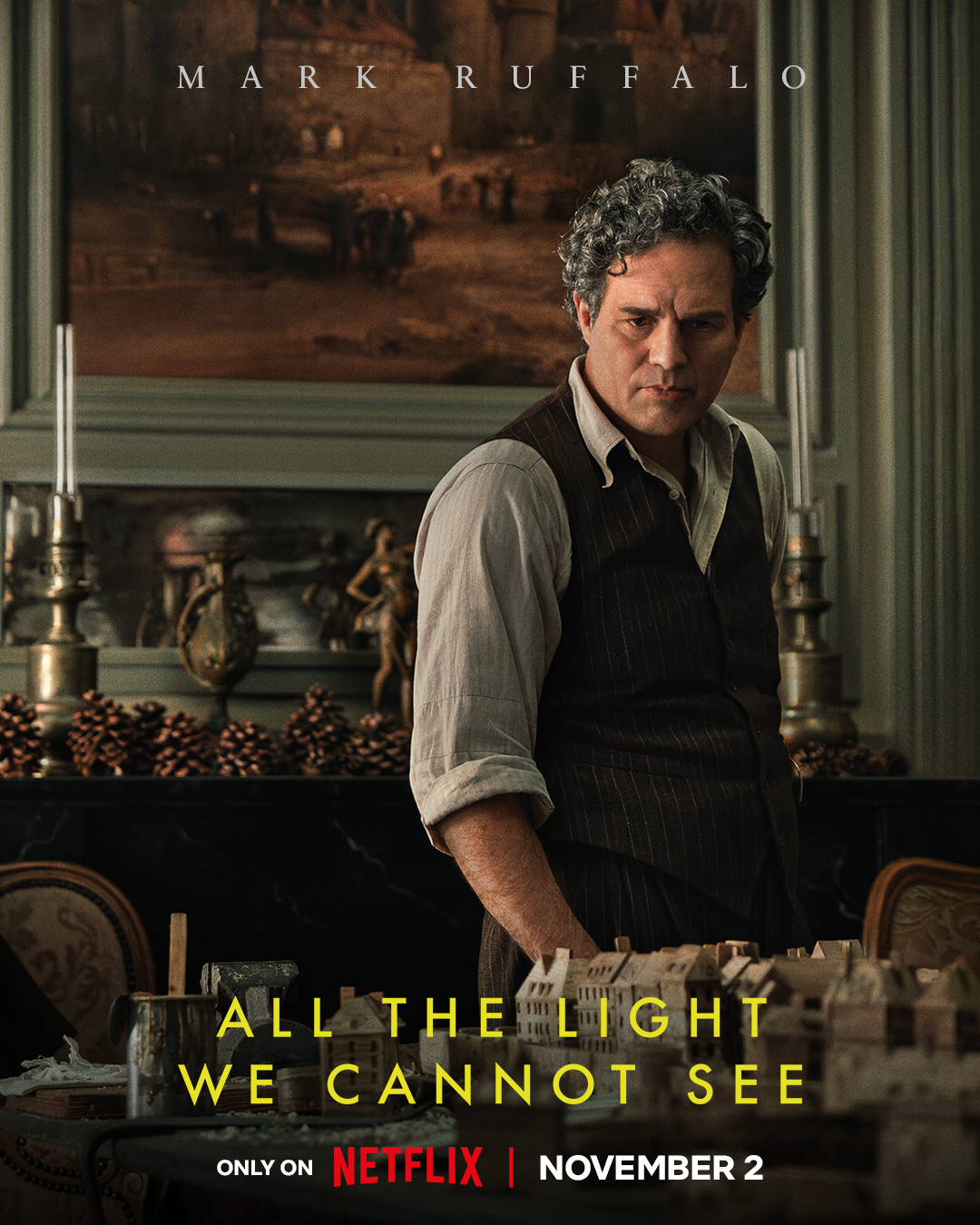
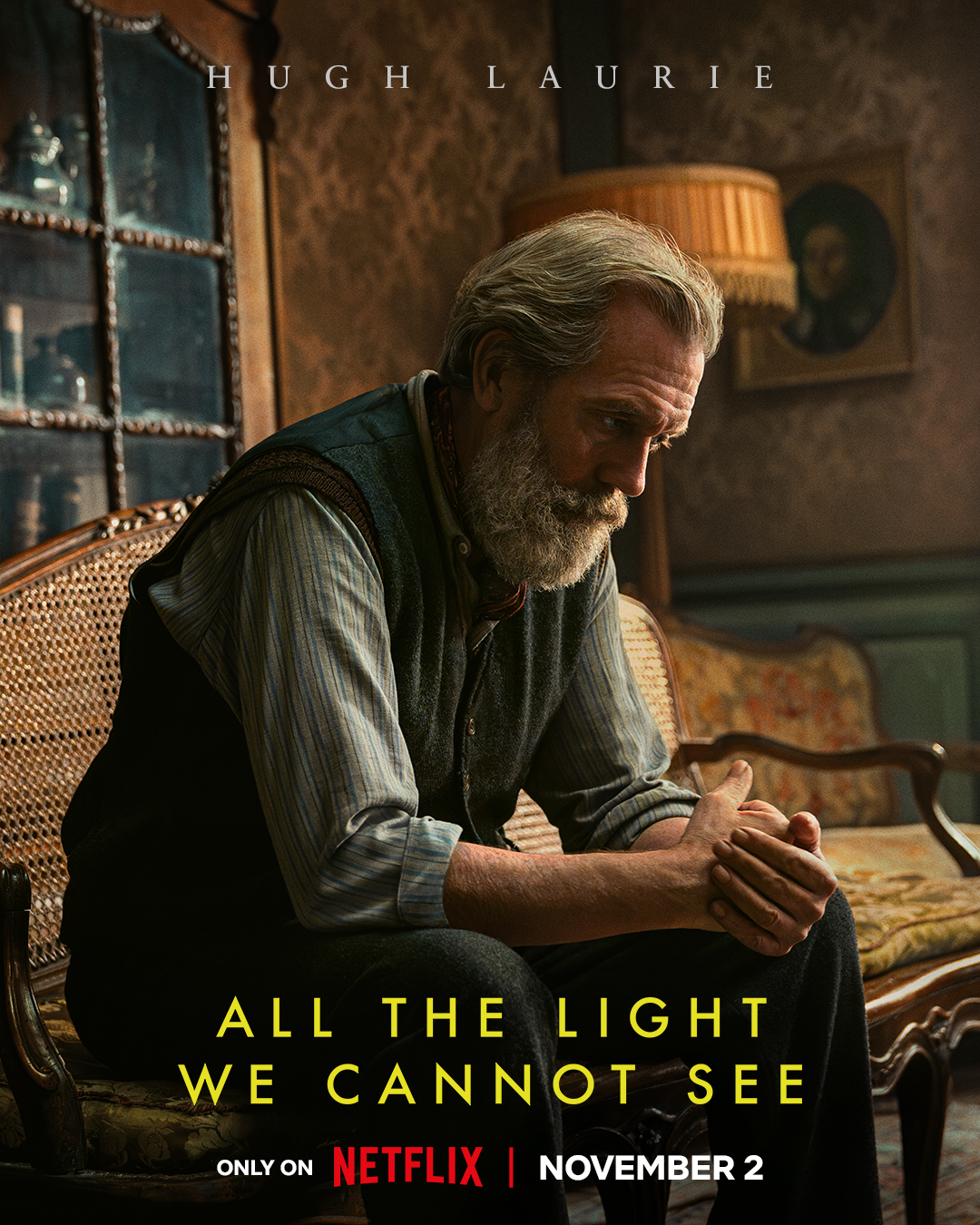
The movie stars other, more familiar actors, too. Wisconsinite Mark Ruffalo plays Daniel, Marie’s father. Hugh Laurie plays the reclusive uncle.
From being privy to episode 1, I can tell you that if you loved the book, you’ll love this series! I still can’t quite believe that I was invited to this preview.
Then the screening and conversation was over. Just as mysteriously, my internet reappeared at that instant. It made me wonder how many people got invited to this “exclusive” screening, anyway?
Unlike the man on Doerr’s train, I did not get unreasonably angry when my technology stopped working. I did get stressed out though, because I didn’t want to miss the screening. The irony does not escape me that my cell phone worked while the train man’s didn’t. And for that, we have to thank the miracle of invisible light that can pass through walls.