Getting my Blue Mind on: Part 1 of 2

J Nichols ORIGINAL Headshot_c_JeffLipsky_preview

Wallace Nichols

I had Dr. Wallace Nichols, author and marine biologist, captive in my car for forty minutes over the course of two days. Far from kidnapping him, he was in my car willingly because I was his morning chauffeur for a local science conference about the St. Louis River (the one in Minnesota, not the one in Missouri).

Nichols was the conference keynote speaker, talking about concepts described in his book, “Blue Mind: The Surprising Science That Shows How Being Near, in, on, or Under Water can Make you Happier, Healthier, More Connected & Better at What you do.”

As a watery kind of person myself, I relished this opportunity to learn more about the whole Blue Mind thing. Basically, it’s this: Being by or in water can calm people down and make them more creative. This idea is nothing new, it’s just that now it has a champion in the form of a Kevin Costner-esque man with a Ph.D. And it’s a nice side benefit that this man seems very humble and down-to-earth (down-to water?).

Book CoverThis is my rather jumbled account of things I quizzed him about in my car, things he said at the conference, and things I recall from reading his book. I tried to separate all the information out according to when I heard him say it, but it was useless. I guess I’m too holistic for that.

Although Nichols’s ideas may seem rather surfer-dude-ish — like they come from California, which indeed is where he lives — Nichols refers to himself as a Native North American. He grew up on the East Coast, but has lived various places in the Midwest and Southwest while on his eventual way to the West Coast.

In fact, Nichols credits the Apostle Islands National Lakeshore for focusing his love of water and inspiring his career as a sea turtle biologist. He visited the area for ten days when he was in high school.

I wish I would have had time to ask him exactly what happened during his experience to inspire him, but in his speech he said his time in the Apostles led to his realization that water was, “. . . Where you feel like the best version of yourself. You are surrounded by nature, you’re in the elements. You’re where you should be.”

Something he didn’t mention in his speech was that he used to stutter as a child. I would expect that being in the water helped with that. “Just to be quiet in or near the water. To learn a new activity, learn to surf or to swim – those are very often the highlights of our childhood or adulthood,” he said.

His goal at the conference was to encourage the audience to bring science and emotion together in their work. He used a mixture of personal stories and research results to highlight how important water is to people from emotional, psychological and spiritual standpoints.

I read the Blue Mind book a few months ago. What struck me was that Nichols cited many studies, but most of them were associative – there weren’t many you could point to that were specific to how people react in and near the water.

I asked him if he was doing any more specific studies or if he was cooperating with any neuroscientists who were. He said that since his book was published in 2014, other studies have been published, and in his conference speech he described them.

Also, to the audience he said, “We talk a lot about the ecological, the economic and educational benefits of our work. We’re pretty good at quantifying this stuff, these 3 Es. We’re not so good at talking about or even including this emotional connection, the emotional benefits of healthy waterways. I would say, that should be switched to the top of the list. These are the benefits that grab people and bring them into the conversation.

”From a strategic perspective, first let’s not leave them out, and second, let’s prioritize them so that we’re fulfilling a larger movement. The emotional connection supercharges our understanding of ecological, economic and educational benefits of healthy waterways. By the way, emotion is something we can study. It can be as quantitative as you want it to be. It is hard science. Increasingly, organizations are using emotions as a tool to advance their advocacy work.”

Nichols offered this criticism and advice for environmental groups: “The environmental movement has used fear and anger to communicate about their issues. Guilt and shame are other motivators, and lots of facts — until they are confused. We talk about ecosystem services, we talk about the crisis. We blame you. It’s your fault. It’s terrible. The future is bleak. And by the way do you want to join my club? Sound familiar?

“Is that effective? We think it is. But we’ve proven time and time again, not so much. Maybe gratitude is another tool we can use. Love, what about that as a motivator?”

He left the conference attendees with this thought: “Water is life that makes life worth living as well. When we undervalue water, we lose that. When we undervalue anything or anyone, bad things happen. Water is our first medicine, for both physical and mental health. Bring the science of emotion to your conversations, do not ever leave it out.”

If you’d like more information, please check out his book. You can also read this blog post I wrote for my job.

Think about your own life. Are you stressed out? What helps you deal with that? Is it working for you? If not, remember the water. Remember music. Remember nature in general. Get out there. And don’t forget to breathe.

*

Another conversation I had with Mr. Nichols dealt with floatation tanks. You know, those are the tube tub things you can go in that are filled with warm salt water and silence.

They strike me as sort of scary, but Nichols He recommended them for dealing with stress or to inspire creativity.

A business in my town recently opened a flotation tank. I decided to live on the wild side and give one a try. My appointment is tonight. That’s what Part 2 will be about.
Spending Time in Front of Minnesota’s Largest Stone Fireplace

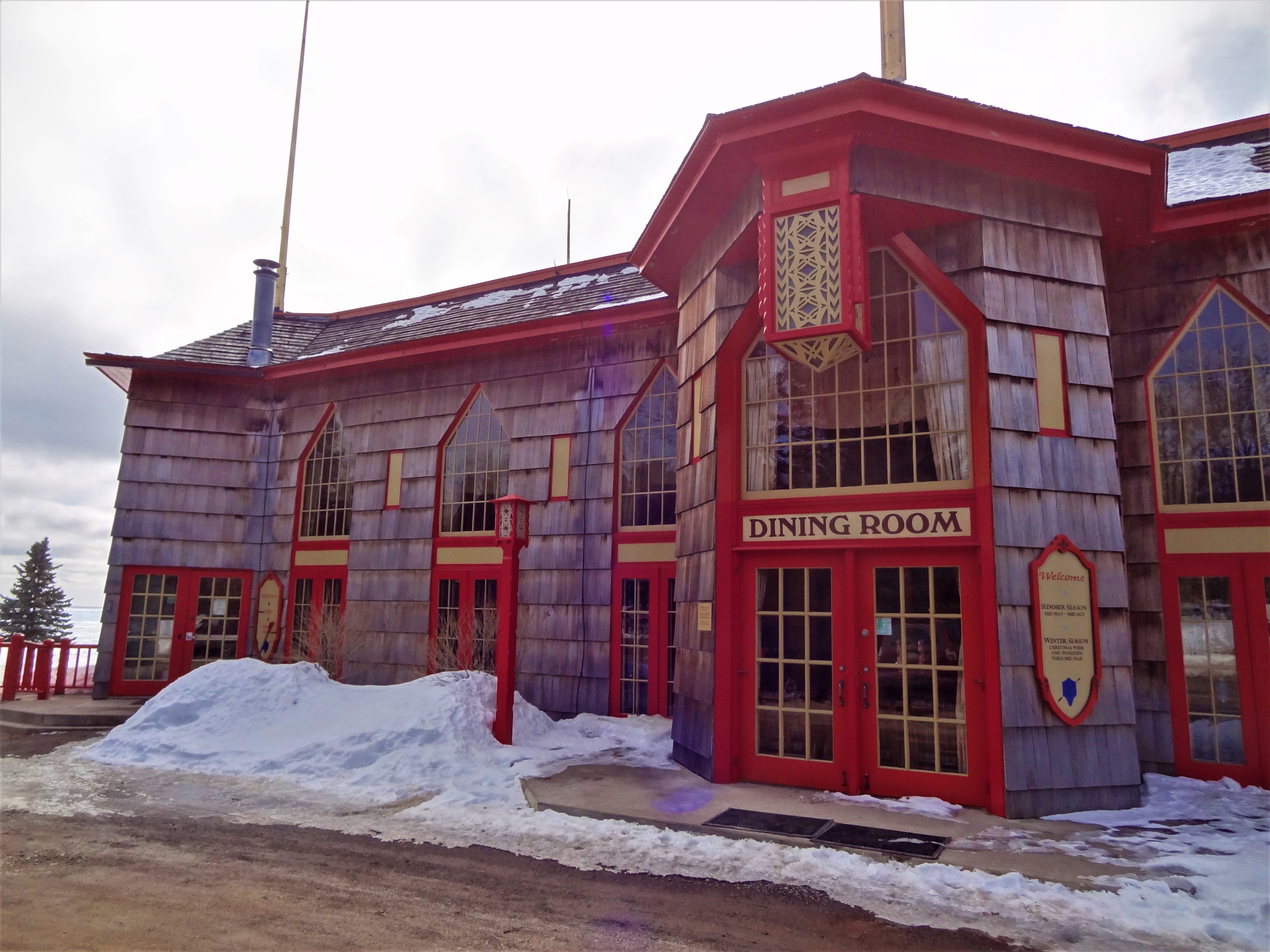
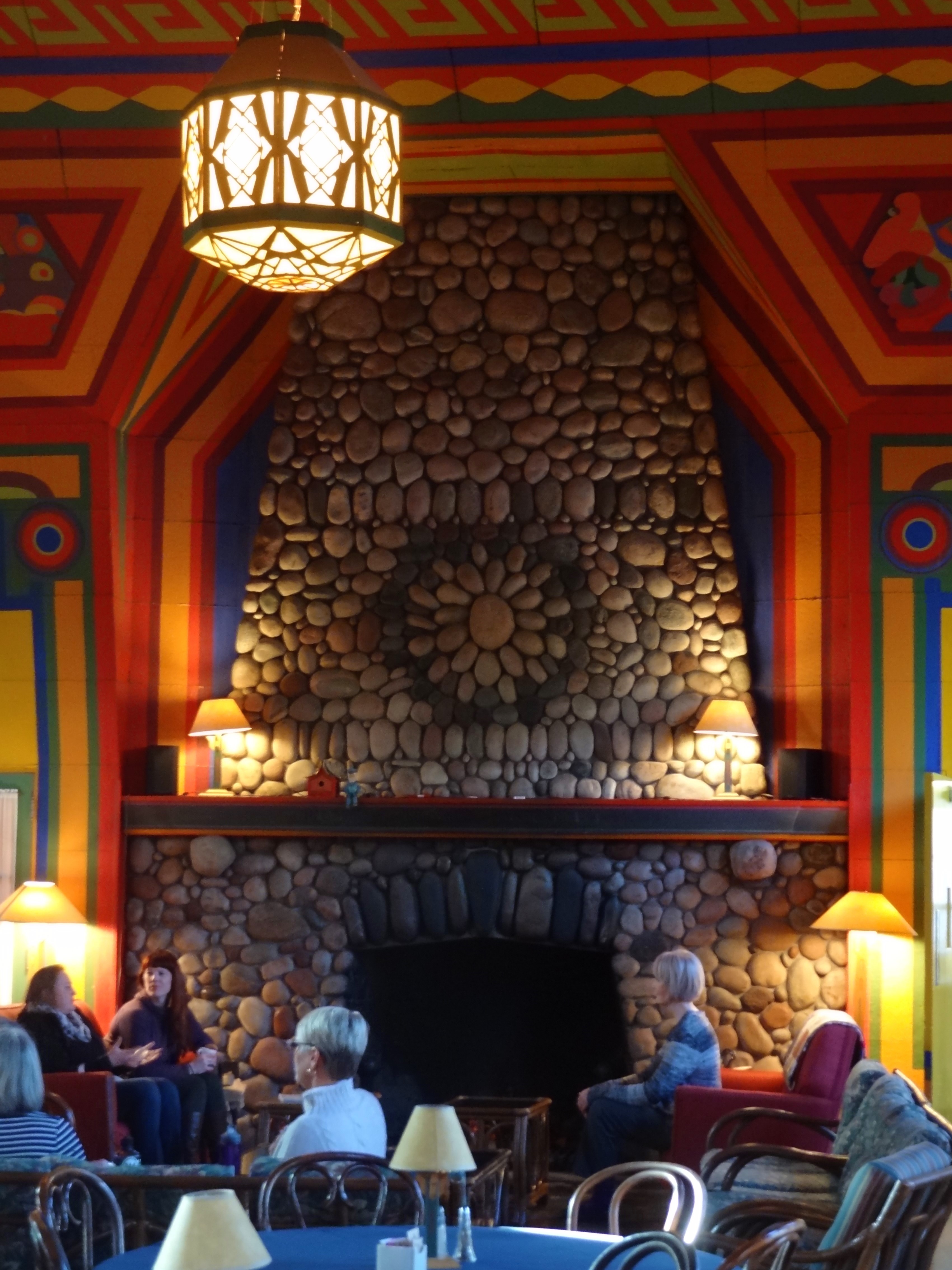
DSC04597In conjunction with my trip to see Minnesota’s Tallest Waterfall, I also got to spend time with the state’s largest stone fireplace, or so the claim goes. The structure is located inside the dining room of Naniboujou Lodge on Lake Superior, near the Canadian Border.

Now, if you’ve read my novel, “Eye of the Wolf,” the lodge’s name might sound familiar. That’s because I describe Native American stories about Nanabozho in it. Naniboujou or Nanabozho is the trickster god, the god of chaos and practical jokes, a mythical figure of the outdoors and even creation itself.

DSC04602The trickster god myth “belongs” to more than just one tribe. The lodge gets its spelling and images from the Cree version. In my book, I concentrate on the Ojibwe version. Nanabozho’s mother was human and his father was the west wind. He’s a shapeshifter, often appearing as a rabbit or a human with rabbit ears and legs.

A wonderful local painter, Rabbett Before Horses Strickland, centers his work around Nanabozho. You MUST see his work if you ever get the chance!

Anyway, back to the lodge. You know you’re in for something different when first setting eyes upon it. Only two stories high, the building is long and low, covered in shaker shingles with windows outlined in bright orange red.

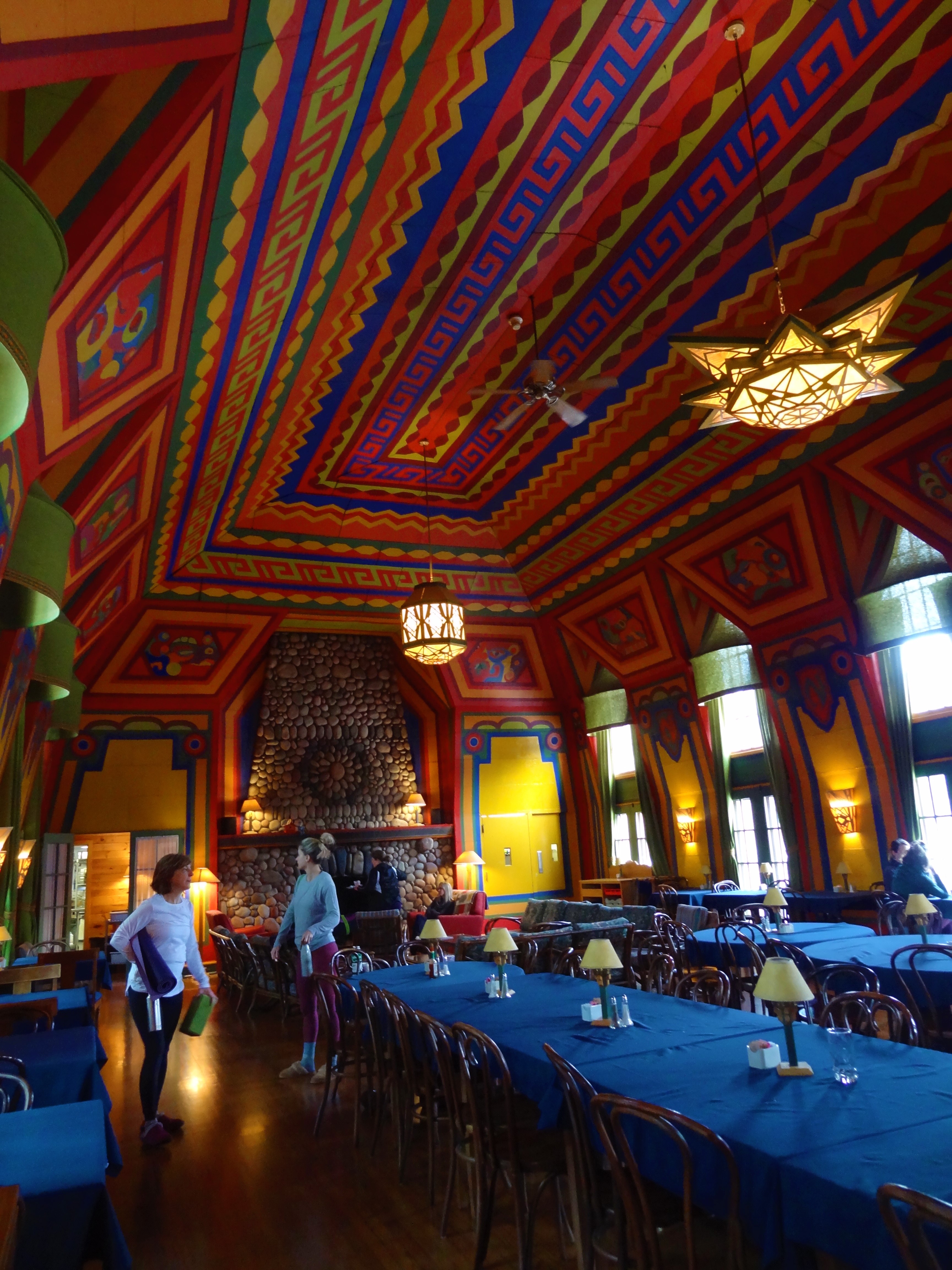
After checking in at the lobby, your eye will be immediately drawn to the adjacent dining room, which features a high ceiling and walls painted iridescent red, yellow, orange, and blue designs.

DSC04636

The record-breaking stone fireplace anchors the end of the hall, its neutral colors providing a respite for the eye. It looks like the stones could have been collected from the rocky Lake Superior beach, which lies only a few yards away.

The lodge, which is on the National Register of Historical Places, was built in the 1920s as a private hunting club, just before the stock market crash. The club was sold and the building became a public hotel, owned by a series of different people and organizations.

Although the lodge is closed to the public during the winter, it is open for private group events, and that’s how I had the opportunity to see it for a weekend stay. One thing to note is that alcohol is not sold on the premises, but you can bring your own.

The lodge will open back up in the third week of May, when guests can once again experience the dreams of the lodge’s founders, which were to:

Live and learn. Learn why the raspberry follows the fireweed; learn how the fern seed clings to its fronds; learn the ways of the kingbird, the haunts of the wood thrush; learn the pasturage of moose and deer and the home life of the beaver.

If you ever meander up Lake Superior’s North Shore, be sure to check it out!

DSC04594

French artist, Antoine Goufee, painted the lodge’s dining room. This is his version of the lodge’s namesake, Naniboujou.

A Visit to the Tallest Waterfall in Minnesota

20180324_155408Filtered

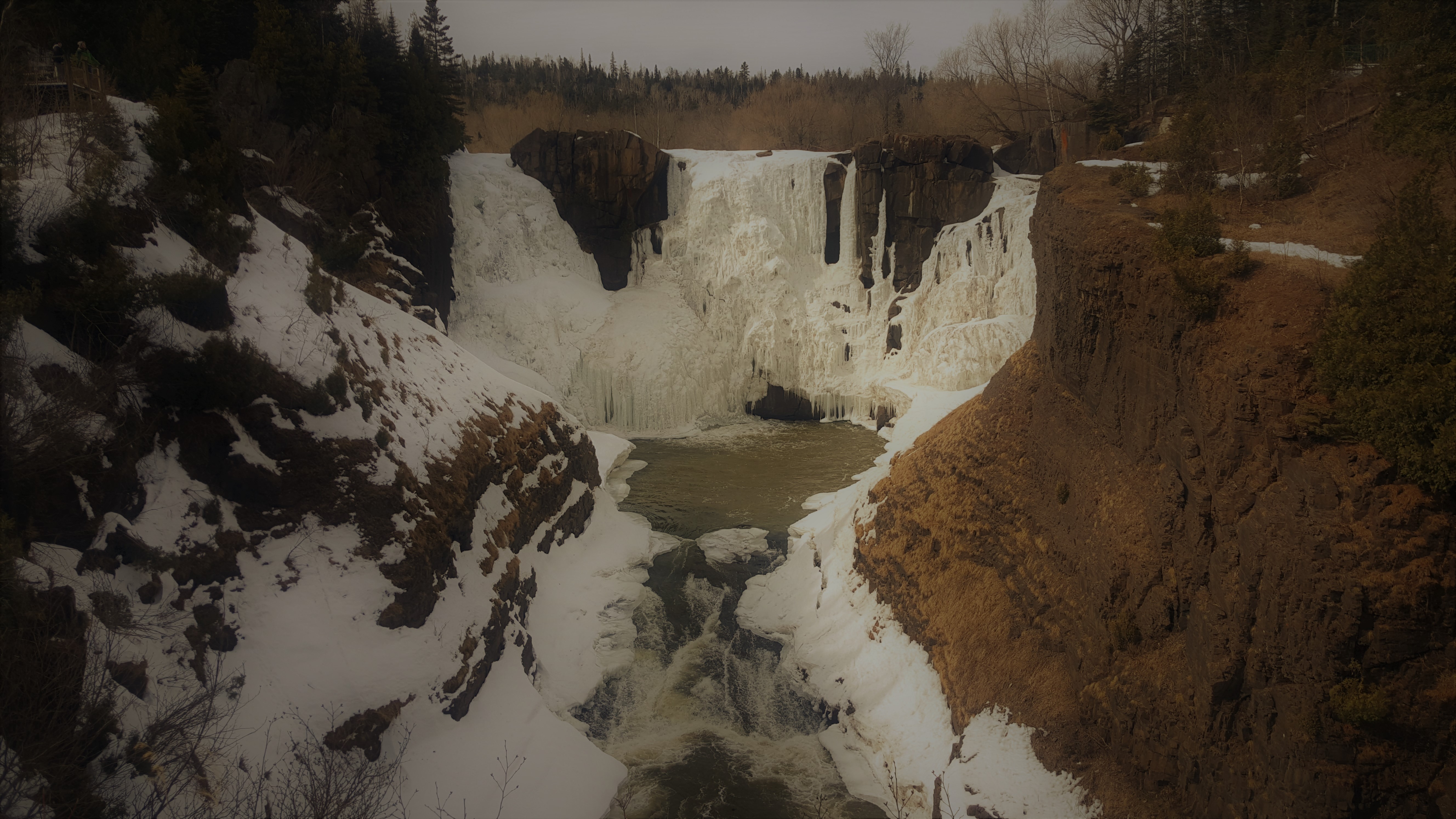
The High Falls in Grand Portage State Park, Minnesota.

My traveling companion and I meandered north along Lake Superior with migrating bald eagles toward the Canadian Border last weekend. Although temps are still freezing, the long spans of daylight and slackening snows have a feel of spring about them.

We decided to cover some new territory by visiting the High Falls at Grand Portage State Park along the border. The 120-foot falls are the highest in Minnesota, so, in order to be proper Minnesota residents, we figured it was about time we saw them.

A short and slippery hike (wear your Yak Trax!) brought us to a giant white-frosted wedding cake of a waterfall. Most of the falls were encased in ice, but underneath, the Pigeon River flowed with unstoppable abandon. A large crack across the middle foretold of the eventual cutting of the cake once temperatures rise.

Once done with this quest, we drove back south to our resort (the Naniboujou Lodge, which I will write about separately). We vowed to stop at the intriguing and picturesque harbors we had seen on our way up, but were too goal-oriented to explore.

20180324_160746VignetteWe stopped several times along the highway, but the best place was one without a ready-made scenic parking lot. We glimpsed a bay that whispered of Norway and ice and stillness. We drove back and forth, looking for the best access road. There were no roads, only private driveways.
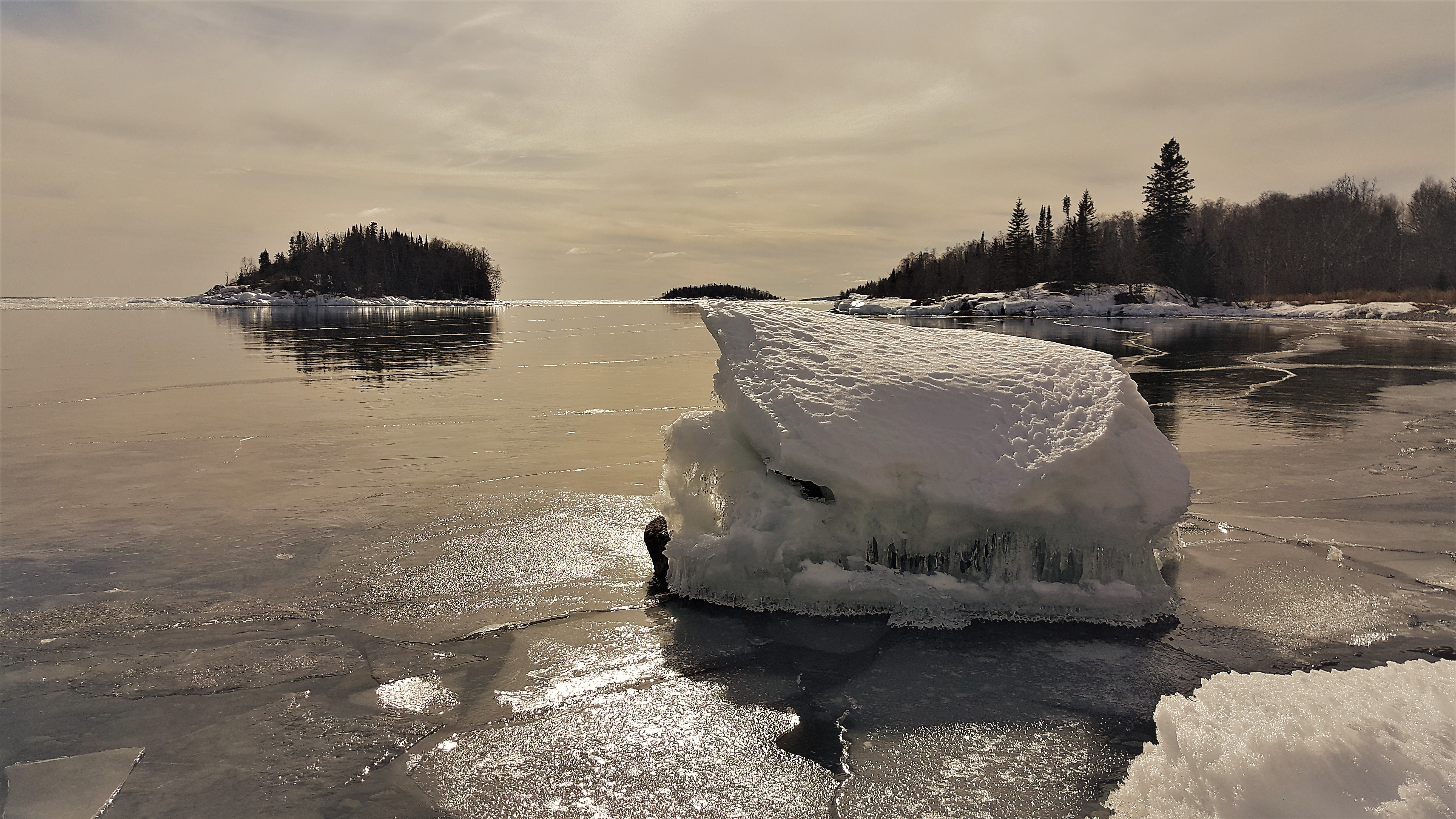
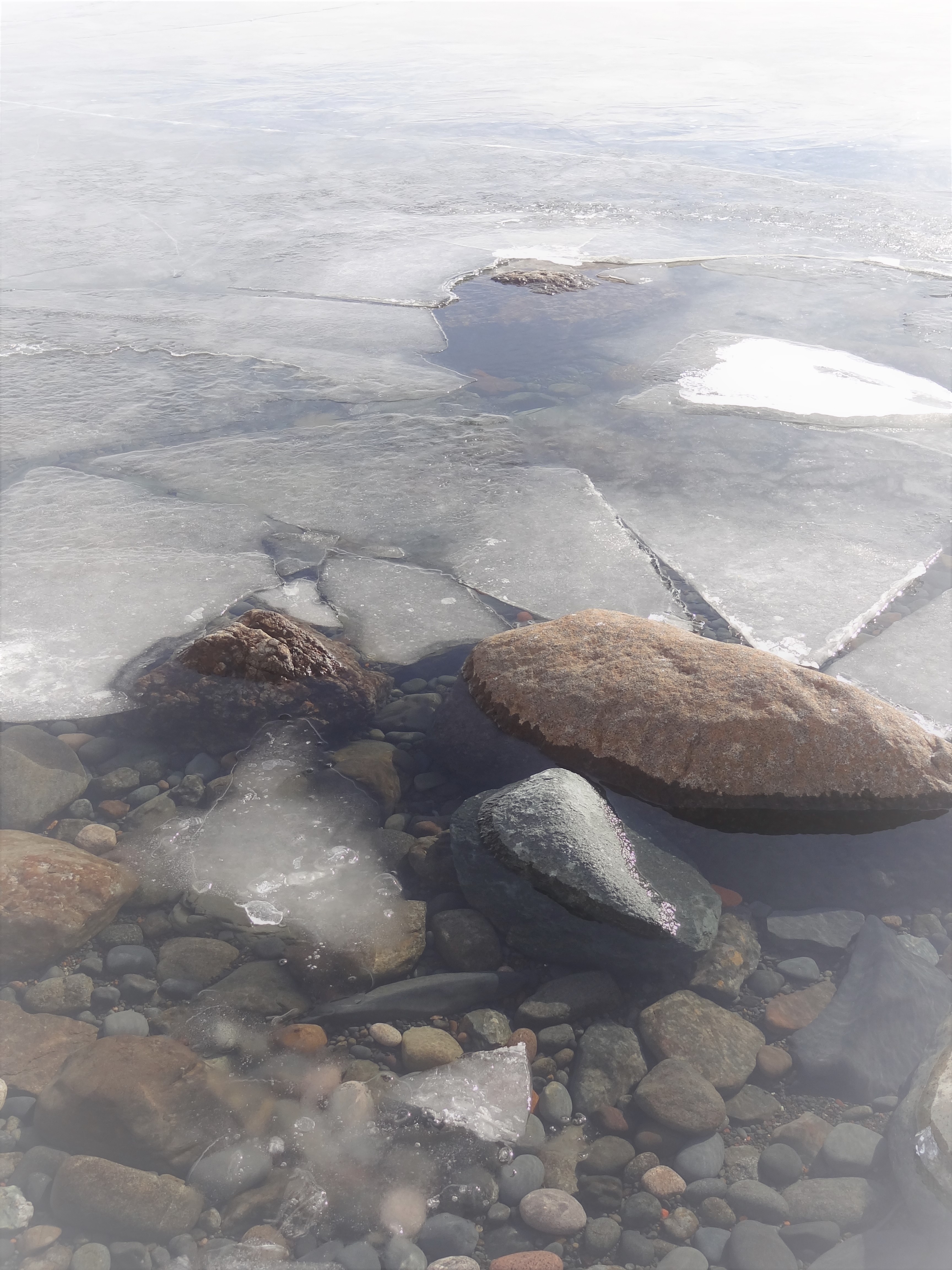
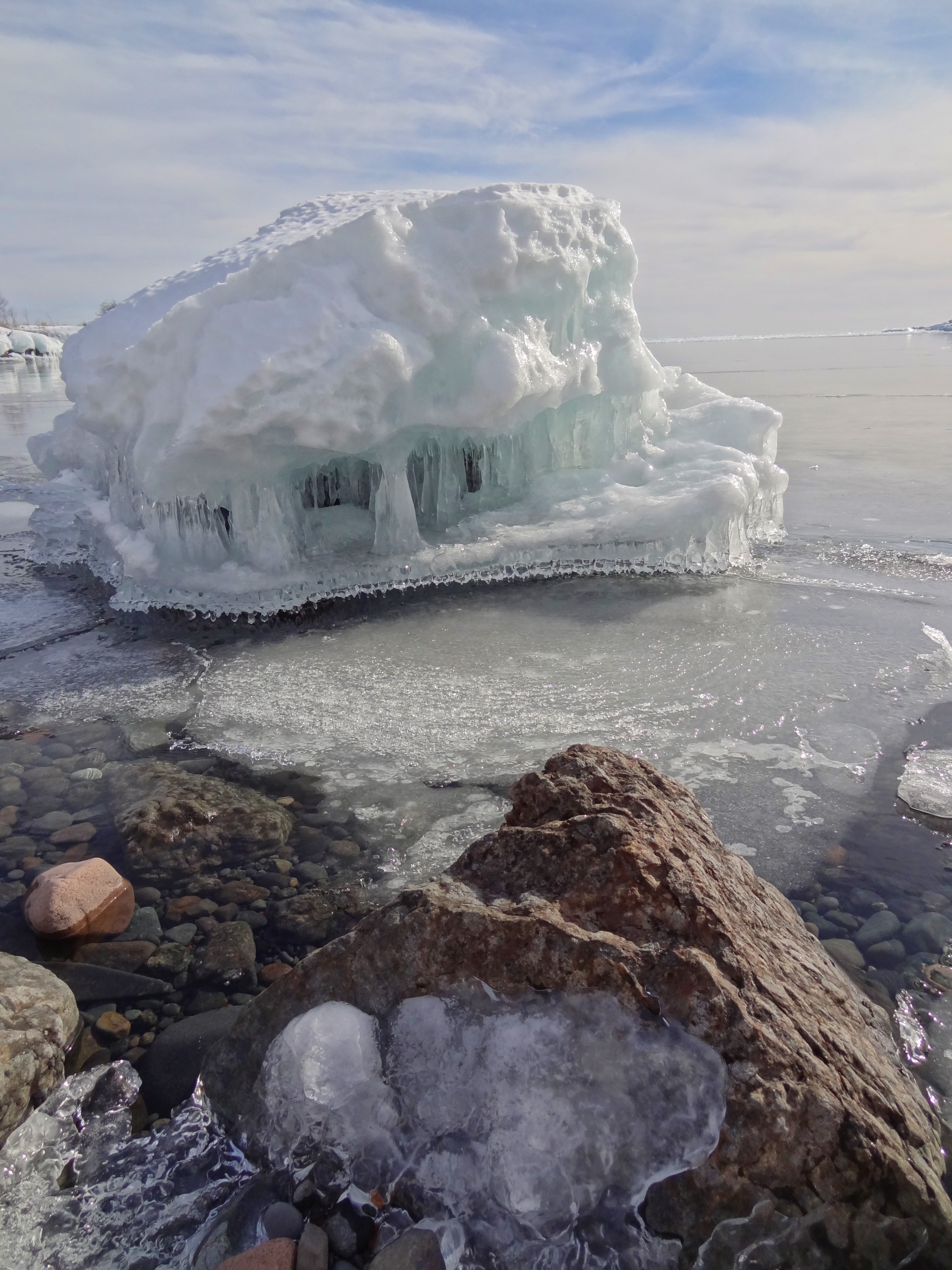
Finally, we chose one that looked the closest to the bay. As we pulled in, we could see from the untrammeled whiteness of the driveway that no one had driven on it for most of the winter. However, there was a foot trail through the snow that we could follow. So, after some hemming and hawing, and getting out of the car, we did.

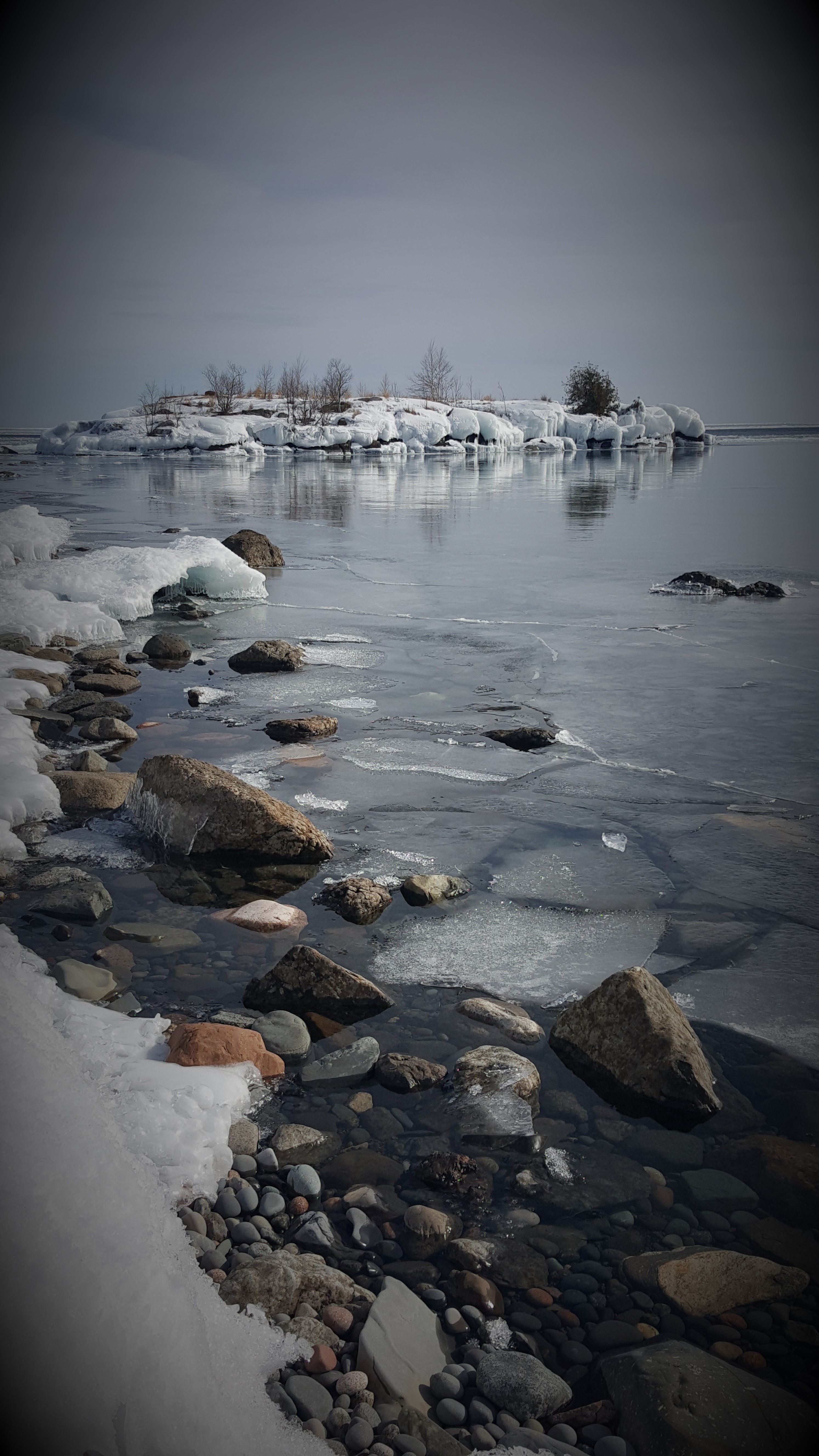
A short crash through the underbrush brought us out to the view, which now SHOUTED of Norway and ice and stillness. Oh, it was gorgeous and well-worth a little harmless trespassing! Please enjoy these images of our “Secret Cove.”

20180324_160813Zekefilter

DSC04625Soft

DSC04628

Waking Up My Face: A Skincare Diary

20180320_181931

A few hours post-procedure. Lots of redness!

March 20th

Today, I willingly let someone drag needles all over my entire face, and I paid good money for it, too ($300 with tip). The procedure is called micro-needling. It’s an optional skin care treatment designed to reduce signs of aging and improve scarring.

Perhaps you remember the painful fun I had a few years ago with the Lamprobe. Masochist that I am, I have had an additional Lamprobe treatment since then, plus a facial or two. But now, the hint of droopy jowls, enlarged pores, and lines around my lips and eyes caused me to look for a different type of therapy.

The woman who gave me my last facial recommended micro-needling. It involves the use of a micropen, which is a device that looks rather like a large magic marker. It has a dozen tiny needles on its tip, which, according to the brochure I got from my skin care clinic, creates “controlled micro-injuries to the skin in order to aid in the production of collagen and elastin.”

How is it done? “In a single motion, the pen will be gently pressed against the skin while simultaneously gliding in one direction until the entire treatment area has been covered.”

In other words, someone drags needles all over your face and you pay them for it.

After my previous painful beauty experiences, I was not looking forward to the procedure. BUT, unlike with the Lamprobe, a topical anesthetic was applied to my face beforehand. The technician waited 20 minutes for it to work (during which I got to listen to New Age Space Music) and then she broke out the pen.

While she worked, she explained that the tiny injuries “wake up” your skin and make it start producing the materials that keep it firm and youthful. Did it hurt? No. I did feel some pricks, but nothing too bad. Mostly, I felt the vibration of the pen as it glided across my skin. It felt like an electric razor. It even tickled, especially near my ears and nose.

From check-in to check-out the session took an hour. My face was still numb when I left the office. Your face will most likely turn bright red afterward, so it’s a good idea to hole up at home for the rest of the day, unless you are totally unselfconscious.

Even after the anesthetic wore off, my face felt tingly and “awake” but it didn’t really hurt. It did turn red, though – reminiscent of raw hamburger with a sunburn. A few pricks of blood were scattered across my nose and forehead.

Eventually, my face got hot and dry. The technician had sent me home with an after-care kit, which included a cleanser, a cucumber spritz, a balm, a growth factor serum (what does it grow, I wonder?), and a hyaluronic acid serum. I used the balm and spritz as the technician recommended, and that calmed down my skin.

So that’s where I am at this point. I will write more later to let you know how long the redness lasted and what I think of the results. But I can tell you it didn’t hurt as much as I was expecting.

*

March 21, the day after

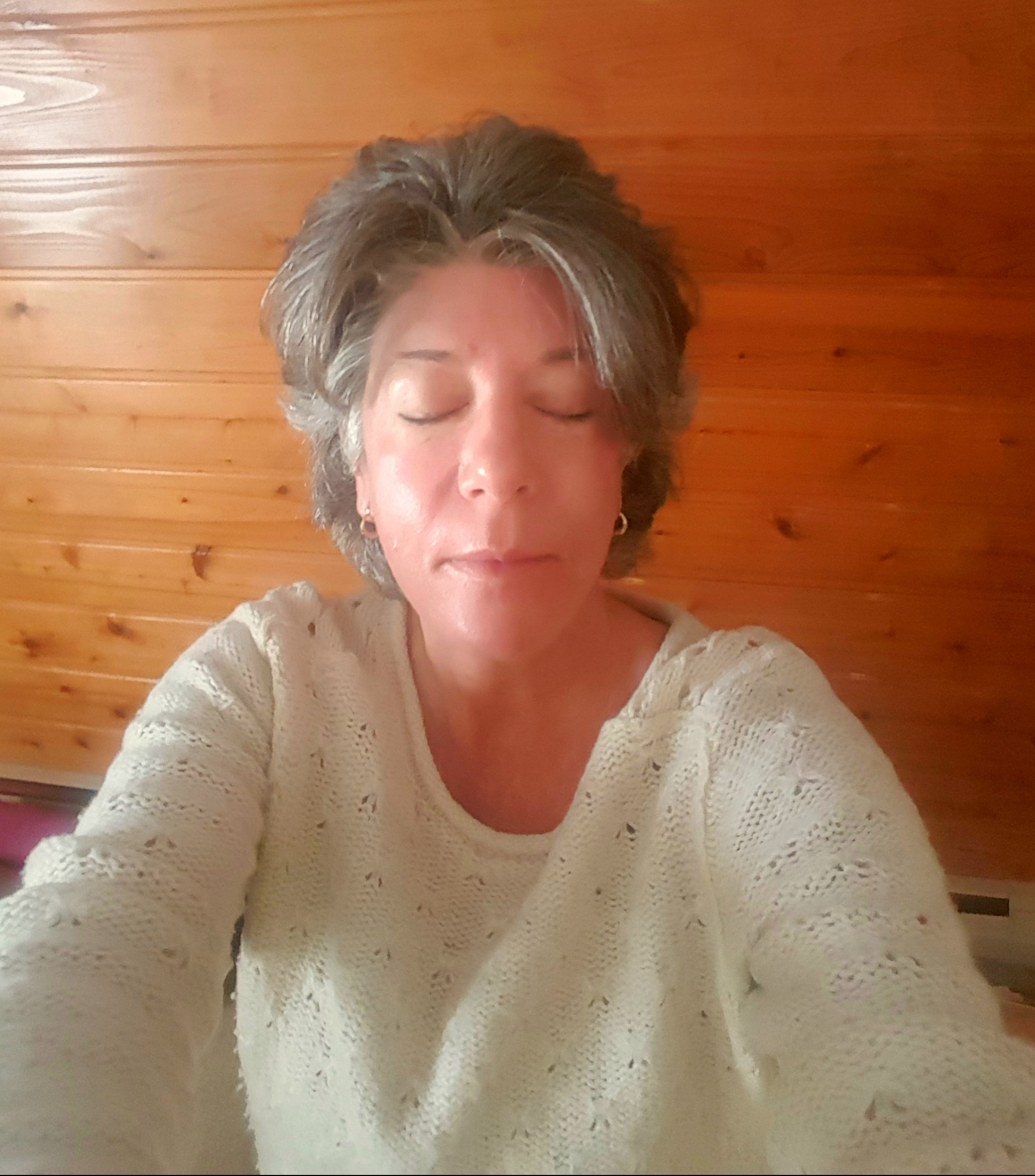
When I awoke, my face was about half as red as it was yesterday. It has graduated from sunburnt raw hamburger to just looking like someone attacked me with sandpaper.

I didn’t have any trouble sleeping – no pain or irritation. My skin still looks too inflamed for makeup, so I’m going to wait on that until tomorrow. At least I can put on eye makeup and lipstick.

*

March 22, Day Two

The redness has decreased again by half. I almost look normal – just a little tan. It seemed safe to put on makeup, so I did that today. Some tiny pieces of skin are flaking off, but that subsided after I applied the various skin care products in my after-care kit.

I can’t tell a whole lot of improvement in my skin yet, but my jawline might be a bit tighter. I suppose it will be easier to tell once the skin calms down.

I keep thinking of something the technician said — that skin care should be like going to the dentist. Once or twice a year, we go and get a deep cleaning, and the rest of the time we do our own maintenance. She recommended one or two procedures like micro-needling per year in addition to “home maintenance.” She almost made me feel like I wasn’t being vain, just practicing good self-care. But part of me thinks I’m still being vain. 🙂

As the day wore on, more flaking started around my lips and on my nose.

*

March 23, Day Three

Lots more flaking going on today, mainly around my lips and nose. The skin on my cheeks surrounding my mouth looks firmer. I don’t think it’s just my wishful imagination. I’m beginning to think this procedure might be worth it.

The redness is gone.

I like the fact that this procedure is somewhat “natural.” It stimulates your skin’s own mechanisms to improve itself. You don’t have to be put to sleep like you would with a face lift, or have weird chemicals injected into your skin (like botox). And no, I am not getting paid to write this!

*

March 24, Day Four

My nose shed the rest of its skin this morning. There’s still some flaking on the rest of my face.

The post-procedure instructions say that you’re supposed to let the flakes fall off naturally and not pick at them. I am doing pretty well at this. Well, maybe I am picking at them just a little. Okay, maybe I am standing in front of the mirror for minutes on end, trying to get rid of all the flakes.

Stop it, stop it, Marie! The problem is that a friend and I are in a social situation for the next few days – we’re around a bunch of people who we are meeting for the first time, and I don’t want to have a big chunk of skin hanging off my nose while I try to hold a conversation.

I gave my friend permission to tell me if/when I have a flake that needs addressing. So far, though, I don’t think anyone has noticed but me.

*

March 25, Day Five

Just a little flaking. Things are looking good! I am doing better at restraining myself from picking at them.

*

March 26, Day Six

Still some more flaking. My skin looks smoother. I am happy with the results, and I would recommend the procedure to anyone in their “elder years” who wants to do some upkeep on their face. You can also do the procedure elsewhere on your body to get rid of scarring or stretch marks. People also do it on their décolleté to firm up the skin.

Writing for Money (Yes, it is possible!)

27459957_1874947125863336_43835269074636255_n

I took part in a public panel recently at the Duluth Public Library. The topic was “Writing for Money,” and the panel featured three other local writers besides myself. It was sponsored by Lake Superior Writers, and facilitated by Felicia Schneiderhan, noted writer in her own right.

The audience was comprised of mostly writers who work for “free” and writers who currently receive pay. A few writer-wanna-bes were sprinkled throughout. I suspect everyone walked away with some new ideas to pursue — including me, who has been in this business for way too long.

Local blogger, Ed Newman, wrote this post about the panel in his blog, Ennyman’s Territory. Newman, a former PR man for Amsoil (a synthetic motor oil company), is also an artist, writer and culture buff who gets around to all the local arts events and shares his insights.

Hosting free panels like this are a valuable public service. This is the second of three planned by Lake Superior Writers. The next will focus on arts grant writing.


Author Reading on Wisconsin Public Radio

DSC04544

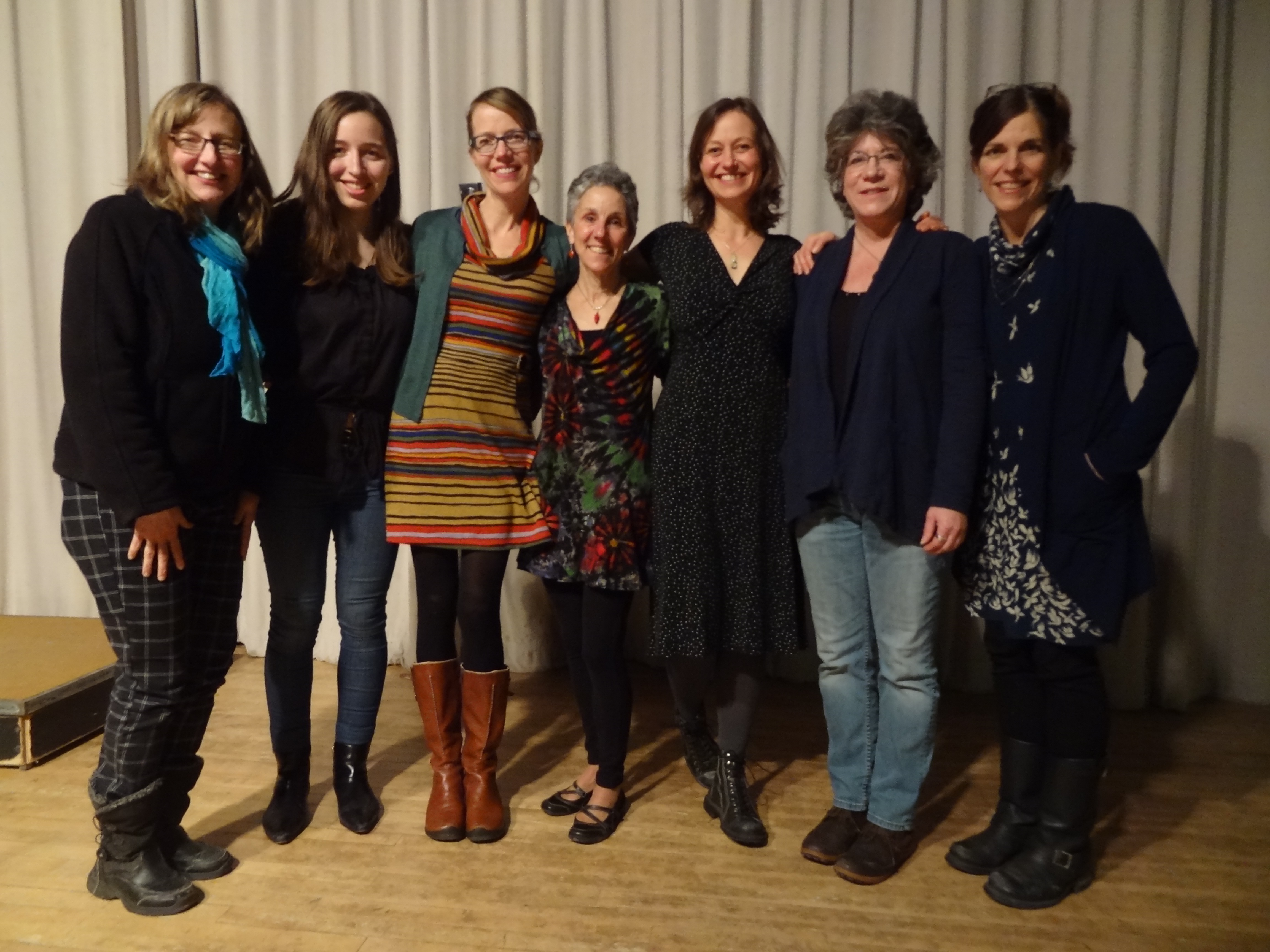
Writers from Duluth who participated in the “Writers Read” contest reading included (left to right) Lucie Amundsen, Maddie Cohen, Avesa Rockwell, Molly Hoeg, Felicia Schneiderhan, myself and Carol Dunbar. Missing is Liz Minette.

I was one of 19 writers from Duluth and northern Wisconsin who were chosen to read for a contest organized by Northland College around the theme of “gut instinct.” (For details on the contest, please see my previous post.)

My reading of the nonfiction story, “Book Signings can be Hazardous to Your Health,” aired today on Wisconsin Public Radio. You can find the link to the program here. My story starts at the 4:10-minute mark. Apparently, I am such a potty mouth that they had to bleep out one of my words. 🙂


Congratulations, You’ve Been Spied Upon

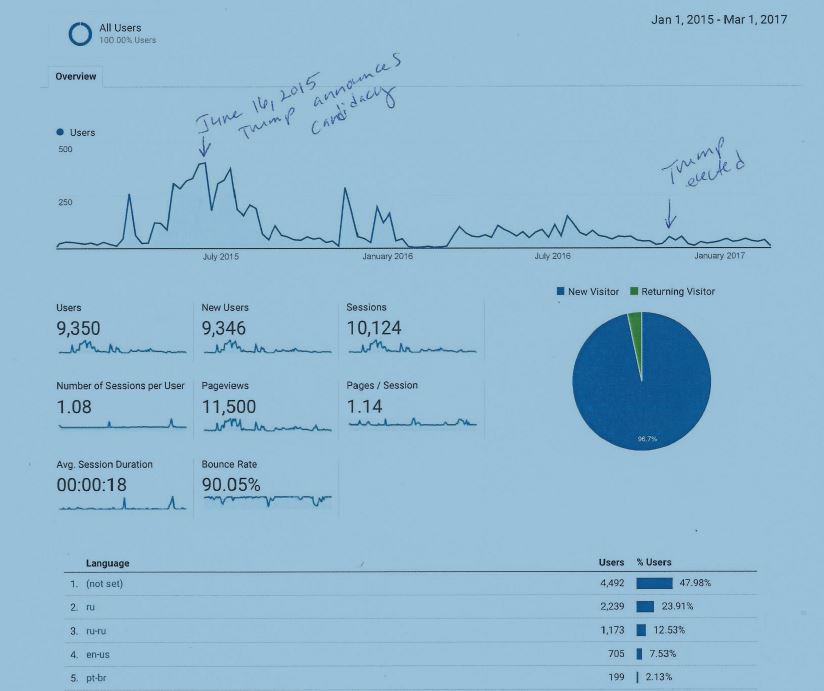
Russian hacking statsThe recent indictment of Russians who were part of the notorious Russian internet “troll farm” that interfered with the U.S. elections hit close to home for me. I have suspicions that my little ol’ author web site (and perhaps this blog, which is featured on my site) may have been an information source for them. Then again, maybe not. But here’s what I know:
I opened my author website to the world in March 2014. The world paid it no attention, but just having it up felt good at the time.

About a year later my site, which only got a couple of views per day, started receiving hundreds of views. By summer 2015, it was receiving over 400 views per day. Who were these people? Google Analytics tells me they were mostly from Russia, but the majority could not be tracked to a specific country because they didn’t have a language set on their computer.

Hmmm. Mysterious. I thought at first that maybe it was Russian schoolchildren who had to do an assignment on a famous Russian general who has a last name similar to mine (General Zhukov). Maybe they found my site by accident while they were looking for information about him.

My other thought was that maybe someone posted my web address in an online forum or a Russian dating site without my permission, and that’s what drew people. Nobody asked me for a date, though. (Darn it!)

My site grew so popular, and I was so concerned that I called my website hosting company and asked them to check if anything strange was going on. Nope. Everything was okay, they assured me.

I even checked all the links on my site to ensure they weren’t going somewhere unintended. Every link went were it was supposed to go.

And it’s not like my books were hugely popular, so it didn’t seem like the viewers were people hungry for eco-mystic-romance. (Darn!)

I started to breathe easier in the fall of 2016, when the traffic on my site dwindled to more reasonable levels – only 10 or 15 views per day.

Imagine that, I was relieved when fewer people visited my website!

Then came the suspicions and the news of the Russian hackers interfering with the U.S. election. When the indictments were handed down last week, I decided to do some research of my own to see if there were any correlations between the traffic on my web site and Trump’s candidacy and election. What I found disturbed me, and I will post the metrics here, so you can make up your own mind.

As you can see from the data graph, the surge in traffic to my website began around March 2015, just a few months before Trump announced his candidacy. Could the Russians have been doing research in support of Trump’s run for office? The number of hits to my site peak on June 16, 2015, which is the same day that Trump announced his candidacy. Then there’s an abrupt decline until a week or so later.

When I told one friend about this pattern, they suggested that maybe the Russians thought that I’m an opinion leader and they were checking my site (and blog) to gather information on American opinions to better craft their disinformation campaigns and political messages. Hmmm, could be?

Visits to my site jumped up and down, but stayed higher than normal until Trump was elected. Then they dropped off to the measly numbers – only a couple of views per day, which it is still experiencing today. Hardly any of those viewers are Russian. The majority are American. And all those mysterious viewers from an unknown country are gone.

As another part of my research, I looked at a timeline of 2016 presidential campaign hacking fast facts. It begins in September of 2015, when the FBI contacts the Democratic National Committee to warn them about their computers being compromised by Russian hackers. One would expect that the hackers did their work earlier than September, which coincides with the rise in views to my web site.

A couple of weeks ago, my former Russian language professor gave a talk about how Russians think. After his talk, I decided to bounce this info off of him because I knew he used to work for the CIA. After I described the pattern of visits to my website, his verdict was, “Congratulations, you’ve been spied upon.”

I’m not sure what to do with this information. I guess for now, I’ll just feel really creeped out.

If I disappear suddenly, you’ll know the Russians did it.

Echoes of the Past: A Sneak Peek Into the Hotel Chequamegon

DSC04555

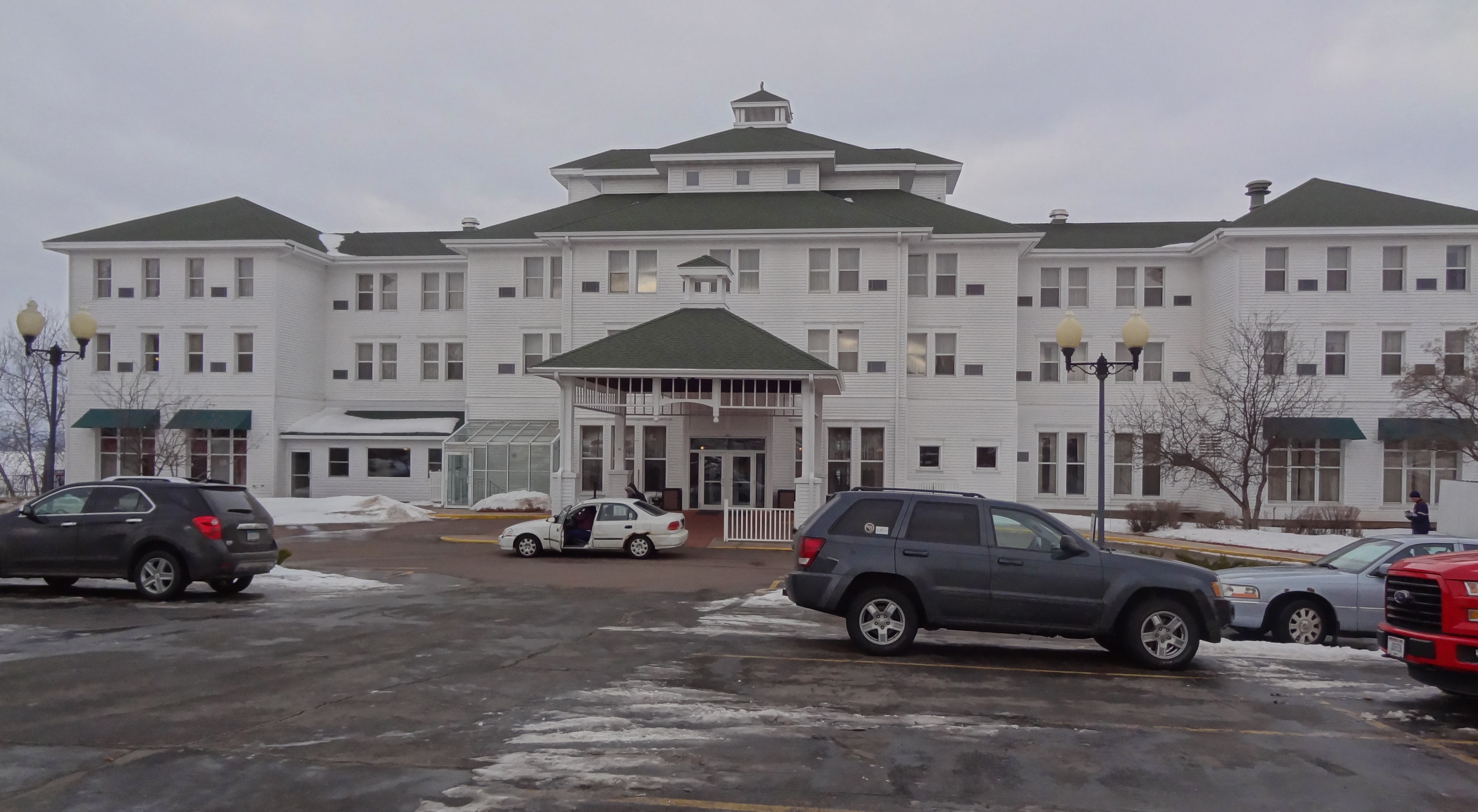
The Hotel Chequamegon

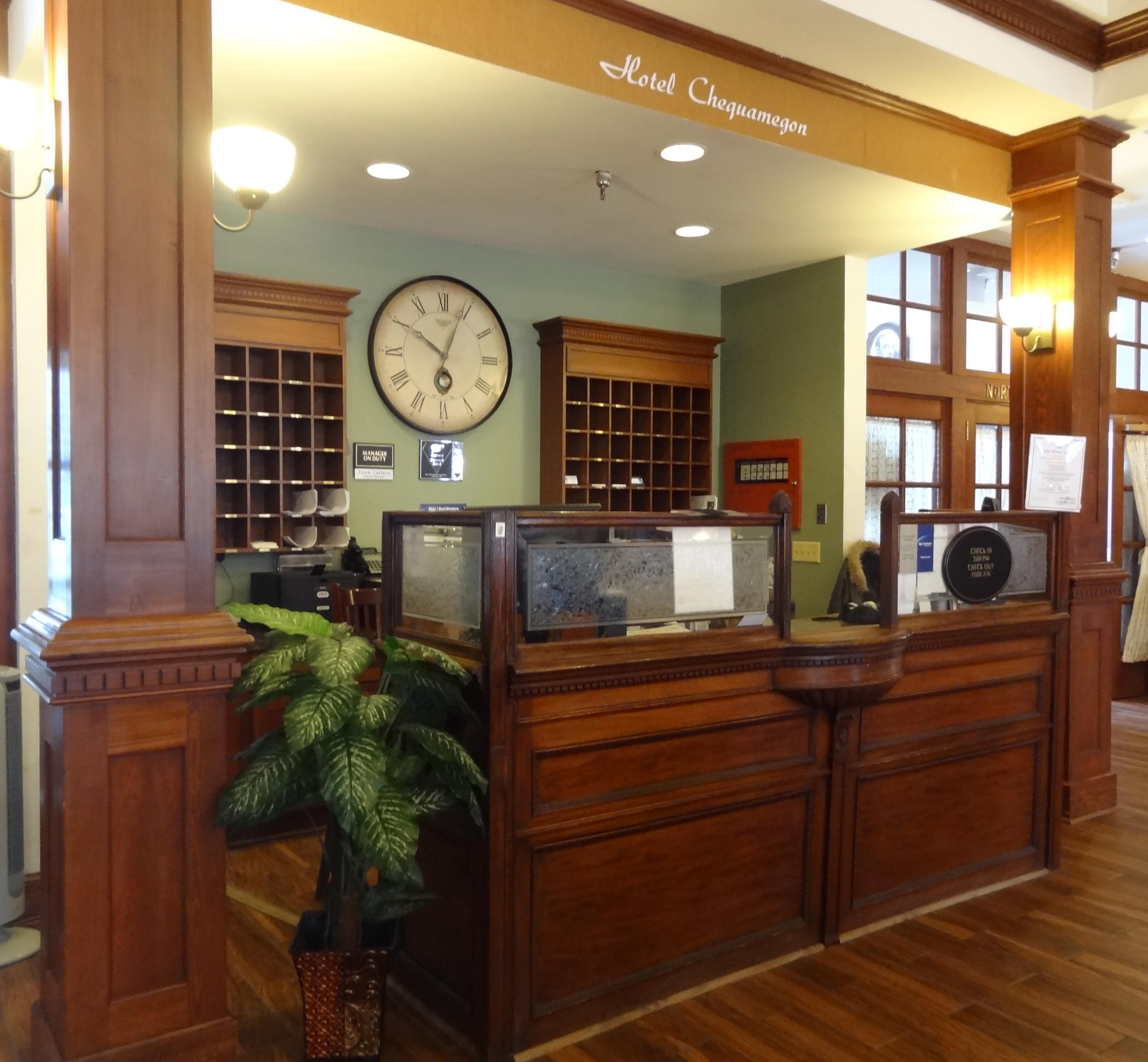
I had the opportunity recently to stay at the Hotel Chequamegon (Sheh-wa-meh-gone) in the northern Wisconsin town of Ashland. I’d driven by the hotel many times on Highway 2, and always thought it looked like an interesting place to stay. I was happy to have this chance.

From the outside, the building and its white mansion-like expanse is reminiscent of the grand hotels of the past. In fact, it’s patterned after the Grand Hotel on Mackinac Island in Lake Huron. Inside, it has a whiff of the fictional Overlook Hotel from “The Shining,” but without the requisite creepiness.

DSC04553Although it looks like it’s been on the site forever, the hotel is young. It opened in 1986 only about a half-block away from the original hotel. According to a helpful historical fact sheet provided to me by the desk clerk, the original hotel was built in 1877 by the Wisconsin Central Railroad when Ashland was a transportation hub for lumbering, quarrying, and mining.
DSC04549

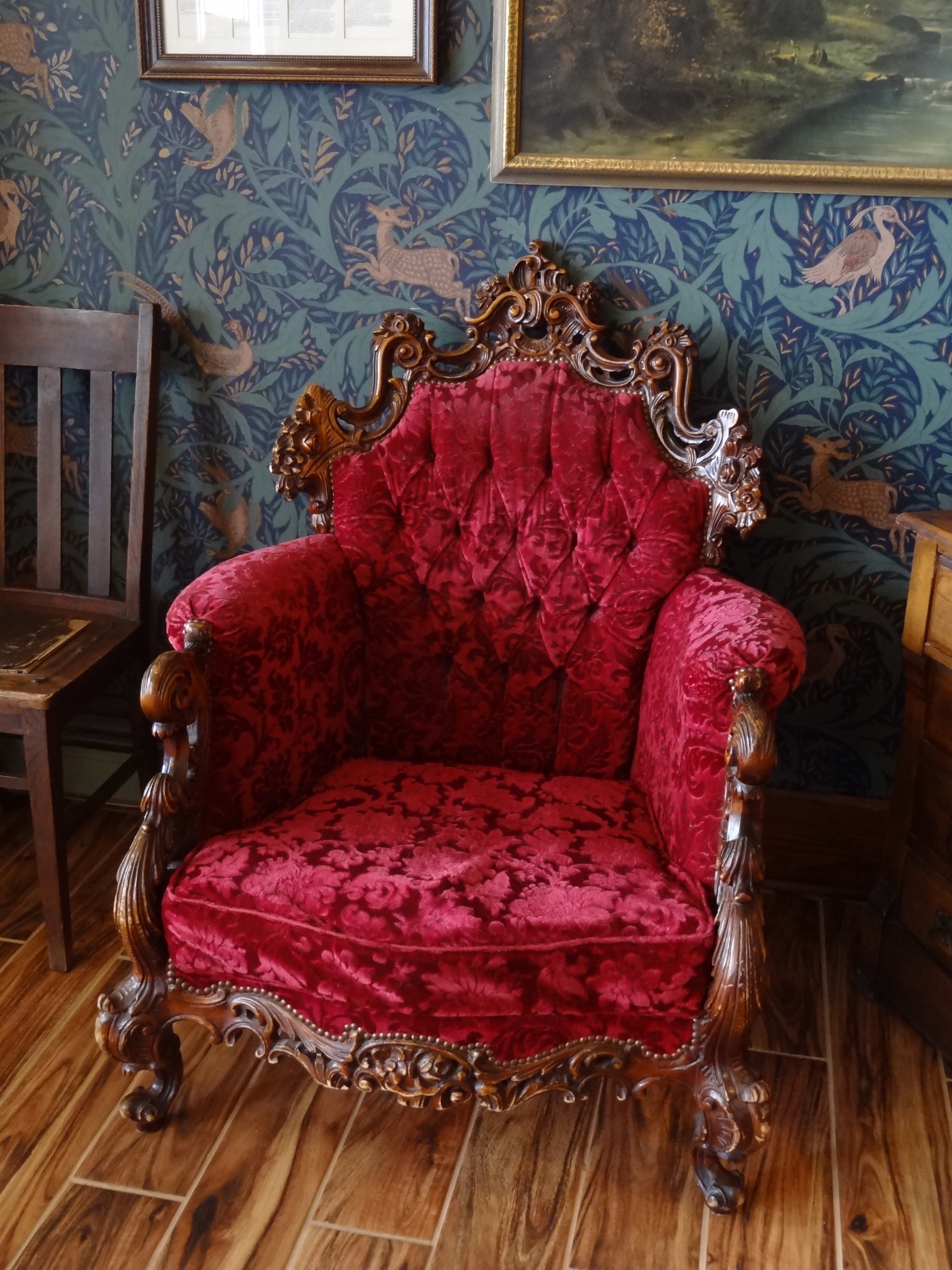
This chair in the hotel parlor is from a castle in France, 1880-1890.

The original hotel met its demise by fire on New Year’s Day in 1958. To build the current hotel, wood salvaged from the nearby ore docks was used. Although many of the Victorian antiques look like they came from the original hotel, those were burned, except for the lobby clock, which sits in the Ashland Museum. Apparently it was a “thing” in the past to save lobby clocks from burning hotels. The antiques were either donated or gathered from far-flung places with the help of eBay.

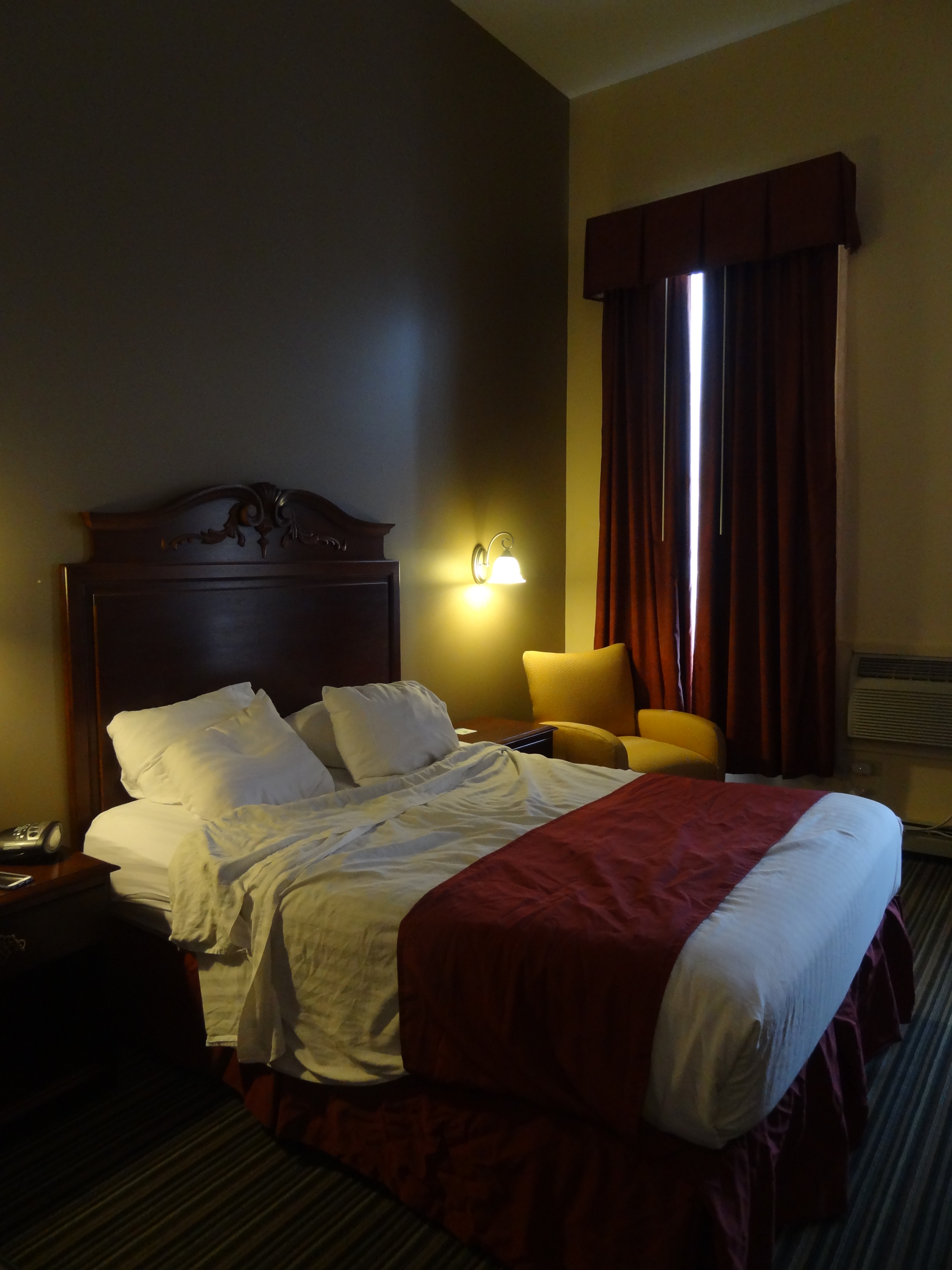
My quiet room had tall ceilings and a view through equally tall windows, which looked out on the Lake Superior bay that gives the hotel its name. The word “Chequamegon” is an Ojibwa term that means “spit of land.” There used to be a narrow spit visible from the hotel, but it was eroded by wave action in the 1800s.

DSC04551The basement level is home to Molly Cooper’s Bar and Grill. It was closed in the morning when I was snooping around, but looked like it would be a fun place to eat, with views of the lake.
Although there are rumors the hotel is haunted, I had no notable experiences in my first-floor room, other than a bathroom door that closed unexpectedly. Alas, the floor was just crooked. No spooks.


DSC04558

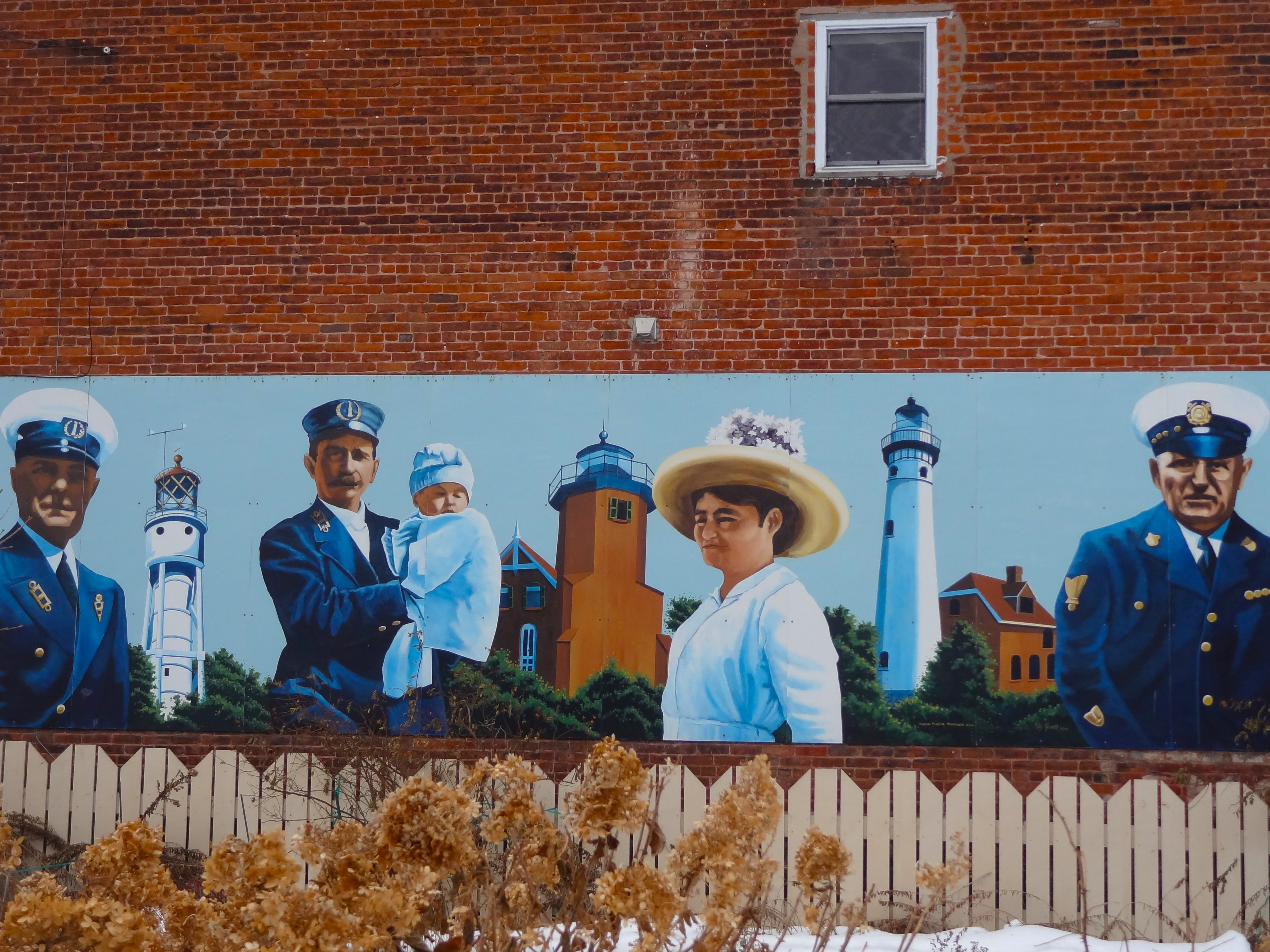
A mural in “downtown” Ashland that honors the lighthousekeeping history of the area.

A Winery Tour in . . . Wisconsin?

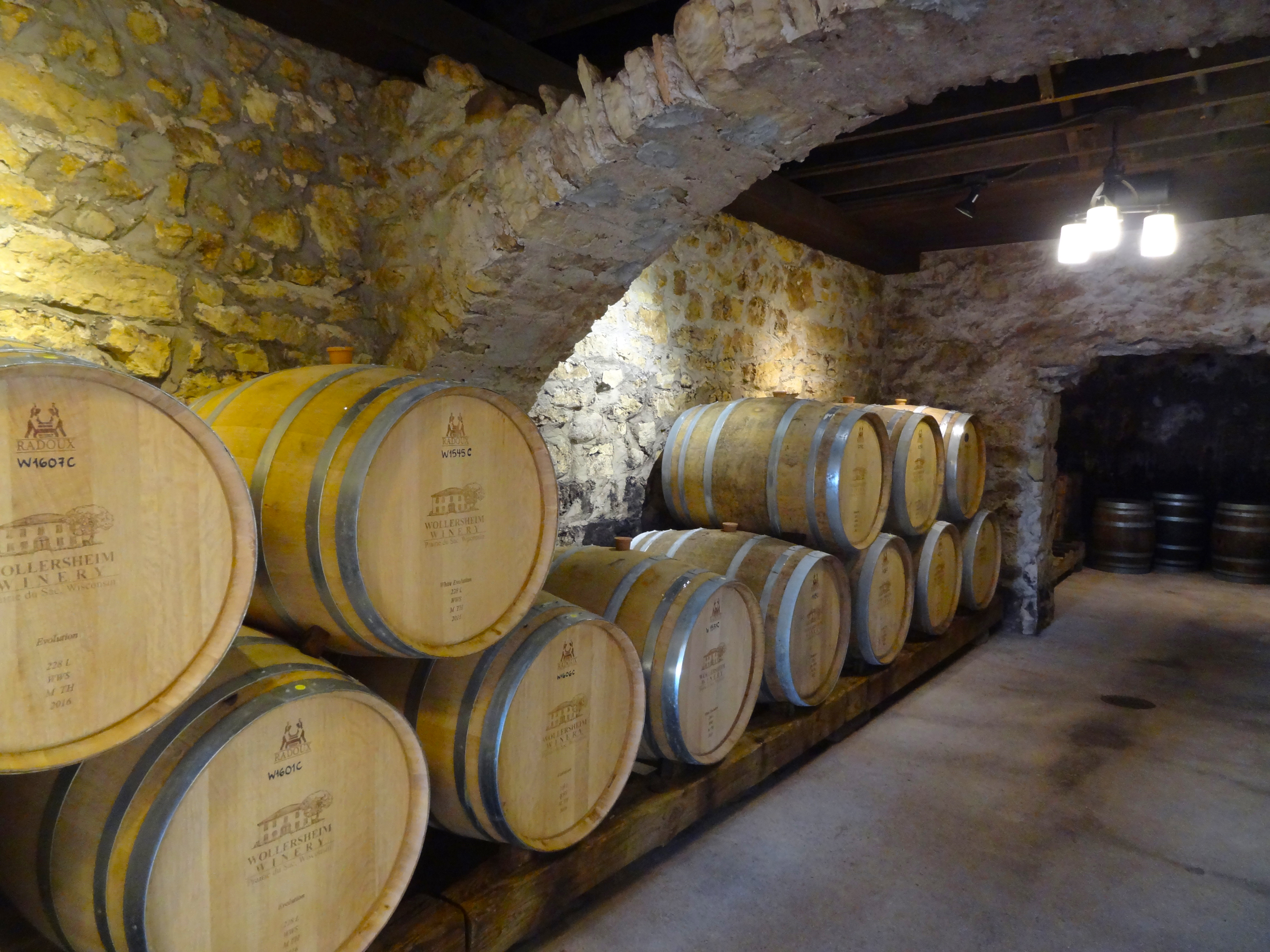
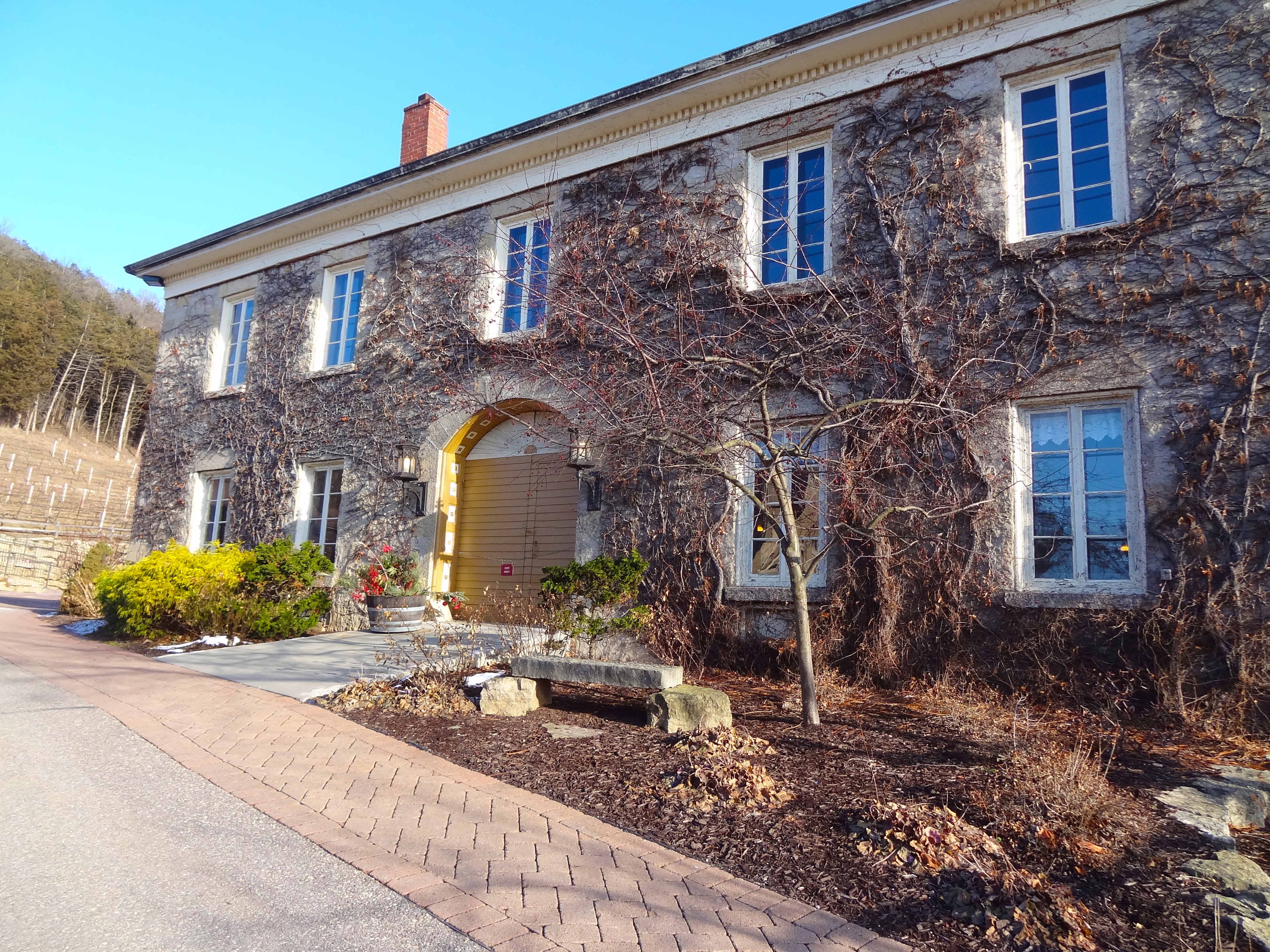
Wollersheim Winery 023Wisconsin is known best for its beer and cheese. The state offers wineries, too, and I took a tour of the most productive facility this past week. Wollersheim Winery sits on the banks of the Wisconsin River in Prairie du Sac, just north of Madison, Wis.
The winery first came to my attention a handful of years ago when I attended a retirement party. At the bar, I decided to be adventurous and try a white wine I had never heard of before, a Prairie Fumé. When the fruity, citrusy wine hit my tongue, the heavens opened wide and I heard angels sing.

I knew I had found a new favorite. I asked the bartender who made the wine, and she told me about Wollersheim Winery. I made a mental note to visit it someday.

A Fumé wine is a close relative of a Sauvignon Blanc. They’re basically the same thing, both made with the same type of grapes and semi-dry, just with different names for marketing purposes. (For the curious, see the story here.) But to me, a Fumé is a bit mellower and melon-y.

Apparently, my taste buds have a lot of company because the Prairie Fumé is Wollersheim’s most popular wine and one of the most popular in the state.

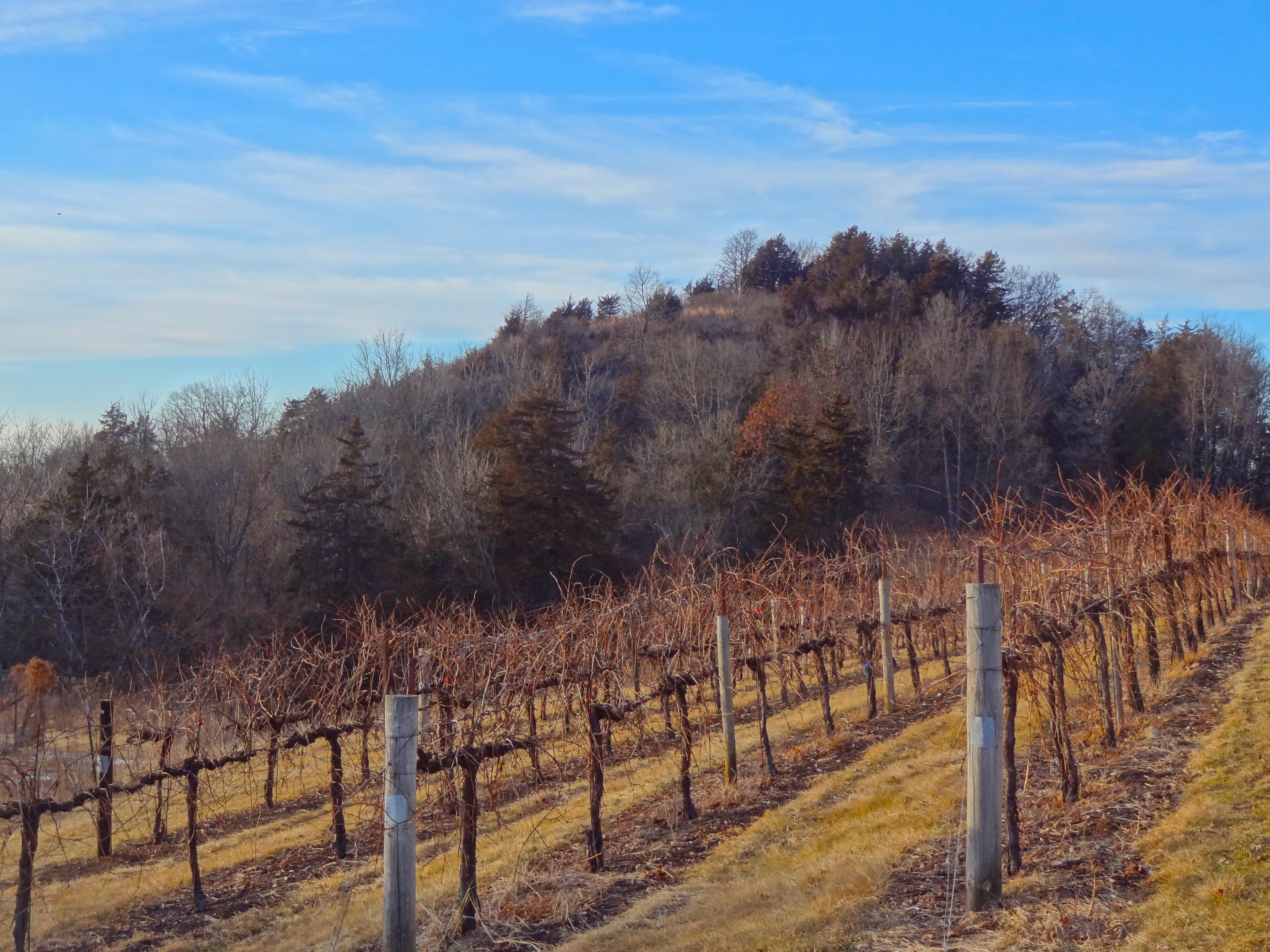
Wollersheim Winery 018The land the winery sits on has grown grapes on and off since the 1840s, whenever the weather has allowed. The vines on the property now were planted in 1972 when the Wollersheims bought it.
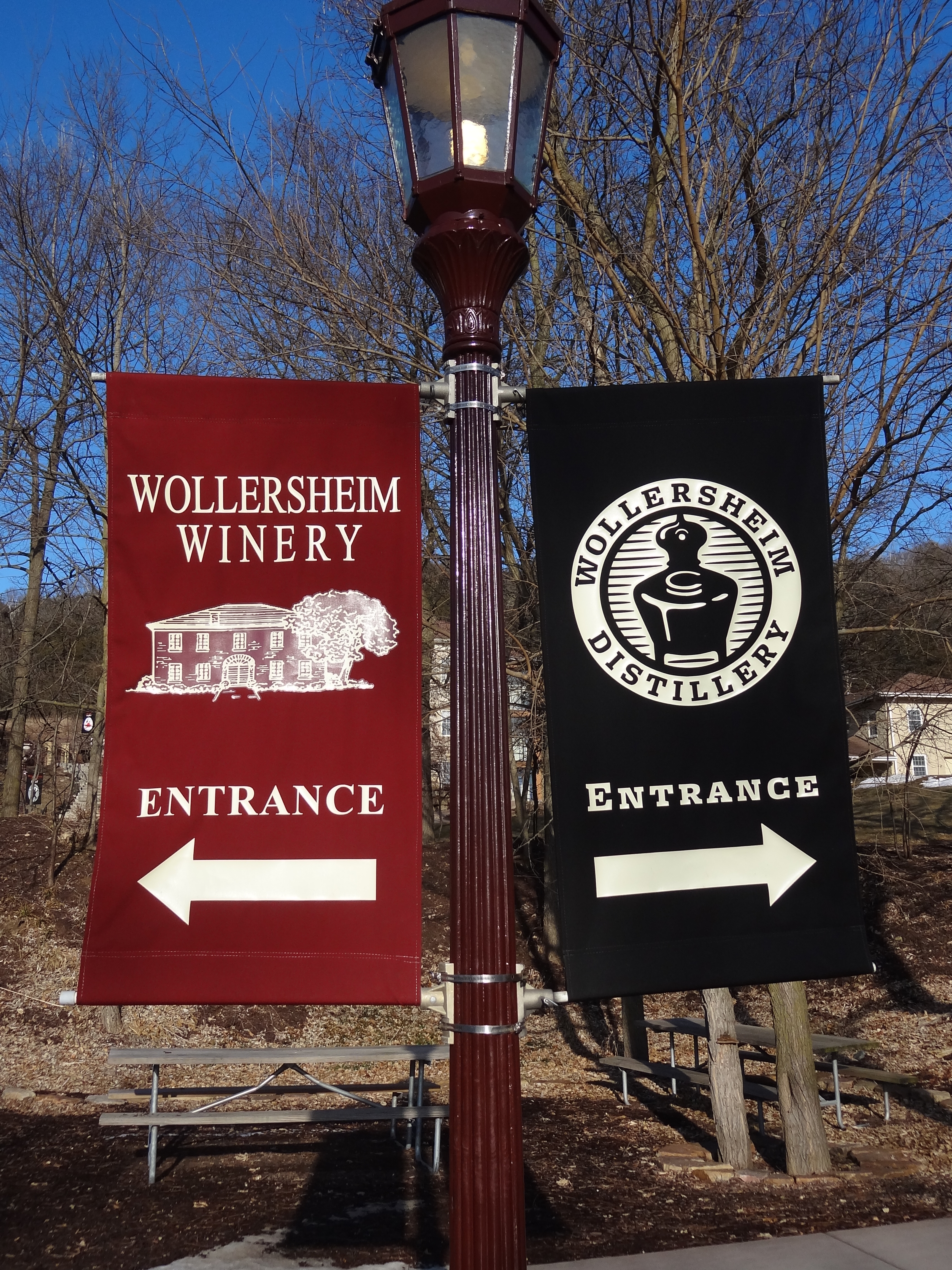
Wollersheim Winery 020I found the winery easily and parked in the lot below. The winery’s website says it takes 10 minutes to walk the path from the lot to the winery (which is uphill, BTW), but I estimate it would only take any relatively able-bodied person a couple of minutes. However, I suppose if you stop to read the historical sign along the way that would add more time.
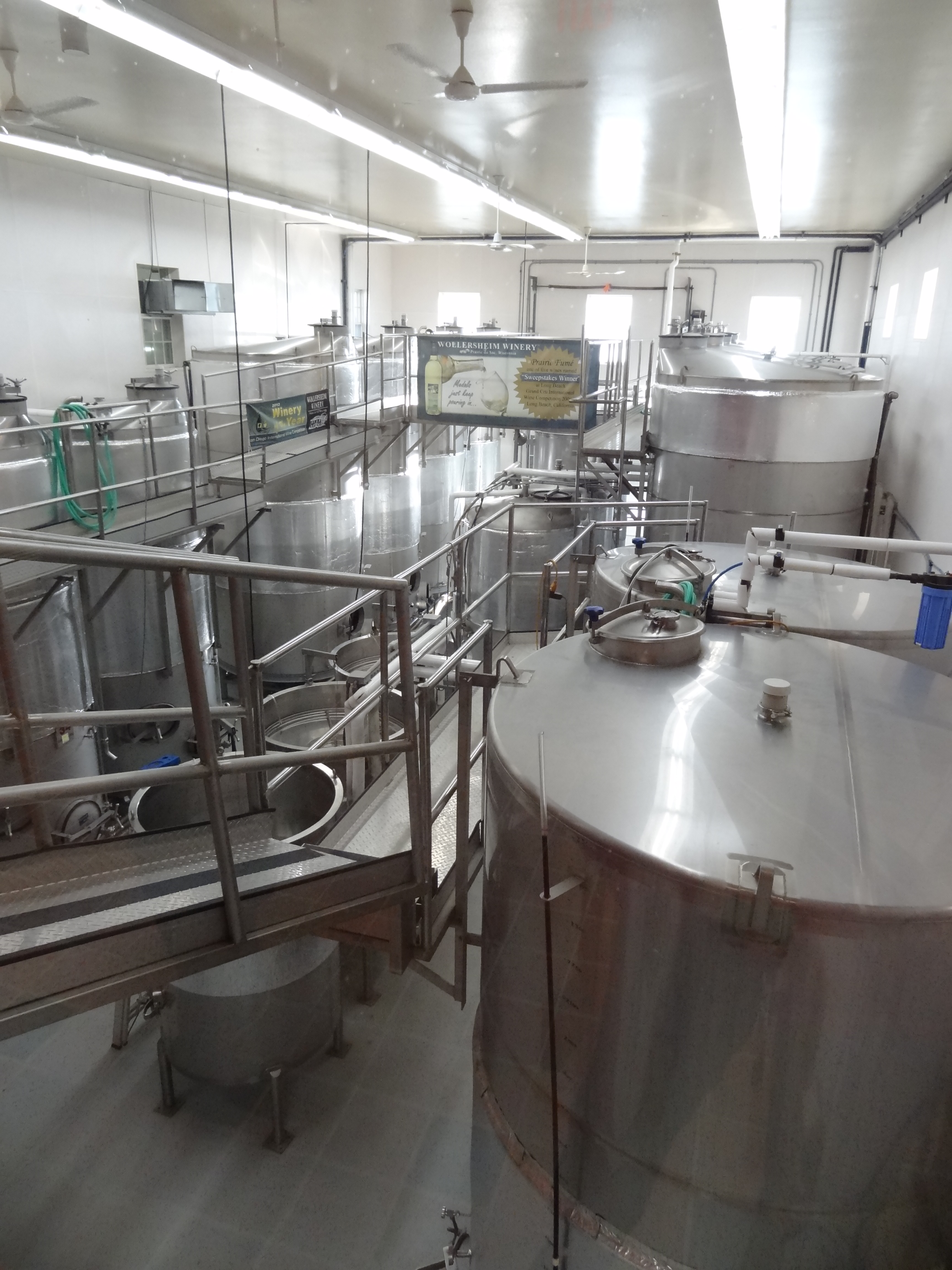
I entered the winery, and to my delight, discovered I was the only one signed up for a tour. My private session commenced with a video that described the history of the winery. Then the tour guide took me to a window overlooking the huge wine vats, where we spoke more and had plenty of time for questions and discussion.

I watched another short video that featured Phililppe Coquard, a Frenchman who married into the Wollersheim Family and now co-owns the business. I had the fleeting thought that it would be fun to meet him while I was here, similar to the chance encounter my friend and I had with the master distiller of Glendronach scotch when we took a distillery tour in Scotland. Although I thought I glimpsed Philippe in the distance during my time on the grounds, I did not get to meet him.

Wollersheim Winery 036I learned that the Prairie Fumé is made from grapes not grown on the property. The grapes come from the Finger Lakes region of New York and are trucked in juice form to the winery, where Philippe works his magic on them.
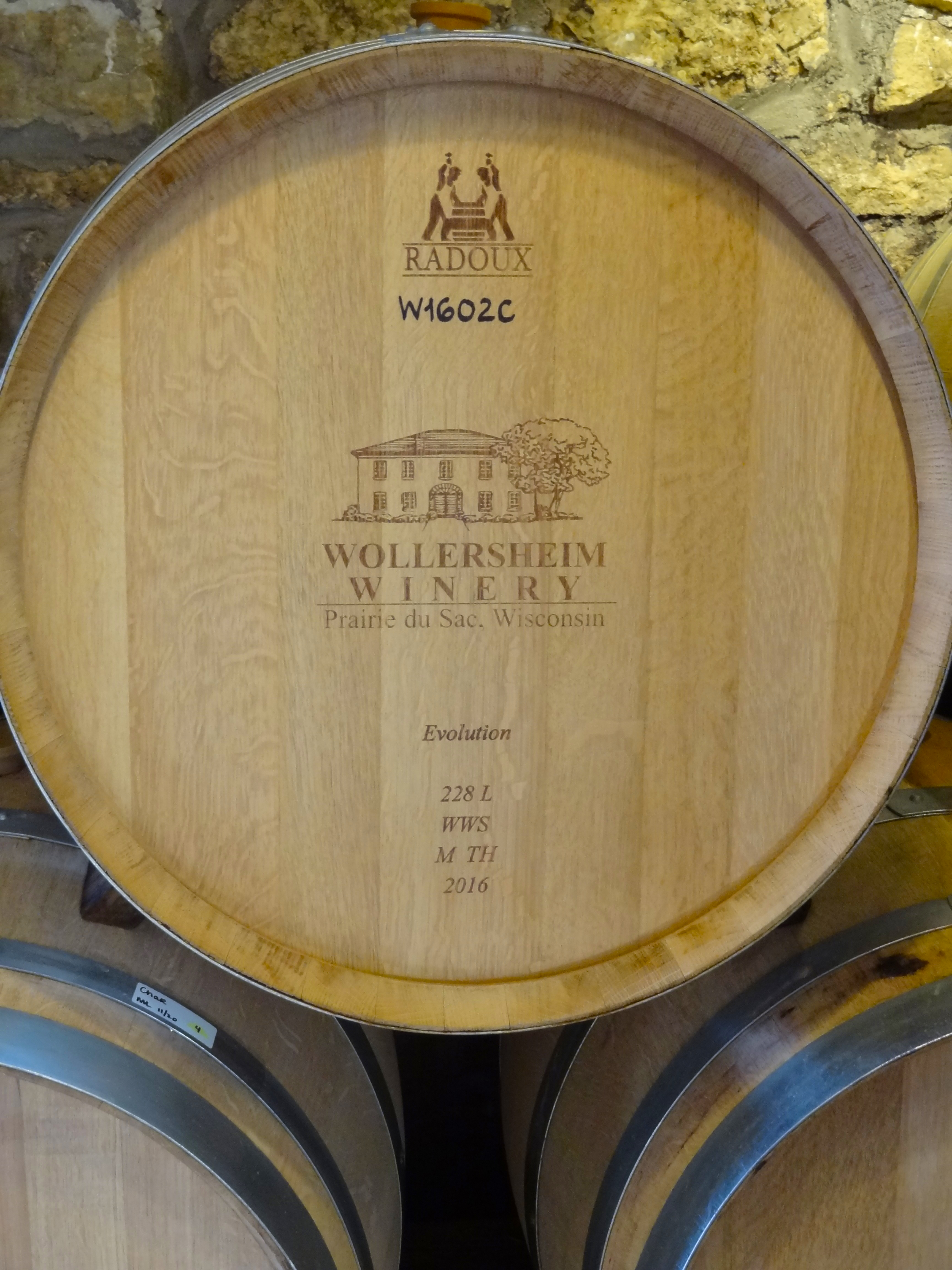
Another thing I learned is that the term “reserve” on a wine label means the wine is grown from the oldest vines in the vineyard.

After the tour came the tasting. I sampled a flight of whites since I have a problem with reds. I asked to try varieties I hadn’t already experienced, so that left out the Prairie Fumé and the River Gold White, which is also quite good.

I sampled their White Port, Dry Riesling, White Riesling, and Eagle White. Notable about the Eagle White is that it is grown on the property, and that part of the sales go toward habitat protection for bald eagles that frequent the area.

Of these, my favorites were the White Riesling and the Eagle White, so I bought a few bottles to bring home. Although I’ve found a source for Prairie Fumé in my area (President Bar and Liquor in Superior), I bought a bottle just because, despite exposure to these new wines, it’s still my fave.

Wollersheim Winery 030

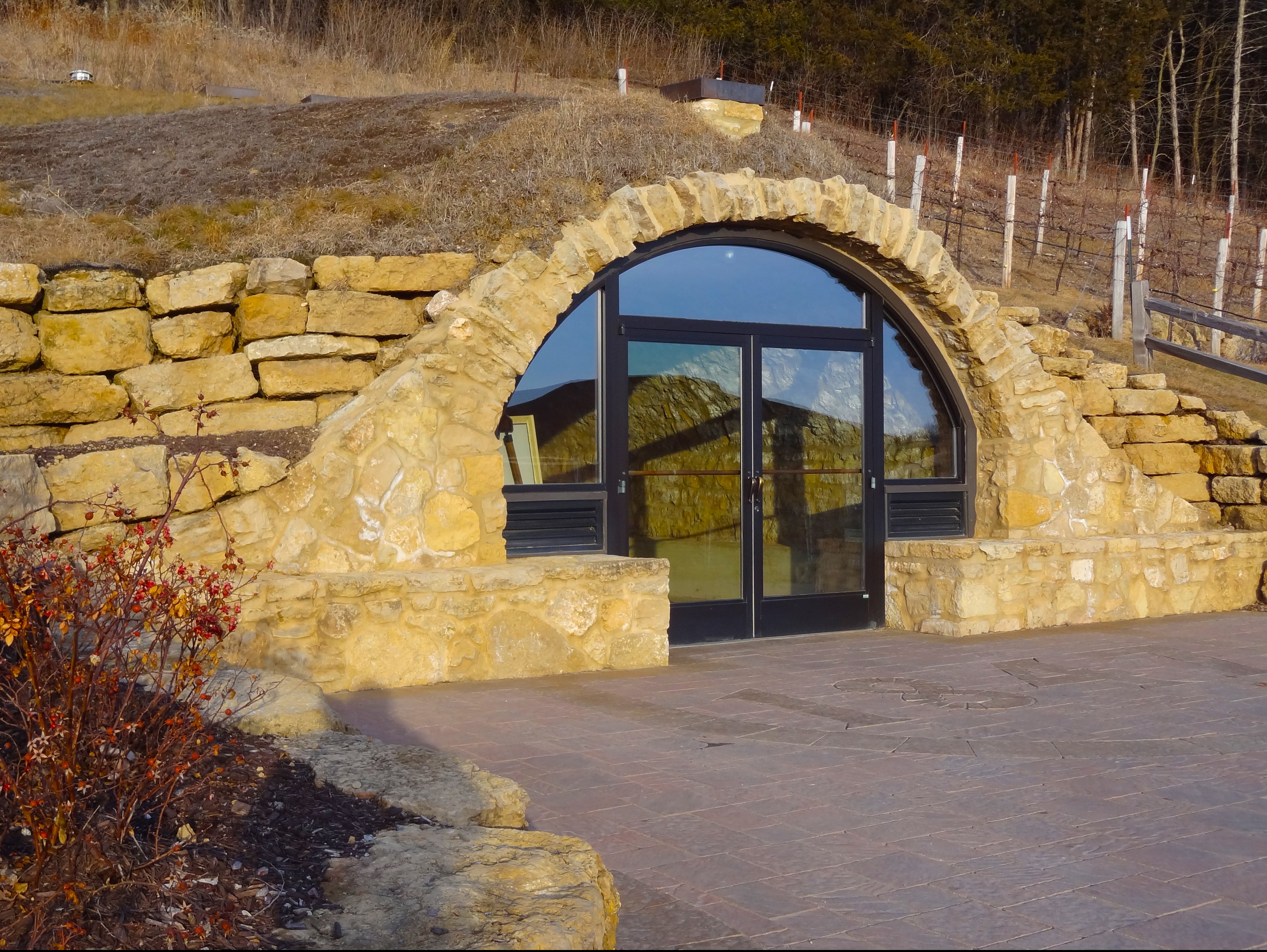
The historic wine storage cave.

Before returning to my car, I meandered around the property. There’s an old cave dug into the hillside where wine used to be stored, which the current owners have preserved and filled with historical placards and implements. I also took a peek into the wine bar on the second floor of the main building, which used to be a ballroom back in the day.

There’s also a distillery on the property, and I made a note to visit that next time I’m in the area.

Wollersheim Winery 017Alas, it was time for me to continue onto my ultimate destination, which was Madison. I was expecting to eat dinner alone there, but things worked out so that a friend from high school was able to meet me. Plus, it was her birthday, so I brought along the bottle of Prairie Fumé for her.
We met at Lombardino’s, an Italian restaurant that’s one of my favorites. As I waited for my friend and for seating, I noticed someone who looked suspiciously like Phililppe Coquard at a table near the back. As fate would have it, the host seated me and my bottle of Wollersheim wine right next to the Philippe look-alike.

While I waited for my friend, I snuck some glances and determined that fate was smiling upon me this day. It was indeed Philippe and part of his family dining at the table next to mine. What are the chances of that?! (I guess I could figure it out if I knew how many restaurants are in Madison and what the population is, multiplied by how many days are in a year.) But I guess it’s a one-hundred-percent chance when you’re following your bliss . . . .

Anyway, I knew I HAD to take advantage of this opportunity. So I mustered my introverted courage and stepped over to their table. They were gracious at my interruption. I let them know I had just visited their winery and then I gushed about how much I love their wine. Philippe mentioned he is giving a presentation at a Minneapolis wine convention soon.

It was all good, and I was so tickled and amazed by meeting them. Soon my friend arrived, and I pointed out who our dining neighbors were. She can vouch that this really did happen!

I look forward to visiting the Wollersheim Distillery in the future, but after this experience, my expectations are probably entirely too high for a fateful experience afterward.

Wollersheim Winery 024