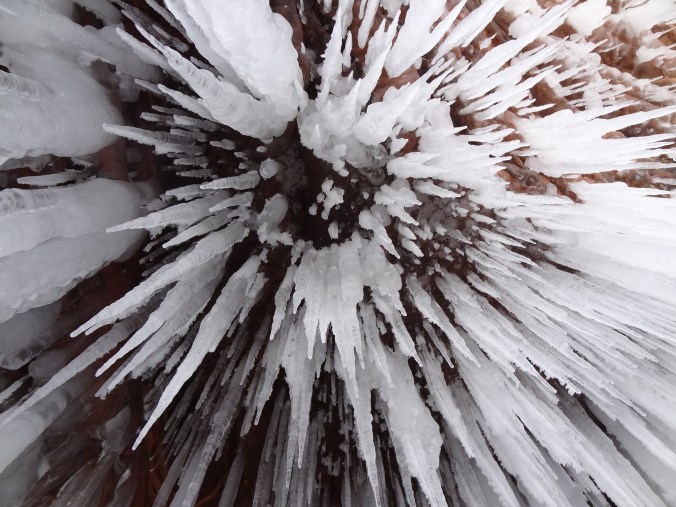
Icicles hanging down from the ceiling of a sea cave.
Icelanders resembled Minnesotans (at least of the last generation) in this regard: if nature has condemned you to life in a continuously foul climate, you have no choice but to ignore it and proceed with your plans. If you wait for the weather to improve before doing anything, your bones will have crumbled to fine dust. – Minnesota author Bill Holm
Despite the National Park Service urging people to visit another day because the wind chill was twenty-five below, my son and some friends traveled to the sea caves in the Apostle Islands National Lakeshore last weekend. We weren’t the only ones disobeying the feds to see this natural wonder on the south shore of Lake Superior. Since the parking lot was full, a line of cars was already parked on the main highway. This added ten minutes to the twenty-minute walk we were expecting across the ice to the sea caves.
 It was no mean feat just to get this far. My son, who is a teenager, and his friend, would have much rather stayed home on the couch, little balls wrapped in comforters, playing computer games. “Why do we have to go?” They challenged more than once. After about the fifth round of such questioning, I was reduced to, “Because you’ll have fun, dammit!”
Once they were off the couch came the trial of getting them to wear more than one layer of clothing. Exhortations about how cold it was were met with more, “Then why do we have to go?” Somehow, the mother of my son’s friend (Charlotte) and I got the boys dressed and into the car. The wind direction made the walk from our car to the lake the coldest part of the trip. Charlotte and I were surreptitiously looking at each other, questioning whether this adventure was wise, and, although they would never admit it, I could tell the boys were happy they had been forced to wear so many layers.
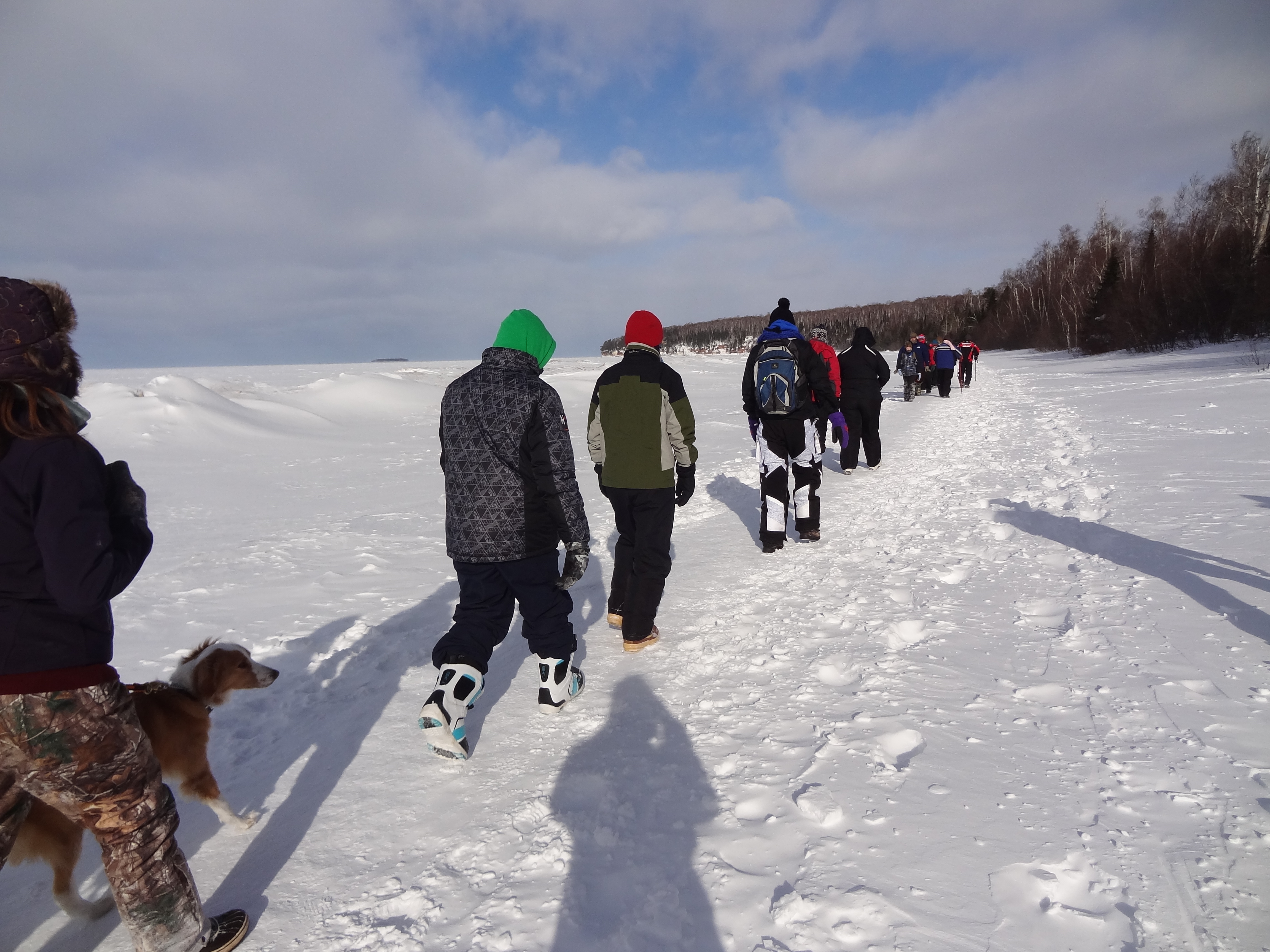
Once we got to the lake, we joined the others on a hard-trodden snowy path along the shore. With the wind at our backs, the sunshine helped us feel warmer in spirit than perhaps in body. After about half-a-mile into the mile-long walk, I marveled at how warm my feet were. I thought my toes would be the first to go.
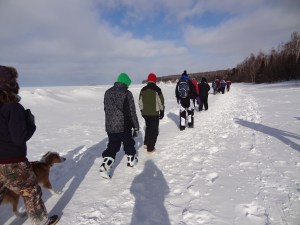 We were joined by snowshoers, skiers, dog walkers, and people pulling sleds containing mounds of blankets, which, from the hats sticking out of them, must have contained children. For the most part, it was too cold to talk, so we walked in silence – pilgrims on our way to see a natural wonder denied us for five years due to poor ice conditions.
Walking on the winter ice is the easiest way for most people to see the caves. In the summer, it requires kayaking or canoeing skills, or paying the price for a tour boat. A hiking trail runs along the top of the caves, but the view is nowhere near as spectacular as from the water.
I had seen the caves from water level, but never in winter. This year, the formations were more intricate and extensive than most, prompting widespread media coverage that piqued interest by the masses, including Charlotte and me.
Before you venture to the caves, it’s a good idea to check with the Lakeshore’s Facebook page and check the Sea Cave Watch website, a Wisconsin Sea Grant project. The site features real-time images of the ice conditions at the caves, although the wave sensor has been pulled for the season.
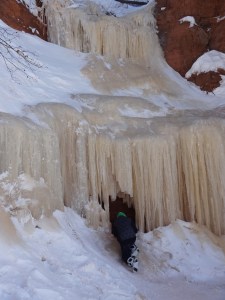
A frozen waterfall.
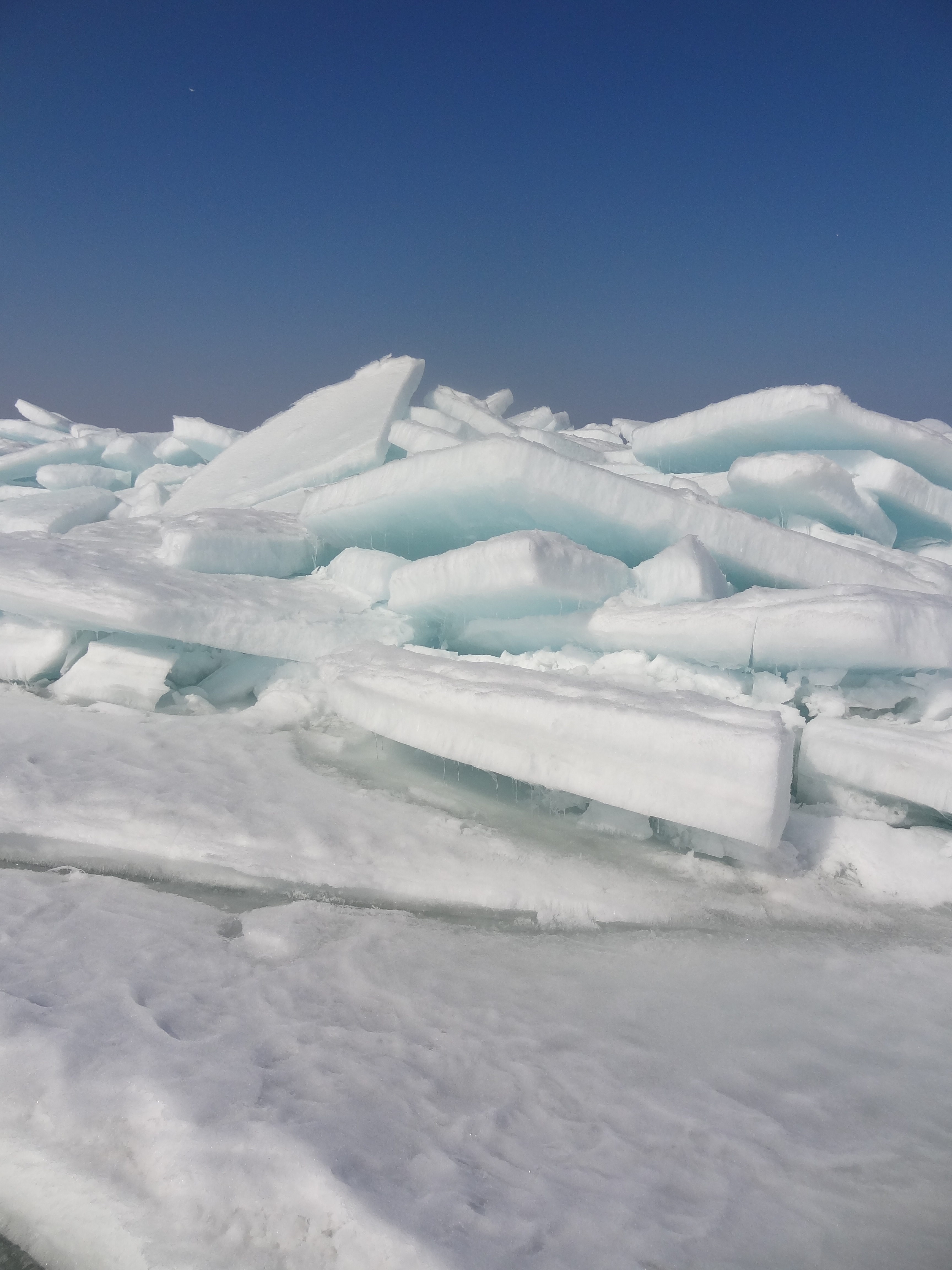
When we reached the start of the caves, the boys were quickly taken in by opportunities to explore. Icy nooks, frozen waterfalls, tunnels, slides, and hidden alcoves proved irresistible. When it came time to go due to a commitment back home, they protested, saying they wanted to stay longer. I couldn’t help but smile, noting their change in attitude. Nature had worked its subtle magic.
I hope the lesson is lasting and that next time, it will be easier to tear my son or his friend away from their comfortable couches and computers to experience real life.
One thing I want to mention if you go: please don’t break off the icicles from the caves. The conditions that formed them are not likely to happen again this winter, and it ruins the formations for those who will come after you. Take away memories, not icicles!

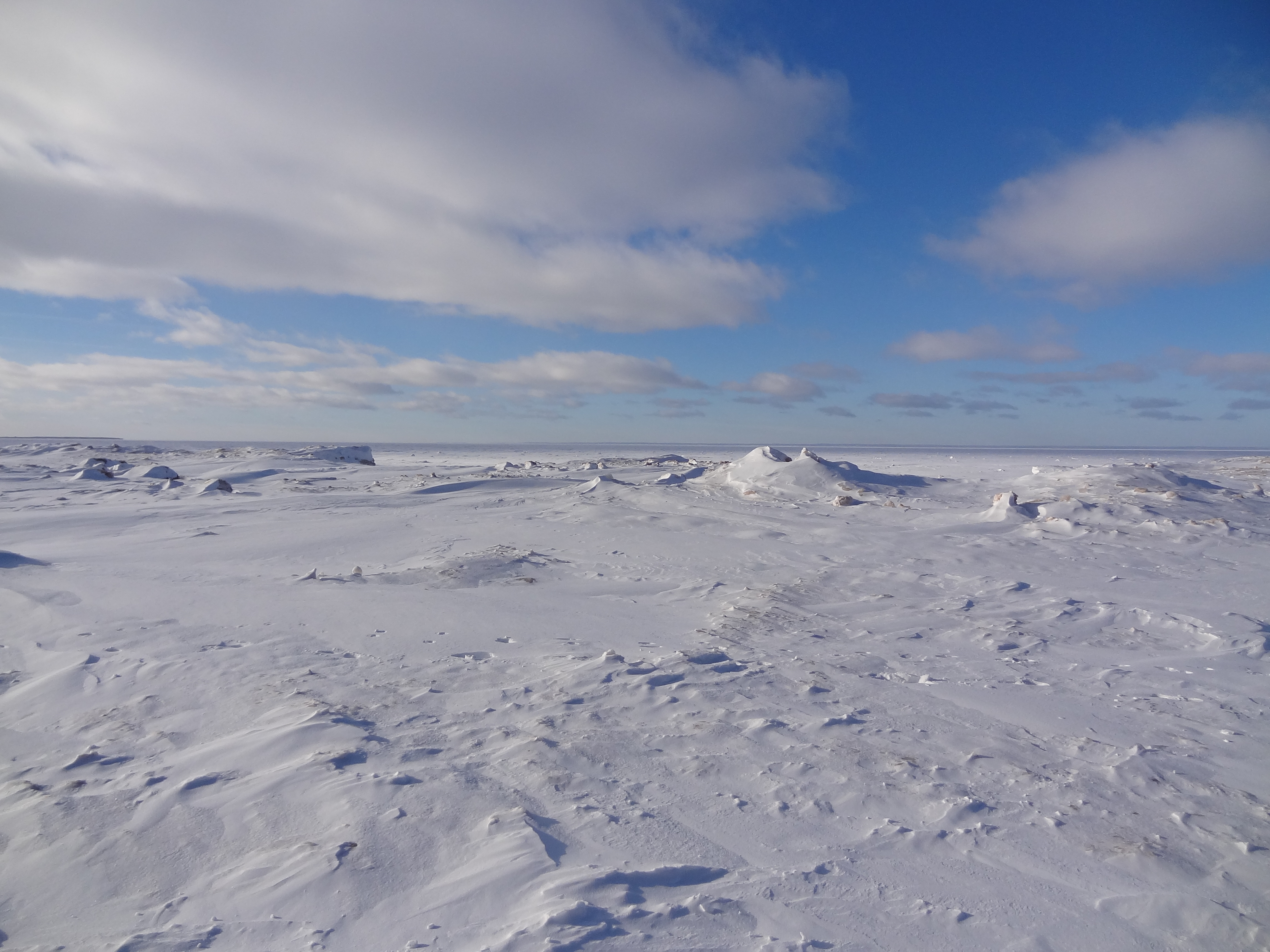
The view of Lake Superior when you turn away from the caves.










 Marie's Meanderings