A vermilion sunset on Lake Vermilion. Night One of our stay.
Since nobody wants Americans in their countries right now, Russ and I decided to take several local camping trips. For mini-vacation #1, we trailered our thirteen-foot Scamp to Lake Vermilion State Park, a newish development in northern Minnesota.
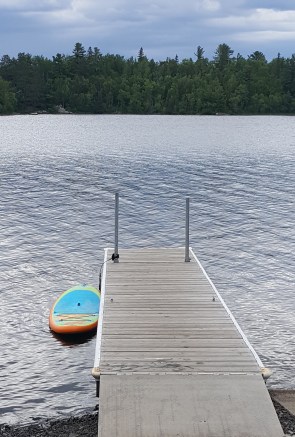 I’ve spent some time on Vermilion Lake before but had not been to the park yet. This large lake is reminiscent of the Boundary Waters Canoe Area Wilderness – same rocky shorelines, scraggy spruces and towering pines – but development is permitted (outside of the park) so lots of cabins and lake homes line the shore.
There’s also an historic iron ore mine located in the park. When viruses aren’t running rampant, underground tours are offered, which are an interesting way to learn about the importance of Minnesota’s Iron Range.
We spent two nights in the Vermilion Ridge Campground. We brought our kayak, paddleboard, and bikes, and used them all, even though the weather wasn’t that good. We went during the week because all of the weekends for the summer were booked already – apparently, everyone else had the same idea to travel locally.
Here are some pros and cons we discovered.
PROs
- A nice boat launch. You can use it if you have a state park sticker, otherwise, I think there’s a daily fee. (Staying at the campground requires a state park sticker, which you can apply for at a self-service kiosk when you enter the park.) We found that the boat launch dock was a good place to watch the sun set. That’s where I took some of the photos that accompany this post.
- Close to the Mesabi Trail. This is a bike trail that spans 135 miles across the north. It’s not all completed yet. The section near the campground seems new. We were able to bike to it from our site and ride 4-5 miles toward Ely before the pavement stopped. Someday, the trail will reach Ely.
- There’s wifi! If you need to keep in touch with friends, family, or social media while you’re in the woods, you can.
- Quiet. The campground was quiet at night and there’s a good screen of trees between sites, which affords some privacy.
- New pavement. The campground was constructed about ten years ago and work is still being done on the roads. All the pavement (including the bike trails) is smooth and new – a dream for longboarders, bikers and inline skaters.

Sunset on Lake Vermilion, Night Two.
CONS
- No swimming beach. There’s no good place to swim in the park. A drive is required to reach local beaches on the lake.
- Hard to get a reservation. Like I mentioned, we had to go in the middle of the week because summer weekends were filled already. Plan ahead to get the dates you desire.
- The campsites aren’t on the lake. They are farther inland. I suppose this is better for the health of the lake, but it would’ve been more scenic to be near the water.

A building at the Tower-Soudan iron ore mine.
Another thing to know before you go is that you can’t bring your own firewood or gather it in the park. You’ll need to pay a fee to use wood the park provides. I think this has to do with not spreading the emerald ash borer beetle.
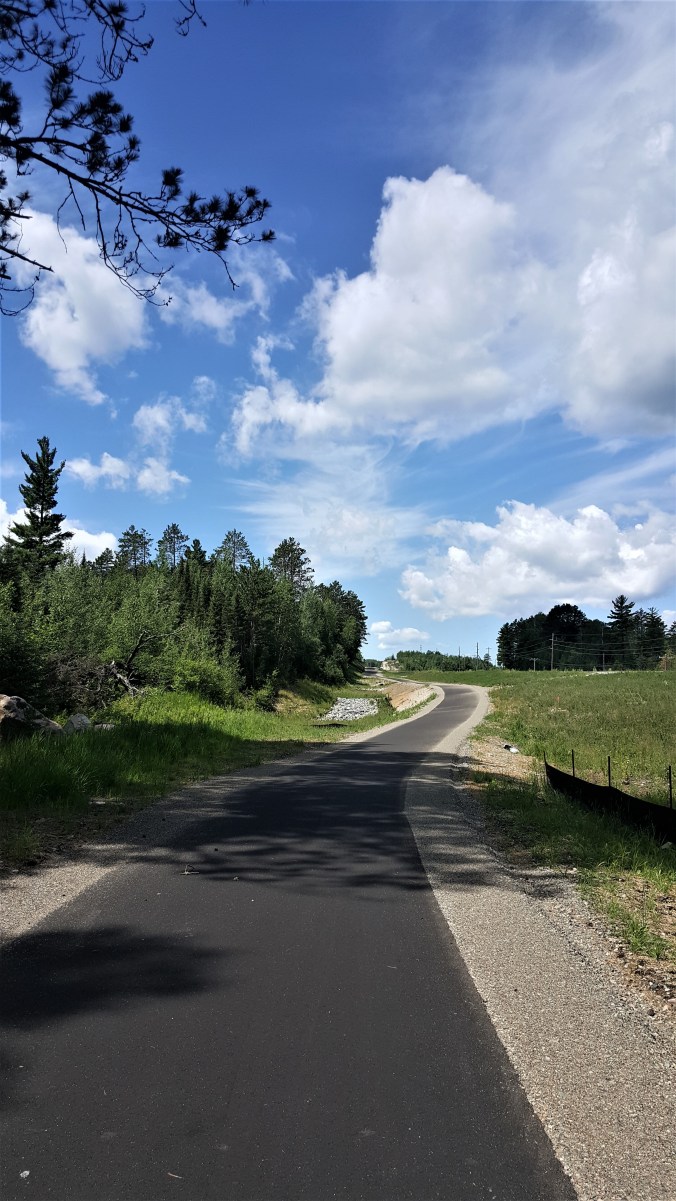
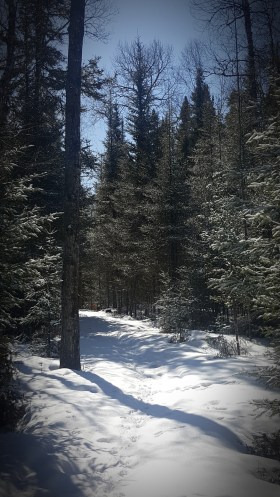
An idyllic scene from the Mesabi Trail.
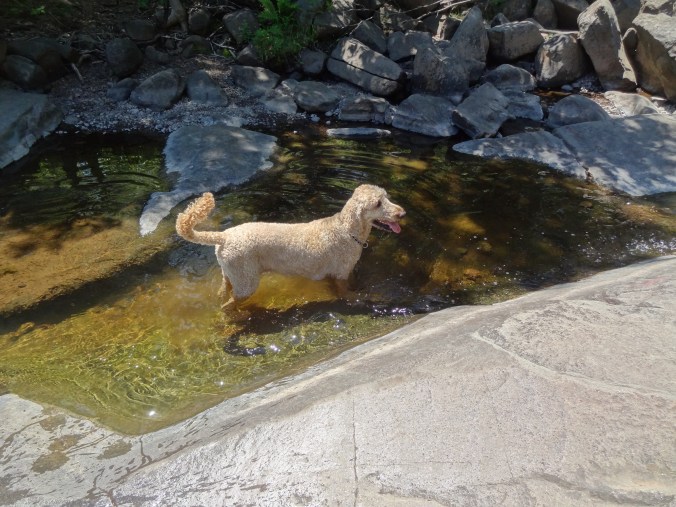
If you go, we hope you enjoy the park as much as we did. Buddy liked it, too!

Buddy, a goldendoodle naturally highlighted by a golden sunset.
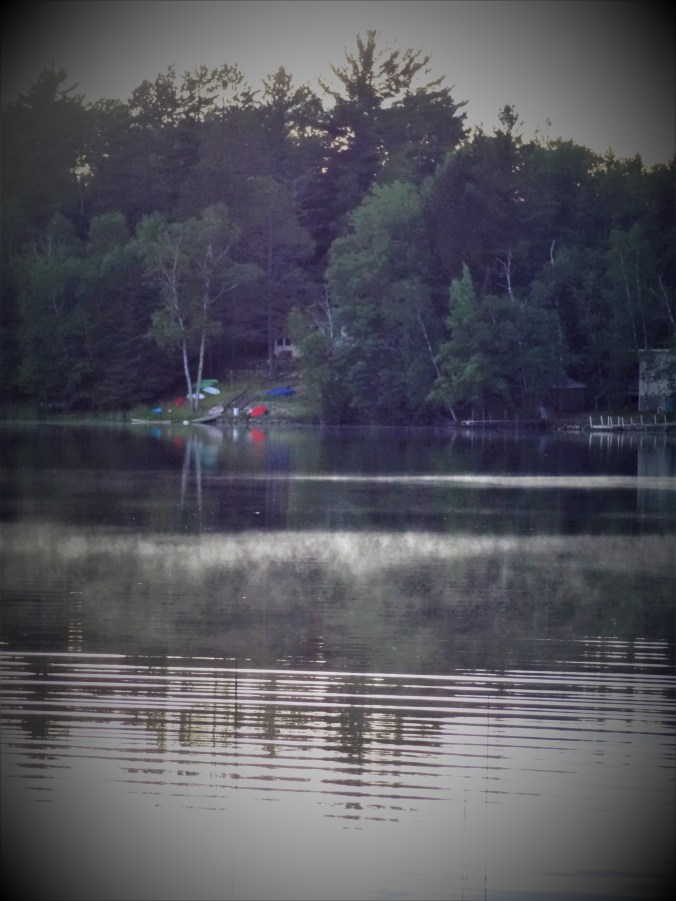 I awaken at 6 a.m., roll over and look at the lake outside the window. The water is smooth as a scrying mirror. The sun peeks over the spruces, encouraging a lake mist to form.
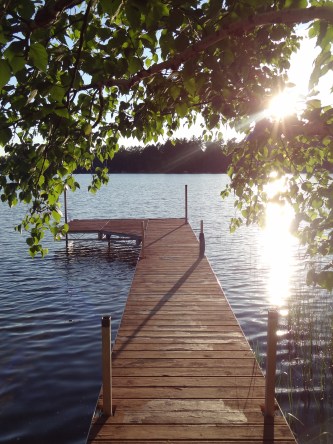 Opening the boathouse door, I inhale. There’s nothing like that old boathouse smell – decades of damp, mixed with a little mustiness and a hint of worn wood.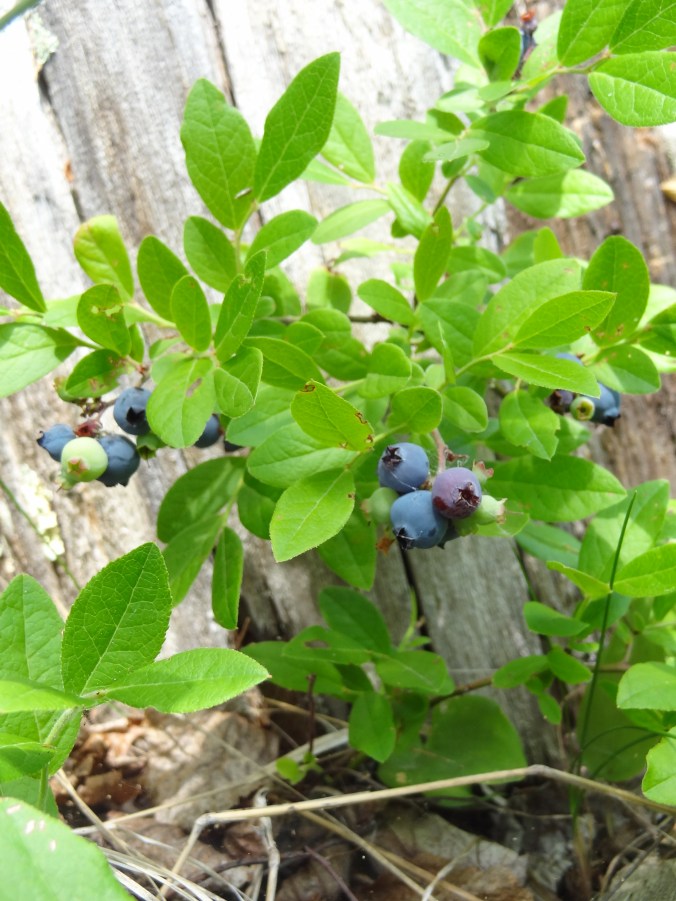



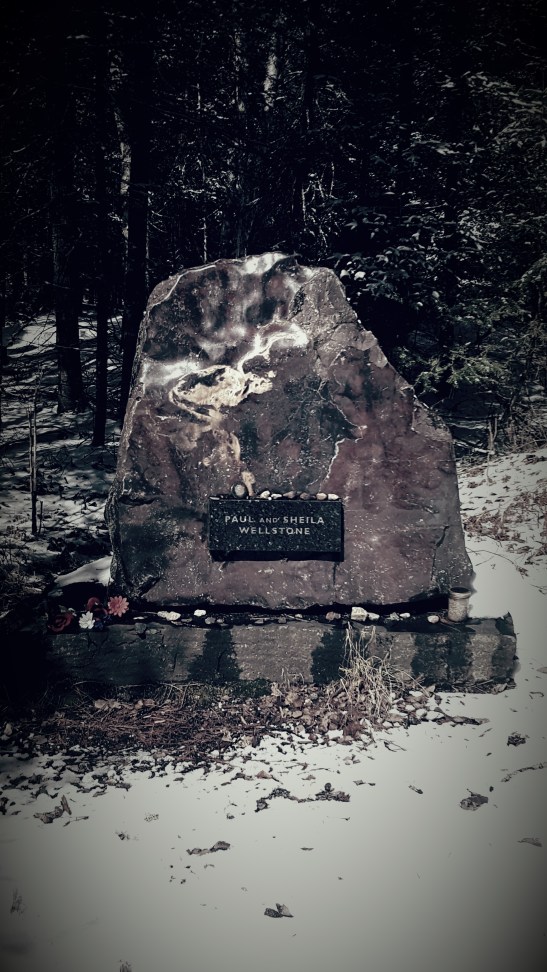
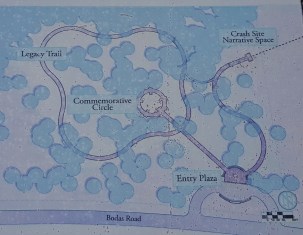 Russ and I had driven past the signs for the memorial off Highway 53 several times and finally had the time to stop. The first thing to greet us in the parking area was poetry. A snow-covered stone mantle sat at the entrance to the memorial. We brushed off the snow, trying to read the poem that was etched into the rock. We couldn’t do this because of the moisture, but were able to make out some of the words later, after they had time to dry.