Enough with “Farm-Raised” Ingredients, Already!

512px-Hen_chicken

By Thegreenj (Own work) [GFDL (http://www.gnu.org/copyleft/fdl.html) or CC-BY-SA-3.0 (http://creativecommons.org/licenses/by-sa/3.0/)%5D, via Wikimedia Commons.

You all know how I love critiquing television commercials. I just saw another one that reminds me of the 2015 ad for Lay’s “farm-raised” potato chips. This commercial was for Beneful grain-free dog food, which employs advertising professionals who are trying to sell us on the merits of all that “farm-raised” chicken in their dog food. The phrase is mentioned at least three times during the ad.

I ask you, WHAT OTHER KIND OF CHICKEN IS THERE? When’s the last time you heard of a flock of wild chickens captured and used for dog food? Never, I warrant.

While I have nothing against farms, and I am happy that chicken is the number one ingredient in Beneful’s dog food, the fact that it is “farm-raised” only makes me laugh.

Crossing Death’s Door on Lake Michigan

On the Robert Noble ferry to Washington Island.

My coworkers and I crossed Death’s Door not one, but two times last week. And we lived to tell about it!

Death’s Door is a treacherous crossing of water off the tip of the Door Peninsula on Lake Michigan. Many a ship and many a life have been lost to its currents and weather. Our goal was to visit Washington Island, a six-mile-by-five-mile piece of land about a half-hour ferry ride from the mainland. We were on a field trip to check out some Sea Grant projects in the area and to interview a commercial fisherman to learn more about his trade.

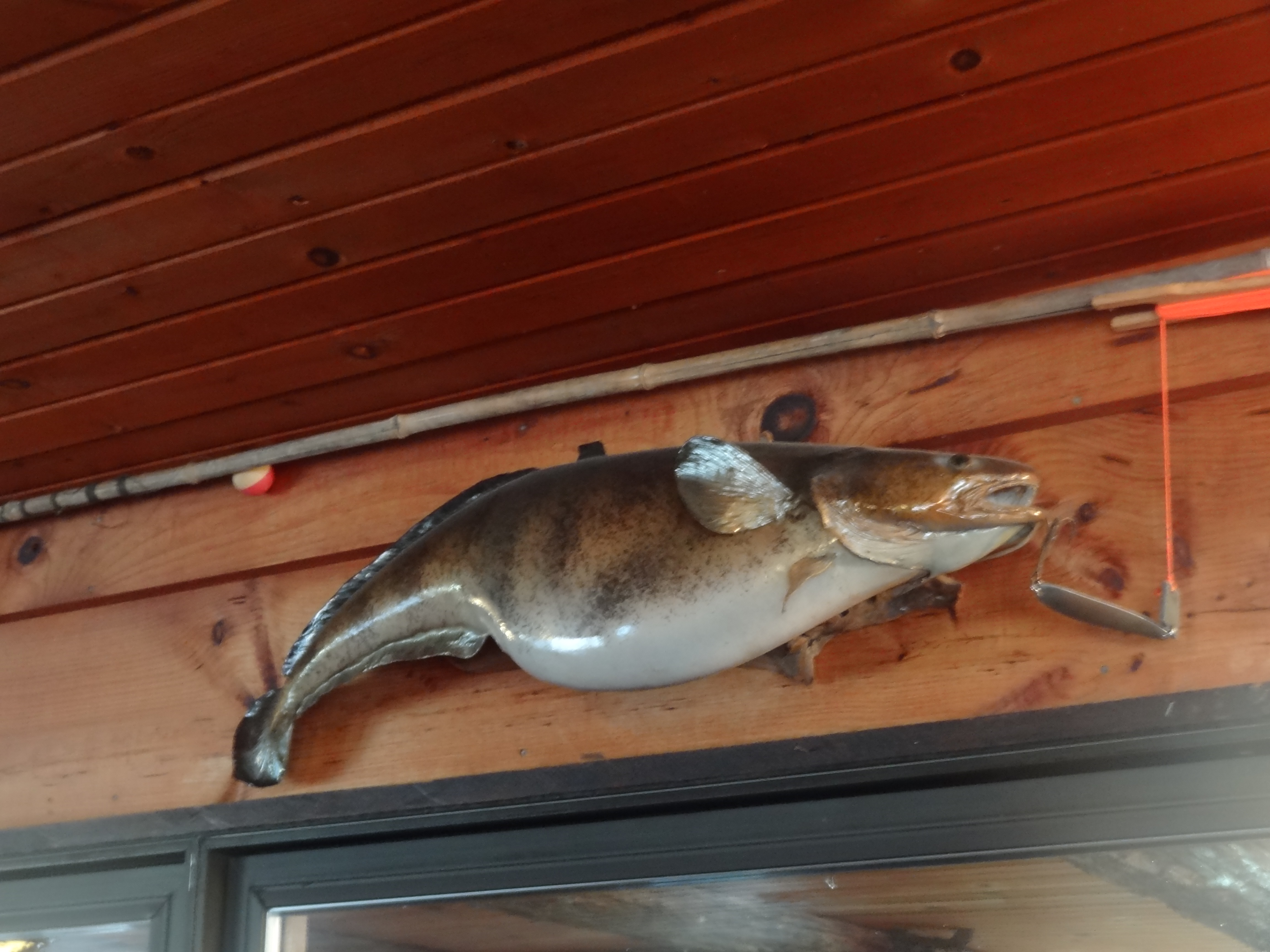
While waiting for the ferry, we checked out a historical shipwreck sign our agency produced. After a gray and rainy crossing, we landed on the island and drove to our lunch destination, the KK Fiske Restaurant, where we heard you can eat fresh lawyers. No, we are not cannibals; lawyers are one of the nicknames for burbot, a cod-like fish caught in local waters.

A stuffed lawyer.

Appetites at the ready, we were disappointed to find they had no luck catching lawyers that day, so we’d have to make do with whitefish. That was pretty tasty, in any event.

We only had a couple of hours to spend on the island before we needed to head back to the mainland to interview the fisherman. Besides eating, we spent it driving to a state natural area on the end of the island, called Little Lake. There is indeed a lake there, along with a museum that features artifacts from people who used to live in the area.

Little Lake State Natural Area, Washington Island.

After a coffee stop and an unsuccessful search for the island’s lavender farm, we were back on the ferry. Once we landed, breathing a metaphorical sigh of relief that we survived the crossings, we headed toward Bailey’s Harbor.

We found Bailey’s Harbor Fish Company off the beaten path, where we interviewed Tate Stuth, one of the new generation of commercial fishermen in the area. He explained how this fourth-generation family business works, and shared some of the frustrations and unique aspects of their operation. I left the interview thinking that the industry is in good hands.

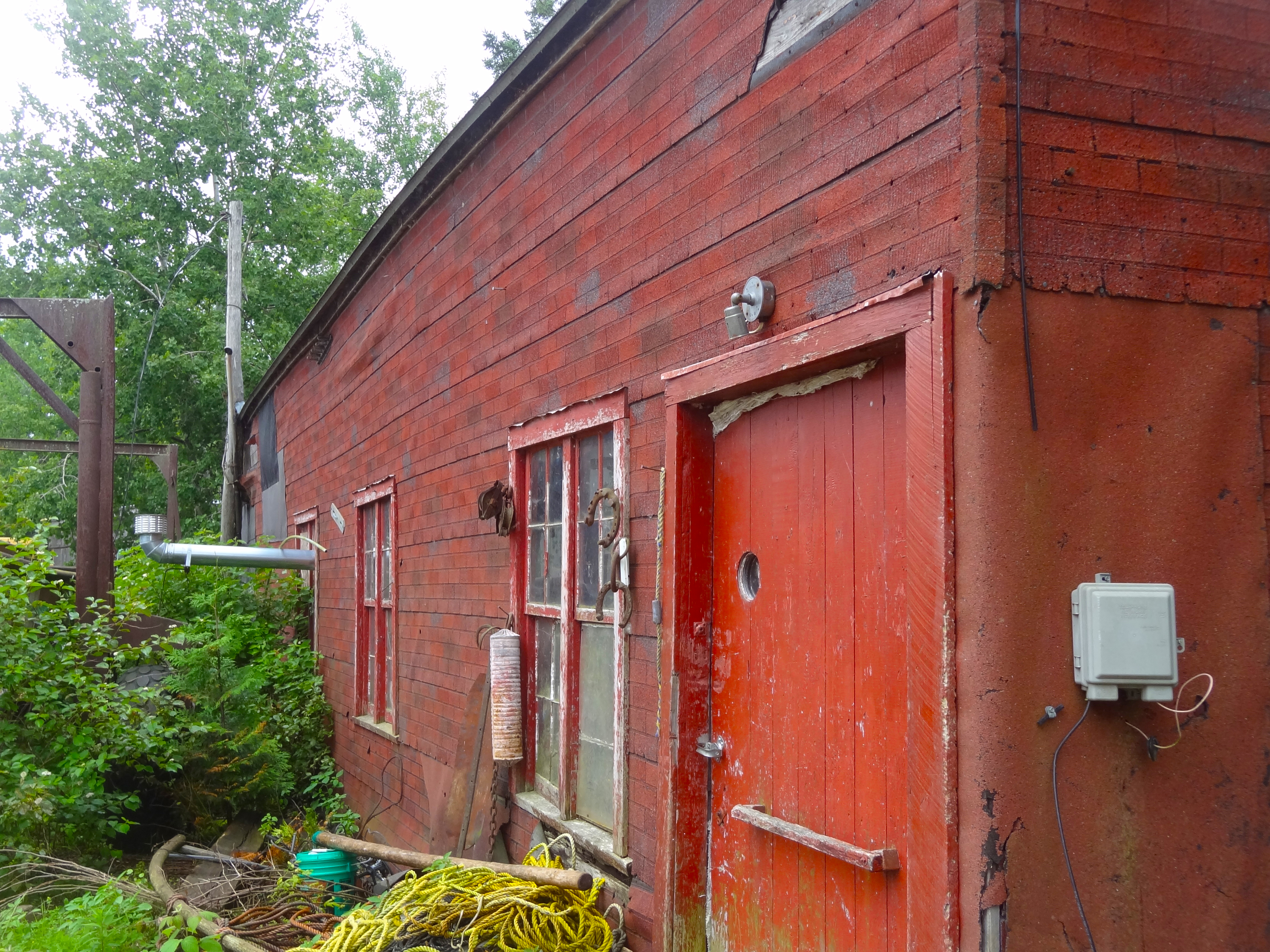
One of the most enjoyable parts of the trip for me was roaming around the fish yard after the interview was over. It held old net buoys and floats, rusty trucks, dry docked boats, nets drying on racks. I hope you enjoy the pictures!

The Joys of “Going Coastal”

thumbnail_IMG_8808

Six of nine “Going Coastal” authors. From L to R, Evan Sasman, Maxwell Reagan, James Brakken, Judy Budreau, Marie Zhuikov, Eric Chandler. Image by Ryan Swanson.

I’ve been working a lot lately to promote a new anthology of Lake Superior short stories, called “Going Coastal.” I’m finding that promoting a book written by a bunch of other authors versus a book written just by myself is a lot more fun. Having others to share in the workload of doing readings and events is well, way less solitary, and I enjoy helping to promote their writing careers.

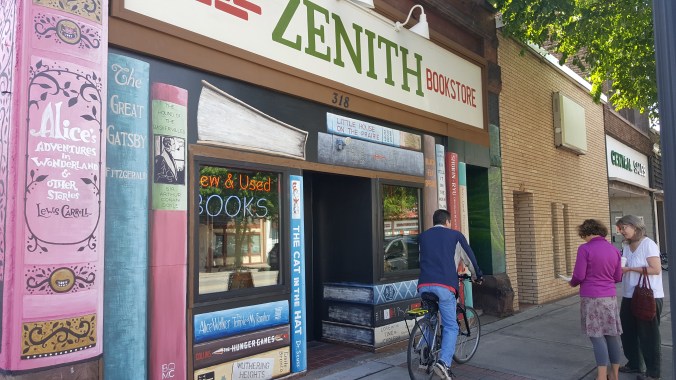
We just had an event at a new local bookstore this week. A superb description of it can be found in “Ennyman’s Territory,” a local arts and culture blog written by Ed Newman. His story also includes a link to a recent review of the book.

And if you are ever in the Duluth area, stop by our newest independent book store, Zenith Books. If you love to read, you’ll feel right at home there.

20170701_104542

DSC04153Crop

Zenith Book Store owners Angel and Bob Dobrow with a copy of “Going Coastal.”

Iams Dog Food Alert!

20170715_115423

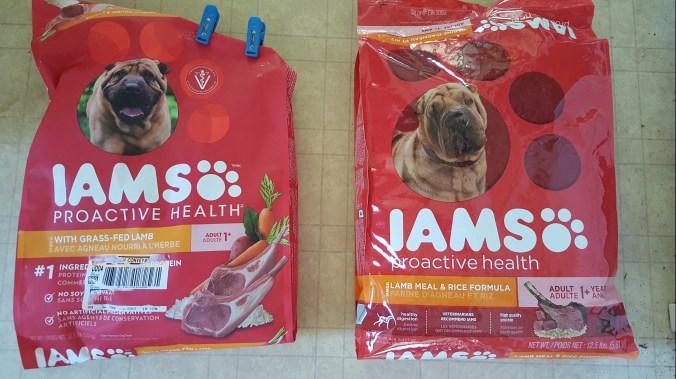
Don’t these two bags of dog food look the same? They are not! The one on the left (which has chicken as the first ingredient) is masquerading as the lamb meal formula on the right.

As you may recall, my canine companion is Buddy, a large goldendoodle. One of the reasons we decided on this breed was because I had just discovered that my youngest son was allergic to cats. To try and ensure he didn’t become allergic to dogs, too, we wanted to get a doodle because they are “hypoallergenic,” meaning that people are less likely to be allergic to them because they don’t shed hair like other dogs.

It’s been great having a dog that doesn’t shed. I don’t mind the once-every-two-month trip to the groomers to get his hair cut if it means that I don’t have to continuously vacuum up his hair in my house.

Irony of irony, our hypoallergenic dog seemed to be developing allergies. In consultation with his vet, I changed his food from one based on chicken to one based on lamb. The food I chose was Iams Lamb Meal and Rice Formula. It still had some chicken in it, but that ingredient was farther down the list than his previous food.

Changing his food seemed to help, as did putting him on a daily dose of Zyrtec, but he was still having low-key allergy issues (itchy eyes, irritated skin, etc.), so this year, I went ahead and had Buddy tested. The vet couldn’t determine food allergies with the test, but she could determine environmental allergies.

Turns out Buddy is allergic to dust mites. So are my son and I. My house is pretty much dust-mite-proofed already, but I did go ahead and get Buddy a dust-mite-free bed and special blankets to put over the furniture where he likes to sit. But they didn’t seem to make any difference in his symptoms.

The next step to determine what food ingredients he’s allergic to would be to start buying some special dog food for several months that costs $90 per bag and then introduce different food ingredients later on to see what his reaction is. That seemed more trouble than it was worth for his minor allergy issues. So I stuck with the Iams lamb dog food.

Last week I bought a new bag because I was getting low. When I ended up opening it at home later, I noticed that although the label was the same color and had the same breed of dog on it, it now said “With grass-fed lamb” instead of “lamb meal & rice formula.”

Hmmm. I looked at the ingredient list on the side and was miffed to find that chicken was the first ingredient and that lamb was now #5.  Sneaky! Iams is trying to pass off this new formula to unsuspecting people who usually buy the “lamb-as-first-ingredient” formula.

20160520_190803

The Budster.

After some thought, I decided to try my dog on it anyway. I’m not sure that chicken is the culprit for his allergies. It’s just a suspicion, and this would be one way to check.

Sure enough, his allergy symptoms got worse. He started sneezing more, biting at his skin, and rubbing his eyes. As soon as I figured this out, I went to the store in search of a different brand of food. I discovered that Purina One has a Lamb & Rice Formula, which has lamb as the first ingredient and “poultry byproduct meal” as the fifth ingredient.

I gradually switched my dog over to it, and now his symptoms have subsided.

Curious to see if anyone else had noticed this “bait-and-switch” tactic of the Iams Company, I searched the Interweb. I didn’t find any complaints about that. But I was shocked by the number of complaints from people who blame Iams food for killing their dogs! Creepy. It made me glad I switched brands.

I also did a search on Purina One to see if there were any dog-killing complaints. There were a lot fewer.

In any event, Iams dog food users beware! They have sneakily switched the ingredients in their lamb and rice formula food and are trying to pass it off as the same thing. I can only assume this change was due to profit margins. I’m sure chicken is cheaper than lamb.

If your dog has food allergies like mine, this switch could be bad news.

Sexual Harassment, Wilderness-Style

Mt Lake

A couple of my crewmates clowning around during a break on a bluff above Mountain Lake in the Boundary Waters Canoe Area Wilderness.

Back in the early 1980s, my first summer job in college was as a volunteer for a U.S. Forest Service trail crew in northern Minnesota. This was the first year the Superior National Forest ran a volunteer program, and I looked forward to spending time in the woods after living in a big city where trees grew out of cement. Our task was to clear several long-neglected hiking trails along the Canadian Border in the Boundary Waters Canoe Area Wilderness.

The experience not only taught me how to use a crosscut saw, but also an effective and rather devious method to counter sexual harassment. (No saws involved, however!) You see, I was the only female crew member. One woman and four men tromping around and living in the wilderness together, 24-9 (twenty-four hours per day for nine-day shifts). You do the math. Between each shift, we had five days to recover.

Because the boundary waters is a federally designated Wilderness, we were not allowed to accomplish our task via any motorized or mechanical means. This meant we carried in all our gear by hiking or canoe. This gear consisted of hand tools such as axes, saws, nippers, and shovels, plus our own food and camping equipment. We tented on lakes near the trail and fixed up the campsites along the way, too – digging new latrine holes and smoothing out the dirt tent pads.

Volunteering had seemed like such a good idea at the time. But after about four days, I started asking, What have I gotten myself into? We hiked for miles each day. It was June and the blackflies, mosquitoes, and ticks were out in full force. I could easily slap twenty mosquitos into my jeans with one swipe. We used government-issue bug dope that could take the varnish off of furniture – slathering it on at least five times per day. I’d also never cut through a tree before, and learning new sawing and chopping skills was challenging.

Portaging a canoe was new, too. The crew decided a good initiation for me was to carry our heavy aluminum canoe (this was before the era of Kevlar) up the 120+ steps on Stairway Portage between Rose and Duncan lakes. I made it, although my legs were shaking quite badly once I reached the end of the portage.

I tried not to let all the challenges discourage me. After all, I was in the outdoors that I loved. I was reading John Muir and Sigurd Olson’s books and was buoyed by their idyllic descriptions of nature. I wanted to help the wilderness.

I wrote this in my journal:

Save this space
for that lone bird
blending with the sky
and hill-green water.
Save it
for that flight.

I did not complain, and in fact, volunteered for extra work like hiking back to camp to collect a forgotten canteen, or going on a reconnaissance hike with our crew leader to assess the next day’s trail work. It looked overwhelming. The trail hadn’t been maintained in years, and massive piles of fallen trees blocked our path. In some instances, it was going to be easier just to reroute the trail instead of trying to cut through the deadfall.

Randy*, our crew leader, was a 225-lb. fair-haired Swede who was at the mercy of his vices of drinking and smoking cigars. Another notable crew member was Peter*, a divorced 29-year-old who worked odd jobs in Minneapolis – everything from dish washing to acting in television commercials. Handsome, but mercurial and insecure, he seemed mature at times, but at others, like he had a chip on his shoulder. His perpetual five-o’clock-shadow gave him the look of a stereotypical prison convict. He was also always sharpening his knife, which gave me the willies.

Our evenings were spent around the campfire. Collectively, the guys had brought enough liquor to fill a whole backpack, which came out at that time. Their conversations, which centered around whisky, wilderness, women, and hopping trains, were punctuated by swearing. “Sh*t” and “motherf**ker” were their favorites. They called the tourists that we came across “peasants,” as if they were the wilderness-poor who could only stay in the boundary waters for a short time, while we were truly rich because we got to stay here for most of the summer. I tended to agree with them on that point.

Because I was a woman, I slept in my own tent. The guys slept two or three together in the other tents. Near the end of our second trip, several of the guys started making comments at night when we were all in our sleeping bags. They’d yell over, half-joking, half-not, “Hey Marie!  What does it feel like to have a c**t? Hey Marie, come over here, I have something I need your help with.” You get the drift.

I had never encountered anything like this before. I can’t remember if I acknowledged their taunts or not. And where was crew leader Randy during all this? I don’t know. Probably asleep, or feigning sleep. By the second or third night, I was finding their comments tiresome.

The next day, after the hard labor of constructing erosion control bars on a steep portage, the guys went skinny dipping while I was in my tent reading.

After a while, they mentioned getting cold and that they were thinking of coming out of the water. Instantly inspired, I made my move. I came out of my tent and sat on a rock not far from the lake, enjoying the view and all that nature had to offer.

With me sitting there in all my femininity, the guys did not have the courage to walk naked out of the water. So I sat, not talking, for a good long time. After their teeth started to chatter, I stayed a few minutes more, then nonchalantly ducked back into my tent.

You know what? The vulgar comments stopped, and I didn’t even need to complain to any authority figures. I only needed to muster a little spunk and show them what it felt like to be vulnerable (and very cold and shriveled) because of their gender.

The gender thing wasn’t all bad, however. One evening before the harassment started, Peter volunteered to heat up water over the fire and help me wash my hair while the other guys were gone fishing. He rinsed the suds out onto the ground instead of into the lake, which was our drinking water. His fingers massaging the luxurious warm water through my hair felt divine.

We had a nice talk around the fire afterwards, during which he asked me out to a play in the nearest small town. I don’t recall my exact answer, but it was probably something non-committal, given that I had a boyfriend of sorts back at college. And then there was all that knife-sharpening he liked to do….

I found out later from the other crew members that Peter had in fact just gotten out of the state prison, so it was probably a good thing that the hair washing didn’t woo me.

The harassment didn’t stop me from eventually working for the Forest Service. I volunteered again as a photojournalist on another ranger district in the same forest during my first summer after college. That eventually led to my hire as the forest public affairs specialist.

During the five years I was a Forest Service employee, I never got harassed by another employee. But that could be because I had a reputation. 🙂

*Names have been changed.

Clearwater Lake

The view from one of our campsites on Clearwater Lake.

Hope for Sea Grant

Border_Wall_at_Tijuana_and_San_Diego_Border

The Mexico–United States barrier at the border of Tijuana, Mexico and San Diego, USA. The crosses represent migrants who died in the crossing attempt. Some identified, some not. Image credit: © Tomas Castelazo, http://www.tomascastelazo.com / Wikimedia Commons / CC BY-SA 4.0

The federal funding situation is looking up for the provider of my livelihood, despite President Trump’s wishes. As you may recall from a previous post, I work as a writer for a state branch of the National Sea Grant College Program. Basically, Sea Grant provides federal money to university researchers to explore and protect our oceans, lakes, and rivers.

My job is to explain what the researchers find to the taxpayers who fund the program. (Which is most of you who are reading this.) I do this through storytelling, and my stories are published on our program’s website, blog, newsletter, news releases, etc.

President Trump proposed drastic cuts to the rest of our 2017 budget, and he zeroed out the program in his proposed 2018 budget to Congress. He thinks the money spent on our program would serve the country better if it went toward building a wall along the entire Mexican border.

Sea Grant’s 2017 budget was spared because Trump agreed to delay his push for wall money until the 2018 budget battle. Congress passed a continuing resolution for 2017, meaning that our funding remained steady. Thus, I still have my job!

I am very thankful for that, and very thankful for all the support I’ve heard for the program from my federal representatives, community, friends, and fellow bloggers.

Preparations for the 2018 federal budget have begun, and I have good news to report on that front, also. At the end of June, a House of Representatives subcommittee met to develop their version of the budget for the departments of Justice, Science, and Commerce (of which Sea Grant is a part). Their budget bill keeps Sea Grant’s funding at its current level.

According to the director of my program, who is ‘in the know’ about such things, this is a big deal because the House is typically the group that lowers budgets. Their rejection of the President’s recommendation to zero out our program is a crucial first step in the 2018 budget process.

The budget process isn’t over yet, but this news made all of us Sea Granters breathe a sigh of relief and enjoy celebrating the nation during the recent 4th of July weekend a lot more. It’s good to know that at least part of the government supports the work we do, even if the leader of the nation doesn’t.

Onward!

My Sons are Immortalized in Plastic


It seems the Mattel Company, makers of the Barbie and Ken dolls, have stolen my sons’ likenesses for their new “Fashionista” Ken Doll line. The “Comeback Camo” Ken Doll and the “Chill in Check” doll look EXACTLY like my boys.

I will not further exploit my sons by posting their actual images to my blog. You’ll just have to believe me that the resemblance is uncanny, even down to the clothing.

I was sort of creeped out when I saw the TV news story about the new doll line the other day. I mean, what are the chances that two out of 15 dolls could double for my offspring? A follow-up question is, what kind of mother am I to give birth to not one, but two cultural stereotypes?

I should be mad that Mattel has taken my sons’ likenesses without their consent. But it’s also rather flattering.

Either way, I know what my sons are getting for Christmas this year!

Elephant of Love

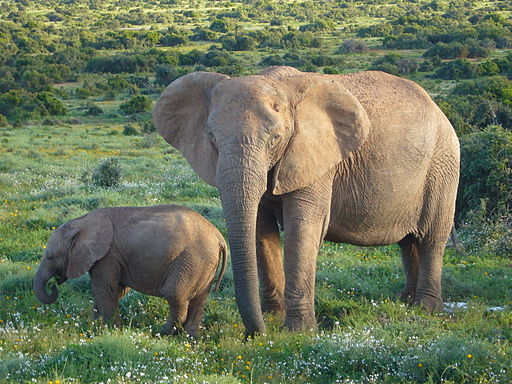
512px-African_Bush_Elephants

Photo of African elephants by Gorgo, Wikimedia Commons

My youngest graduated high school this month. The milestone has triggered some reminiscing in me. He was the one they had to cut from my belly when he was born eighteen years ago. Before the doctors lifted him out of that airless world, the anesthesiologist said, “Now, you’ll feel like an elephant is sitting on your stomach.”

I was glad for the warning because that’s exactly what it felt like – a deep pressure that I never experienced before and hoped never to again.

Despite his rough start, we both recovered quickly. The nurses were charmed by his big blue eyes and dark hair. They also liked that he was loud. “He’s a good baby,” they said. “He’ll always let you know when he wants something.” They joked that it was hard to keep diapers on him because, “Your baby has no butt!”

My son’s roars and spunky nature garnered him the nickname of “Tigger,” after the bouncy stuffed animal from the Winnie the Pooh books. He met his big brother and seamlessly fit into our small family.

He took his first trip at four months when I had to go to New Orleans for a work meeting. He wasn’t one of those babies who cries on flights. Instead, he smiled at everyone and had all the stewardesses wrapped around his tiny pinky finger by the time we arrived. He got to ride the St. Charles Streetcar and stay at the Inter-Continental Hotel downtown. Pretty good for a little guy.

He was so cute that sometimes I actually welcomed going away to work because it helped me avoid “cuteness overload.” Just to test whether all his cuteness was in my head or not, when he was two, I entered him in a Cute Baby Contest held at a local mall. Turns out, the judges agreed with me. He won first place for his age group for Prettiest Eyes, and second place overall. He could have advanced to more contests, but he did not enjoy the experience, so I spared him. I had the proof I needed by then, anyway.

On the first day of kindergarten, he was so excited, he ran down the street to the school at the end of our block. Soon, he knew the names of everyone in his classroom, and even those of kids from other classes.

The only pause he gave us growing up was his accident-proneness. Once, he wore his Superman pajamas (complete with red cape) and tried to fly off the basement steps onto the concrete floor below. That did not go as he planned. (Concussion.) Another time he tripped in the kitchen and hit his forehead on the corner of a wooden bench. (Stitches required.) Then when we went to Mexico and were eating at a restaurant in the sand on the first night, he turned quickly and ran his face into one of the poles that supported the hammocks. (No stitches, just lots of crying.)

Weird accidents with other kids happened on the playground and in school. There were black eyes, bruised hands, sprained ankles, and innumerable scrapes. Oh, and I mustn’t forget his third-degree arm burns when a classmate mishandled a hot glue gun.

He kept us busy with swimming lessons, baseball games and soccer practices. His transition to high school seemed to go well at first but he had a hard second year. He became quiet, elusive, moody. He rallied in his third year when he was chosen for the varsity soccer team and was required to keep his grades up to play. He finished his senior year as one of three co-captains of the team.

Even though a torn knee ligament sidelined him for part of the season, he earned the title of “most dedicated” player. And when he returned to play, he completed the most beautiful head shot into the net that I have ever seen.

Now, he has a long-term lady friend, a job, and he’s poised on the cusp of a new life stage. We are having a graduation party for him this weekend, and I expect that sometimes during it a certain feeling will overtake me — a deep pressure in my gut that I hoped never to feel again.

But I will be glad to feel it, because this time, it’s the big-assed elephant of love.

Here’s to you, my son.

How Seeing a Bob Dylan Exhibit Made me Happy not to be Famous

20170527_135900

Lyrics to the “Ballad of Donald White.” Dylan wrote them on the cover page in a library book of the people he was staying with in NY City. Needless to say, they did not return the library book. Dylan’s name is on the checkout form on the opposite page.

This weekend I had a chance to visit the Bob Dylan exhibit at Karpeles Manuscript Library Museum in Duluth. I went there for a talk about Dylan given by someone I know. Unbeknownst to me, the time of the talk was changed to an hour later, so I had a long stretch to look at the exhibit beforehand.

And I’m glad I did. I mean, how can I consider myself a true Duluthian if I don’t know at least a little about one of its most famous personages? I learned a lot of new things, and re-remembered some old. But mostly I came away with the sense that it would be creepy to be that famous.

Dylan was born in Duluth in 1941 in the same hospital I was. He lived here until he was five (so said my friend who gave the talk, but Wikipedia says he was six). His father contracted polio (get your vaccinations, people!), necessitating a move to be nearer to relatives in Hibbing, Minn. Dylan graduated from high school in Hibbing and then went to college at my alma mater, the University of Minnesota in Minneapolis. He dropped out after a year and went to seek his fortune (and Woody Guthrie) in New York City.

20170527_141741

A copy of Dylan’s 2016 Nobel Prize diploma for literature.

What both impressed and creeped me out was that the exhibit had things like a copy of Dylan’s birth announcement from the local newspaper, and photos of his early girlfriends, including a letter by his NYC girlfriend, Suze Rotolo, to her mother. In the letter, Suze is chewing out her mother, who obviously didn’t care for Dylan. The exhibit also featured a short note that Dylan wrote to the people he was staying with in NYC, letting them know where he was going and when he’d be back (1 a.m.). He told them not to wait up.

I just can’t imagine being the object of that must interest. I mean, a short note like the one he wrote in NYC would be thrown out by most people. And can you imagine seeing an exhibit under glass filled with photos of your early romantic interests?

But it was obvious that Dylan courted the fame. I mean, even before he was famous he was writing lyrics for friends as keepsakes, and signing his name to them. He went looking for the fame, and found it. Or maybe I am being too hard on him. Maybe he was just expressing and sharing his creativity, and look what happened as a result?

Anyway, I hope I never become that famous. (Although I hardly think there’s any danger of that.) Seeing the exhibit made me much happier to keep writing away in relative obscurity, thank you.

Free Books!

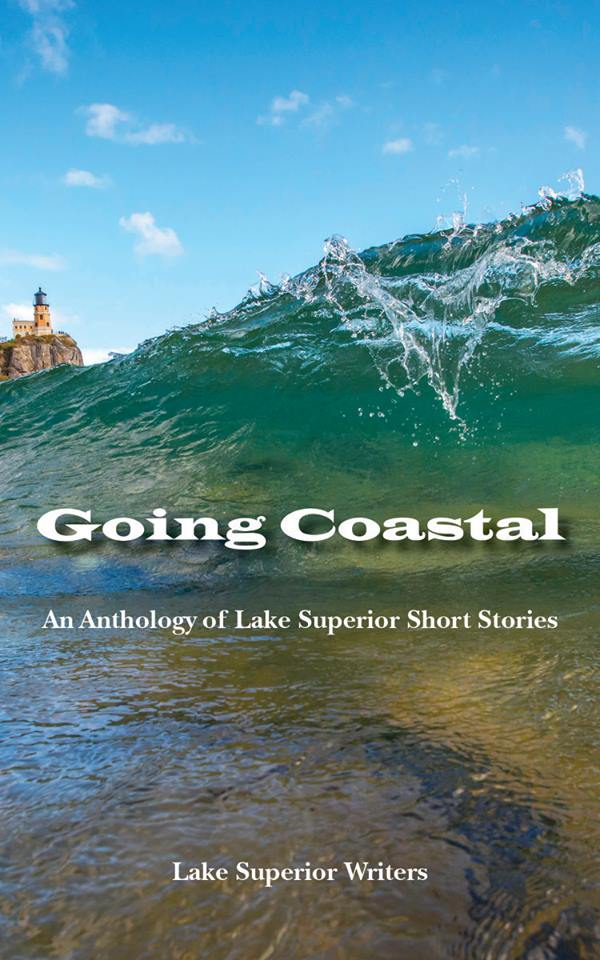
Going Coastal

If you’re active on Goodreads, a book giveaway is currently open for “Going Coastal.” This book is a collection of short stories about Lake Superior. Authors hail from northeastern Minnesota and northern Wisconsin. (A story by yours truly is included.)

The stories were chosen by a panel of judges during a contest offered by Lake Superior Writers last year. Lake Superior Writers is a nonprofit group with over 200 members that supports the artistic development of writers and fosters a vibrant literary arts community.

“If you like lighthouses, ships, beaches, ghosts, road trips up the shore, history, storms, agates, islands, family drama, and the mystical power of water, you’ll enjoy this book,” said Marty Sozansky, board chair of Lake Superior Writers.

Like the horizon blurs between sky and water, reality and fantasy merge in these tales of human struggle on the edge of one of the world’s largest lakes. Click here to enter the giveaway and the chance to win one of two copies. The giveaway is open until June 24, 2017.

If you don’t win, you can always purchase the book for $12.95 at Fitger’s Bookstore in Duluth and online through North Star Press, Amazon.com, and Barnes and Noble. Sales support Lake Superior Writers.