Grand Cayman Island Day 2: Crystal Caves and Lionfish

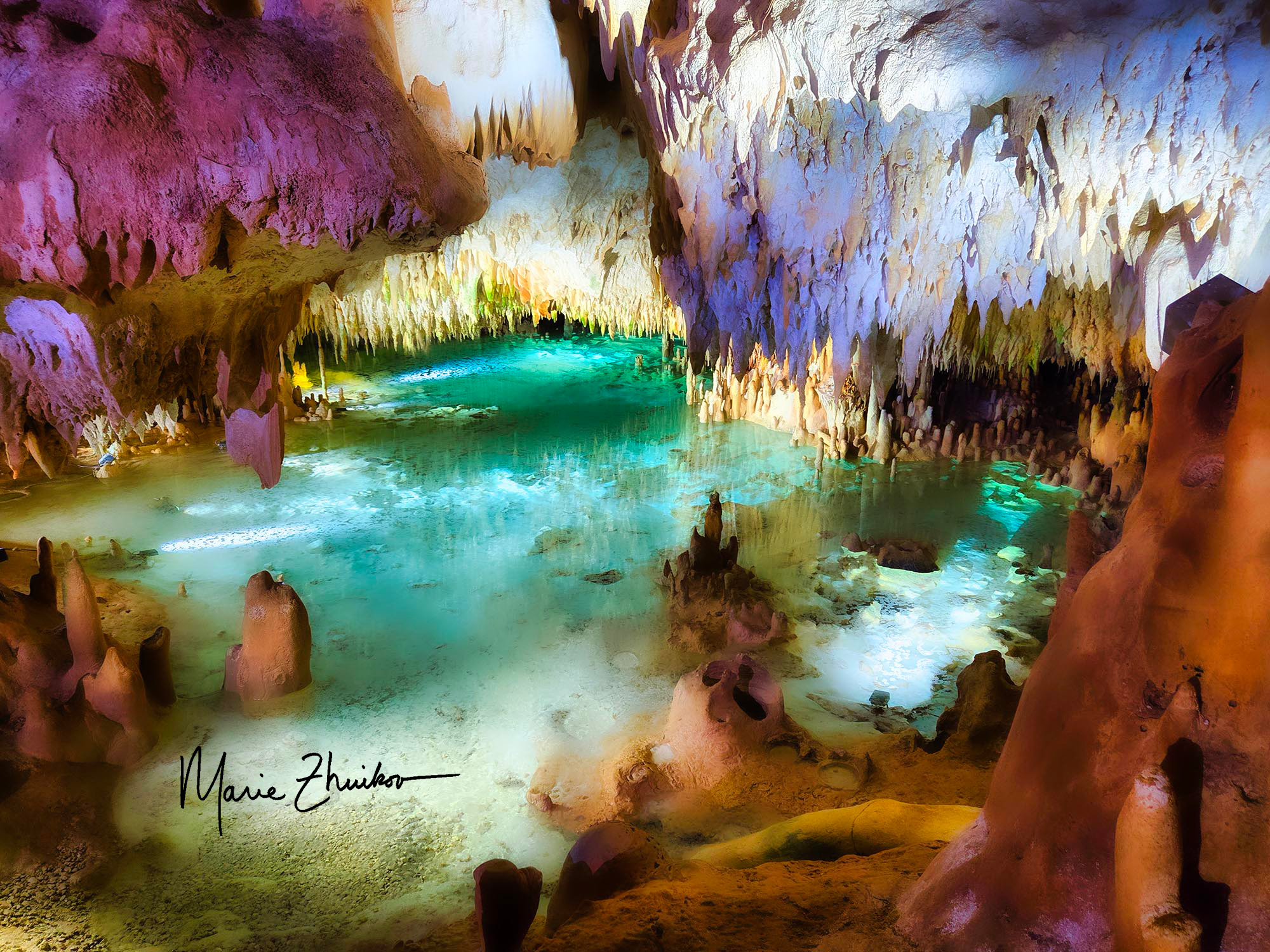
A soft focus image of Lake Cave at Crystal Caves.

After foraging for food at the grocery store, we spent the afternoon of our second day at one of the main attractions on the East End/North Side of Grand Cayman Island: Crystal Caves. Most of the island is limestone and the caves were formed over millions of years from water dripping through the rocks, creating stalactites and stalagmites. In the past, people used the caves for water and for shelter during hurricanes. They were also rumored pirate hangouts.

The guided tours last 1-1/2 hours and need to be prebooked. Ours began with the manager providing an orientation. Then we loaded into two vans for a short bumpy ride to the caves. Three caves are open for tours. Our first stop was Roots Cave, which features long tree roots draping from the ceiling. The roots have grown over the years as the trees above search for water in the cave.

Open Ceiling Cave. Note the ropes on the right that people used to use to enter the cave.

Our second cave was Open Ceiling Cave, which, as you’ve no doubt deduced, has a big hole in the ceiling. The third was my favorite from a photography standpoint. Lake Cave features a small, crystal-clear body of water (more like a pond) that has filtered through the rock.

One of the caves (I can’t recall which) had some fruit bats hanging from the ceiling. I felt bad that we disturbed their daily slumber, but it was cool to see them. During all the other cave tours I’ve been on in different locales the cave temperatures have been cool. These were hot, so be prepared. If you work up a thirst, there’s a small restaurant and gift shop at the cave site.

Russ and I were so hot and sweaty afterward that once we returned to the resort, we jumped into the pool. There’s nothing that a banana daquiri from a swim up bar can’t cure!

Lake Cave

For supper, we dined at a dive bar. An honest-to-goodness dive bar run by scuba divers. We chose Eagle Rays Dive Bar and Grill because they are known for featuring lionfish on their menu. We were also drawn by its casual atmosphere and relaxing ocean views.

Lionfish (and other invasive species) have popped up in my blog before. (See this guest post from 2020 by my friend Sharon.) These are a beautiful but venomous fish native to the Indian Ocean and west Pacific. It’s thought that people who no longer wanted lionfish in their aquariums, released them into the Caribbean Sea and the Atlantic, and now they have become invasive.

The good news is that, when prepared properly, lionfish are safe and good to eat! Island divers spear the fish, which are purchased by another restaurant and Eagle Rays. Rays claims to be the only place on Grand Cayman “that regularly serves everyone’s favorite marine pest.” Russ and I usually eat supper early, so we were able to get a table without a reservation. In fact, we were among the only people there, which ended up being a common and mysterious occurrence during this trip.

Lionfish tacos from Eagle Ray’s Dive Bar

Ray’s specializes in lionfish tacos, which Russ ordered. I can’t eat taco shells (wheat and corn), so they made me a special order of grilled lionfish and chips (which isn’t on the menu). Russ was very happy with his tacos and my dish was also delicious. Lionfish is a white meat, which to this Minnesotan, tastes a lot like our state delicacy of walleye.
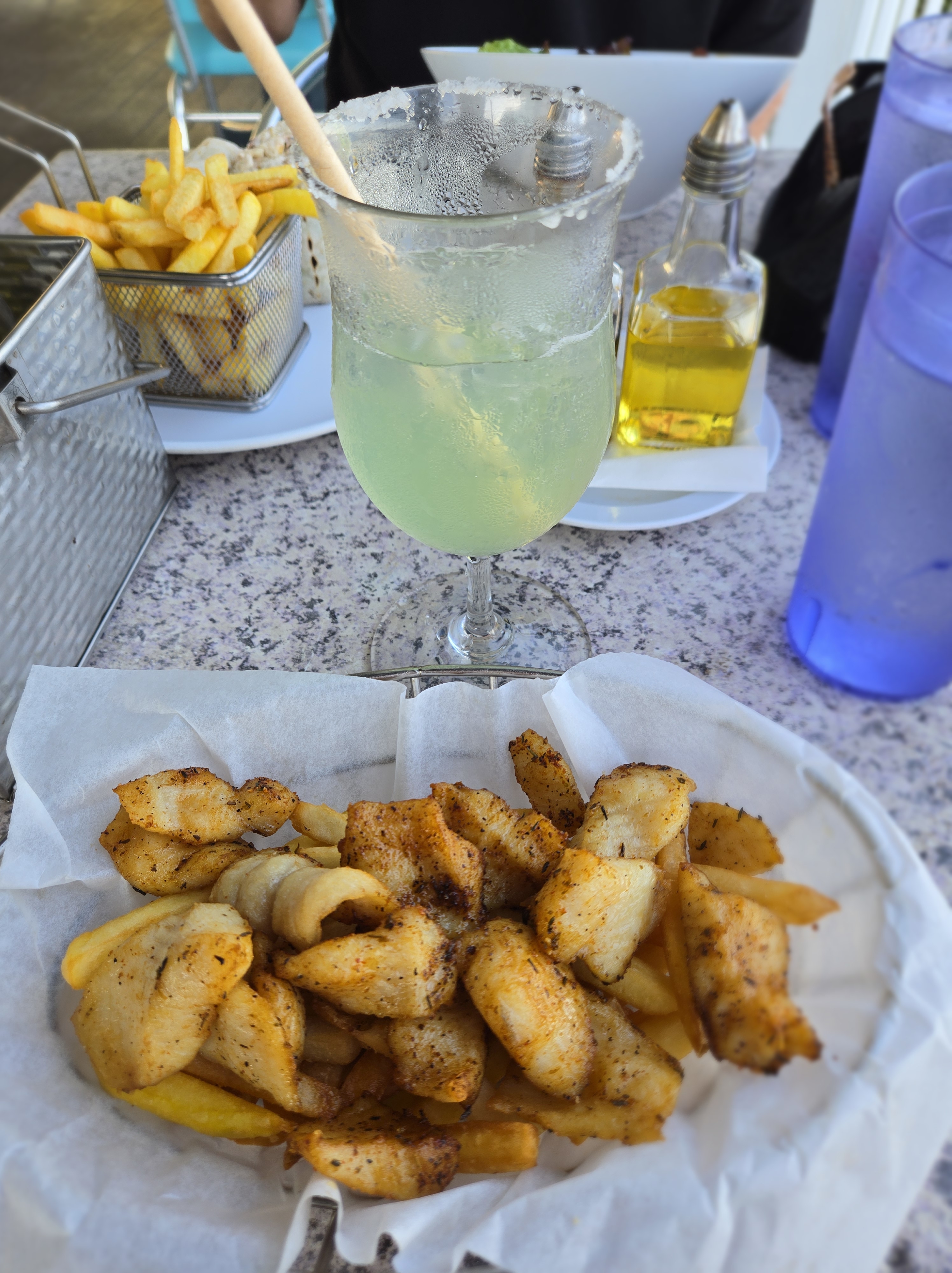
Lionfish and chips (plus a margarita!)

As we enjoyed our meal in the sea breeze, I uttered our trip slogan once again: “Can’t do this in Duluth!”

Next up: GoPro, Snorkeling, and Stingrays
Guest Post: Eating Invasive Species, A Pandemic Alternative

By Sharon Moen

If you know Marie of “Marie’s Meanderings,” you know a few things. She loves her family, which includes biological kin and people like Russ, Buddy the Wonderdog, and me. She enjoys food and foraging, is committed her job at Sea Grant, and devours books. Knowing these things about Marie prompted me to ask her if I could share some words with you about food and COVID-19.

If you are reading this, then she said, “Yes.”

“No, no, a thousand times no!” That’s what I imagine Marie said when a far-right-wing talk show host spluttered his willingness to eat his neighbors in the aftermath of the pandemic, given the high meat prices and shortages. She is against cannibalism and stuff like that.

Someone like Marie would invite you over FOR dinner, not AS dinner. If you accepted the invitation and whatever COVID-19-inspired guidance was in vogue, Marie might deftly turn a local invasive species into haute cuisine.

Here in Minnesota, invasive species foragers could rustle up a rusty crayfish potpie in a cattail-root crust accented with dandelion salad. If in Florida, they might prepare a double lion: lionfish with dandelion greens.

Posh, eh? I bet someone like Marie would even ferment some dandelion wine to complement the meal, if only there were time. I know for a fact that she recently cooked fern fiddleheads from her local forest.

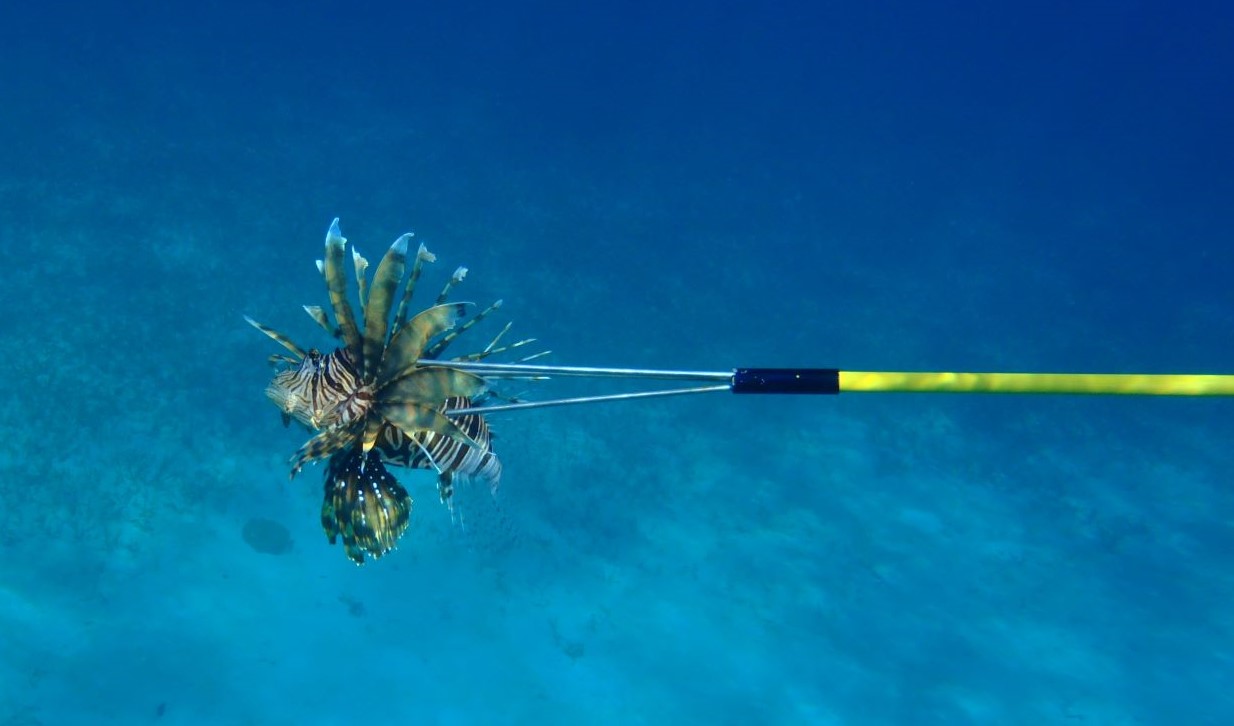
Speared lionfish

A speared lionfish in Belize. Be careful not to touch the poisonous spines! Image by Mike Sierszen.

I’ve joined Marie for meals and meanderings from Scotland to St. Martin. Believe me, the experiences were memorable! I’ve also had the privilege of tagging along with people trapping rusty crayfish in Minnesota and spearing lionfish in Belize to be used as food.

During these adventures, I learned a few valuable lessons about attracting and handling these pesky invaders:

Pro tip #1: Bait your invasive crayfish traps with fish heads and leave the traps in the water overnight. You’ll likely have a pile of bones and a mess of crayfish by morning.

Pro tip #2: Tie scissors to your spear when hunting lionfish. Use the scissors to cut off the poisonous spines before touching the fish.

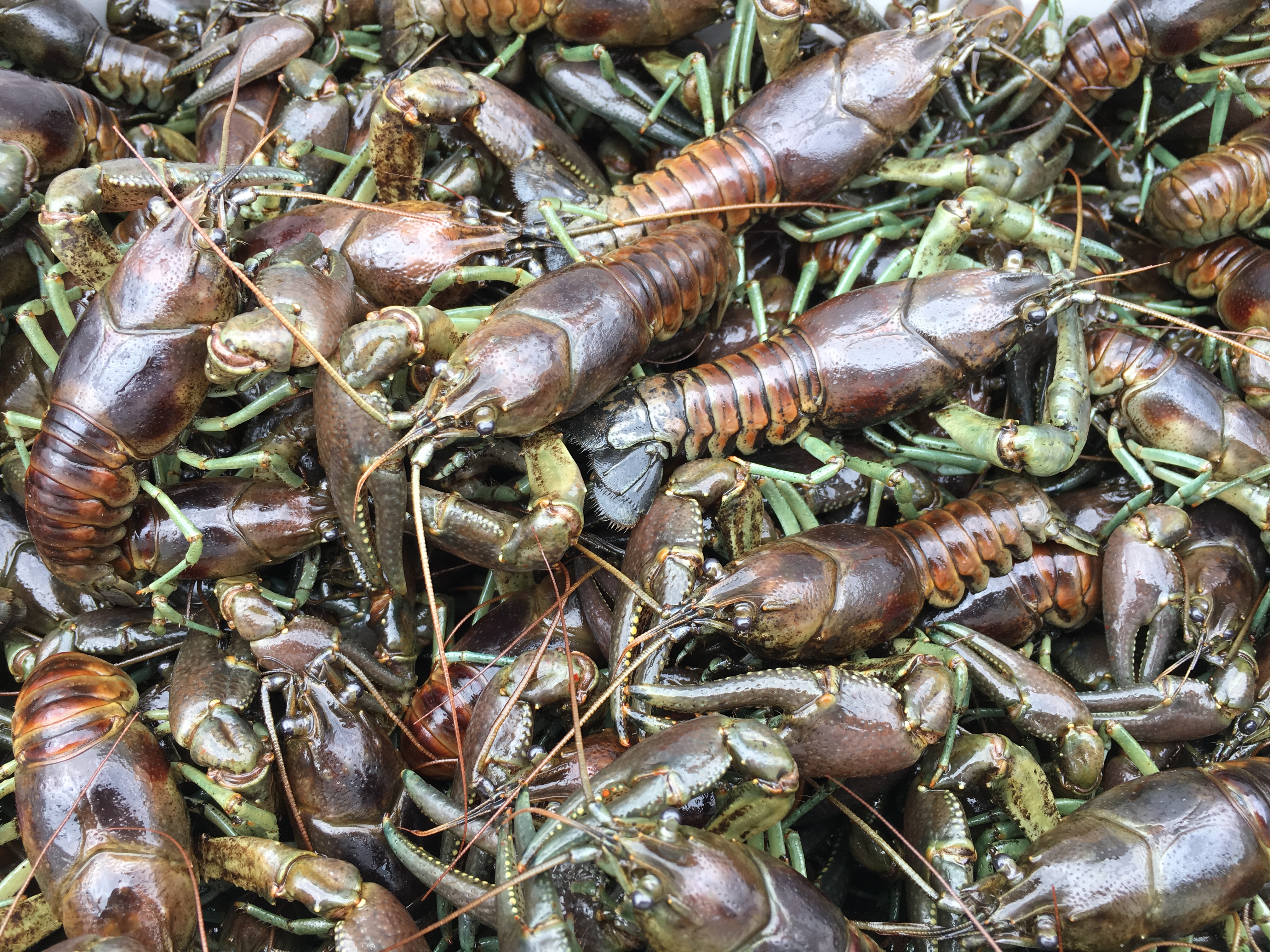
Rusty crayfish S Moen

One night’s rusty crayfish catch on the St. Louis River several years ago, reflects the scale of infestation: 57 traps, 2,140 crayfish. Image by Sharon Moen, Minnesota Sea Grant.

I also learned that as invasive species harvests make their way to tables, people along the way often gain a better perspective about why these species are so economically and ecologically harmful. Aquatic invasive species like rusty crayfish and lionfish tend to outcompete native species and disrupt food webs through their sheer numbers and voracious appetites. Crayfish claws and lionfish spines also make playing in water more hazardous. Their presence can reduce property values, and hurt recreation and tourism industries.

Through her job at Sea Grant, Marie and her colleagues conduct public education initiatives helping to control the spread of aquatic invasive species. During her storied career, Marie even organized an invasive sea lamprey taste test.

While you wait for her to tell you that story, consider reading The Omnivore’s Dilemma in which Michael Pollan challenges readers to understand where food comes from, what’s in it, and the processes involved in bringing it to human lips. The challenges of feeding yourself and those you love have always been real but they are manifesting differently through the COVID-19 pandemic. Be a thoughtful omnivore. Weigh the choices about what could be eaten and what is et.

Our friends at “Northern Wilds” magazine recently published an article on consuming dandelions. You can find many crayfish and lionfish recipes online. There’s even a cookbook published by the Institute for Applied Ecology you could add to your pandemic collection: They’re Cooked: Recipes to Combat Invasive Species.

Someday soon I’m looking forward to inviting Marie and Russ over to share dinner, not to be dinner. I’ll likely include an invasive species in the mix. What would you serve?

Be kind and stay optimistic.

Editor’s note: Sharon is available for freelance writing work. If interested, please contact me through my website and I’ll put you in touch with her.