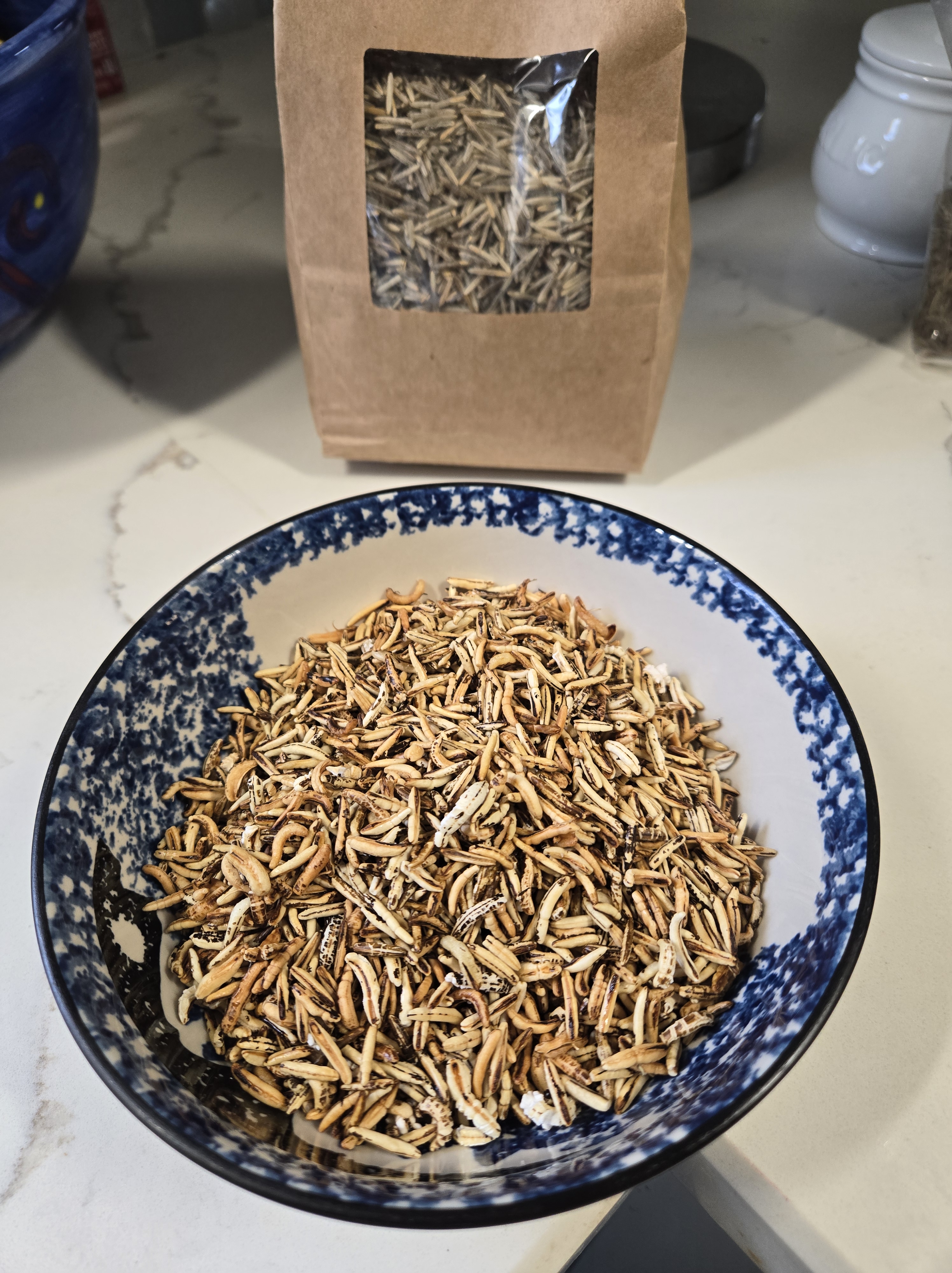
Wild rice, the kind of rice native to the Great Lakes and other parts of North America, is not only delicious in soups and other dishes, it makes a great and healthy snack.
A few years ago, I was gifted a copy of The Good Berry Cookbook by Tashia Hart. The author is a member of the Red Lake Anishinaabe (northern Minnesota) and she’s a culinary ethnobotanist, artist, photographer, writer, and cook. The book is more than a cookbook. It’s everything you ever wanted to know about wild rice.
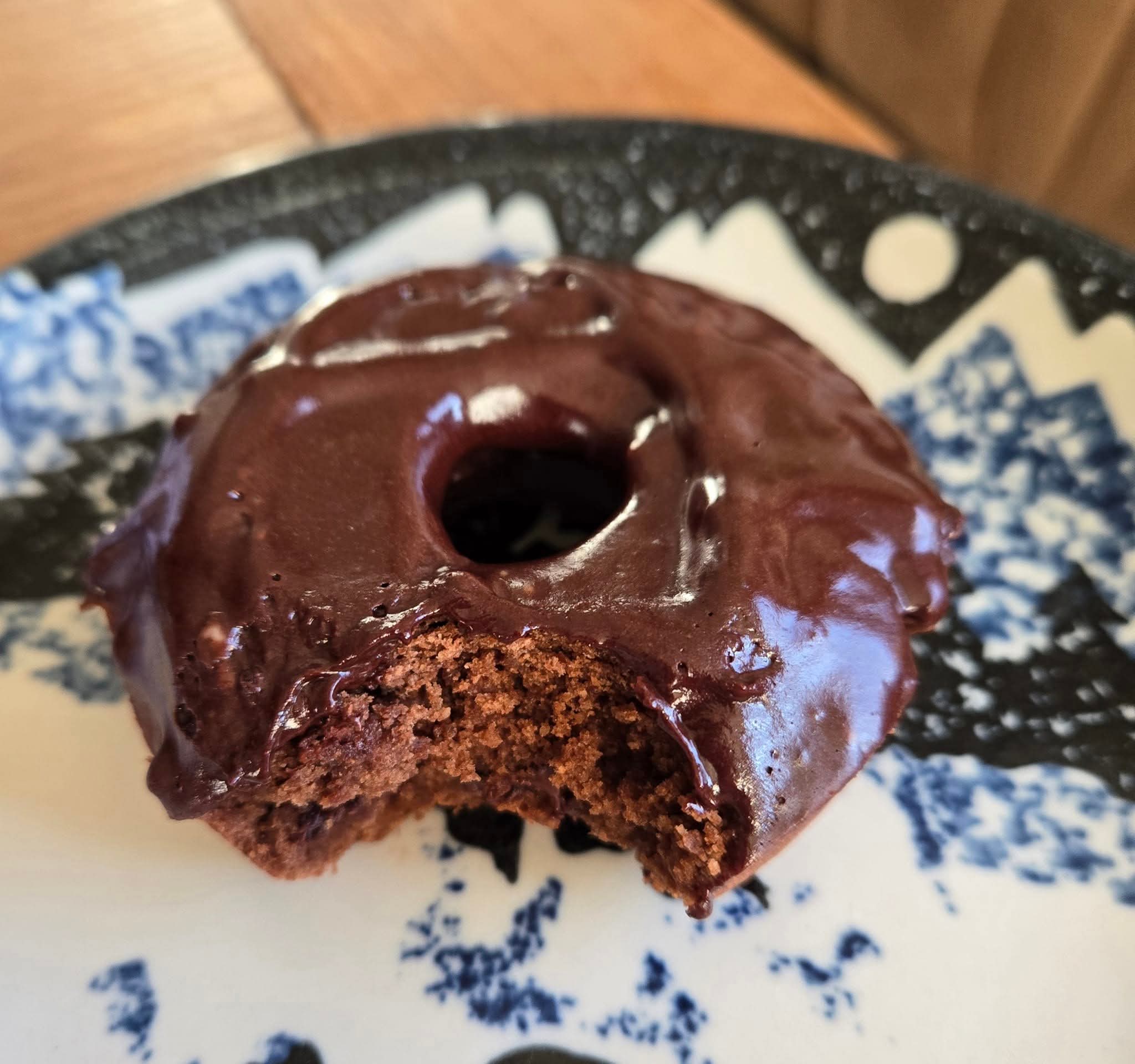
I’ve made several recipes from the book, notably, one for wild rice chocolate donuts (Triple Chocolate Donuts). As someone who’s always on the lookout for alternatives to wheat and corn, I was attracted by this recipe. They turned out looking great but were a bit gritty. Maybe I didn’t grind the rice into flour as fine as I should have. Since then, I’ve found other wheat- and corn-free recipes I like better.
This weekend, I went to a Harvest Festival in Duluth, which features produce from local farmers and artisans. One booth offered puffed wild rice in several flavors (for instance, cheese pizza!) I tried a sample of salted rice puffs. They were very good. Done this way, the wild rice tastes almost like popcorn, but with a richer, nuttier flavor. I would have bought some, but the vendor used popcorn salt, which usually contains cornstarch, so I passed.
Seeing the puffed wild rice reminded me that the Good Berry cookbook had a recipe for it, so when I returned home, I made some. It requires wild rice that has been picked and parched in a traditional manner. This makes it a lighter color (dull brown) versus the paddy-grown wild rice, which is dark and shiny.
All you do is heat a few inches of oil (I used canola) in a pan at a high temperature. I used setting 7 out of 9 on my stovetop. Wait until the oil is good and hot, then place a small amount of wild rice in a sieve (2-3 tablespoons) and lower it into the oil. It should puff up quickly if the oil is hot enough. Then spread the rice on a plate lined with paper towels to drain. I seasoned mine with sea salt (which usually contains no cornstarch).
If you’ve ever had puffed wheat cereal, you’ll recognize puffed wild rice, although the rice kernels are smaller and skinnier. It tasted great!

Russ has developed the habit of eating popcorn in the evenings, which is sort of torture for me because I can’t have it. (Do you think he’s doing this on purpose??) Now, I have an alternative.
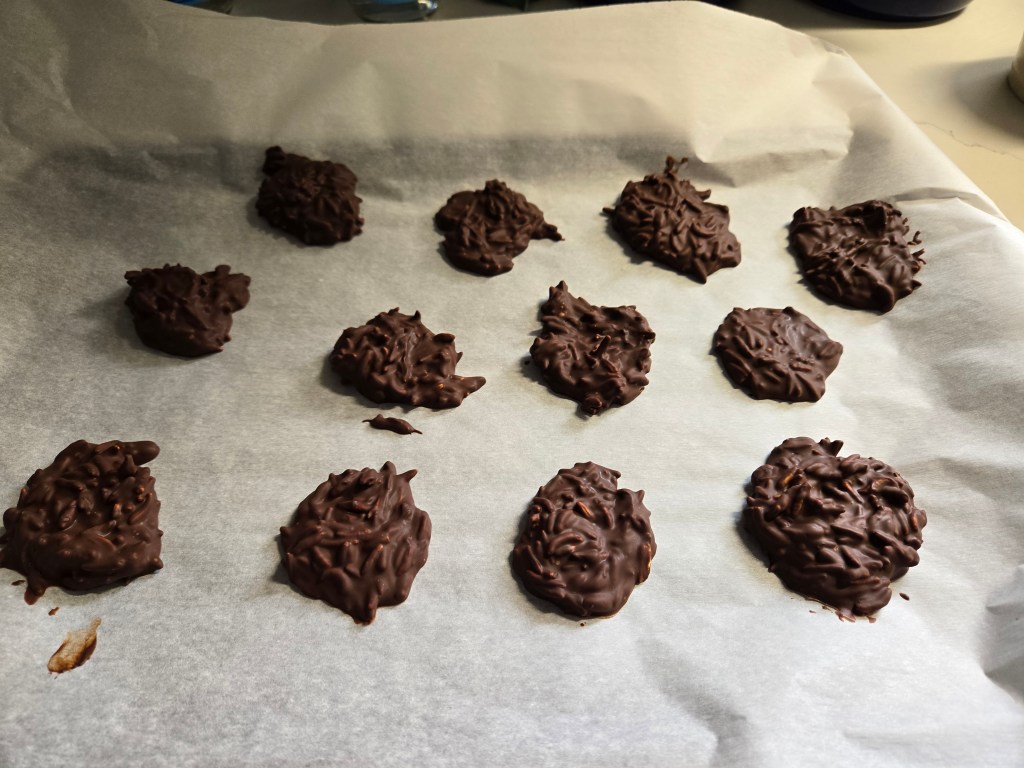
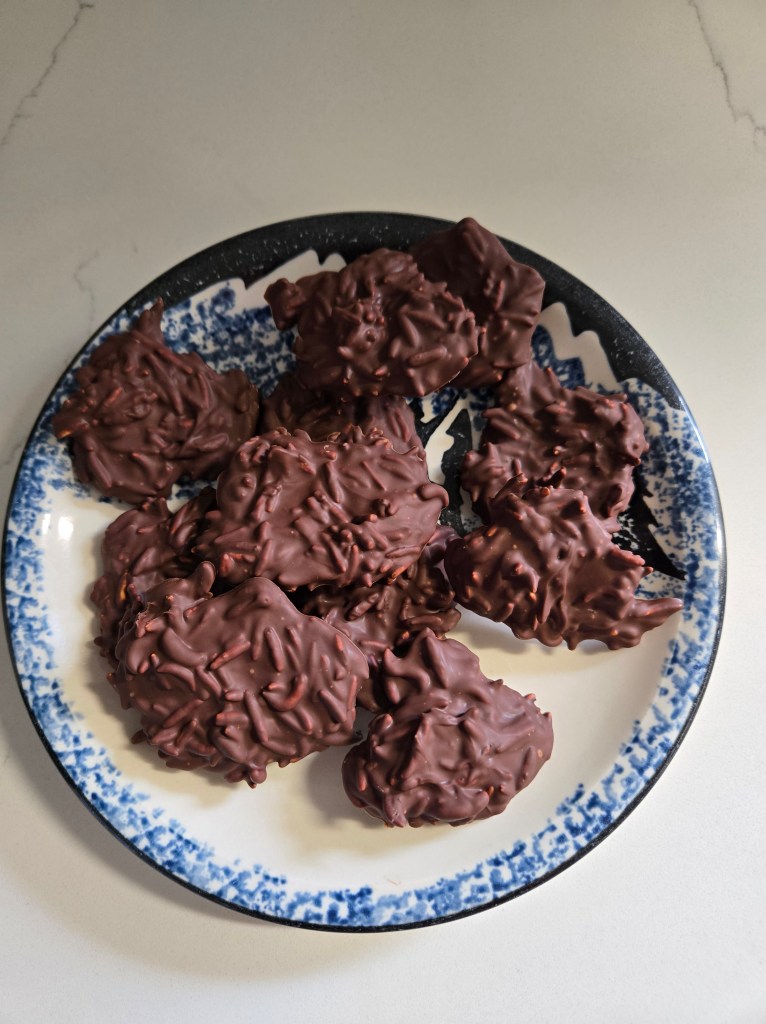
Tashia also offers a recipe for wild rice chocolates. Basically, you take the puffed wild rice and pour melted chocolate chips over them. I have some leftover puffed wild rice. That’s next on my list!
For a story about my “immersive” experience harvesting wild rice, visit this link.
Update: 9/10/25
I made the puffed wild rice chocolates. Very good! The recipe calls for making them in a flat sheet, but I chose to clump them instead. They taste rather like a Nestle crunch bar.

 Marie's Meanderings