Image from time.com.
One of my first jobs out of college was as secretary for a local factory that made bakery machinery. As part of my job, I was in charge of handling credit union transactions for the workers. (This was way before the days of online banking and at the dawn of the age of computers.)
One day, a worker was absent and he received a payment from the credit union. I believe he must have been on vacation. As plant secretary, I had access to index cards containing personal information for all the workers, including their home phone numbers.
I thought I would be super helpful and let the man — let’s call him Butch — know his payment was waiting. If he was home, maybe he’d want to pop over to the office and pick up the check. I phoned his home. Nobody answered, so I left a message.
A few days later, I got called into the plant manager’s office. He told me Butch was upset I had left the message about his credit union payment. You see, his wife didn’t know about this account and she heard the message. You can guess what happened at home!
Anyway, the plant manager chewed me out and told me not to call workers at home about their credit union payments. I was officially reprimanded.
As I was on a walk the other day, I remembered this event and started musing about the chutzpah, or perhaps it’s male privilege, that allowed the worker to complain to his boss that I had outed his secret bank account. And then for the manager to blame me for the problem.
It made me wonder whether it was common practice at this factory for workers to have secret bank accounts – to hold money back from their families. How would the families know? The deposits were automatically deducted from their paychecks. The transactions all occurred at work.
Instead of meekly agreeing to the reprimand, I wish I had laughed at the absurdity of the plant manager chewing me out for innocently not keeping a worker’s dirty little secret. But that probably would have gotten me fired on the spot.
I can’t recall if I was actively seeking employment elsewhere at the time, but I knew I wasn’t happy in that work environment and didn’t plan to stay long. I ended up working there for two years before resigning and finding a job better-suited to my career goals.
I am so glad I didn’t let the security of a paycheck keep me tied to a place and a job that didn’t suit me.




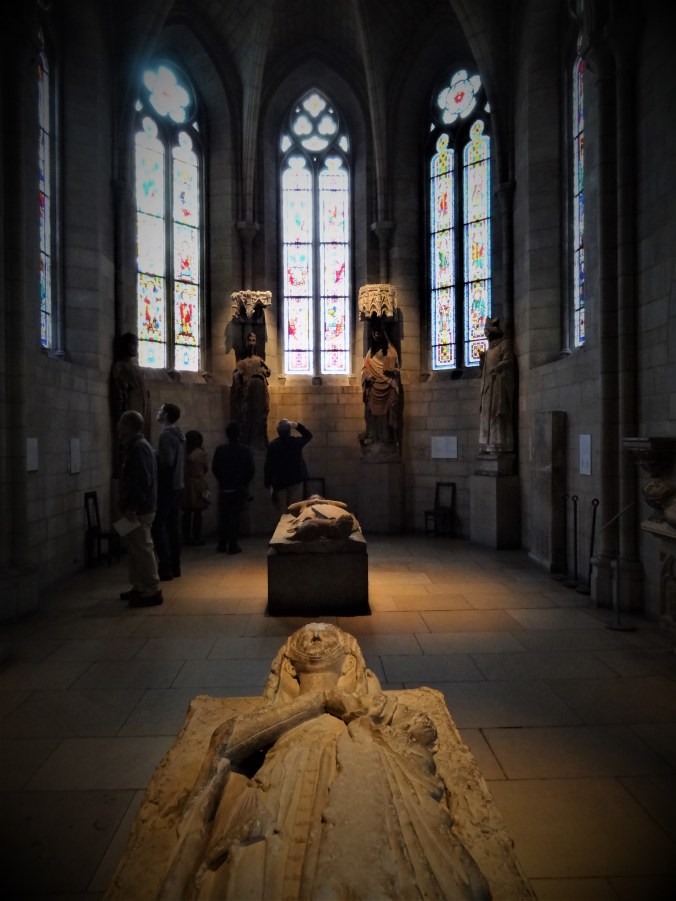


 The heavy ghost of all the rubble that had filled the space and piled above it was an emotional and physical weight. Our guide showed us the slurry wall that held back the river from flooding the space, the square-edged outlines of the waterfalls that flowed in the memorial outside, the wreckage of the fire trucks, and the last cement column that survived the building collapse, festooned with first-responder graffiti.

 The other 9-11-themed thing we did was attend the Broadway show, “Come From Away.” Although poignant at times, this experience was much more enjoyable than the museum. The musical tells the story of the townspeople of Gander, Newfoundland. This village of 10,000 people hosted 7,000 airplane travelers who got grounded on 9-11 for several days.
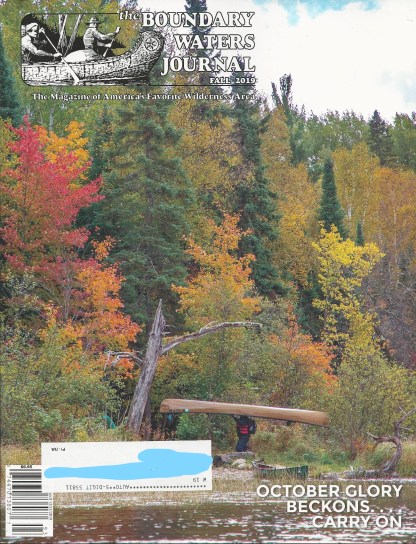 My story, “Tuscarora Enchantment,” is in the latest issue of the Boundary Waters Journal. It’s the first article I’ve written for them in many years, and it’s good to be back!

 I had the opportunity to see the locks on this trip from both the American and Canadian sides. The differences were startling. To approach the American locks by foot requires an inspection of one’s bags by Homeland Security. The locks are surrounded by impressive fencing and warning signs. I suppose this is the result of 9/11, and the security makes sense since I believe the American locks are larger and most of the valuable shipping traffic goes through them. The surrounding park is manicured and heavy industrial equipment lies at the ready atop the lock walls.


 I’m going to meander up the North Shore of Lake Superior to Grand Marias, Minnesota, this November. I’ve been asked to give a reading as part of a panel of local writers during a lunch session of the
 Russ bought a 13-foot Scamp trailer about a year ago and we hadn’t had time to use it until now. Scamps are cute little lightweight campers made in Minnesota. Ours has all the comforts of home in a compact space. The only things missing are a bathroom and an oven.