Revisiting 9/11

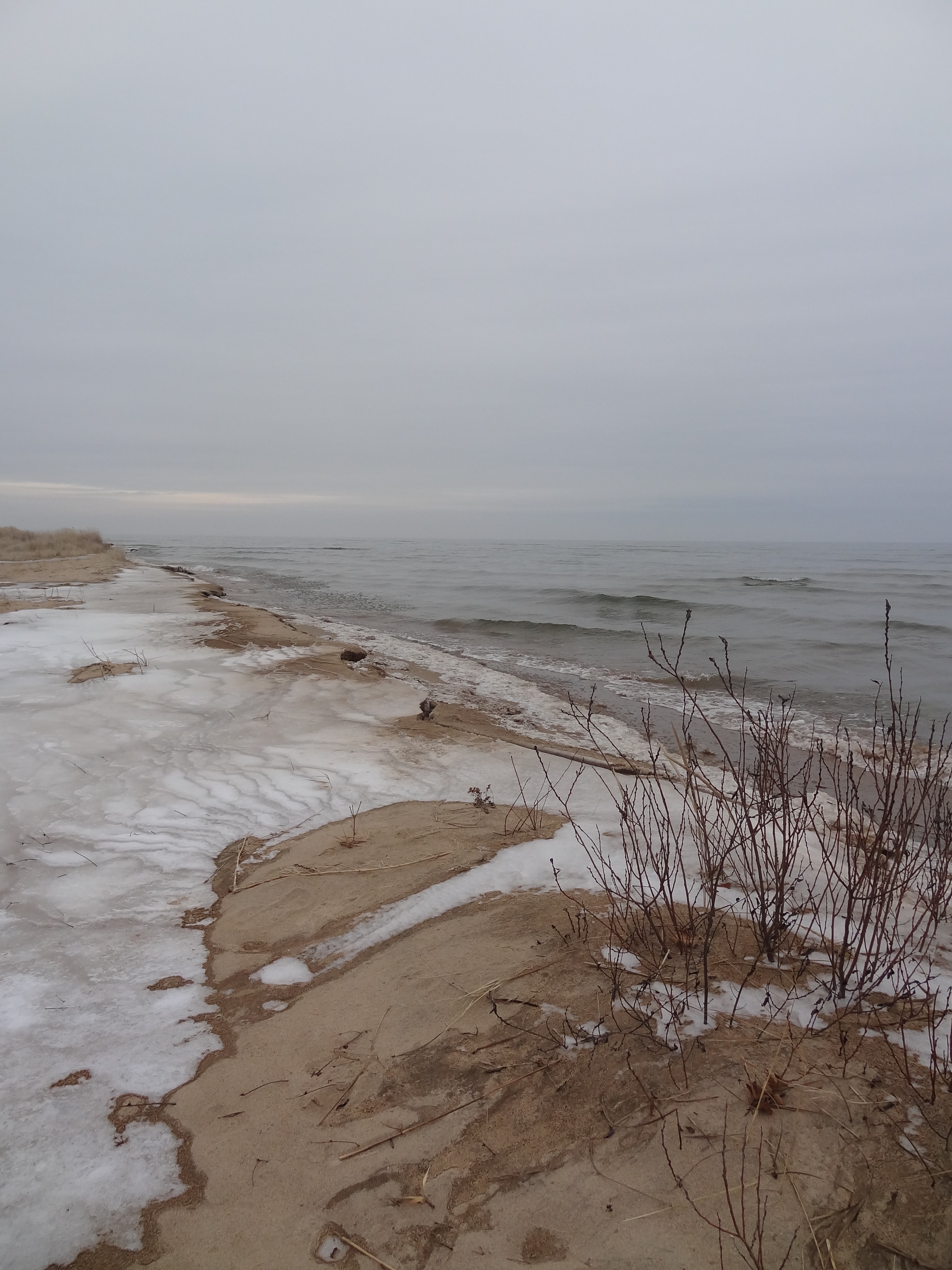
Presque Isle Beach in Erie, Penn.

Presque Isle Beach in Erie, Penn.

This week, I travelled back to the place I was thirteen years ago when 9/11 happened. I didn’t have much of a choice – the travel was for a work conference – the same event I was attending on Sept. 11, 2001. It was a regional conference held in Erie, Penn. At least we are at a different hotel this time. Even so, the idea of going back there made me irrationally worried that a similar disaster would happen.

Back on 9/11, we were in the middle of our three-day conference when the first plane crashed into the World Trade Center building. The organizers stopped the meeting. Some of us watched news reports in the hotel bar and lobby. Others went to their rooms. Several colleagues from New York made frantic calls to their loved ones back home.

I was in my room with my roommate watching TV when the second plane hit the second tower. After the horror subsided and our brains started functioning, we thought about the implications. Not having loved ones in New York, our worries revolved around “How are we going to fly home tomorrow?” Realizing that flying was going to be impossible, I got on the phone to see if we could rent a vehicle. They were already all reserved.

We had five people from Minnesota who needed to get home. I had young sons and a husband who needed me. Intermixed in the newscasts was the report of the Pentagon plane crash. Then came the news of the downed plane in Stonycreek Township, Penn., only 200 miles south of us. That made us much more nervous – the site was so near.

The moment I heard about the Pennsylvania plane crash, something clicked in my head, and I told my roommate that the passengers must have heard what had happened to the other planes. They weren’t going to let the hijackers crash their plane into some significant national site. Turns out, that’s indeed what happened.

Like everyone else, we ran through a lot of feelings in the next few days: incredible heaviness of heart, fear, and a sense of desperation mixed with the desire to help others and make it through. (I find myself shaking just writing this.)

We made it home the next day, with the help of some colleagues from Ohio who drove us to Cleveland, where a rental van was available. Then came the long haul home (15 hours? 17?)

During those first few days after 9/11, I felt like I was living in an apocalyptic Stephen King novel – no planes in the sky, gas at a premium, uncertainty running rampant among the populace. It’s not fun living in a Stephen King novel. Things eventually got back to “normal,” but of course, we and the rest of the country were changed. But here I was, thirteen years later, going back to Erie for a conference again.

It didn’t help that I watched the movie “Gravity,” the night before leaving for Erie this time. If I had known beforehand about the sense of desperation and peril that pervades that movie, I would not have watched it. A woman alone, trying to make it back “home,” hit too close to home. (Pun intended.)

Things went well at the conference, and I thought the new events were erasing the 9/11 strangeness until it came time to go back home. Like Sandra Bullock in “Gravity,” it took me several tries and different modes of transportation to compete the feat, which put me right back into those 9/11 feelings. However, unlike Bullock, at least I had a breathable atmosphere.

The weirdness started after the conference when a group of us decided to spend several free hours at a nearby beach on Presque Isle. A friend and I separated from the rest of the group to hike to a bird observation platform. The hike through the woods was hot and muddy. Once reaching the platform, we decided to return to the others by walking on the beach. We soon discovered that Lake Erie beaches are not like the beaches we are used to in Minnesota, where you can often walk unimpeded. This beach was eroded in many spots. Fallen trees and brush blocked our path, which necessitated inland bushwhacking forays — sometimes following deer trails, sometimes left to our own devices. The bushes had thorns, and our progress was slow.

We began to worry that we wouldn’t make it back to the others by the appointed time to leave. Having no map, we weren’t exactly sure how far we had to go or where we were in relationship to any civilized outposts. We started second-guessing our decisions, but that subsided once we saw familiar landmarks. Bramble-scratched, we made it back to the group in time to head for our respective planes.

The group dropped me off at the Erie Airport and went their merry way to Cleveland to catch their plane. As I stood in the ticketing line and looked at the flight departure schedule, I noticed the word “CANCELLED” next to my flight. Not good.

The ticketing agent explained the flight had been cancelled due to bad weather. They couldn’t get me out that day or the next from Erie, but if I could make it to Cleveland, I could take a flight tomorrow. I called my colleagues who turned around and rescued me from being stranded in Erie. With four of us smooshed in the back seat, we made the 100-mile journey to Cleveland.

Dropped off at the Cleveland Airport, my next goal was to find a place to stay the night. Because my flight was cancelled due to weather, the airlines said they were not required to pay for my extra night’s stay, so I was on my own. Like Sandra Bullock, trying to reach the Chinese space station on the radio, I desperately called different numbers, trying to find a hotel. No luck. The city was booked for the night (if one can believe the five places I reached).

By this time, it was 7:30 p.m. I was tired and hungry, having only an apple to eat since breakfast. Unable to reach my home office for help with a reservation due to tornados knocking out the phone system, and with my cell phone battery dying, I made a reservation with a place about 40 miles away in Cuyahoga Falls, Ohio.

After a $90 cab ride, I sank into a soft bed and ordered room service. I awoke at 4:15 a.m. to catch a cab back to Cleveland. My flight left with no problems, until we got to Minneapolis. Lightning strikes kept us from taxiing to the gateway for about 20 minutes – the very time my connecting flight home was supposed to leave. After sprint through the airport (okay, more like a computer-and-book-laden trot), I discovered my home flight was still at the gate, also delayed by the storm.

I made it home, and better yet, so did my baggage. Will I ever return to Erie again? Did Sandra Bullock’s character ever go into space again? I don’t think so.

Making Piping Plovers Sexy

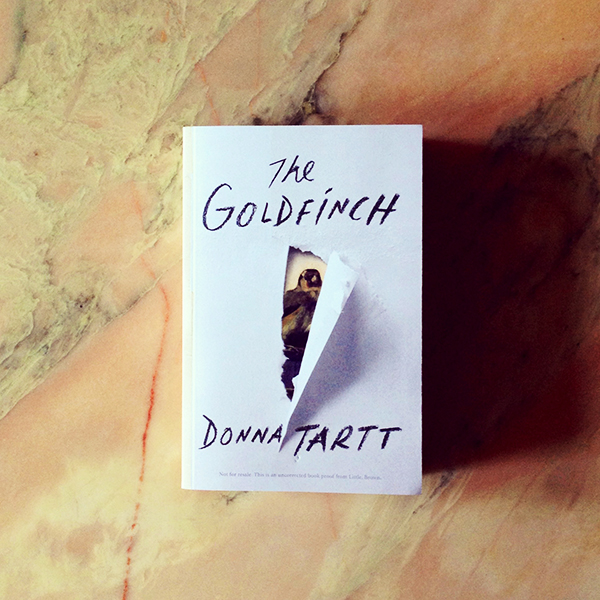
My second novel is coming out later this month. I’m happy to unveil the cover for you:

Layout 1

Plover Landing is an ecological-mystical-romance that I wrote for college-age readers and older. What’s an ecological-mystical-romance, you ask? It’s a genre I’d like to think that I created, which deals with endangered species, Native American mythology, and human-human, human-animal romance and connections.

Plover Landing is set in my hometown of Duluth, Minn., in 1995, and it’s a sequel to Eye of the Wolf. Novelists who haven’t been published yet might hate me for what I’m about to admit, but when my publisher suggested a sequel, I wasn’t that enthused. That’s because, between life’s distractions, the first novel took me seventeen years to write, then another couple years to publish.

The thought of doing that all over again was exhausting, although at least I wouldn’t have to spend time looking for a publisher. I was also exhausted from seventeen years of thinking about wolves, which are the animals I focus on in Eye of the Wolf. If I was going to survive a sequel, I needed to focus on a different endangered animal and environmental topic.

It just so happens I was working on a project to restore habitat along the shores of Lake Superior in hopes of encouraging an endangered shorebird to nest. Through that process, I had already learned a lot about piping plovers, so that became the focus of my sequel. Granted, plovers are not as sexy as wolves and they don’t have a handy supernatural being associated with them (like the wolves have werewolves), so I had to ponder how to work the mysticism into it. (But never fear, wolf aficionados, the wolves come into the story at the end.)

My writer’s group joked that I should write about plover zombies, but I did not take them up on that idea. (Smirk) Instead, I researched myths about plovers. While I couldn’t find any local myths, I did find an interesting and sexy Hawaiian myth about plovers, and I discovered a way to use it as the foundation of the story.

Even so, that wasn’t quite supernatural enough, so in addition to the heroine and hero from Eye of the Wolf (Melora St. James and Drew Tamsen), I introduced a new character, a boy named Demetri, who both helps the plovers and focuses readers’ attention on the issue of climate change. I feel strongly that the more integrated that issue is into mainstream media, especially through the use of storytelling, the more people will come to accept it as real.

Because I’d learned ways to encourage myself to write with my first novel, even though I had just as many distractions, Plover Landing only took two-and-a-half years to write. My publisher thinks it’s an even better story than the first and has hinted about the desire for another in the series. I created the ending of Plover Landing with openings for another story or so that it works as a finale. I don’t know. I’ll have to think about that one.

In any case, let the marketing begin! Speaking of which, if any of you are active on Goodreads, I have a giveaway for Plover Landing that’s active until July 15.

Night Bird

Graduation
As I watched my oldest son walk across the stage and pick up his college diploma last weekend, an image from memory flashed through my mind. It was a tiny sparrow, fluttering outside a window in the middle of the night at the attic apartment where we lived when my son was born.

If you’re squeamish, you might not want to read this next part because it deals with things that new mothers do. One last chance not to read. Okay: I had arisen to pump milk for my son, who, after a difficult birth, lay in an incubator in the intensive care unit. He had experienced some “dusky” episodes, where he turned bluish due to lack of oxygen. After a long (and screaming) labor, he had been born about ten days before his due date – just early enough that his systems needed extra time to kick in. I had recovered enough to be sent home, but had to leave the hospital without him.

The night of the sparrow was my first one home — my first away from my new son. As I pumped, the bird hovered outside in the dark, pecking at the window as if trying to come in. In my post-partum midnight haze, I felt like the bird was the spirit of my son, trying to come home. I can’t explain how that made me feel except to say it was a strange mixture of desolation and joy.

I was an emotional wreck for the next few days. Eventually, our son came home, but not before we learned infant CPR and how to attach the tentacled wires of a heart monitor to him, which he would wear for several months. Even though I was awake with him many other times in the night, I never saw another bird behave like the one that first night home.

Twenty-one years later, as I watched my son walk across that stage, I thought about all we’ve been through. He’s come so far from being a helpless infant in an incubator. He’s grown so tall and strong, smart and stubborn, determined and thoughtful.

I couldn’t be prouder of him, my little night bird.

Happy International Migratory Bird Day from a Recovering Birder

Birders on the shore of Lake Superior, Wisconsin Point.

Birders on the shore of Lake Superior, Wisconsin Point.

No, I’m not writing about Mother’s Day, but about a lesser known and newer commemorative event that celebrates birds. Yesterday, I participated in the second annual International Migratory Bird Day, held in Superior, Wis.

White pines on Wisconsin Point.

White pines on Wisconsin Point.

I haven’t been to a birding event in years, partly on purpose and partly due to other demands in my life. I like to think of myself as a recovering birder. I took up bird watching in seventh grade and was active in the birding community through my twenties – even participating for a year on the Audubon Expedition Institute, where I travelled across the country in a yellow school bus for a year with 24 other people interested in birding and the environment for master’s degree studies.

It was during that experience that I overdosed on birding. I came to realize that people stopped looking at birds once they had identified them. I rebelled against the obsession to name everything with feathers that I saw or heard. I rebelled against using eyesight aids like spotting scopes and binoculars – wanting to view the birds instead as part of their surroundings.

But I still feel an affinity with birds. My upcoming novel is about them, after all, and this event seemed a good excuse to get outside on a rare warm spring day. We met at Wisconsin Point, a long sandbar just outside the city. A small group of us spent three hours birding. We didn’t see very many birds but there were bald eagles, chickadees, scaups, red headed ducks, lots of blue jays passing through, and the requisite ring-billed gulls. I do admit to looking through a spotting scope (and the world did not end!), but I tried to keep it to a minimum to allow others the opportunity. After birding, we went to a local inn to listen to some presentations about migration.

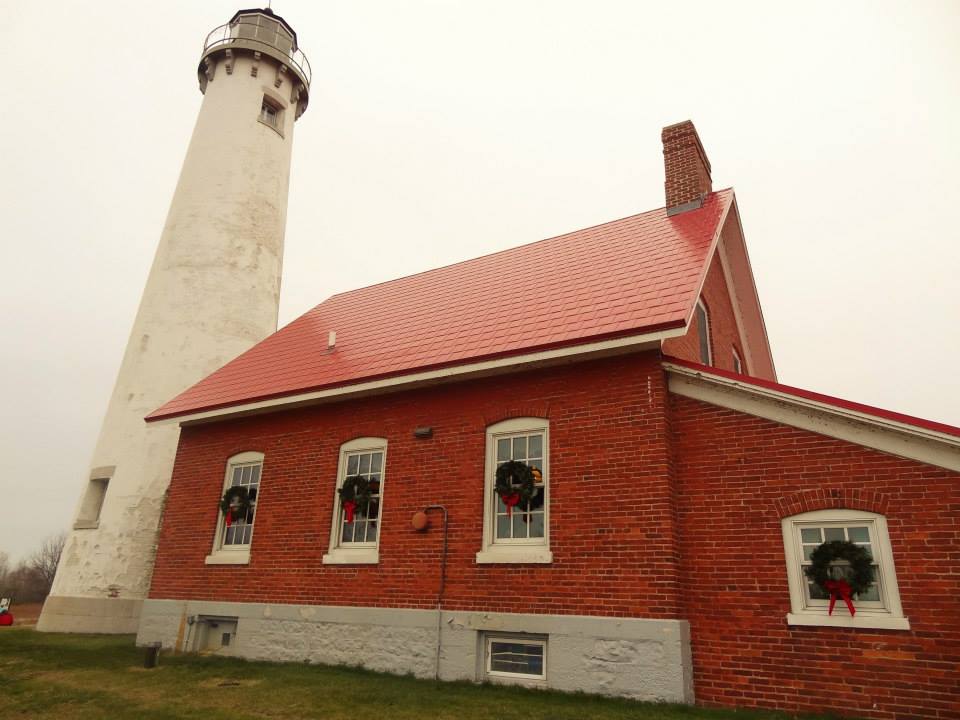
My camera isn’t built for bird pictures, but I do love the lighthouse and the white pines on the point, so I thought I’d share photos of them with you.

Wisconsin Point Lighthouse

The Wisconsin Point Lighthouse.

Wisconsin Point Lighthouse and log

Connecting (or not) with Pets

RIP Sparky, 2007-2014.

RIP Sparky, 2007-2014.

Sparky the Guinea Pig died a few days ago. Actually, I had her euthanized. Her back legs stopped working. She didn’t seem in pain or anything – was still eating and drinking as usual. She just couldn’t move very well.

Sparky is a girl piggy that we bought almost seven years ago at the insistence of my youngest son, who wanted another pet. She’s been healthy and sweet for all that time, except for her recent development. Since Sparky was ancient for a guinea pig, and because I am the one who has been caring for her all that time, I wasn’t keen on going to heroic measures to save her. I did spend time doing Internet research on her condition and discovered it could be caused by many factors but a calcium deficiency was the most likely in our case. By the time I discovered that, she had been ill for about four days — it took a while to figure out what was going on because she didn’t move around much to begin with.

The instructions described use of a liquid form of calcium designed for human consumption. I called around all the local pharmacies, but couldn’t find any available. I found some through mail order, but that would have taken several days to arrive, and I wanted something soon. I described Sparky’s plight to a friend and she found that Pet Co had liquid calcium, so I went there the same day. But when I got to the store, the supplements they had for guinea pigs didn’t have any calcium in them, so I ended up buying one designed for lizards. I mean, calcium is calcium, right?

We did the three-day course of treatment, but it didn’t seem to make a difference. And now, Sparky was moving around even less, so that she wasn’t getting enough water to drink unless I moved her over to her bottle. That’s no way for her to live, so, call me heartless, I made the appointment to have her euthanized.

When the time came, I packed her in a box filled with a deep comfy layer of bedding and went to the vet. I filled out the paperwork and handed her over without a fuss or any desire to see her through the procedure. The experience was markedly different from when I had to have my cat of 14 years euthanized. For that, I was a blubbering pile of Marie goo. It got me thinking about what made the difference.

I suspect one reason is that I never really connected with Sparky. I’ll be the first to admit, I don’t “get” guinea pigs. I had never had one before, and although we read books about them, the emotional connection wasn’t there. The cute “popcorn” jumps they do just seemed spastic. In the beginning, we took Sparky out to cuddle and let her roam around, but she had a habit of peeing in one’s lap and she nipped hard with her beaver-like teeth. So that didn’t help. About a year after we got Sparky, we got our dog, Buddy. We were worried about his reaction to her, so we took Sparky out less often after that.

Another reason is that she was my son’s pet, so I felt like it was his responsibility to connect with her more than mine. And he did try, but as he got older and busier, that fell by the wayside and Sparky’s care fell to me. She became an obligation, not a joy.

I feel bad that I never connected with Sparky. I can connect to dogs, cats, birds, and even fish. (I taught my catfish to wink at me.) We had a hamster once, and I never connected with him, either. Maybe I’m just not a rodent person. Have you ever had a pet you didn’t connect with? Do you think there are just some types of pets you aren’t designed for? I’d be interested to hear.

The Smelt Parade That Wasn’t

Duluth Smelt Parade

A party of one: the 2014 Duluth Smelt Parade.

An annual Smelt Parade is held in Duluth to welcome the spring run of this tasty silvery little fish. Although the runs are much smaller than they used to be (which is a good thing because smelt are non-native) the fish still serves as a unique celebration of abundance and a cultural reminder that spring is on its way. For the past two years, the parade has been spearheaded by a local puppet troupe. Citizens make costumes and participate in the procession along the shores of Lake Superior, complete with a brass band.

I’ve never attended the parade, so today I committed to going. Wouldn’t you know it, this year the wind, rain and 35-degree-temperatures made it “the parade that wasn’t.” I was hoping to get a lot of fun images to share, but all I got was this single photo of a “parade of one” that happened outside a local arts café where the rag-tag group of parade-goers gathered indoors instead of walking along the shores of Lake Superior.

Oh well. Better luck next year. If you’d like to learn more about smelt, Minnesota Sea Grant offers a great fact sheet.

Updated Look

Yes, you are still in the right place. I decided to update the look of my blog. Hope you like it! The name of this theme is “Hemmingway Rewritten.” It seemed appropriate for a writerly type like me. I can change the header image, so don’t be shocked if you come back sometime and it looks different. The current image is one I took in Sheboygan, Mich., at sunrise.

The view out my window right now, though, is one of snow falling on gray water. People are shaking their heads at this winter that won’t quit. I hope things are warm and sunny wherever you are. Thanks for visiting.

This Blog: A Retrospective

Image

I’ve been writing this blog for well over a year now, and it feels time for a retrospective. I didn’t want to do it in January because every other blogger was doing that, and I’ve never been one to follow the crowd. Besides, with the spring thaw, it finally feels like a new season and a safe time to look back.

I started this blog in late January 2013 to keep my creativity alive through a record-cold winter and as a way to escape the mental and physical cage such cold presents. But I also began it because I wanted a more personal outlet for my writing – one where I was freer to express myself and describe some of the weird things that happen. My day job (of science writing) and my night job (of novel writing) don’t always allow for that.

I did not start this blog to make friends (although that is a nice side-effect) or to inspire legions. If that were the case, I’d have more than 76 followers and 3,000 views. Actually, I do have a rather devoted following among my Facebook friends, which is where I get most of my feedback and conversations about the stories. For that I am grateful and appreciative. It’s always nice to know someone is paying attention! Between Facebook and my blog followers, each story has the potential to reach 240 people.

Although most of my readers are from the U.S., I’m amazed by the foreigners who find this blog. Word Press (my blog hosting platform) offers a statistics page where bloggers can see the countries of origin that have visited their site and which stories are popular. Every few weeks my son puts up with reports like, “Someone from Serbia visited my blog today.” He just rolls his eyes. But the tally is impressive: Portugal, United Arab Emirates, Brazil, New Zealand, Sweden, Germany, Australia, the Philippines, India, Lithuania, Ireland, etc.

The most popular posts have been:

Living for the Dead, where I wrote about former friend Matt Link after going to a presentation about him. I think its popularity is because his father and stepmother shared the story on Facebook, and they have a large following.

Cold as a Cage, was my first entry, which I shared widely by email and Facebook to publicize the start of my blog.

Minnesota Nice Meets Hollywood, which was based on a church sermon that I shared with my fellow-church-goers through Facebook.

Why I’m Giving up Bottled Water, is popular perhaps because many others are considering doing the same thing, and they found my story through web searches.

and

Old Wood: A Love Story, Part 1 and Part 2, which told the story of some local folks who were on the television series Ax Men last year. Every time the show aired, people did a slew of web searches for their names, and my blog popped up.

I intend to continue Marie’s Meanderings for the time being. It’s fun and it doesn’t take much time. I hope you are enjoying it, too. Please feel free to comment. Since I am so famous and important now (smirk), it might take me a day or two to reply, but I am paying attention.

Thank you.

Marie

Adventures in Diner Decor

OldManPrayingI embarked on a lunchtime adventure today at work. I forgot to bring food from home, so I decided to visit a nearby bar in Superior, Wis., owned by a friend of a friend. I discovered the bar didn’t serve food. Since I wanted to be able to think and continue working during the afternoon, I opted against a liquid alcohol lunch. I visited a diner a few doors down.

I love diners. They each have distinctive personalities and they’re always very “human”—reflecting the local culture. This one was no different. Mickey Mouse memorabilia provided the main décor theme, with a few other classics thrown in, including the “old man praying with bible and bread” picture (I think it’s called “Grace” or “Daily Bread,” or something like that). An interesting combination, I must say. I remember the old man artwork from my youth. I suspect one set of my grandparents displayed it in their home. I would never have thought to hang him next to Mickey Mouse.

MMouse

A respectable number of people filled the booths. They were older and had the look of locals – casual dress, boots, and warm winter jackets. They looked like people who had been coming to this diner for a long time; people who could go elsewhere – to a franchise eatery or a fast-food restaurant, but they chose this place because it’s familiar and it’s in their neighborhood. They rested in their seats like birds home from a long migration.

The waitress looked like she’d seen better days. She was skinny with graying hair, a hangdog look, and walked with her hands stuck stiffly into her fleece jacket pockets, elbows locked. The food was good, though, as it usually is in such establishments. This diner served breakfast all day, so I got my favorite two eggs over-easy with sausages and hash browns. Hold the toast. What I liked most is that the hash browns were fluffy – not bogged down with grease. It proved to me once and for all that local diners do not survive on their décor alone.


Why I am a Zumba Failure

Zumba

For my birthday last week, I went to a free Zumba class and dinner with some girlfriends. A new Zumba studio had opened downtown and they wanted to check it out. I had taken a six-week beginners’ class a few years ago through a community education program, so I was game, even though I had some misgivings.

The instructor of the community education class was a belly dancer, and all her Zumba instruction seemed to devolve into belly dancing, with the requisite swaying of hips and jiggling of key feminine body parts.

Introverted me doesn’t feel all that comfortable swaying anything in front of anyone. I figured that was just the way she taught Zumba because of her background. I hoped this new class would be different.

We entered the studio, which was filled with women, blinking lights, and pounding music. It didn’t take long for me to discover that the community education class music and movements had been slow-motion compared to a regular Zumba class. There was also the requisite jiggling of the “girls” and gyrating of the hips.

Now, I have no problem gyrating my hips when required during certain intimate acts performed between two consenting adults, but that’s different than doing it in a room full of people. And it also goes against my genetic make-up. My hips are German, English, Irish, Scottish and some rumored Native American. When is the last time you saw an ethnic Irish dancer gyrate their hips? Try never. How about a German folk dancer? I daresay NO. Those hips remain straight and true with nary a come-hither twitch.

It might be different if I had some Latin, Italian, Spanish or other hot-blooded ethnicity inside me. But I don’t. And it shows. Even from the back row of the Zumba studio.

I also realized I’m too used to endurance sports where the goal is to move as gracefully and efficiently as possible — sports like swimming, x-c skiing, bicycling, and yoga. With Zumba, it seems the whole point is to be as inefficient as possible. There’s lots of jumping and prancing and pointless arm waving.

I’m sorry, Zumba. I suppose with enough time and motivation, I could adapt to you. The music is fun, after all. But I don’t want to. There are too many other forms of fitness better suited to my inhibited hips.