Laskainen – An Enduring Finnish Phenomenon

Laskiainen Festival wear, in both camo and fluorescent orange. Perfect for deer hunting.

Laskiainen Festival wear, in both camo and fluorescent orange. Perfect for deer hunting.

Last weekend I meandered a desolate, snow-blown road about an hour north to attend the cultural phenomenon known as the Laskiainen Sliding Festival in Palo, Minn. It’s the 78th year for this event, which celebrates all things Finnish. I sold my novels at a table. I had such a good time when I was invited to sell books there a few years ago that I went back.

Laskiainen is a bring-your-own-sled experience that is held at a community center on the shores of a lake. It provides the perfect place for thousands of Fins from far and wide to slide down the hill in the back of the center onto the lake ice. The farther one slides, the taller one’s flax will grow next summer, or so the story goes.

No Finnish festival is complete without Art, the accordion guy.

No Finnish festival is complete without Art, the accordion guy.

Inside the center are rooms filled with vendors, food providers, and a Finnish museum. I got into the event late, so my table was out in a hallway, but it was great for people watching. Rosy-cheeked cherubic children in snowmobile suits passed by along with a plethora of adults, dressed mainly in camouflage (pink camo for the ladies), plaid, fur hats, fur trooper hats, plaid trooper hats, and Carhartt gear (a brand of heavy cotton work clothes). There were even several plaid snowmobile suits. A few people passed my table wearing North Face jackets, but you just know they were visiting relatives.

My table was next to some folks who sold furniture (rustic benches and tables) made of cedar, ash, and other heavenly smelling wood. I sold a few books and had lots of conversations with people who live in the forest and hadn’t talked to anyone in a week, maybe two. An elderly yet sprightly lady from a Finnish newspaper booth a few tables down spoke Finnish-English to me for about half an hour, and we did our best to communicate — about what, I’m still not entirely sure, but she did seem to like the cover of my “Eye of the Wolf” novel, which sports – you guessed it – an eye of a wolf.
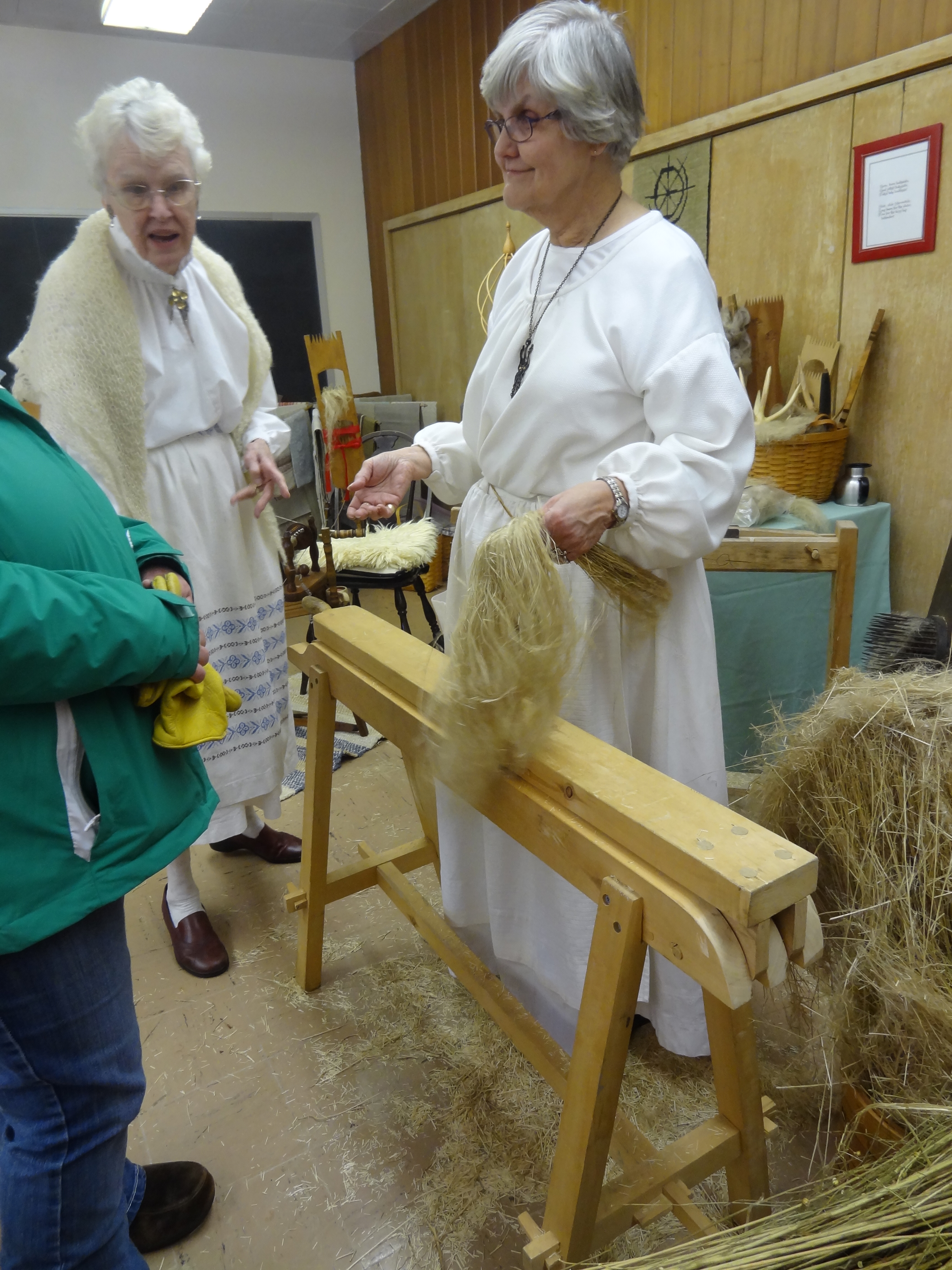
The weavers of the flax.

The weavers of the flax.

Talk about Minnesota Nice – it was the type of event where a vendor can leave their table for a potty break and not worry about anyone stealing their wares; an event where the organizers write vendors thank you notes for attending and don’t ask for any payment; where old friends meet and high school classmates reconnect.

The event organizers assure me it is the longest-running Finnish festival in America. May it run (or in this case, slide) for many more. And may their flax grow tall.

The princess of sliding (one of several).

The princess of sliding (one of several).
Close Call in a Tunnel – Guest Post

My dad

My dad

My arms and hands are so tired from shoveling and snowblowing during our recent three-day snowstorm (love my new snowblower, though!), that I thought I’d take it easy and post a story I typed up for my dad earlier this year. My dad, 95, is a retired electrical engineer (you can tell that from his writing). If he had succumbed to the incident he describes below, myself and about seven other relatives would not have been born.

This is an experience I had in about 1945 when I worked on the Great Northern Pacific Railway. My paycheck came from Great Northern but I also was assigned to work on the SPIS Railway, the Burlington Railroad and Northern Pacific.

For Great Northern, we tested rails from St. Paul to Seattle. My experience occurred while testing rails in the Cascade Tunnel in Washington. The tunnel is about eight miles long. On a clear day, a person can see the length of the tunnel, it is so straight. Our work train consisted of a gas-electric locomotive and a testing car.

Our train had three gasoline engines in service: one for the locomotive, one for the air brakes, and one for turning the 3-volt electric DC generator that was used to magnetize the track. We tested for fissures using a multi-volt meter and measuring the voltage drop along the 39 feet of rail while running 3,000 amperes through each rail.

The tunnel slanted a few degrees up to the west. The day of our test, the wind was blowing from the west, preventing natural ventilation. We were over half-way through it when the engineer let us know he needed help because of carbon monoxide gas poisoning. We had some beds in the car and he lay down in the bed. The other three other operators started passing out, too.

We decided the only choice was to keep going and run out of the tunnel. Only the conductor and I were still on our feet. The conductor didn’t know how to drive the train, so I had the job of running the locomotive to the west end of the tunnel. We made it all right and then continued onto the next town, where we got medical attention.

The doctor gave me some pills for carbon monoxide poisoning. Afterwards, I had the all-time worst headache, but recovered okay. The whole situation would have been serious if I had passed out. The conductor wouldn’t have known how to operate the locomotive, and we could have been stuck in that tunnel and died.

Touring the Tall Ships on a “Short” Ship

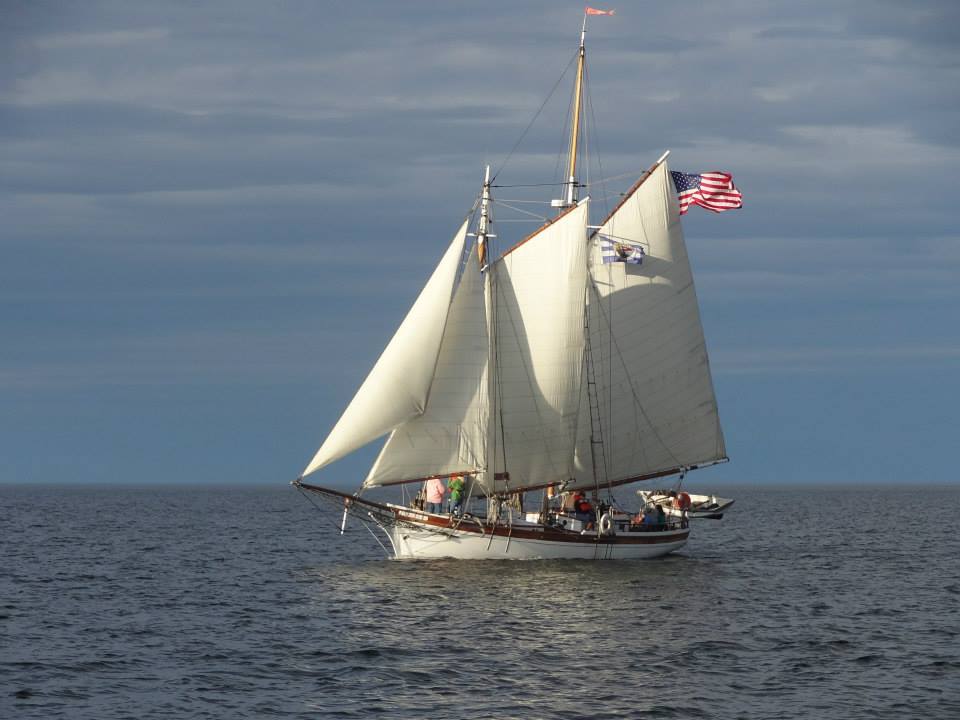
The Schooner Coaster JJ

The Schooner Coaster JJ

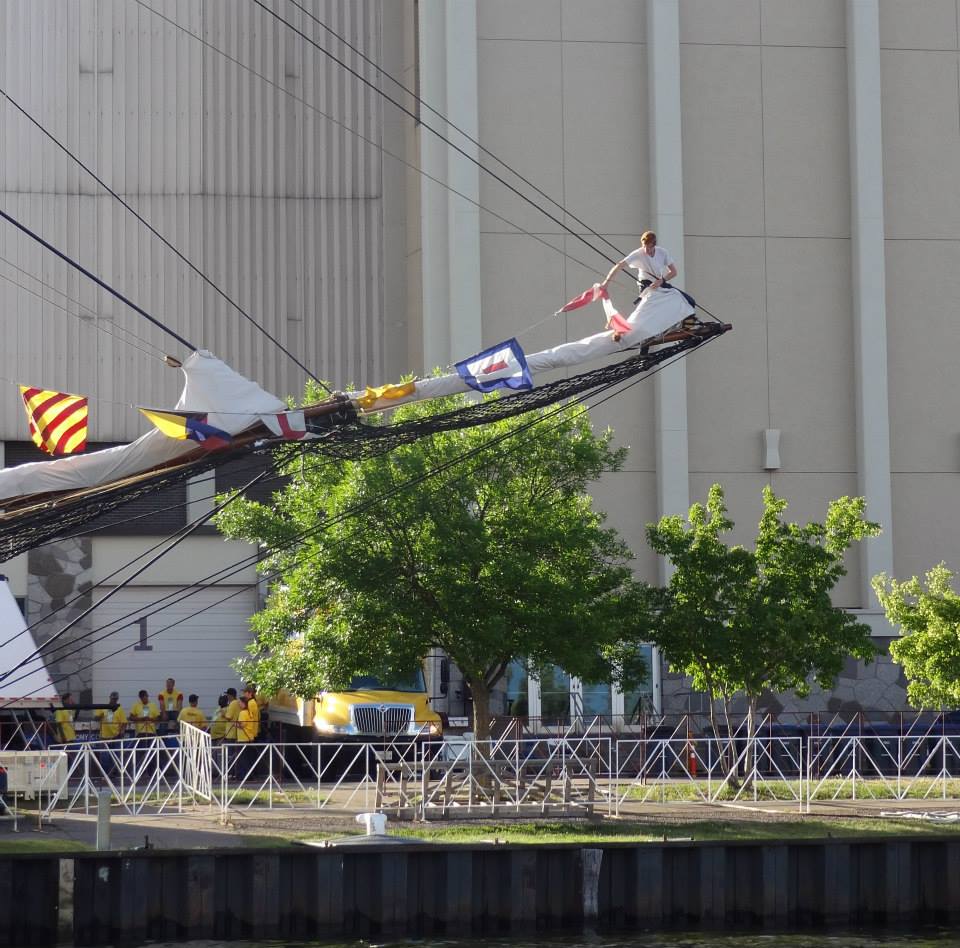
I arrived at the Duluth Tall Ships Festival just when it was closing. Workers were pounding and pulling stakes out of parking lot asphalt once covered by tents, and festival T-shirts were being offered for half-off by a desperately vocal vendor.

But the nine tall ships were still in port and that’s what I was after. I was looking forward to a close-up view of the tall ships via a short, regular sailboat berthed in the ship canal in downtown Duluth. However, the craft was neither short nor regular but a gorgeous 42-foot Beneteau with cabin floors varnished so thickly it was like walking on water, and a nimbleness of handling that belied its more than adequate size. Named the Makena, the craft was one of two in the Moon Shadow Sailing fleet, which offers tours of Lake Superior and the harbor.

Joining me were a couple from Rochester, Minn., and a couple from Duluth who were friends of the captain. The sun finally smiled upon the festival, a light breeze blew; it was a perfect night for sailing. With a warning ring, the Canal Park pedestrian bridge raised and we were off.

Pictures will probably do more justice to the experience than words. Let me just say that the company was outstanding and it was an experience I won’t soon forget. Happy Sailing!

A sailor out on a (sailing) limb.

A sailor out on a (sailing) limb.

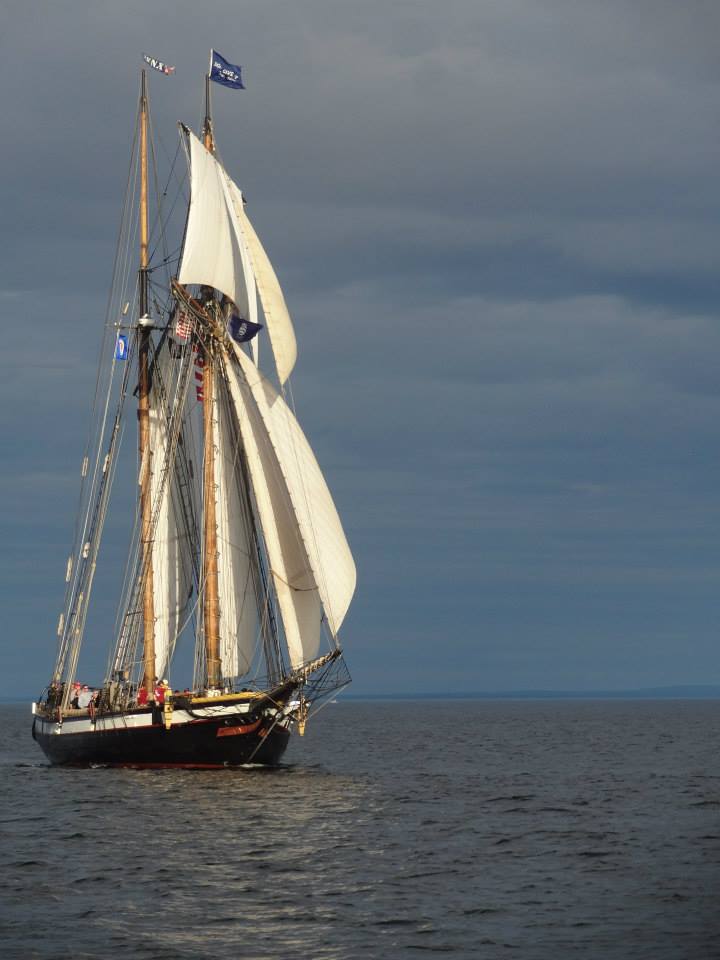
The Privateer Lynx


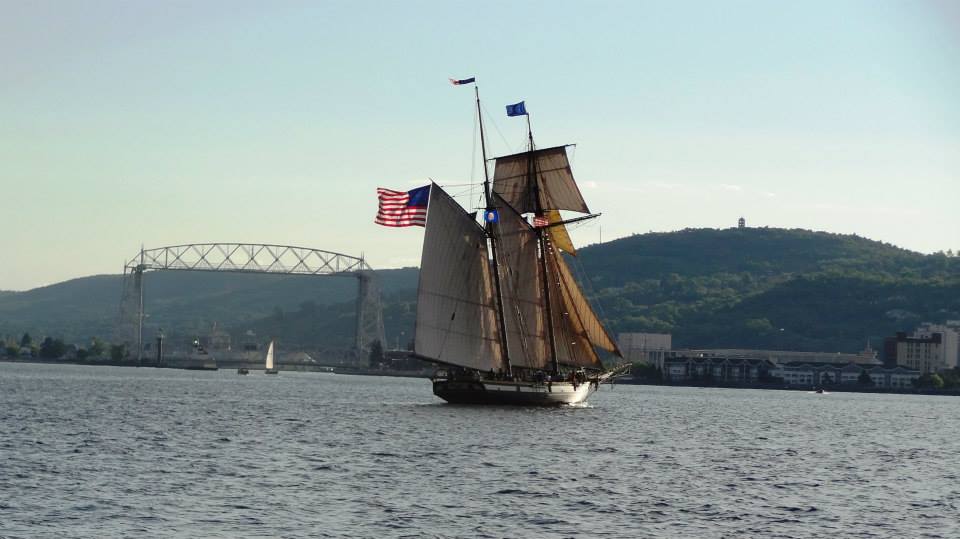
The Privateer Lynx and the Aerial Lift Bridge

The Privateer Lynx and the Aerial Lift Bridge

Captain Marie (and friend)

Captain Marie (and friend)

The Aerial Lift Bridge welcomes us back.

The Aerial Lift Bridge welcomes us back.

The Lark Descended

This is a quick update to my previous post about the Lark, a replica of a 1913 sea plane that was built in Duluth and celebrated recently with a weekend festival. I am sad to say that the Lark crash-landed in the Duluth-Superior Harbor yesterday as its builders were testing its flight capabilities. News reports say the craft was “totaled,” but that no one was hurt in the crash.

I do believe yesterday was one of the first times the Lark was airborne. So the good news is that the builders know it can fly now. The bad news is that the landing needs some work! A small group of dedicated aviation enthusiasts labored over 5 years to build the replica, which attracted attention nationwide. I sincerely hope the crew takes time to mourn the damage but then gets back to work to rebuild it again. I’m sure the community will gather behind the effort and will want to help in some way.

The Lark Ascending

The Lark of Duluth
The Lark, a “flying boat” that first took off in Duluth, MN.

I wanted to share some photos I took this weekend at the “Lark O’ the Lake” Festival, which was held in Duluth. The Lark is a replica of a seaplane that was first flown in Duluth 100 years ago. It was called a flying boat back then. During the winter the original Lark was transported to Florida where it served as the world’s first airliner – transporting passengers between St. Petersburg and Tampa.

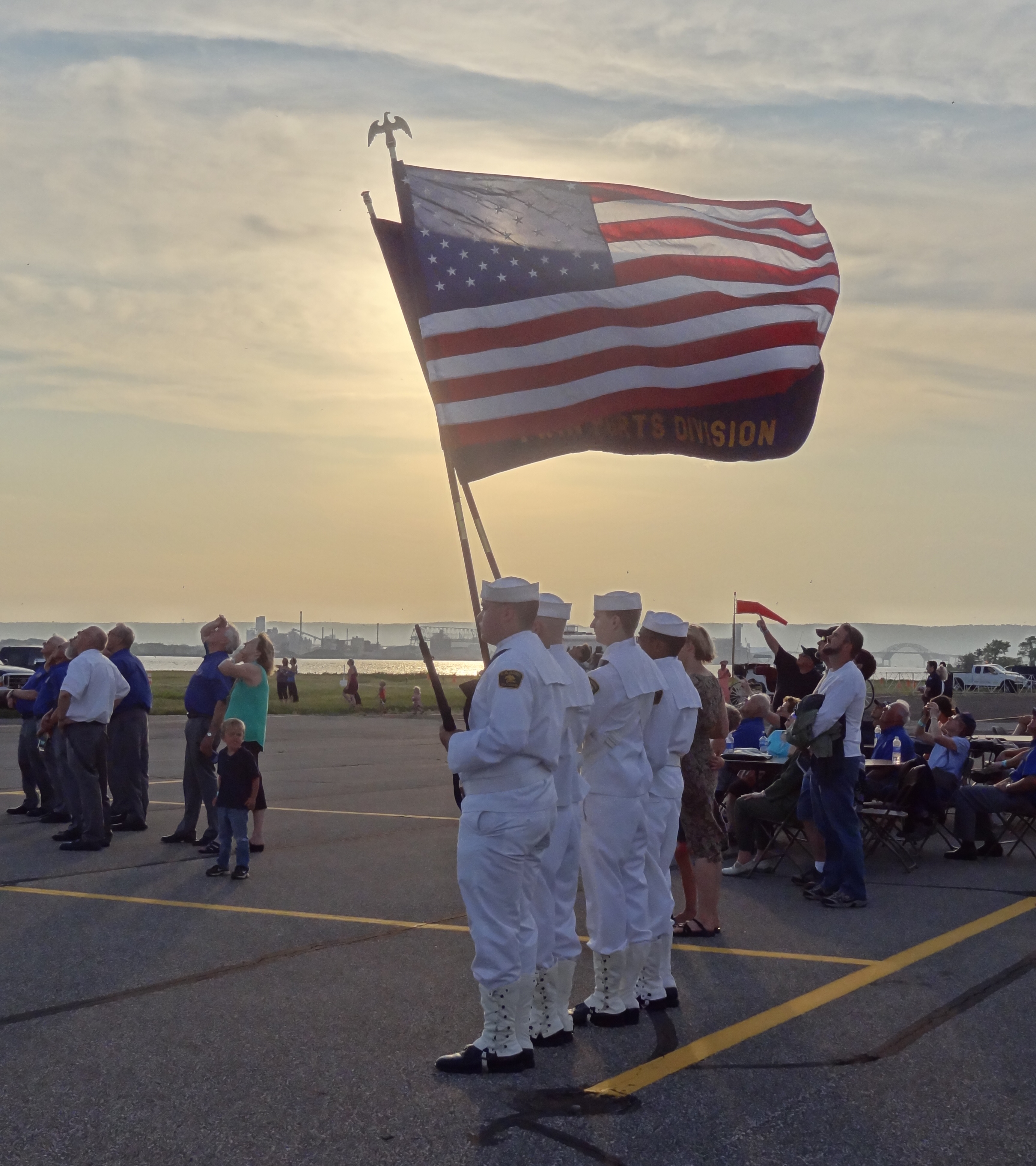
The Color Guard at sunset, Sky Harbor Airport, Duluth, MN

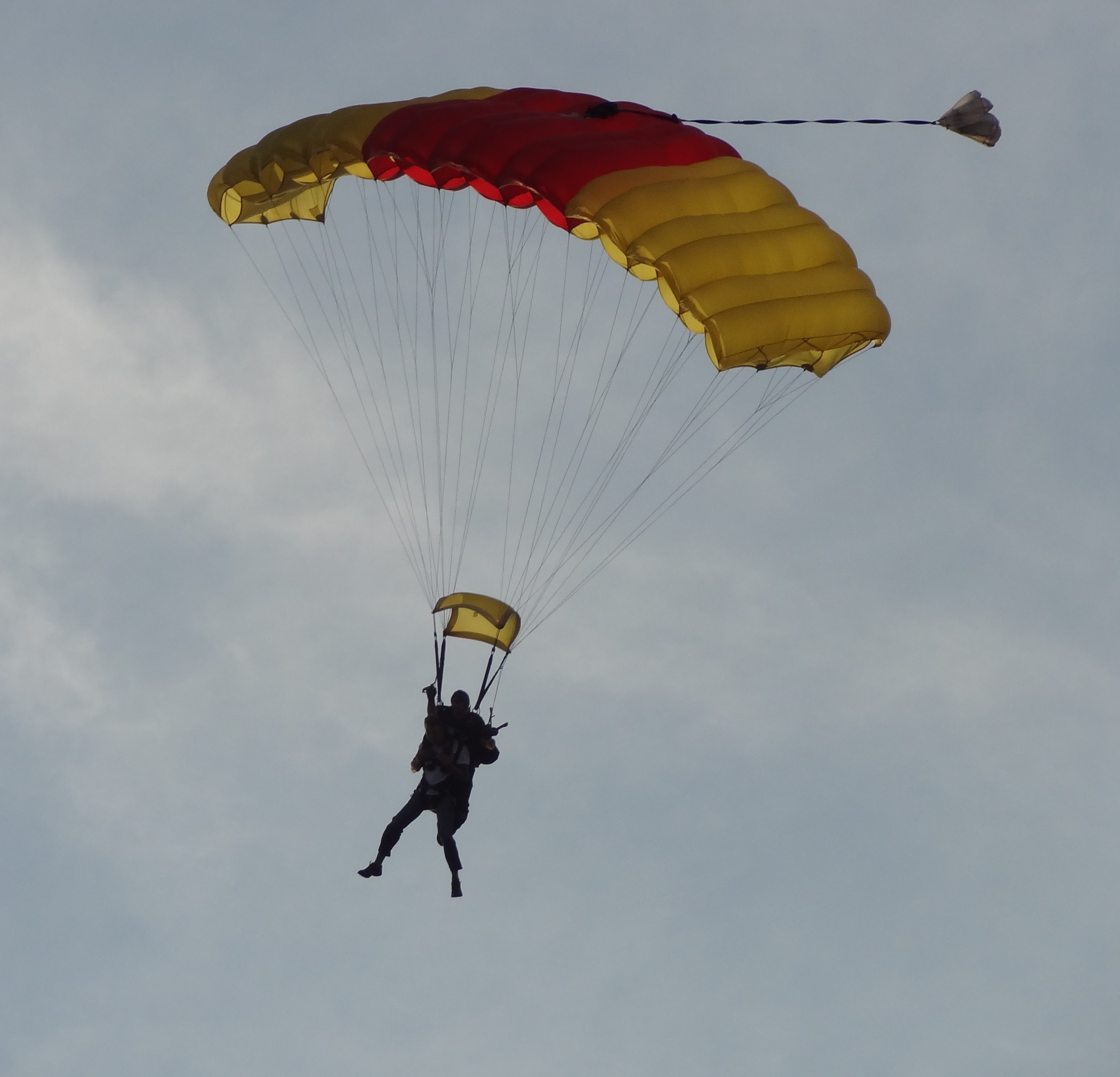
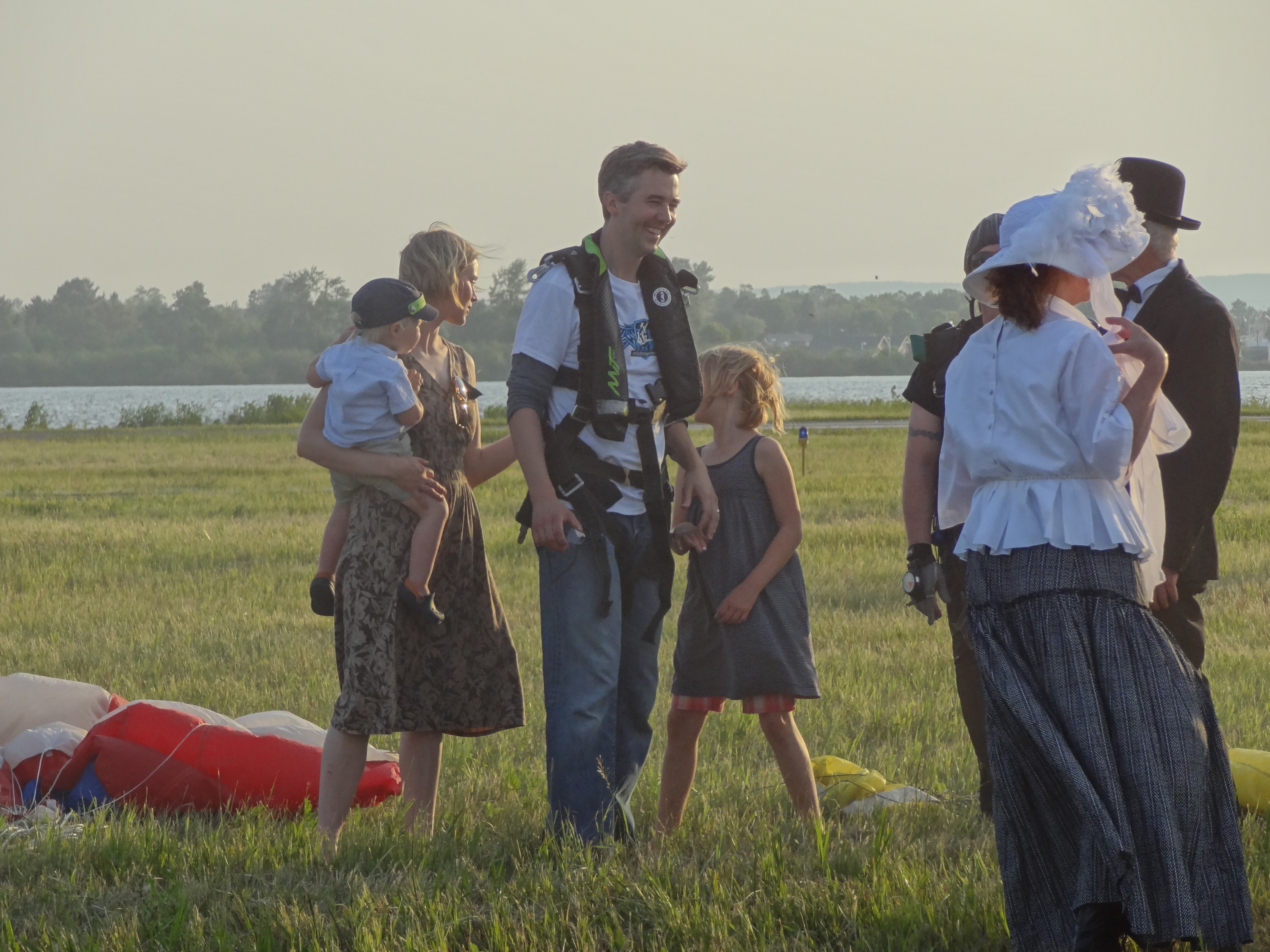
Several of my friends were involved in rebuilding the Lark, a labor of love and ingenuity. The builders worked from photos, written descriptions and studying other similar seaplanes. Last weekend’s festival was held to remind Duluthians of their place in aviation history and to show off the flying boat. I attended the opening ceremony of the three-day event, which was complete with skydivers (including the intrepid Mayor of Duluth), spectators in vintage clothing, a band, and carriage rides. The skydivers in my pictures all landed safely, however, later in the weekend, a couple of them ended up landing in Lake Superior. Only in Duluth!

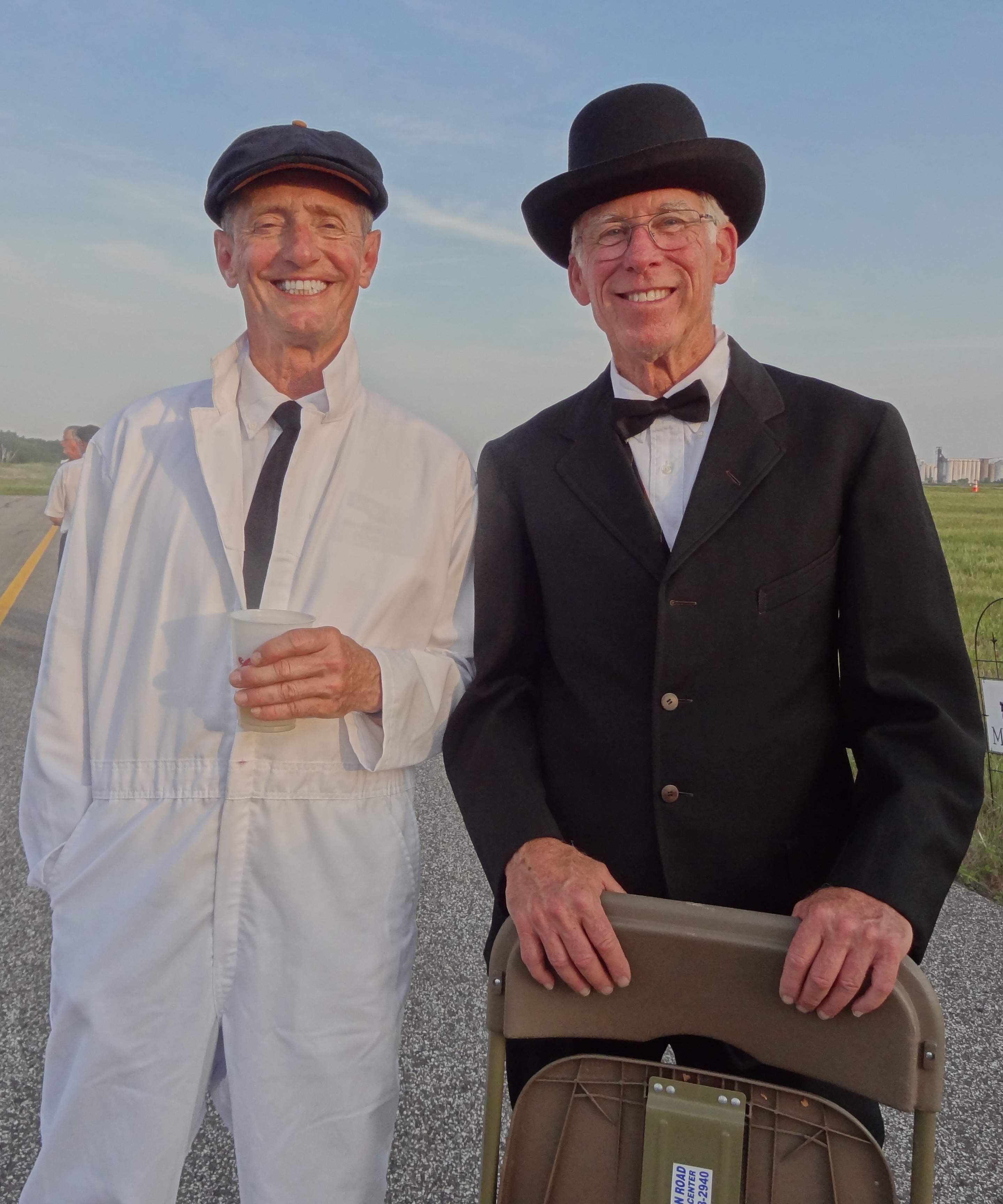
Michael Gardonio, Thomas Betts

Mr. Gardonio and Mr. Betts were among the builders of the Lark.


Duluth Mayor Don Ness in a tandem sky dive for the opening ceremonies of the Lark O'the Lake Festival.

Duluth Mayor Don Ness in a tandem sky dive for the opening ceremonies of the Lark O’the Lake Festival.

Duluth Mayor Don Ness skydive

Duluth Mayor Don Ness, glad to be alive after his skydive. His family is behind him.