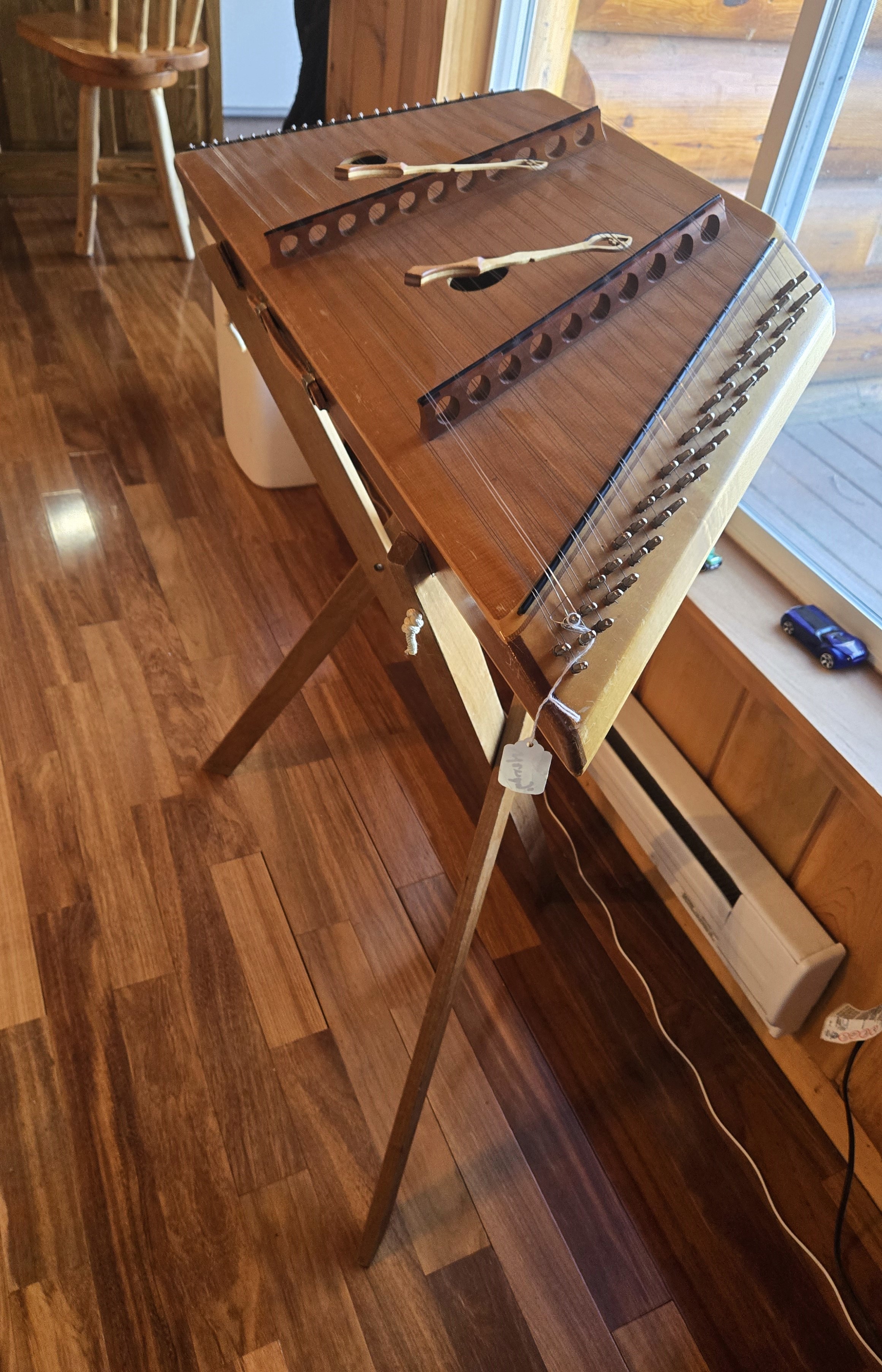
Bringing a Dulcimer Home

Learning to play the hammered dulcimer is one of the activities on my “Things to do When I’m Retired” list. I love how they sound – rather like someone banging around on the inside of a piano – and I’ve attended several dulcimer festivals over the years, which piqued my interest.

Dulcimers come in various shapes and sizes. Hammered dulcimers differ from the guitar-like mountain dulcimers in that they are larger and are often played on a wooden stand. Instead of plucking the strings, musicians hit them with lightweight mallets that look a bit like wooden spoons. The instrument has ancient roots in Asia and the Middle East, where they’ve been made and played for as long as 5,000 years. Like I alluded to above, hammered dulcimers are considered an ancestor of the piano.

I know a woman in town who teaches the dulcimer. One of the first things I did after my recent retirement was to arrange for a lesson from her. We met at her house where she showed me the secrets to playing this ancient instrument. She had two dulcimers set up side by side in her living room; one for her and one for me. Unlike other instruments that I’ve learned, the notes on the dulcimer don’t follow a linear progression. It’s more like a box, or several boxes.

The instructor taught me how to play scales and gave me a chart that shows where the notes are located on the instrument. As we practiced, two deer wandered by the picture window in front of us at dusk. Were they drawn by the music?

She also taught me how to tune the dulcimer. By the end of the lesson, I had played my first song! It was only “Frere Jacques,” but I was pretty pleased. I rented the instrument from her that I had been playing. It came with a handy carrying case and stand, and was easy to transport to my car.

As I drove home, I felt like my cargo was some grand prize that I’d won at the fair—like a huge teddy bear. I couldn’t believe I had my “own” dulcimer for a month! I set it up in my office and even though it’s been a few days, I still feel a tickle of disbelief and excitement every time I see it.

I’ve been practicing. I don’t have any sheet music, so I’ve been playing songs by ear. I’m not sure I could remember how to read music anymore, anyway. I have “Frere Jacques” mastered and am now working on a favorite song, “Walking in the Air.” I’m just working on the melody for now. That’s all I can handle. It’s coming along.

Although I didn’t have any trouble at the instructor’s house seeing which strings to hit, I’ve had difficulty seeing them at home. My aging eyes aren’t the greatest. But I think finding the proper lighting or changing out some bulbs will help. I’d hate to let that stop me from playing.

Learning a new skill has been fun. Playing the hammered dulcimer is a good alternative to writing. I like that it’s played standing up. That gets me off my butt and onto my feet, which is a good thing. Here’s to not sitting down in retirement!
No More Mondays!

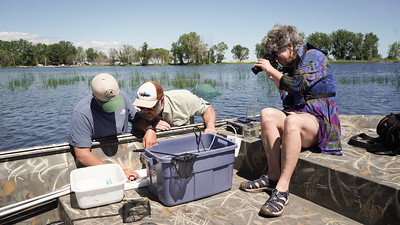
Marie at work on Lake Michigan’s Green Bay. Wisconsin Sea Grant photo

I began counting down workday Mondays about 35 weeks ago. I loved my job as a science writer for Wisconsin Sea Grant, but I disliked waking up earlier than my body wanted on Mondays. Well, as of last week, there will be no more work Mondays for me—unless I get a parttime job, but I don’t think that will be the same.

However, I’m not officially retired yet. I’m on pre-retirement vacation, or as I like to think of it, “permanent vacation.” But I may as well call myself retired, right? I feel very fortunate to be retiring while I’m still functional.

I’ve experienced two days of this permanent vacation and it’s been stressful. There are so many things I want to do! These are things that I’ve put off due to work commitments or new things I want to try. I’ve been keeping a “Things I want to do When I Retire” list for years, and it’s large. I feel like I want to do all of them at the same time! Plus, I had an unexpected one-day deadline come up for some book promo text during my first day off, and that added to the stress.

It’s also taking time for me to adjust to the idea that I can grocery shop during the day instead of the evenings, and that I can run errands without hurrying back to my desk to check work emails.

I don’t really feel retired yet. I wonder how long it will take for that to kick in? We’re hosting a celebration in a few weeks. I hope after that, this will all feel more real. But at least for now, my body is definitely liking waking up at 8 or 9 a.m. vs 7 a.m. Let’s hear it for no more Mondays!

Retired folks out there, how long does it take to actually feel retired?

As an added bonus, here’s a poem I wrote a few years ago about my career. It’s been published in a couple of places.

Lake Superior Auntie

Today, someone called me
one of the Aunties of Lake Superior.
It must be
my gray hair.
I am now venerable,
aged, historic, learned.
No Babe of Lake Superior
anymore.

For twenty-seven years
I’ve worked along its shores,
pouring my female energy
into water issues,
drinking asbestos fibers from the tap,
preserving wilderness,
explaining research,
discovering the secret of paralyzed gulls,
and the mystery of tapioca beads washing ashore—
leftover casings from the zooplankton
Holopedium gibberum.

I’ve promoted the consumption of the lake’s fish,
promoted consumption of the lake’s lamprey
(they’re a delicacy in Portugal, you know),
encouraged boaters to rid their craft of
invasive zebra mussels and plants,
and studied the lake’s wolves and plovers.
Then there’s all the stories, fact sheets,
DVDs, CDs, videos and radio shows….

“Aunties” confers a plethora.
No Grandmother am I, one of only two.
I have been too busy living my small life,
raising sons, skipping rocks, writing words—
watching pink and orange wash from the sky.

The World According to Accordions

The World of Accordions Museum. Image courtesy of the museum.

I’m aware that I’m jumping the gun. World Accordion Day is May 6, and National Accordion Awareness Month isn’t until June. But I just couldn’t wait to write about our visit to the World of Accordions Museum in Superior, Wisconsin.

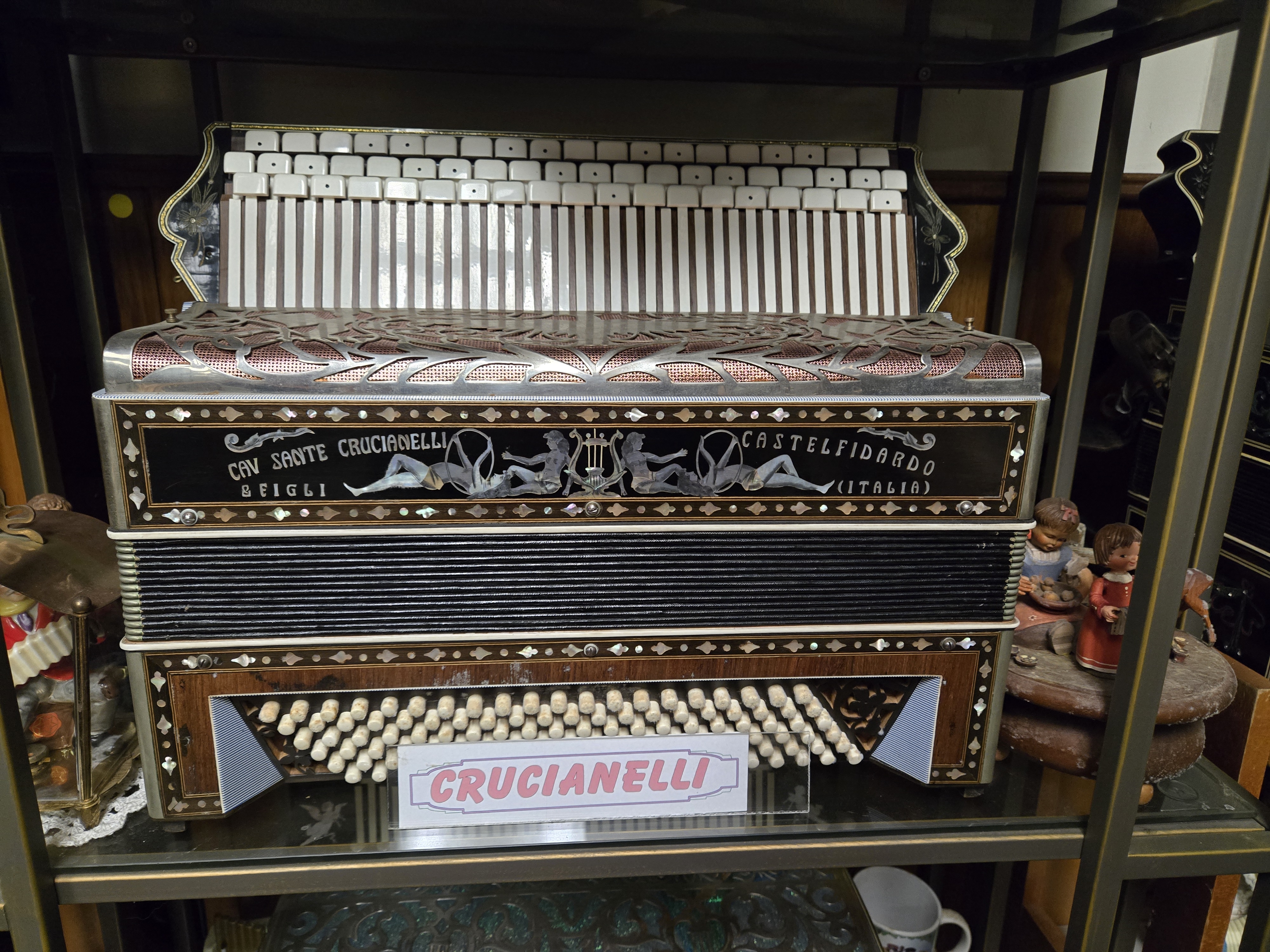
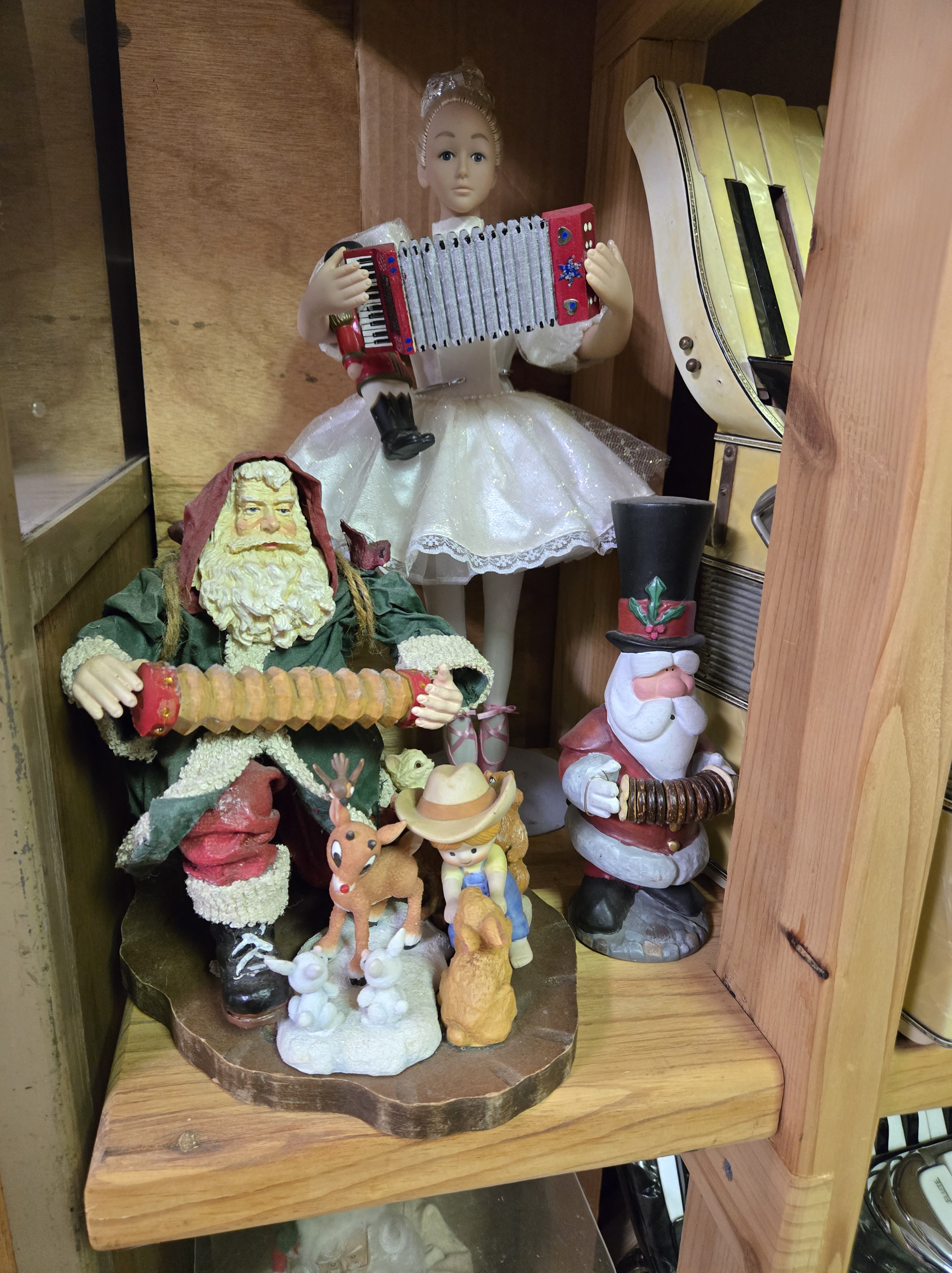
I’ve driven past the unassuming building on a busy street corner hundreds of times on my way to work and finally had time to take a peek last weekend. Inside are over 3,000 accordions and probably every ceramic figurine ever made that’s holding an accordion. The museum contains instruments from all over the world: Ireland, Spain, Germany, Scandinavia, etc. —from primitive concertinas to highly embellished accordions from the Vaudeville era that feature abalone. We even noticed a wooden accordion.

One of the fancier accordions in the museum.

The World of Accordions Museum was founded by Helmi Strahl Harrington in 1993. Our tour guide told us that Helmi’s mother was an accordionist who was conscripted in Hitler’s Germany to teach SAS wives to play the accordion. The family escaped to America and Helmi continued the family accordion tradition. She learned how to maintain accordions through a technical college in Red Wing, Minnesota. Although she currently has cancer, she hasn’t let that stop her from teaching accordion students and repairing accordions.

Christmas accordion figurines.

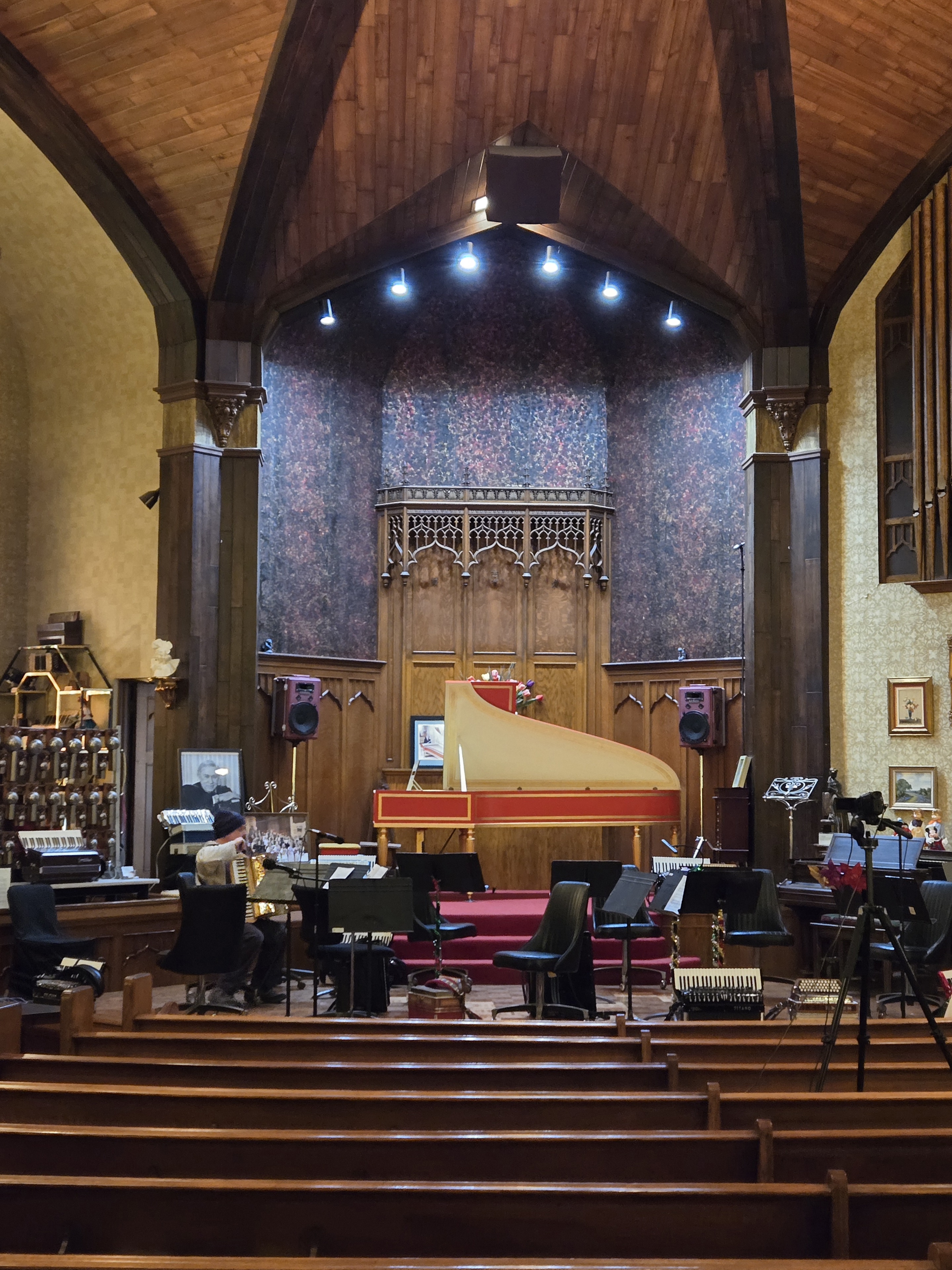
The nonprofit museum also houses a music and files room and a concert hall in what used to be the sanctuary of a former Episcopal Church. Our helpful tour guide said she got hooked on the museum when she came in for a tour. Now, she’s taking lessons and giving the tours herself. She even let us try our hand(s) at playing an accordion.

The performance space in the museum.
Mae West. Image courtesy of the Los Angeles Times Archives

Due to my dust allergies, I couldn’t spend as much time in the museum as I wanted. My sinuses began to ache! But before we left, one interesting thing we learned was that blond bombshell and actress Mae West was married to an accordionist. His name was Frank Szatkus, whose stage name was Frank Wallace. He agreed to keep their marriage secret to help West’s career. According to Wikipedia, the couple never lived together as husband and wife. When asked, West insisted that they had separate bedrooms, and that soon after their marriage, she sent him away in a show of his own to get rid of him. They married in 1911 and divorced in 1942. Was it because of the accordion?? We may never know.

One of my favorite store chains, Drink Wisconsibly, has made a YouTube video about the museum, which is fun to watch.

The museum has an annual festival in early May, centered around World Accordion Day. They offer workshops, talks, and concerts. Keep your eyes out for info about that. It would be a good excuse to visit if you just can’t get enough of accordions.

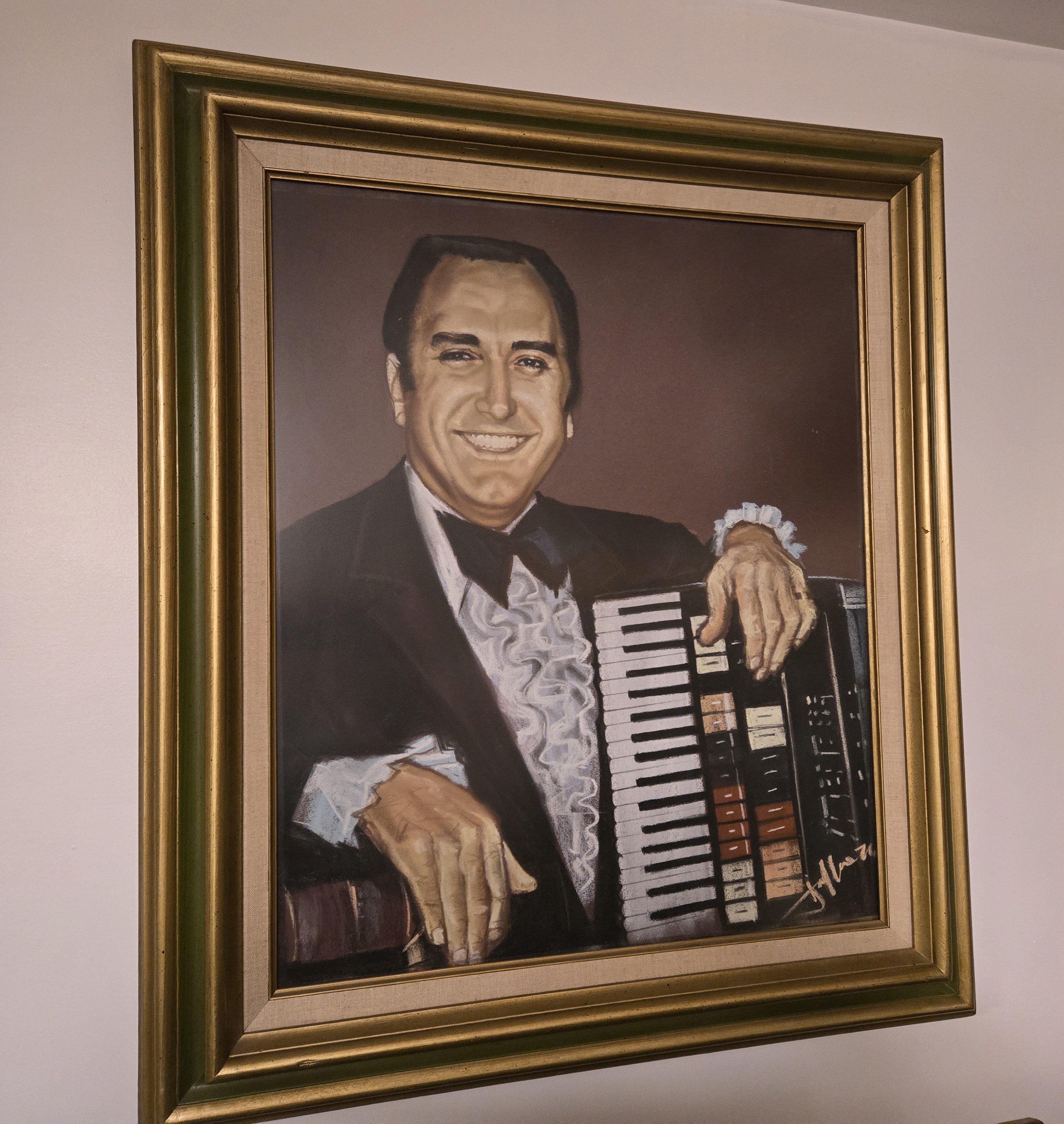
I don’t know who this guy is, but he seems pretty happy with his accordion.

Garden Gnome

Inspired by mishearing the song “Cardinal” by Kacey Musgraves. Thought it was funny. Hope I don’t get sued.

I saw a sign or an omen
In the garden, in the morning
Right after I
Lost a friend without warning

Words unsaid
Nose of red

Garden gnome
Are you bringing me a message from the other side?
Garden gnome
Are you tellin’ me I’m on somebody’s mind?
Don’t leave me behind

I took a walk in the ‘hood
To clear my head
Turned my collar to the wind
On the street, it was blowin’

And there he was
By the shed

Garden gnome
Are you bringing me a message from the other side?
Garden gnome
Are you tellin’ me I’m on somebody’s mind?
Don’t leave me behind

Are you just watching and waiting for spring?
Do you have some kind of magic to bring?
Are you just watching and waiting for spring?
Do you have some kind of magic to bring?
Are you just watching and waiting for spring?
Do you have some kind of magic?

Garden gnome
Are you bringing me a message from the other side?
Garden gnome
Are you tellin’ me I’m on somebody’s mind?
Garden gnome
Are you bringing me a message from the other side?
Garden gnome

A Perfect Duluth Evening

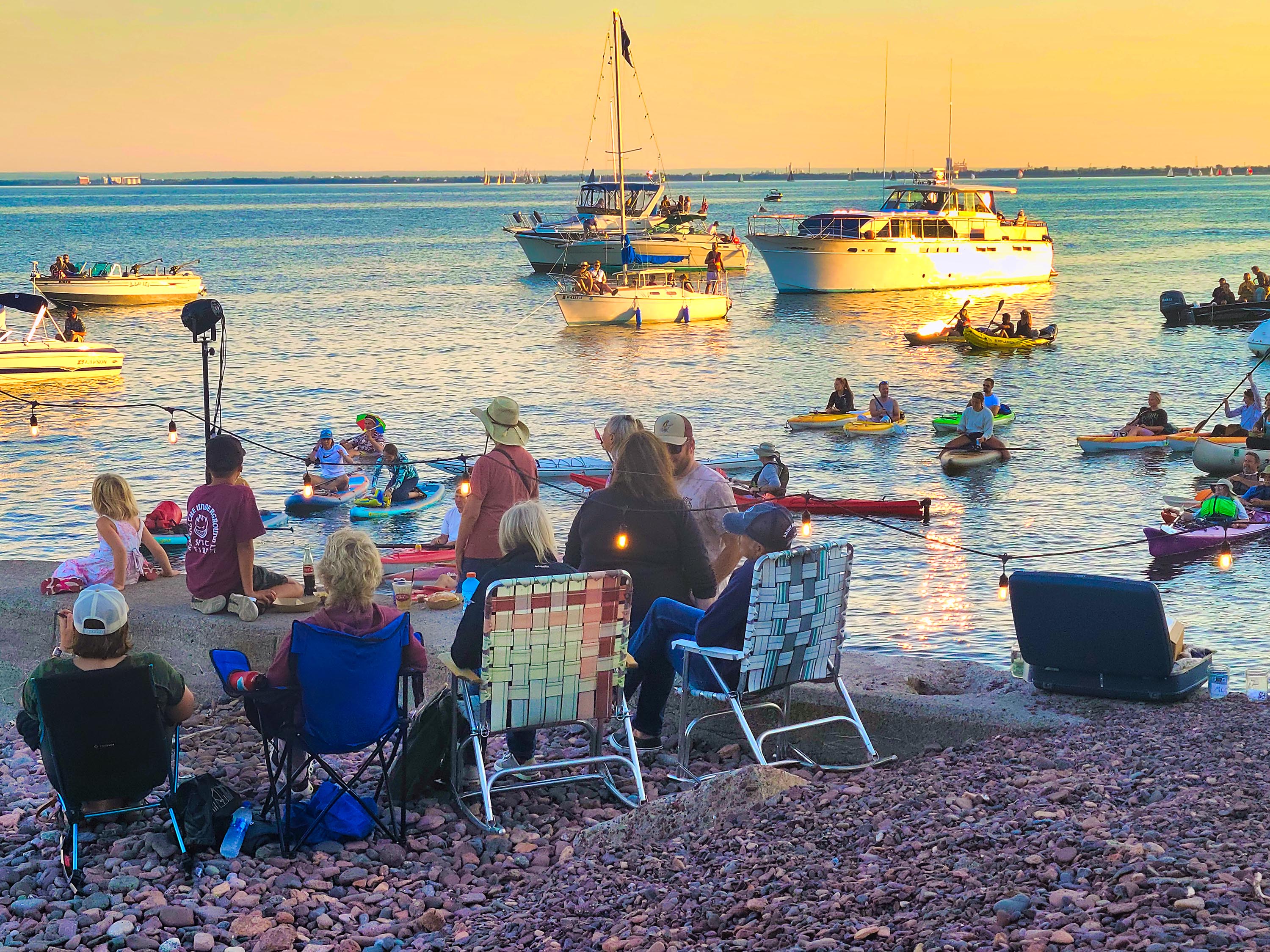
Boaters and landlubbers alike gather on the shores of Lake Superior for a “Concert on the Pier.” In the far background, you can see sailboats doing their Wednesday night races.

A historic mansion on the shores of Lake Superior in Duluth, Minnesota, offers free concerts on Wednesday evenings during summer. Local musicians play on a pier that juts out into the lake as hundreds of listeners lounge on blankets on the Glensheen Mansion grounds and the rocky shoreline. Boaters take advantage of the concerts as well, anchoring just off the pier. I should explain that all manner of watercraft people show up to listen: paddleboarders, kayakers, canoers, sailors, inner tubers.

I had never been to one of these concerts before. It was the last of the season, the weather was warm and calm, and some of my favorite musicians were playing – Jacob Mahon and Teague Alexy – in Teague’s “Common Thread” band. So, Russ and I grabbed our folding chairs and headed to the shore.

Since these events are so well-attended, parking space is at a premium. We parked in a neighborhood about a quarter mile away and walked onto the mansion grounds. We got there about an hour early so we would have a chance to sit in a good location.

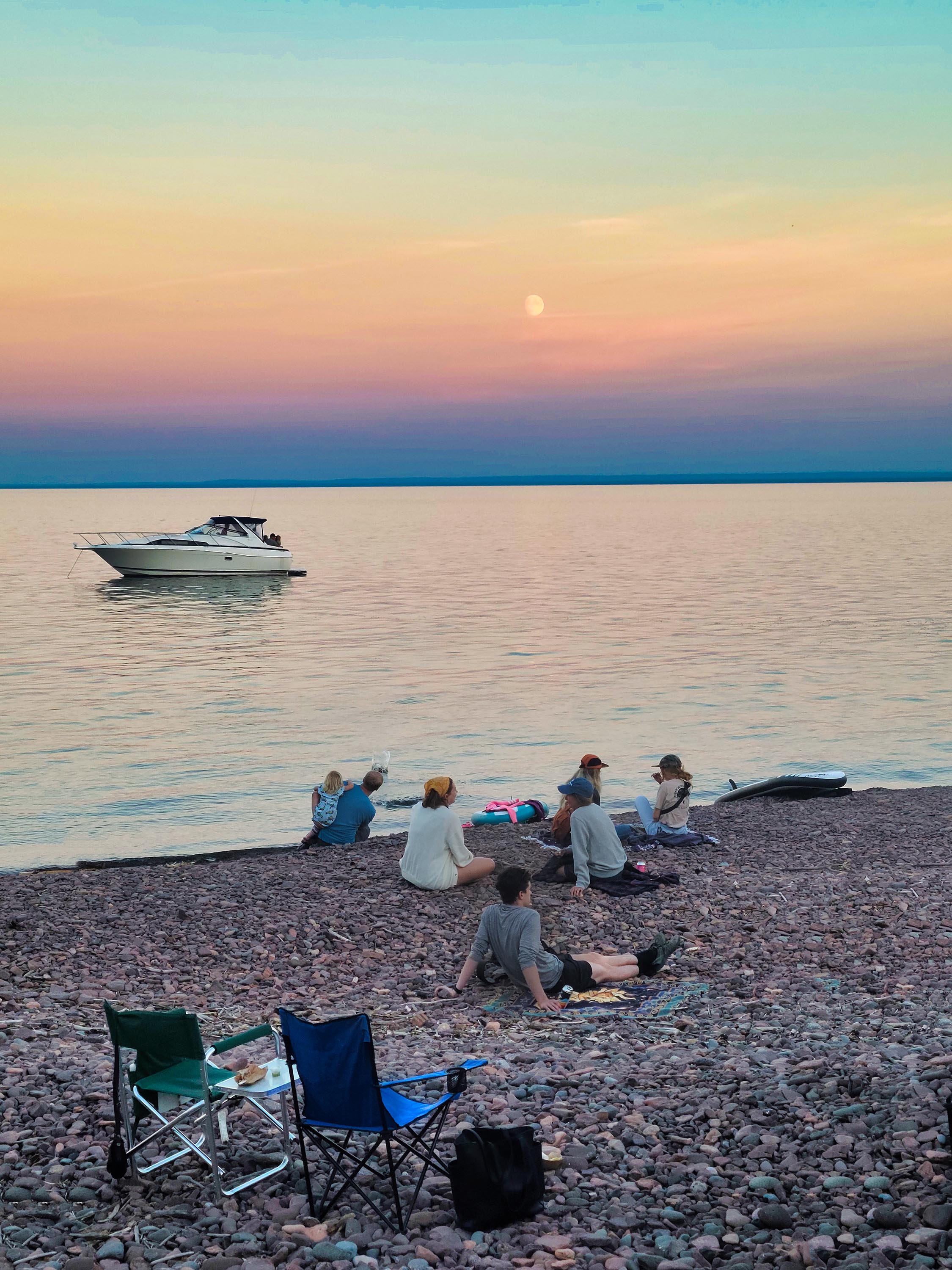
The view from our concert spot on the beach. That’s the moon rising.

The best spots with direct views of the pier were already filled with picnickers. We noticed a small rocky hill on the beach behind the pier and decided to head there. We soon discovered that getting to the hill required fording the end of a creek (Tischer Creek) that runs through the property into the lake. Luckily, water levels were low enough that this was a simple task, requiring only a few steps on some well-placed rocks.

We planted our chairs to stake our claim and then headed out to investigate the food trucks, ice cream stand, and adult beverage purveyors on the grounds. We had just enough time to obtain some treats and return when the music began.

Teague’s songs have been described as “an inviting style of laid-back roots music” with a few Irish ditties sprinkled here and there. It was perfect for listening as the sun set in pinks and periwinkle blues over the lake.

More boats arrived until a minor flotilla floated in front of the pier. The boaters had the best seats!

Neighbors greeted neighbors. Former soccer moms reunited. Children continued their never-ending, generations-long quest to fill up Lake Superior with rocks.

A moonlit path on Lake Superior

Soon, an almost-Harvest-Moon rose, its light trailing a glowing path on the water. The disappearing sun had taken its warmth along with it. Although we wore jackets, a chill from the lake began seeping through. We stayed until we became too uncomfortable, leaving a few songs before the concert’s end.

As we walked back to our car serenaded by the band, the Lake Superior cold in our limbs was offset by warmth toward our community for providing this perfect way to spend a Duluth evening. Glensheen’s Concerts on the Pier are a unique experience. So glad we got our butts down to the shore to enjoy one.

Songs for Dogs

Marie is too busy trying to survive a gray and dreary February in Minnesota so I, Buddy the Wonderdog, am stepping in to write a post.

I want to tell you about a super great thing Marie and Russ did for me and my girlfriend Bea. Yes, I have a live-in girlfriend! Bea is a collie mix rescue dog. She was found in a ditch with her littermates next to a local highway by a mail carrier. Even though she was a stray, I think she’s priceless. She keeps me company when our masters are gone and sometimes even plays with me. Not often, but the rare times she does make me feel all goofy inside.

20200125_152921

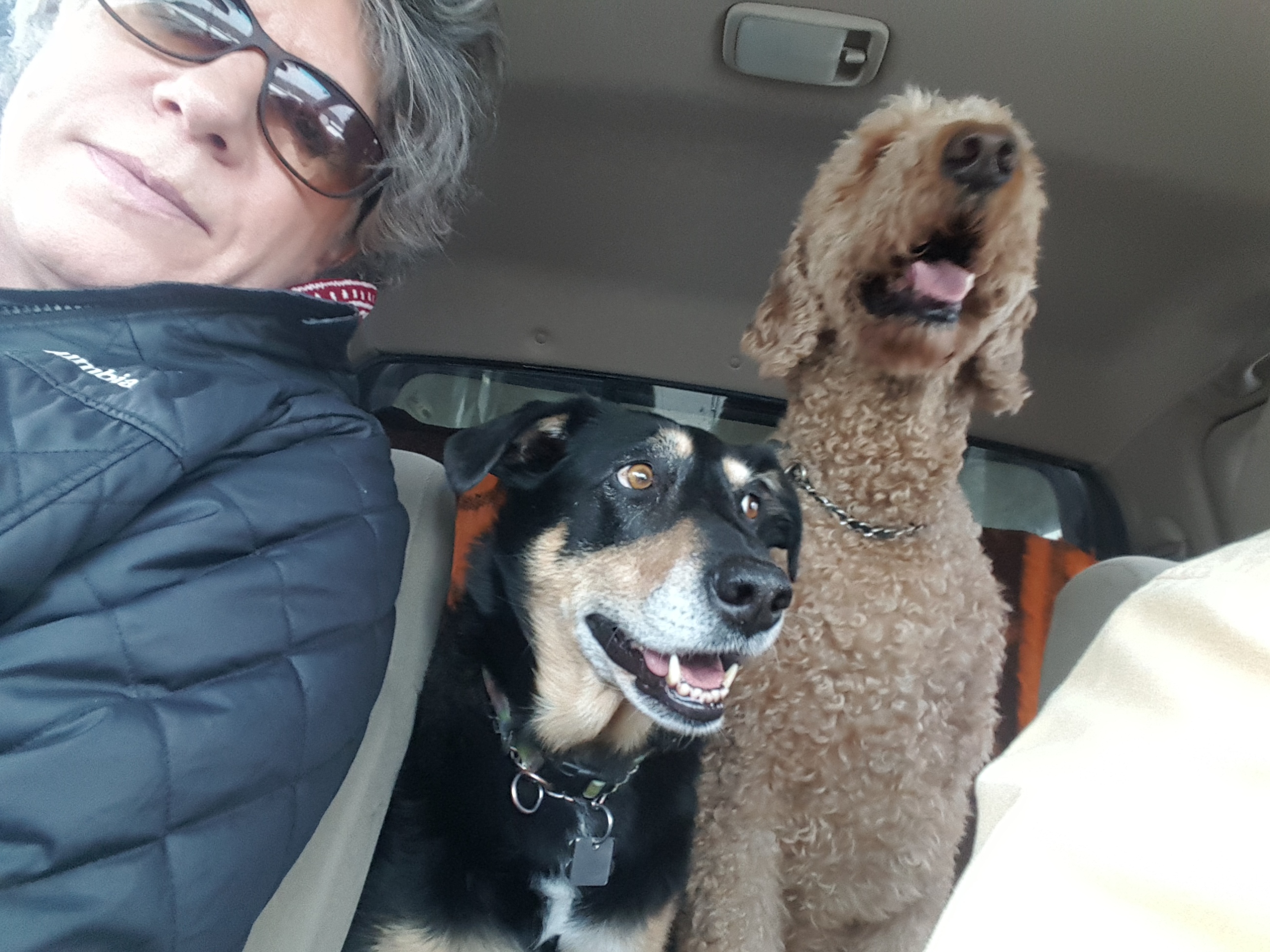
Bea (left) and me listening to our play lists.

Anyway, I digress. The wonderful thing our masters did for us is to make a playlist of songs on Spotify. We listened to the music during a recent road trip, and I loved it! I think Bea did, too. You can see how happy we were from the photo I’ll include with this post.

The songs are customized to our personalities. For instance, for me, they inputted that I am super-friendly, curious, and have an average energy level. For Bea, they said she is less friendly and more mellow. My music was a mix of fast songs (including Led Zeppelin, my fave!) and slower songs. Bea’s mix were slower songs, but they were classics and very tasteful.

Now, besides being able to leap tall walls with a gesture from Marie, I am a well-read dog. The New York Times recently published an article, “Does Your Pet Really Need Cat TV or a Dog Playlist?” The story argues that all pets really want is their masters, not music to make them feel better when their masters are gone. But I would argue that if the masters have to be gone, why not play some music that I like? Also, because I’ve already listened to the songs when I was with my masters, it makes me feel like they’re here even when they’re not.

Those videos for cats that the article describes sound pretty funny. I laughed (in my own doggie way) at the quote by one person, who said, “When you are watching birds and chipmunks fight over a corncob, it makes you stop thinking about impeachment.” Anything that can do that has got to be good!

Our masters used to leave the Animal Planet station on TV sometimes when they were gone, but some of those programs are violent to animals. They show people hunting animals and killing them! I didn’t like those very much. I’d much rather have music.

So, to answer the question in the NY Times story, no, I don’t really NEED my own playlist, but I’m sure glad I have one.

Crackerjack Bands and Hometown Boosters: A Personal Story and Book Review

Back in 2010, I Googled my parents’ names, just to see if any information about them was out on the internet. They were aging, and I wanted to ensure their safety, both online and off.

I was also curious. Neither of them had ever owned or operated a computer. Heck, even operating a cell phone was a stretch, and I’m not sure either of them ever used the one they bought for emergencies, despite my repeated and patient instructions. Would anything be on the internet about people who had never been on the internet themselves?

I was surprised to find my father’s name (Howard Pramann) associated with a blog called, “My Musical Family” by Joy Riggs, a writer based in Northfield, Minn. The post was titled, “Music: The Anti-Drug.” It featured an interview with my father about his experience playing the cornet under the instruction of Joy’s great-grandfather, G. Oliver Riggs (the G stands for George, a name Mr. Riggs did not like so did not use). Mr. Riggs was adamantly against smoking, especially since his musicians needed good lungs to play. His anti-smoking lectures no doubt kept many a young man from taking up the habit.

After reading the post, I vaguely recalled my parents recently mentioning something about my dad being interviewed, but I didn’t understand that it was for a blog.

BugleBoy1937

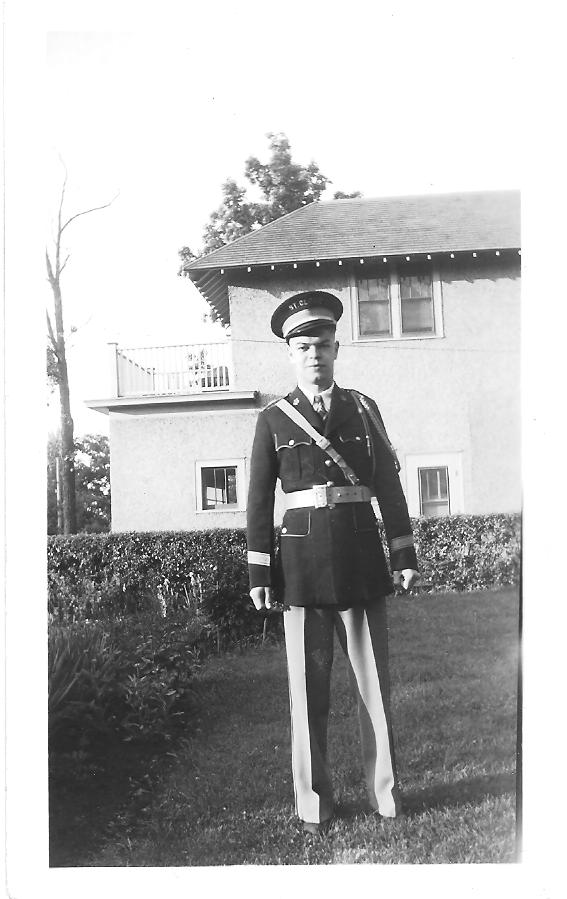
My father, Howard Pramann, in his spiffy band outfit in St. Cloud in 1937.

I shared the post with my family members and parents, and wrote a thank-you e-mail to the author. She responded quickly, and we corresponded a few more times. She explained she was writing a book about G. Oliver Riggs, who was an influential and prolific “Minnesota Music Man.” He developed and directed bands in communities like St. Cloud and Crookston, Minn., and even in Montana. My father, Howard, played in the St. Cloud band for eight years, from age 10 until he graduated high school.

Late this summer, I received a message from Joy through my author website. She noticed I was a presenter at the North Shore Readers and Writers Festival in Grand Marais, which she planned to attend. She was looking forward to meeting there, plus she had published the book about her great-grandfather.

After receiving her message, I looked at Joy’s author page to see how I could lay hands on a copy of her book. I noticed she was doing a signing at a local bookstore a few weeks before the festival. I told her I would see her at her signing and later at the festival.

IMG_7234We met at the bookstore and had a nice chat. Not long after, I read her book, entitled “Crackerjack Bands and Hometown Boosters: The story of a Minnesota Music Man.” (Noodin Press, 2019.)
What immediately impressed me is how Joy interweaves her personal story with information about her great-grandfather’s life. This made the book much more interesting, as readers are able to experience the thrill of discovery that Joy found during her research process. Readers also learn that this book was her return to journalism after many years of subsuming her career to her growing family’s needs.

Her vivid prose won me over to the importance of her topic – bringing to life a bygone era, when public bands were the best form of entertainment in town and brought communities together. Although G. Oliver was a stern taskmaster, Joy’s book shows how his methods and discipline influenced his young pupils in a positive way throughout their lives.

Since my father was one of those pupils, it was thrilling for me to see photos of the venues where he might have played, and learn about the people he performed alongside. I was particularly interested in seeing pictures of my father’s piano teacher, who was G. Oliver’s wife, Islea.

Reading Joy’s book made me wish my father (who died in 2016) had spoken more about his community band experiences. When I complained about having to practice the required half-hour per day on my French horn in junior high and high school, he could have retorted with things like, “When I was your age, we had to practice four hours per day. What are you complaining about?”

I would have liked to hear him describe the contests his band won, and the parades they marched in. But through Joy’s book, I was able to follow the band’s triumphs and challenges across the years.

Joy describes her interview with my father in Chapter 13. He’s mentioned again on page 228 as playing a cornet duet before an audience of 5,000 people in a theater in St. Cloud.

To my surprise, Joy even refers to me on page 200, although not by name, when she discusses our initial correspondence.

Of course, I’m going to like any book that has me in it (ha, ha). But even if I wasn’t included, I’d still recommend Joy’s book for anyone who is interested in Minnesota’s musical history and the important role the arts can play in people’s lives. I gave it five out of five stars on Goodreads.

Aspects of 9-11

DSC05595

The slurry wall inside the 9-11 Museum.

Russ and I meandered over to New York City last week. We didn’t plan it, but our trip ended up being 9-11 themed. Our first experience was a visit to the 9-11 Memorial and Museum.

The dim lights and the quiet struck me as we entered the museum. This was hallowed ground. Visitors treaded lightly and spoke softly. We met our tour guide in the lobby and she took us down, down, down into the excavation pit of the World Trade Center buildings.

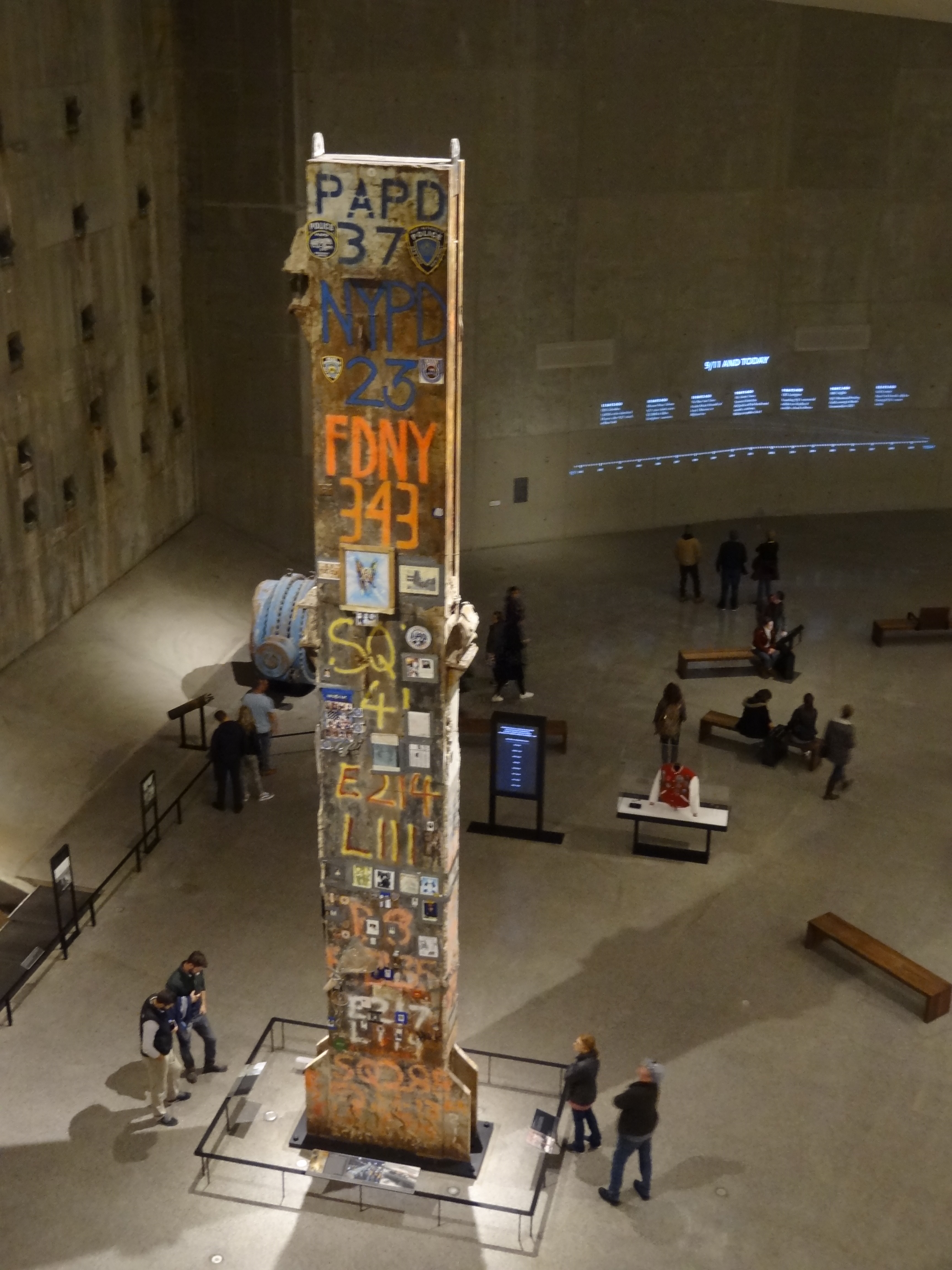
DSC05587The heavy ghost of all the rubble that had filled the space and piled above it was an emotional and physical weight. Our guide showed us the slurry wall that held back the river from flooding the space, the square-edged outlines of the waterfalls that flowed in the memorial outside, the wreckage of the fire trucks, and the last cement column that survived the building collapse, festooned with first-responder graffiti.
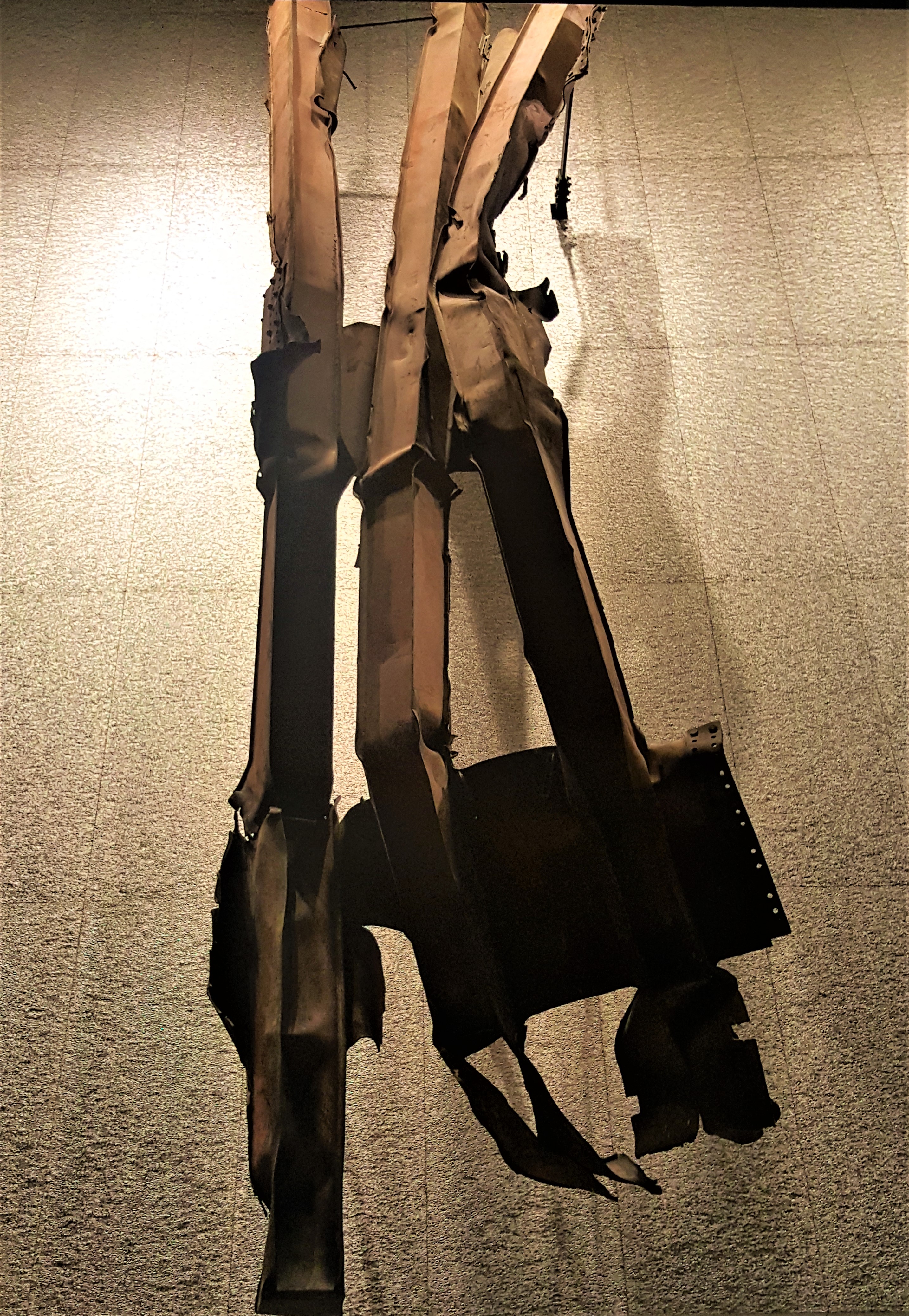
The most awe-full artifact for me was the impact steel from the North Tower, which was the one hit first. Mounted on the wall like a crucifix with a stark light upon it, the mangled steel beams hung as a testament to the power of the plane that crashed into the building and began the nightmare.

People showed different emotions to these sights. Some were crying, some were dazed. Everyone was somber.

20191102_111834

The impact steel from the North Tower.

Our tour guide explained that her brother worked in the World Trade Buildings. He only escaped death that day because, at the last moment, he decided to go to the optometrist to get his glasses fixed instead of heading up the tower.

Tour over, we were free to wander among the artifact exhibits on our own. I was drawn to the information about the plane that crashed in Pennsylvania, because I was in Pennsylvania when 9-11 happened. A timeline of those events was on display along with text of the plane cockpit recordings.

Also powerful and haunting were the voicemail messages left for loved ones from those who worked in the tower after the plane(s) crashed into them.

After all that heaviness, I was glad to get outside into the memorial area. But even the memorial is heavy, with all the names of the dead inscribed around the waterfalls that flow into the building pits. We found the name of a man who had been in a relative’s wedding party.

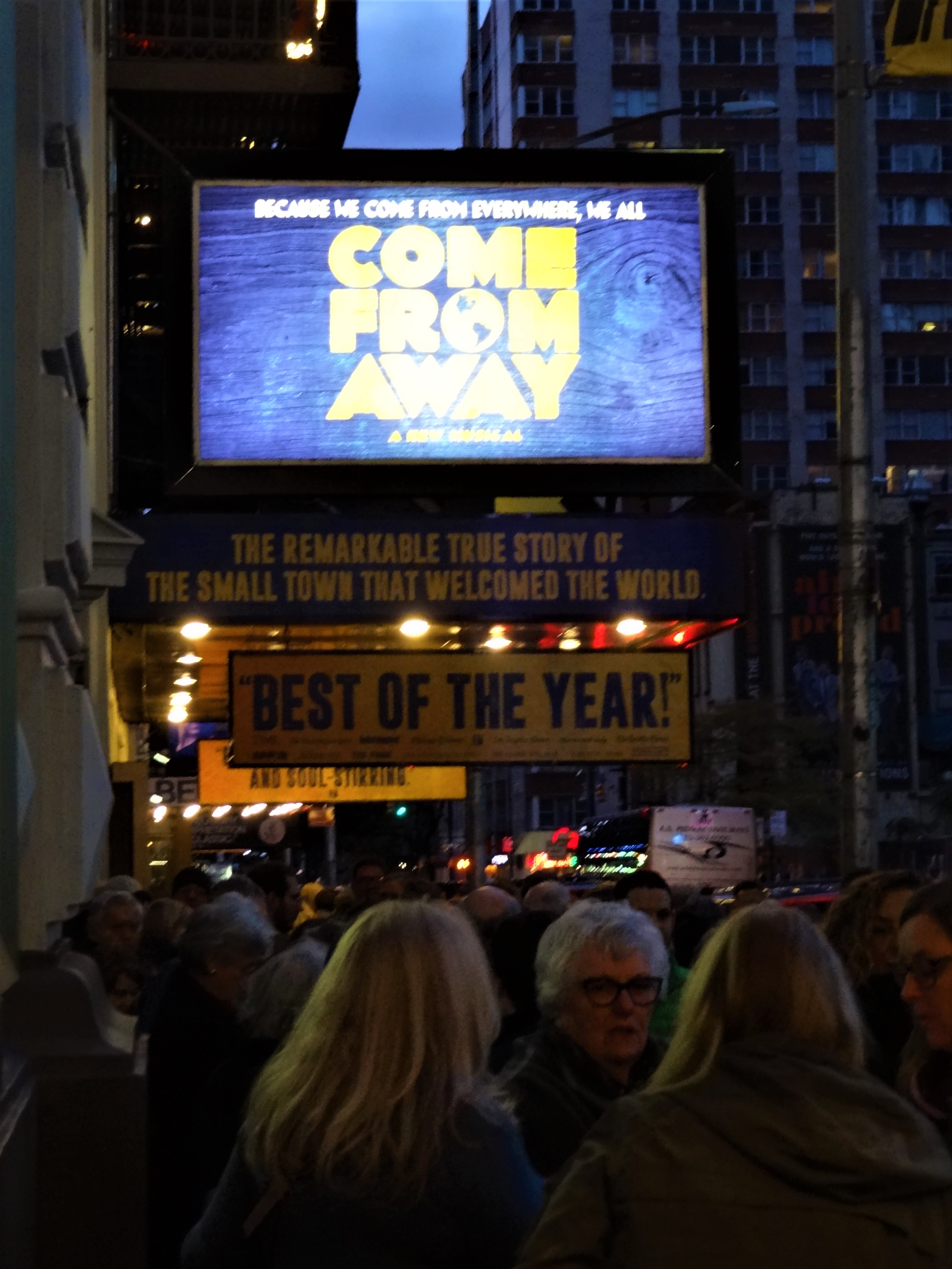
DSC05674The other 9-11-themed thing we did was attend the Broadway show, “Come From Away.” Although poignant at times, this experience was much more enjoyable than the museum. The musical tells the story of the townspeople of Gander, Newfoundland. This village of 10,000 people hosted 7,000 airplane travelers who got grounded on 9-11 for several days.
The Newfies welcome the confused travelers like only Newfies could – with generosity, caring, music, and whisky. The show offered 100 minutes of humanity and hopefulness.  The audience gave it a standing ovation at the end. If you have a chance to see “Come From Away,” by all means, do so!

Happy Belated Birthday Bob (Dylan)

20190525_153633

Bob Dylan’s childhood home in Duluth.

Last Friday was Bob Dylan’s birthday. My hometown of Duluth does it up right by holding an annual Dylan Fest — a week of events that features song, poetry, lectures, tours, and birthday cake.

This year, we attended the launch of a new book of poetry inspired by Dylan. “Visiting Bob” contains 100 poems by U.S. and international poets. A half dozen of the poets read their works and other poets’ works. Some of the poems were beyond me but others I understood. One that stuck was by local poet, Connie Wanek. Its theme was Dylan sightings in Duluth — are they false? Are they true? It ends on a hopeful note that perhaps someday the poet really will see him back in this town where he was born.

We also attended a lecture by one of the poets from Texas, David Gaines. Because he wrote a book about Dylan, he attracted media interest when Dylan won the Nobel Prize. Gaines described his experience being interviewed by Swedish public television and other major media outlets. He also got to travel to Stockholm to attend the airing of a Swedish public television story in conjunction with the prize ceremony.

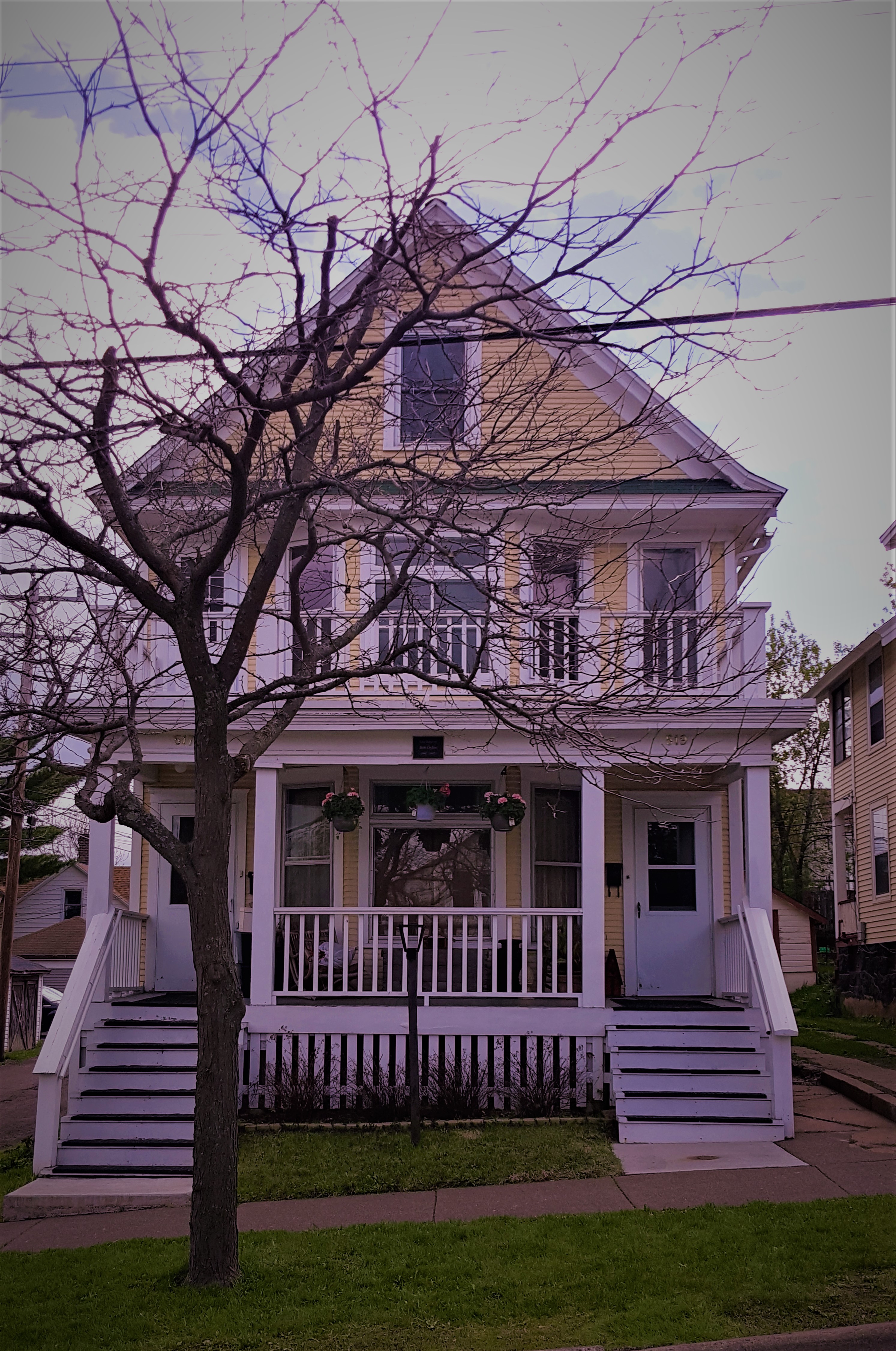
On our way home from the lecture, we decided to stop by Bob Dylan’s home on the hillside, since it was on our route and we’d never seen it. A fan owns it and has spiffed up the duplex. Dylan lived in the right-hand side. A plaque on the front of the home proclaims its significance.

It’s hard to believe that I’ve lived here over five decades and never looked it up before. ‘Bout time, I guess.

When I posted the house photo on Facebook, one of my friends said they had a chance to rent the place in the mid-1970s, but turned it down. They didn’t know the home’s significance, however. When they found out afterward, they deeply regretted their decision because they were fans.

Another friend said she walked by the place thousands of times but it took years before she learned who had lived there.

These are typical instances of  “Duluth” to me. It’s a big small town. It’s large enough to get lost in if you want, and to never see parts of it. But it’s small enough that everyone has friends in common through one means or another, whether they went to school with them, or worked with them, etc.

Even after all this time, this town still has hidden gems to discover for those who take the time to look.

When Classical Music Goes Bad

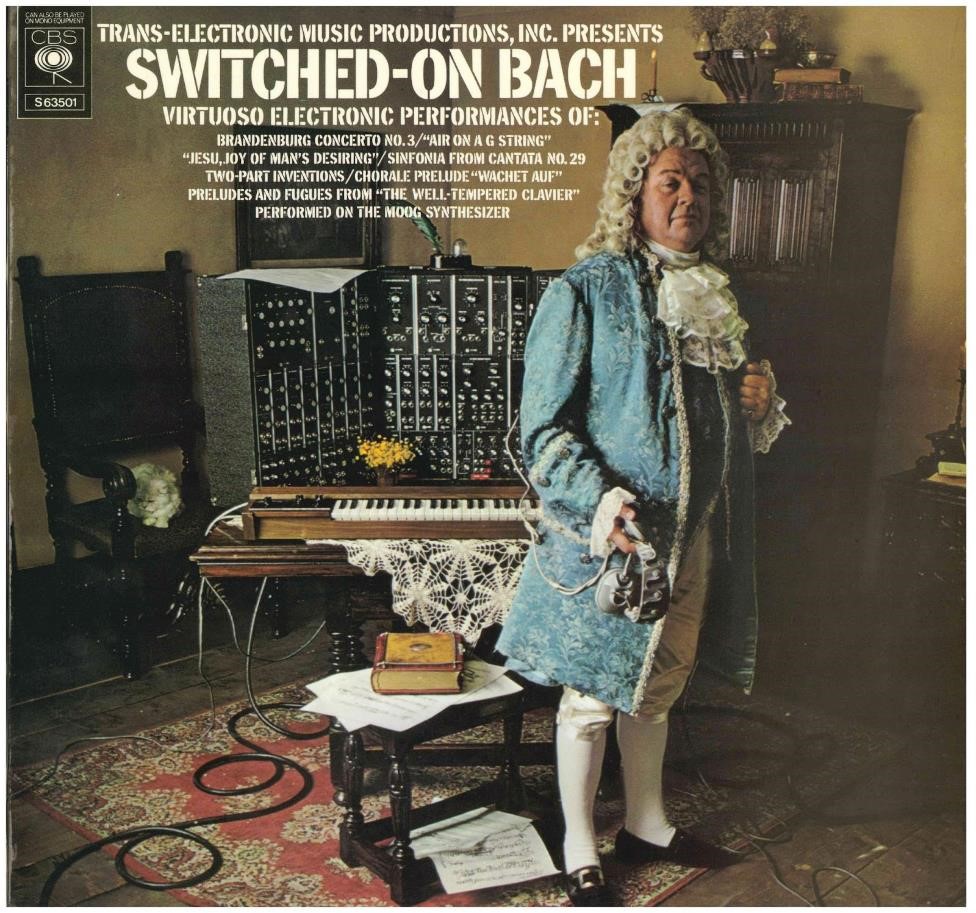
switched-on-bach

Image courtesy of Syracuse New Times.

Look what I found in the classical record collection that I inherited from my father.

During the two years since he died, I’ve been listening to my dad’s records whenever I exercise on my elliptical strider at home. It’s a way of getting healthier, figuring out which records I’d like to keep, and remembering him.

I’m about halfway through the stack and probably have another two years to go, unless I start exercising a whole lot more.

As a child, I used to hang out in my dad’s “radio room” when he played music after supper. I remember some of the albums vividly, others not so much.

I don’t recall this album (“Switched-on Bach” played on Moog synthesizers) and somehow don’t think it’s going to make my cut! Although all classical music is retro, this is just a little too retro-techno for me.

I wonder what possessed my father to purchase it? Maybe he thought it was cutting-edge at the time.

According to an article this spring in the Syracuse New Times, “Switched-on Bach” was released in 1968.  It “dropped like a bunker buster on the world of classical music, fostering incredulity and pushback from classical music purists, who considered such treatment to be blasphemous.”

Apparently, those objections were quickly quashed by enthusiasm from younger listeners who were otherwise not interested in classical music. The album vaulted to the top of the classical charts where it remained for 49 weeks. It was honored with three Grammies in 1970: Classical Album of the Year, Best Classical Performance by an Instrument Soloist, and Best Engineered Classical Album.

It even sold one million copies (!) – the first classical album to achieve that status.

*   *    *

Okay, I just listened to it. My judgement hereby is that the music does not stand the test of time despite all the awards it won.

Sorry dad, this one’s going in the rummage sale pile.