Challenge: Describe Your Community in One Word

Duluth city lights as seen from the water at night.

Duluth city lights as seen from the water at night.

In a short chapter in Elizabeth Gilbert’s Eat, Pray, Love, (Chapter 33) Gilbert and her friend discuss how every city and its inhabitants can be defined in a single word, and that each community is different. For instance, their word for New York City was ACHIEVE. Their word for Stockholm, Sweden, was CONFORM. For Naples, Italy, it was FIGHT.

During a lunch outing a few years ago, my girlfriend and I decided that the word REMOTE fit our city of Duluth, Minn., not only for geography but for the people. Duluth is often the butt of jokes from the rest of civilization as being at the end of the world. This since it is so far north, and it serves as the end of the line (or beginning?) for highways, railroads, and shipping routes. If traveling north, we are a last bastion of goods and services before one reaches our friends in Canada.

As for the people, although we are “Minnesota Nice,” we can be hard to get to know. Some of us have lived here for several generations and we have our own cliques – like in the state of Maine, there are those from “here” and those from “away.” And you’re not really from “here” unless your grandparents were born here.

The harshness of the long winter can also make Duluthians seem remote – it’s too damn cold to shoot the breeze when you meet someone on the sidewalk, or we’re too tired from shoveling snow to have energy to socialize. It can take time for new residents to break through and find connections.

Imagine my interest when I saw an article, “Remote Minnesota: Where is the most far-away spot in Minnesota?” in the latest Minnesota Conservation Volunteer magazine (produced by the Minnesota Department of Natural Resources). The author describes his quest to find the most remote and primitive spots in the state. He defined remote as a place farthest from any type of road, including Forest Service roads and private driveways.

Of course, with so many roads and driveways, it wasn’t Duluth. With the help of a Geographic Information System specialist, the author finds the spot on the shores of Knife Lake in the Boundary Waters Canoe Area Wilderness in northern Minnesota — twelve miles from a road.

The most primitive spot in the state is the bog country north of Red Lake. The author and his wife visited both places and described their experience. They found these wild spots “places where our imaginations can simmer.”

Now that the most-remote place in the state is official and it’s not Duluth, maybe I should change the defining word for the city. Also, several years have passed since my girlfriend and I defined it, and in the meantime, Duluth has earned national accolades, such as “Best Outdoors City” to live in. Not to mention all the microbreweries popping up everywhere. Perhaps we are getting too hip for REMOTE.

Duluthians, what do you think our defining word should be now? Readers outside of Duluth, what word would you use to define your community? I’d be interested to hear!

The Christmas City of the North Parade: Socially Sanctioned Child Abuse or Festive Community Event?

Huddled masses watch the Christmas City of the North Parade.

Huddled masses watch the Christmas City of the North Parade.

It only took me fifty years to figure out how to stay warm while watching Duluth’s local winter parade in person. One could watch it on the television and stay warm, but that doesn’t count. I needed to watch the parade in-person because my son was marching in it for the first time as part of the high school band. This Northland rite of passage requires parental attendance. I did so for my oldest son, thus for my youngest, too.

It’s almost always below freezing for the parade, which challenges both marchers and spectators. I marched in the parade myself for at least four years for various school bands, and due to this, have little love for it. I recall the numbness of cold appendages, frozen valves on my French horn (which my boyfriend thought could be solved by pushing down hard on all the keys, thus breaking the strings and rendering the instrument tuneless) miserable school bus rides to and from the staging area, and the pain of thawing fingers and toes. (This was before the time of hand warmers.)

But we band rats didn’t have it as bad as the cheerleaders. Back then, before someone got wise and invented flesh-colored thermal tights, they danced in short skirts and skimpy nylons. I am half serious when I say that I thought then and still think now that the Christmas City of the North Parade, far from being an event that brings the community together, is just a case of socially sanctioned child abuse.

Truly, most of the participants are children — from dance schools, high schools, and community groups. Only in Duluth does it seem like a good idea to make our progeny travel a mile-and-a-half down a frozen road, performing for our amusement and joy. Even the television anchors from the station sponsoring the event stay indoors now, much to the disgust of the hardy spectators.

Pleasant parade memories aside, this year, I did it right. The parade route changed so that it passed several eating establishments. I met some friends (thanks Charlotte and Katie!) at an arts café over an hour before the parade began. That way there was still plenty of parking (found a nearby free spot on my first try) and ample time to eat before the parade. I had eaten at home, so I just drank some wine.

Wine! Silly me. Why had I never thought of combining alcohol with parade watching before? The beverage filled me with warmth and goodwill toward this thinly veiled community child abuse event.

Our kids are in there somewhere . . . .

Our kids are in there somewhere . . . .

When the parade started, we stood outside on the curb, waving to the passing floats, facing the cold wind blowing down the street. When we got chilled, we went inside the café lobby and watched the event on television and through the café windows, which fronted the street. All of us had sons in the same band, so once we saw the band approaching on the television, we worked our way to the curb to see it pass by in person, and to wave vigorously to our sons.

Then I headed for my car. Why stay and watch the whole event if I didn’t have to? As I passed the café windows, I noticed an empty table in a prime parade viewing spot. I thought, “Next year, that’s where I will sit.” Although my son will be in the parade then, too, since his maiden voyage is over, I can get by with even more comfortable viewing arrangements in the future. Just look for me and my friends at the center table, sipping our wine and staying warm, while the rest of the world marches by.

Something Pumpkin-y This Way Comes

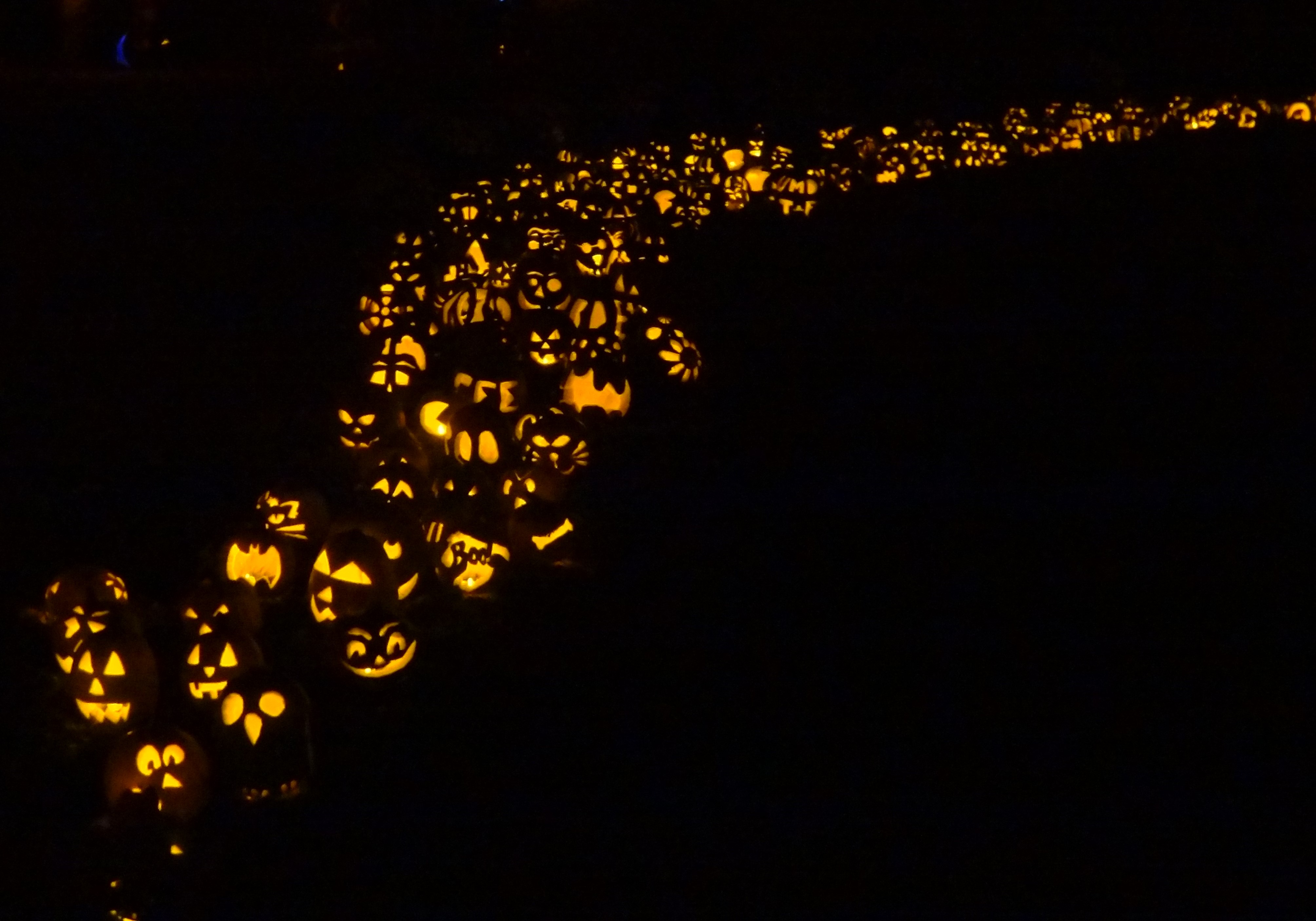
A river of jack-o-lanterns on the grounds of Glensheen Mansion in Duluth, MN.

A river of jack-o-lanterns on the grounds of Glensheen Mansion in Duluth, MN.

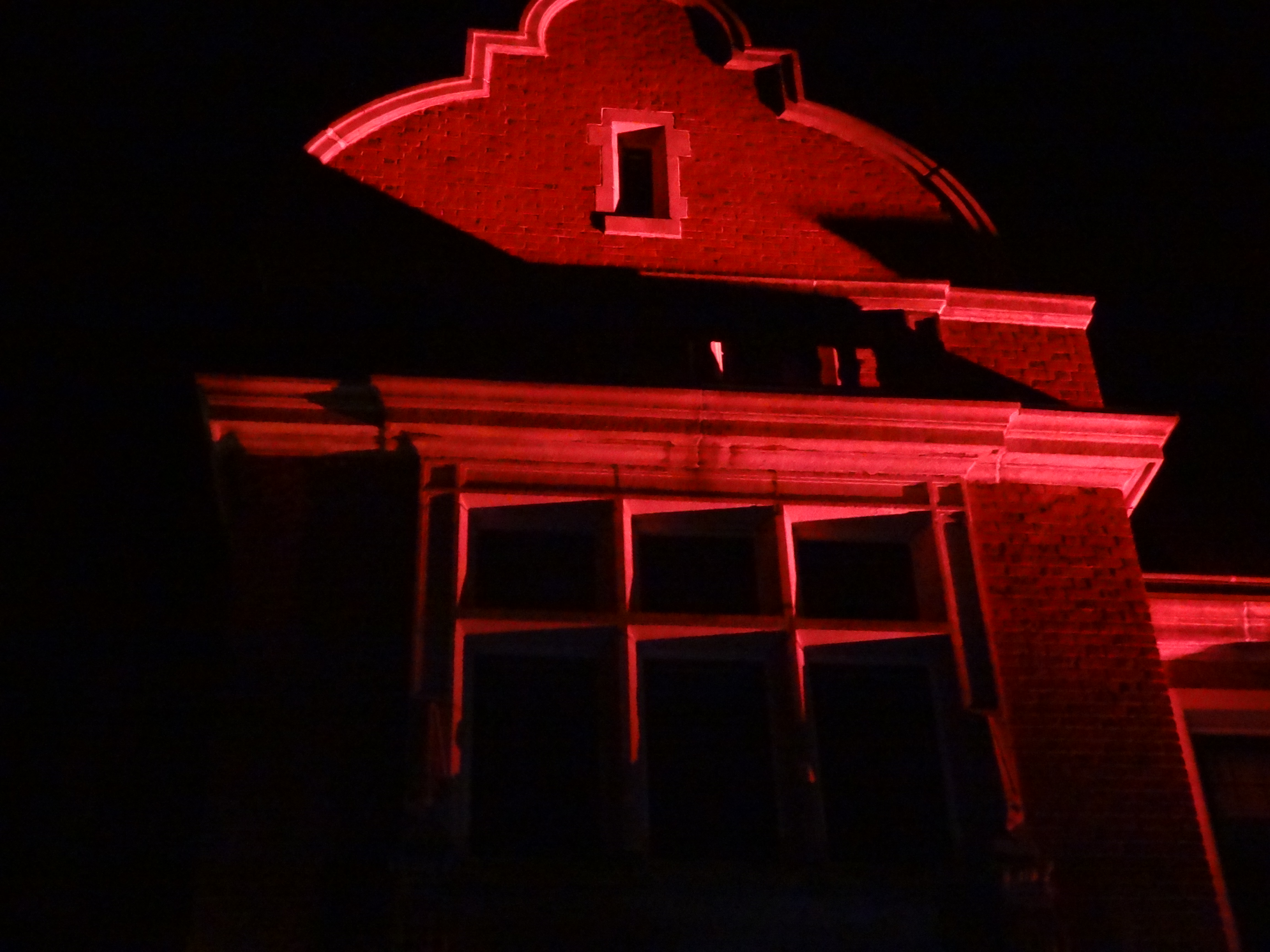
Dozens of volunteers carve what must be hundreds of pumpkins that decorate the grounds of a local mansion on the shores of Lake Superior that is open for public tours. I checked it out last night and brought my camera along. Happy Halloween!

Glensheen Mansion.

Glensheen Mansion.


An eerie blue light illuminates the room where the murder of the last owner occurred in the mansion.

An eerie blue light illuminates the room where the murder occurred of the last owner of the mansion.


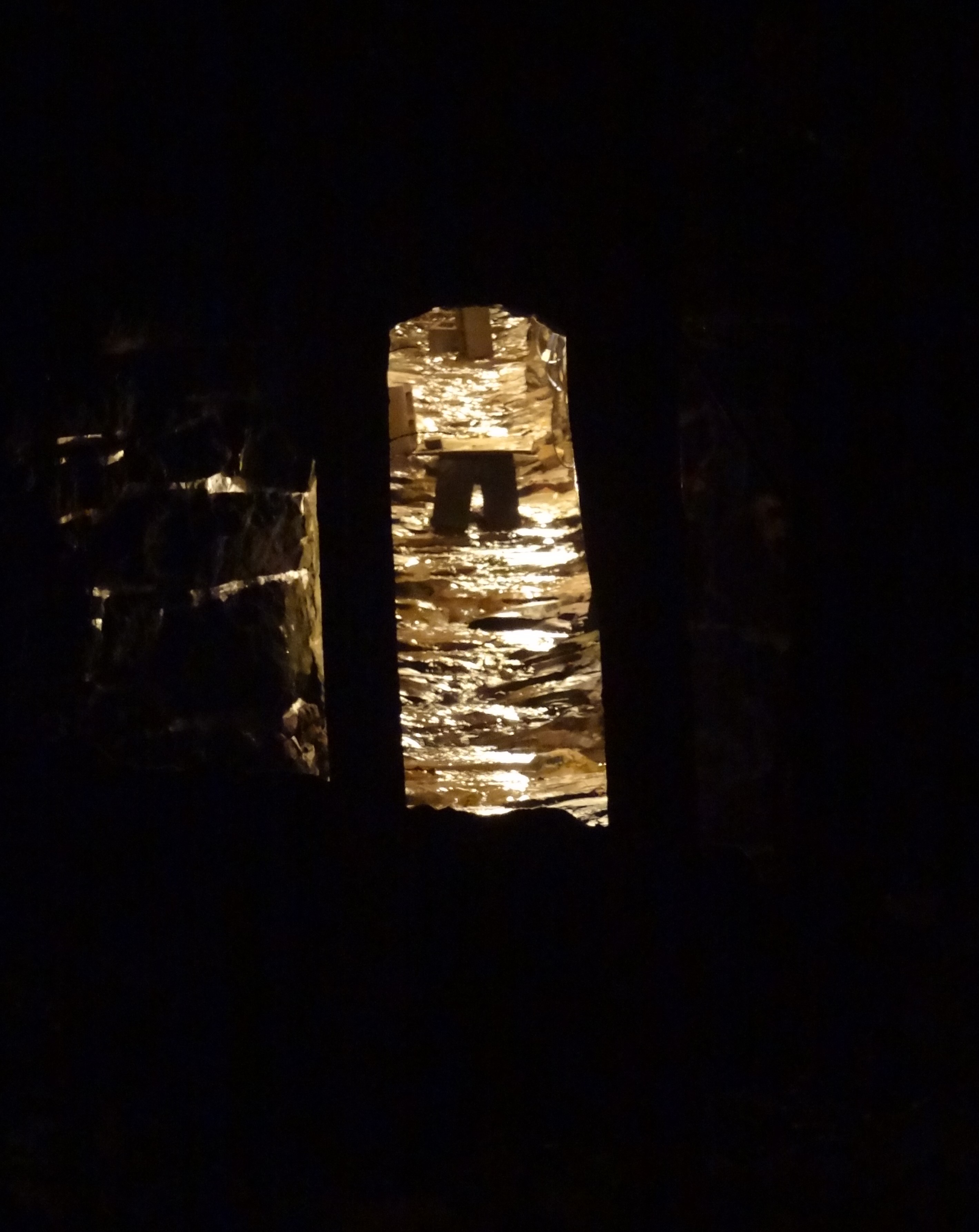
I don't think this was part of the  tour, but I thought it was spooky: looking into a tunnel that runs under the road. Who is the bench for?

I don’t think this was part of the tour, but I thought it was spooky: looking into a tunnel that runs under the road. Who is that bench for?

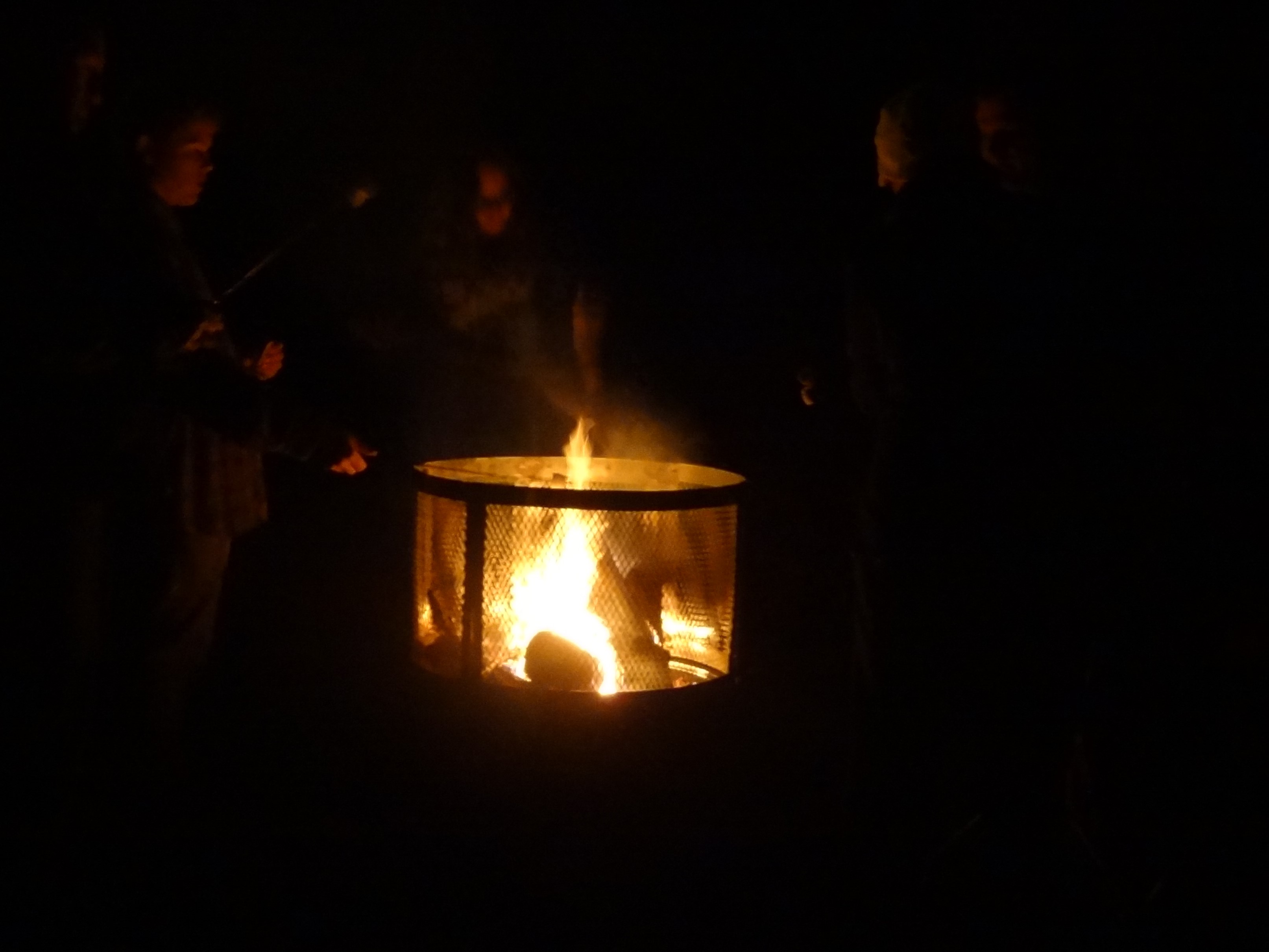
Ghosts making s'mores.

Ghosts making s’mores.

“Zenith City” Offers a Broader Understanding of Duluth

Zenith_City-210“Zenith City” is a collection of stories by former Duluthian Michael Fedo (cousin of former Duluth Mayor John Fedo). The memoir chronicles his time growing up in Duluth, Minn., in the 1950s and 60s.

I enjoyed reading the book. I recognized Fedo’s references to the city’s inferiority complex (which is turning around, now, thank you, with Duluth being named things like Best Outdoors City, etc.), and Fedo’s references to Duluthians’ relationship with their hills, KDAL Radio, dear old Denfeld High, the Flame Restaurant, and the Pickwick.

However, in many instances, Fedo writes about a Duluth with which I am unfamiliar — one where relatives live next door (my parents were the northernmost transplants of their central- and southern-Minnesota families), where the vices and haunts of downtown were nearby (I grew up in more distant Piedmont Heights), and where folk music was popular (I was born about 15 years too late for that).

But that’s all right. The descriptions gave me a better understanding of the place where I live. I especially enjoyed his reminiscences about Don LaFontaine, the famous movie trailer voiceover actor (think, “In a world where….”), his encounter with Louis Armstrong, and with Bob Dylan’s mother. And because of my exposure to this book, I now intend to read “Babbitt” by Sinclair Lewis, who lived in Duluth for a time. (Also because my home economics-major mother once made and served him dinner when she was working in college for a family who entertained him.)

I noticed two punctuation errors: one where closing quotation marks are missing, another where a sentence ends with both a period and a comma. This surprised me since I’ve come to expect better from the University of Minnesota Press. I don’t know if it’s a sign of their quality slipping or of my editorial eye getting sharper with experience.

The only other thing that gave me pause was the repetition among the stories. For instance, we hear that Fedo worked at the local college radio station at least four times throughout, but I suppose this is an artifact of the book being a compilation of stories that were written for other publications. Just be aware it’s not a seamless memoir written in a singular effort.

Earlier this year, I went to an event by Fedo at Duluth Public Library. He read from many of the stories, and afterwards, he and his wife were generous with their time for a discussion with me, a newbie novelist. They were a class act. I highly recommend this book, even to non-Duluthians.

Making Piping Plovers Sexy

My second novel is coming out later this month. I’m happy to unveil the cover for you:

Layout 1

Plover Landing is an ecological-mystical-romance that I wrote for college-age readers and older. What’s an ecological-mystical-romance, you ask? It’s a genre I’d like to think that I created, which deals with endangered species, Native American mythology, and human-human, human-animal romance and connections.

Plover Landing is set in my hometown of Duluth, Minn., in 1995, and it’s a sequel to Eye of the Wolf. Novelists who haven’t been published yet might hate me for what I’m about to admit, but when my publisher suggested a sequel, I wasn’t that enthused. That’s because, between life’s distractions, the first novel took me seventeen years to write, then another couple years to publish.

The thought of doing that all over again was exhausting, although at least I wouldn’t have to spend time looking for a publisher. I was also exhausted from seventeen years of thinking about wolves, which are the animals I focus on in Eye of the Wolf. If I was going to survive a sequel, I needed to focus on a different endangered animal and environmental topic.

It just so happens I was working on a project to restore habitat along the shores of Lake Superior in hopes of encouraging an endangered shorebird to nest. Through that process, I had already learned a lot about piping plovers, so that became the focus of my sequel. Granted, plovers are not as sexy as wolves and they don’t have a handy supernatural being associated with them (like the wolves have werewolves), so I had to ponder how to work the mysticism into it. (But never fear, wolf aficionados, the wolves come into the story at the end.)

My writer’s group joked that I should write about plover zombies, but I did not take them up on that idea. (Smirk) Instead, I researched myths about plovers. While I couldn’t find any local myths, I did find an interesting and sexy Hawaiian myth about plovers, and I discovered a way to use it as the foundation of the story.

Even so, that wasn’t quite supernatural enough, so in addition to the heroine and hero from Eye of the Wolf (Melora St. James and Drew Tamsen), I introduced a new character, a boy named Demetri, who both helps the plovers and focuses readers’ attention on the issue of climate change. I feel strongly that the more integrated that issue is into mainstream media, especially through the use of storytelling, the more people will come to accept it as real.

Because I’d learned ways to encourage myself to write with my first novel, even though I had just as many distractions, Plover Landing only took two-and-a-half years to write. My publisher thinks it’s an even better story than the first and has hinted about the desire for another in the series. I created the ending of Plover Landing with openings for another story or so that it works as a finale. I don’t know. I’ll have to think about that one.

In any case, let the marketing begin! Speaking of which, if any of you are active on Goodreads, I have a giveaway for Plover Landing that’s active until July 15.

The Smelt Parade That Wasn’t

Duluth Smelt Parade

A party of one: the 2014 Duluth Smelt Parade.

An annual Smelt Parade is held in Duluth to welcome the spring run of this tasty silvery little fish. Although the runs are much smaller than they used to be (which is a good thing because smelt are non-native) the fish still serves as a unique celebration of abundance and a cultural reminder that spring is on its way. For the past two years, the parade has been spearheaded by a local puppet troupe. Citizens make costumes and participate in the procession along the shores of Lake Superior, complete with a brass band.

I’ve never attended the parade, so today I committed to going. Wouldn’t you know it, this year the wind, rain and 35-degree-temperatures made it “the parade that wasn’t.” I was hoping to get a lot of fun images to share, but all I got was this single photo of a “parade of one” that happened outside a local arts café where the rag-tag group of parade-goers gathered indoors instead of walking along the shores of Lake Superior.

Oh well. Better luck next year. If you’d like to learn more about smelt, Minnesota Sea Grant offers a great fact sheet.

Minnesota Nice Meets Hollywood (and it isn’t pretty)

HollywoodSign

The minister at my church gave a sermon on “Minnesota Nice” last Sunday. When he read the Wikipedia definition of it, my mouth almost dropped open. (If I wasn’t Minnesotan, my mouth would have dropped ALL the way open.) He was describing a great deal of my personality:

Minnesota nice is the stereotypical behavior of people born and raised in Minnesota to be courteous, reserved, and mild-mannered. The cultural characteristics of Minnesota nice include a polite friendliness, an aversion to confrontation, a tendency toward understatement, a disinclination to make a fuss or stand out, emotional restraint, and self-deprecation. It can also refer to traffic behavior, such as slowing down to allow another driver to enter a lane in front of the other person. . . . Some traits typical of this stereotype are also generally applied to neighboring Wisconsinites and Canadians. Similar attributes are also ascribed to Scandinavians, with whom Minnesotans share much cultural heritage.

I never knew Minnesota nice had its own Wikipedia entry. I’ve read books and watched the movie (“How to Talk Minnesotan”), but I’d never seen the personality type spelled out so clearly before. The minister went on to explain what Scandinavian traditions could have inspired this behavior and how they are rooted in “the good of the group” mentality. In general, people were supposed to work together and not call attention to themselves for the betterment of everyone.

Although not Scandinavian, I am a fifth-generation Minnesotan. The Minnesota nice philosophy has had plenty of time to seep up into my ancestors and me from the soil. It’s been absorbed into my family from neighbors and community. I’ve found I have to work to overcome it in a greater society that values individualism and charisma. Self-deprecation, after all, makes it difficult to find a job, sell a product or attract a mate (unless that mate is also into Minnesota nice and recognizes it for what it is). I’ve also found I measure people from the perspective of Minnesota nice. I mistrust anyone who is too confident or self-promoting. I suspect they do it to cover up insecurities, but it also goes against the code of Minnesota nice.

I and another co-worker once took a news producer from Hollywood on an overnight trip up the North Shore of Lake Superior to the famed Boundary Waters Canoe Area Wilderness to film a spot for “Good Morning America.” That man could talk, and self-promote.

By the next day, when we were driving back to civilization, he could tell he was out of place. He complained that I and my coworker (also a Minnesotan) didn’t talk enough. “Maybe we don’t have anything to say,” was the reply. He didn’t know how to deal with that. We weren’t trying to be mean — we had been worn out by talking over the course of his tour and didn’t know how to relate to his foreign personality type. He gave up after that and we rode along in blissful silence — blissful for us, awkward for him.

Back to the sermon. The point of it was that Minnesota nice isn’t enough. It’s too constricting and confining – allows for too little self-love. There’s got to be a happy medium between self-sacrifice for the good of the group and self-love that promotes a fulfilling life. I’d like to think that I’ve learned this during my life, sometimes the hard way. Although it goes against my nature, I can brag when I have to, and I’ve learned how to appreciate certain traits and aspects of my personality. But I doubt I’ll ever feel comfortable around people like Mr. Hollywood.

To Mine or Not to Mine?

Native copper. Image by Jonathan Zander, Wikimedia.

Native copper. Image by Jonathan Zander, Wikimedia.

That was the question I pondered along with about 1,500 other people and lots of rent-a-cops at a public meeting in Duluth last week. The project up for comments is an open-pit copper-nickel mine (a.k.a. sulfide mine) farther north near Ely, Minn., on the border of the Boundary Waters Canoe Area Wilderness. I have followed the development of this Polymet Corp. project for several (five?) years, trying to learn as much as I can to make informed comments as a concerned member of the community.

True to my blog’s name, this post is going to meander quite a bit as I try to gather my thoughts, so please bear with me. The problem is that copper sulfide mining has never been done successfully (from an environmental standpoint) in the U.S. These mines have a bad track record of long-lasting pollution. Even with all the new technologies the mining company proposes using with it, this mine will require 200-500 years of water treatment once its 20 years of life is over.

I was heartened to see so many people involved in the public meeting. It was well-organized and moderated. As is typical for public meetings about contentious issues, the open house portion of the meeting was designed to divide up the audience. The organizers provided tables staffed by people conversant in different specialties such as air quality, water quality, mercury, and wetlands. I had questions about how the acid-rain producing gasses from the waste rock were going to be handled, and ended up having conversations at four tables. I spoke with a consultant at the water quality table, who referred me for more information to the air quality table. They couldn’t answer my question, so referred me to the Polymet table. I also stopped at the “cultural resources” table (which was really the tribal table) just because I knew the people staffing it.

The public comment period followed, with everyone filling up a huge ballroom of the conference center. Guidelines for giving verbal comments were clearly spelled out in the meeting packet, and speakers (whose names were drawn at random) were given three minutes to say their piece. Groups of mining supporters in the audience sported royal blue round stickers (curiously, the same color as the Polymet staffers’ polo shirts), and environmental supporters wore round green stickers.

The thoughtfulness and thoroughness of people’s comments impressed me, as did the polite applause following each talk, no matter what viewpoint the speaker espoused. I heard that the applause got rowdier as the hours-long comment period progressed, but I had a dog to let out back at home, so I didn’t stay for the whole thing.

This is the mining company’s second try at an Environmental Impact Statement (EIS). The Draft EIS they released in 2009 was deemed inadequate by the state and federal agencies involved, so they issued a Supplemental Draft EIS. This version addresses some water quality concerns and waste tailings disposal issues. It also adds a necessary land exchange with the Superior National Forest, since the mine will impact National Forest lands.

If this EIS gets shot down, I’m not sure if the Polymet Corp. will get another do-over or not. What would that be called, I wonder – an Additional Supplemental Draft EIS? (Grin.)

But I have a feeling that even if the mining companies are required to add more details before the project can begin, they will complain, but they will do it. There’s a lot of money and profit riding on this project. And it’s not just this one mine – several others are in line behind it. The corporations are salivating over this copper-nickel vein, which is one of the richest untapped sources around.

As the Polymet project stands now, the mining company wants to use northern Minnesota as a guinea pig for some new techniques. Call me selfish, but I’d rather they practiced their techniques somewhere else first and proved them effective before using them here. The natural environment in that part of Minnesota is the most precious thing we have. It’s what gives the BWCA Wilderness the status of the most-visited wilderness in the lower 48 states. And this is not your grandpa’s iron ore mine — the type of pollution sulfide mines can produce is orders of magnitude different than the types an iron ore mine can produce, and this mine would be right near the wilderness.

I think that 500 years of maintenance for 20 years of jobs is too steep a price to pay for some copper. I thought it when I first heard about the project, and even with all the research and listening I’ve done that remains unchanged. Yes, I know that copper is vital for the functioning of society. Heck, I’m writing this on a computer, which I assume must have copper in it somewhere. But if we can’t extract copper without having to clean up the pollution from the operation for five centuries afterwards, maybe now is not the right time to be doing it. Maybe we should wait until mining methods improve enough that a legacy of pollution is not what’s left once the project is done.

Although the people I spoke with at the open house tables were all respectful and knowledgeable, I must admit, I trusted the folks at the tribal table the most. They are the ones that have the land and the environment as their number one priority. They are not pulled in as many competing directions as are the agency and corporate staffers.

The tribal comments are contained in Chapter 8 of the Supplemental EIS in a section reserved for “major differences of opinion.” One (of several) issues they raise is that an underground mining operation was not adequately considered. If the operation was kept totally underground, it would eliminate the impact to wetlands and surface waters, and it could limit the sulfide gas (acid-rain-producing) emissions from the site. The tribes argue that underground mining is technically feasible, “leaving only the lack of economic feasibility as the rationale used by the co-lead agencies to eliminate the alternative.”

I found the response by the co-lead agencies about underground mining arrogantly dismissive, and it backs up the tribal complaint: “The co-lead agencies believe that adequate consideration was given to the Underground Mining Alternative prior to eliminating it from further consideration . . . . “ Although they concede that an underground mine would offer “certain environmental benefits,” they contend that the “tonnage/volume and grade (amount of metals) of rock would not generate enough revenue to pay for all the costs associated with underground mining. Therefore, underground mining would not be economically feasible.”

But they offer no numbers. If I was grading this response on a school test paper, I would give it a “D” for “not showing your work.” I guess we’re just supposed to trust them on this. NOT. They also did not do a good job of “showing their work” on the details for the perpetual water treatment system that would need to be put into place.

Would Polymet find a way to make an underground mine feasible if that was the only alternative? I suspect so. If this copper mine is going to happen now with the technologies we have, this is the only alternative I would support, but this EIS gives no adequate justification for not taking that route other than “it costs too much.” I fear it will cost society and the environment too much if we don’t pursue an underground mine. Please, Minnesota Dept. of Natural Resources, send Polymet back to the drawing board!

Beware: X-C Ski Starvation Can Lead to Impaired Judgment

DSC00738

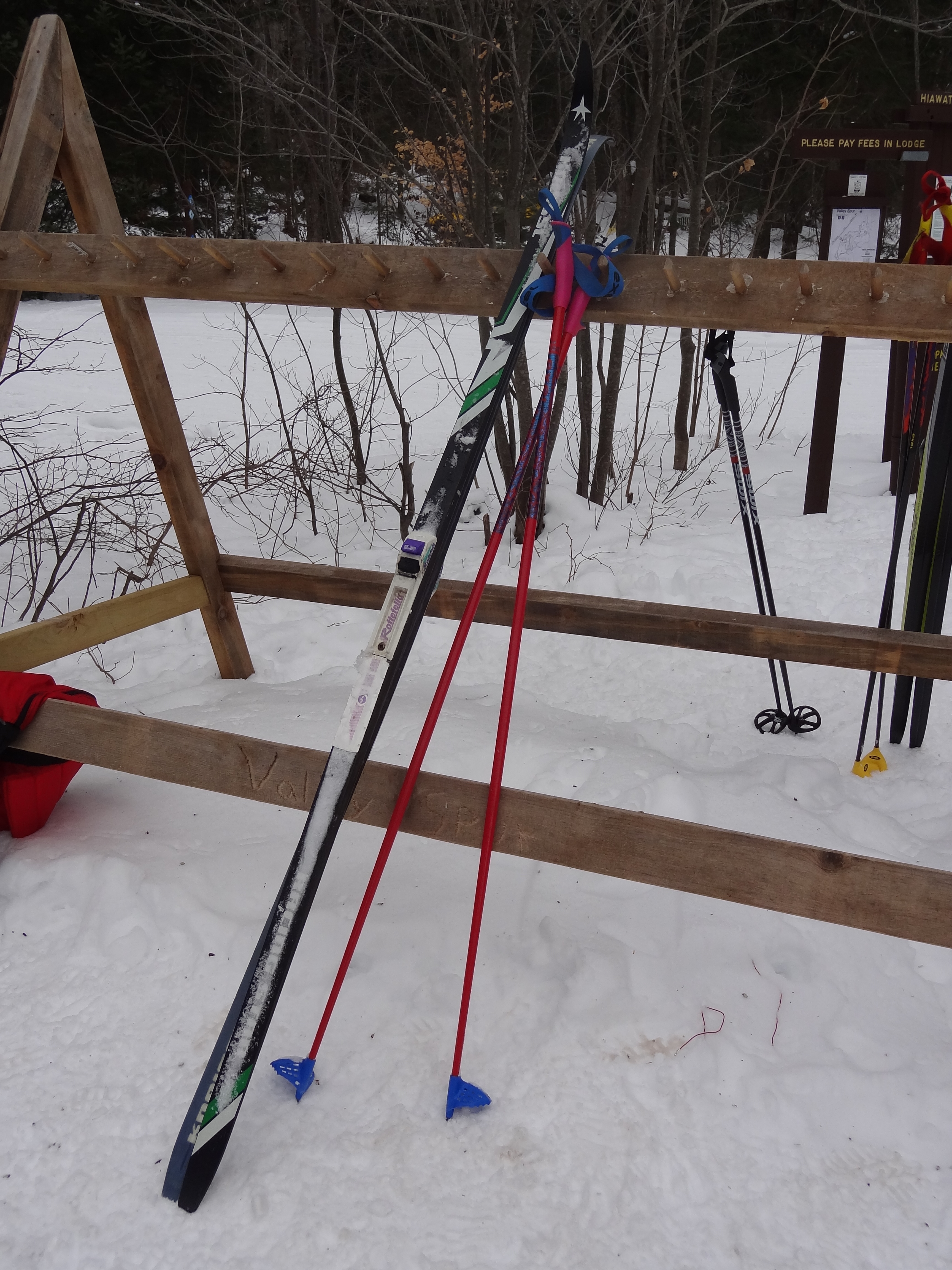
I went cross-country skiing for the first time this season today. All the stars aligned this morning and pointed me in the direction of my favorite trail in the neighborhood where I grew up. I left my teenage son and his sleepover friend with some cinnamon rolls in the oven, waxed my skis, and took off in the car for the trail. I wanted to go alone because usually, my first seasonal ski is not pretty. There’s wheezing and fumbling, and it takes a while to work out the kinks and get back into the rhythm.

A few blocks from my house, I noticed sprinkles of rain on the windshield. Rain? It’s 25 degrees, how can it be raining? Come to think of it, the weather man said something about warmer air traveling over the snow and causing a chance for fog this weekend. I hoped it would just stay a misty sprinkle, because rain wreaks proverbial havoc on x-c ski trails.

As I continued driving, the rain gradually increased from a sprinkle to scattered rain drops. This is the point where a sensible person would have turned around and gone home. I was not sensible, however. I was cross-country ski starved.

For weeks, the beautiful snow had been beckoning, but other commitments caused me to ignore the beckoning. Our recent sub-zero temps also made my fingers not too keen on outdoor activities, especially after my snowblowing frostbite incident. But I love skiing. I grew up with it and desperately needed to do something to raise my heart rate above 70 bpm after falling into winter slothfulness.

So I kept going. When I arrived at the trailhead, I was heartened to see two other vehicles parked in the lot. I’m not the only crazy one. Plus, another car pulled in right behind me. A couple of snowshoers got out of one car, deflating my sense of joint craziness just a bit. Snowshoeing is much more sensible in this weather than skiing, after all. But it was re-inflated when another skier got out and started carrying her equipment to the trailhead. All right! A fellow crazy person.

I unloaded my skis and walked over to where she was putting on her skis. She had white hair and looked about ten years older than me — old enough to have much better judgment. We discussed the bad conditions but both agreed we wanted to try skiing anyway. I tested the conditions with one ski and quickly realized I needed to put on softer wax. As I was doing that, the lady skied down the trail but quickly returned, explaining her wax was not going to work in these conditions. I offered her the use of mine, but she declined, saying it was too slippery. She was going to give up and go home.

So maybe I am the only crazy one. Undaunted, I put on my skis and took off. It was slippery – I had to duck walk up the smallest of inclines. But I did have enough kick to get into a good rhythm on the flats. I snowplowed down the hills until I felt safe enough to get into the icy track for a slick ride down. I saw one other person going the opposite way and we both grinned at each other like ski-idiots.

I skied far enough to feel winded. When I returned to my car, it was coated in a layer of ice, and the rain had become heavier. No mistaking it for a sprinkle, now. I pried open the door and headed home. On the way, my car skated through one red light (at a thankfully empty intersection). I passed two cars that had crashed into snowbanks, and everyone was crawling along at half-speed.

But I survived and made it home. I can say I finally went skiing . . . and lived to tell about it.

Marie Versus the Post Office

Mailbox In The Snow

Mailbox In The Snow (Photo credit: slgckgc)

I’ll cut to the chase, the post office wins. But let me tell you the (long) story.

Earlier this month, my neighborhood received the second-largest snowfall in local recorded history: 28 inches over two+ days. My new snowblower came in extremely handy – I am so happy to have it. But they do have their limits.

Most northerners know that snow clearing is a two-part process. You first clear the snow that nature provides, then you clear the giant five-foot snow wall that the city snowplow provides at the end of your driveway. Now, I’m not complaining. Plowed streets are important, and snow walls are just an inconvenient by-product of having passable streets.

You can try leaving the wall, but unless you drive a Hummer that can break through it, that doesn’t work so well. And if your vehicle does manage to break through it, a large speed bump or ramp is created at the end of your driveway, which tends to launch one skyward upon exit for the rest of the winter. (I know, I’ve done that.)

So after the storm, I cleared my driveway (several times), and the snow wall. That left the mailbox, which sits on a post at the edge of my property facing the street. Only the top of the box was peeking out of the aforementioned snow plow wall. I was too tired to clear it that day, so I left it until the next day. Most northerners know that the cold comes after a snowfall. I know this, too, but my faith in my new snowblower was complete. I thought it could tackle anything.

Apparently, it can’t tackle a five-foot snow plow wall that has cemented together overnight in sub-zero temperatures. After a vain attempt with the snowblower, I tackled it with a plastic shovel. Ha. Silly me.

After another day to regroup, and with no mail delivery because the mailman couldn’t drive his truck directly up to my mailbox, I got the bright idea to use a metal shovel. I have a garden spade, so I attacked the wall on a 20-below-with-windchill day. I managed to clear ten feet in from the road to the box, and about five feet up to the bottom of the mail box. Fifty square feet of clearing snow cement was enough for me. Although I knew the mailman probably couldn’t fit his truck in there, surely, he could tell a clearing attempt had been made and he could take three steps out of his truck to reach my box and deliver my mail. I had Christmas cards to send, so I plopped them in the box and put up the flag.

NOT. Those Christmas cards stayed in their lonely box for two days. I gave up and dropped them in a postbox at a local grocery store. Then, the next day, mail somehow made its way into my box. Much rejoicing ensued. But it was short-lived because it stopped after that. A few days later, I made a foray to the local post office to see if I could collect my mail there, and they informed me that my mail is handled by a more distant post office. So I drove there and told the female clerk my problem. I was pleasant enough, but I made it clear that there was no way I could clear any more of the cement snow than I already had.

After leaving me standing at the counter for ten minutes, she came back with a pile of mail and began sorting through it, taking out only the mail in my name. I let her know that mail for three other people comes to my house (my roommate’s mail and my parents’ mail). The clerk chewed me out for not telling her that in the first place, saying something like I’m lucky she brought all the mail to the counter; otherwise she would have had to go back wherever she had been for ten minutes to get the rest. I explained to her that I am not familiar with the process, but besides, what’s the big deal? She had the mail right there. She was chewing me out over something that didn’t happen.

The clerk did not appreciate my astute observation. She wouldn’t give me the other people’s mail even though the clerk working next to her said I could have it. I then told her I had power-of-attorney for my parents, so that she needed to at least give me their mail. So she did, but she wouldn’t give me my roommate’s mail. She said my roommate would have to come there in person and pick it up.

After exposure to the postal clerk’s nasty attitude, I returned home swearing war on the postal service, and to never bust my butt to clear any more snow in front of my mailbox. Ever.

My roommate has no car, so the next day I drove her to the distant post office. This clerk, who was much more reasonable, said there was no mail for us – it must be out on the truck for another delivery attempt. So we went home, empty-handed. Did we get mail delivered that day? No.

The next day (today), I’m lying in my cozy bed on a Sunday morning, hazily coming to consciousness, when I hear a snowplow go by. You know what that means, another snow wall. I rise and pull on my snowpants and jacket over my pajamas, and decide to have at it with the snowblower before the wall has a chance to settle into cement. The thermometer says 13 below, but the wind says it’s more like 36 below.

The plow wall is only about two feet high this time. My snowblower is handling it fine, but my hands are getting cold, despite two pairs of gloves covering them. I contemplate stopping and going back in the house to warm them, but that would mean driving the snowblower at least 30 feet back to my garage so I could plug it in to restart it. That seems like too much extra work, and I’m on a roll, so I just bang my hands together to encourage blood flow and keep working.

I clear my driveway, then I look at the mailbox. The plow has pushed enough cement, er . . snow, out of the way that a person could actually clear a truck-sized spot in front of the mailbox if they had the inclination.

Conceding defeat in my war with the postal service, I decide to go for it. Using a combination of the garden spade and the snowblower, I clear what darned well better be a large enough space for the mailman’s #$$%%$#& truck. My hands are getting numb, but they still function on the controls, so I just swing them around to get the blood flowing and keep going.

After 45 minutes outside, I go back inside, feeling pleased with the accomplishment — that is, until my fingers start warming up and I take off my gloves. Now, I’m no stranger to cold hands. I don’t know if it has to do with the metal controls on the blower, but this is a new kind of cold.

The tip of my middle finger on my left hand is white. If digits could scream, each one would be emitting a high shrill as the blood starts circulating again. I walk around the mudroom, bare hands in the air, breathing like I’m in a Lamaze Class. My dog is so concerned, he starts howling. Eventually, my wobbly legs suggest that I sit down. The pain is so intense, if I had eaten breakfast that morning, it would have been all over the floor. I put my head between my knees, hands still raised to slow the blood and the pain, and try not to faint.

This pain is only rivaled by the feeling of my son’s head repeatedly jamming into my inner hip during his trip down the birth canal several years ago. The dog calms down, the white tip of my finger turns pink. My hands function well enough for me to remove my boots and outer clothing.

I go lay on the couch in my pajamas, my face white as a wall of newly plowed snow, but at least the postman has no excuse now not to deliver the mail.