Laskainen – An Enduring Finnish Phenomenon

Laskiainen Festival wear, in both camo and fluorescent orange. Perfect for deer hunting.

Laskiainen Festival wear, in both camo and fluorescent orange. Perfect for deer hunting.

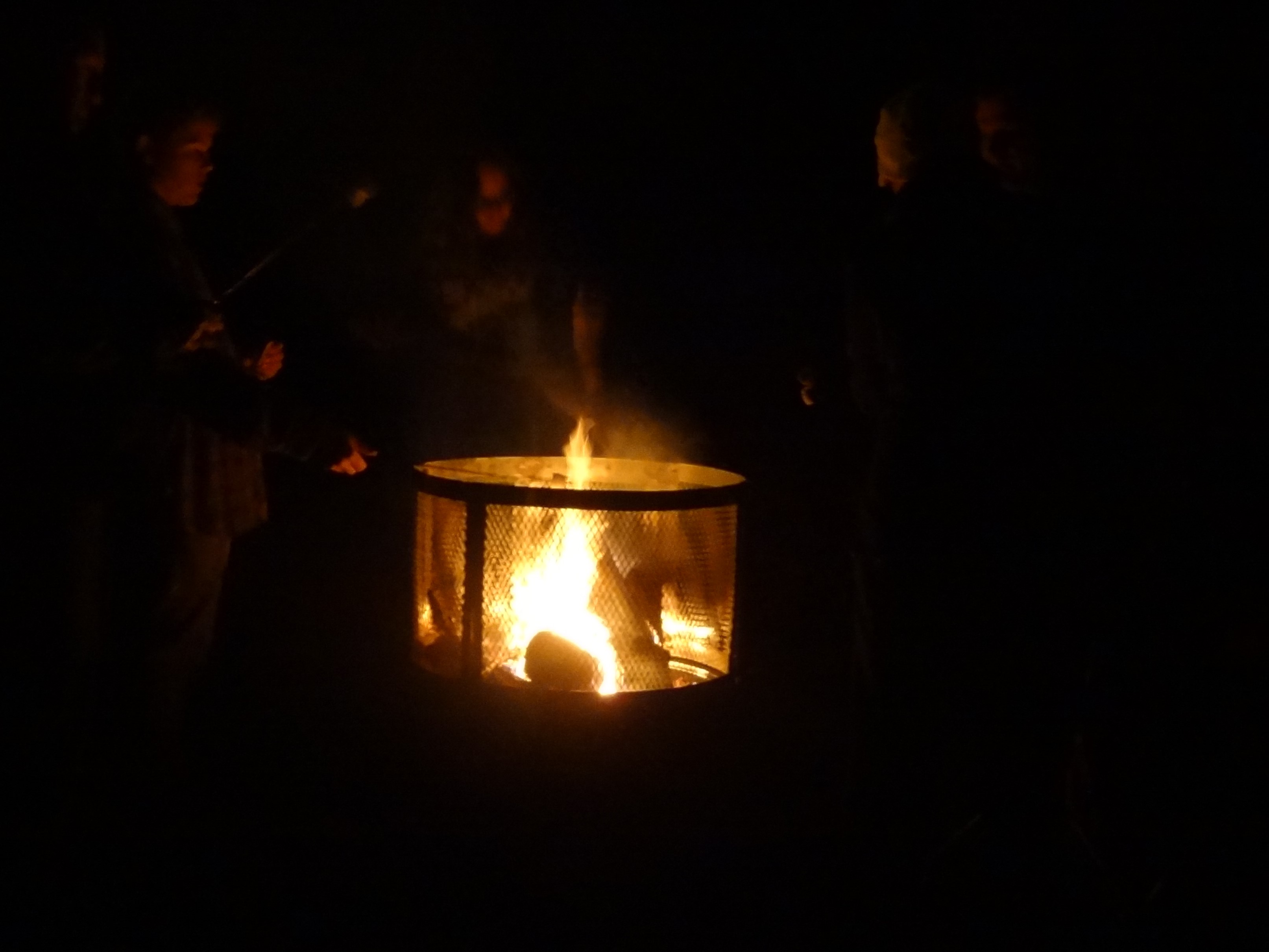
Last weekend I meandered a desolate, snow-blown road about an hour north to attend the cultural phenomenon known as the Laskiainen Sliding Festival in Palo, Minn. It’s the 78th year for this event, which celebrates all things Finnish. I sold my novels at a table. I had such a good time when I was invited to sell books there a few years ago that I went back.

Laskiainen is a bring-your-own-sled experience that is held at a community center on the shores of a lake. It provides the perfect place for thousands of Fins from far and wide to slide down the hill in the back of the center onto the lake ice. The farther one slides, the taller one’s flax will grow next summer, or so the story goes.

No Finnish festival is complete without Art, the accordion guy.

No Finnish festival is complete without Art, the accordion guy.

Inside the center are rooms filled with vendors, food providers, and a Finnish museum. I got into the event late, so my table was out in a hallway, but it was great for people watching. Rosy-cheeked cherubic children in snowmobile suits passed by along with a plethora of adults, dressed mainly in camouflage (pink camo for the ladies), plaid, fur hats, fur trooper hats, plaid trooper hats, and Carhartt gear (a brand of heavy cotton work clothes). There were even several plaid snowmobile suits. A few people passed my table wearing North Face jackets, but you just know they were visiting relatives.

My table was next to some folks who sold furniture (rustic benches and tables) made of cedar, ash, and other heavenly smelling wood. I sold a few books and had lots of conversations with people who live in the forest and hadn’t talked to anyone in a week, maybe two. An elderly yet sprightly lady from a Finnish newspaper booth a few tables down spoke Finnish-English to me for about half an hour, and we did our best to communicate — about what, I’m still not entirely sure, but she did seem to like the cover of my “Eye of the Wolf” novel, which sports – you guessed it – an eye of a wolf.

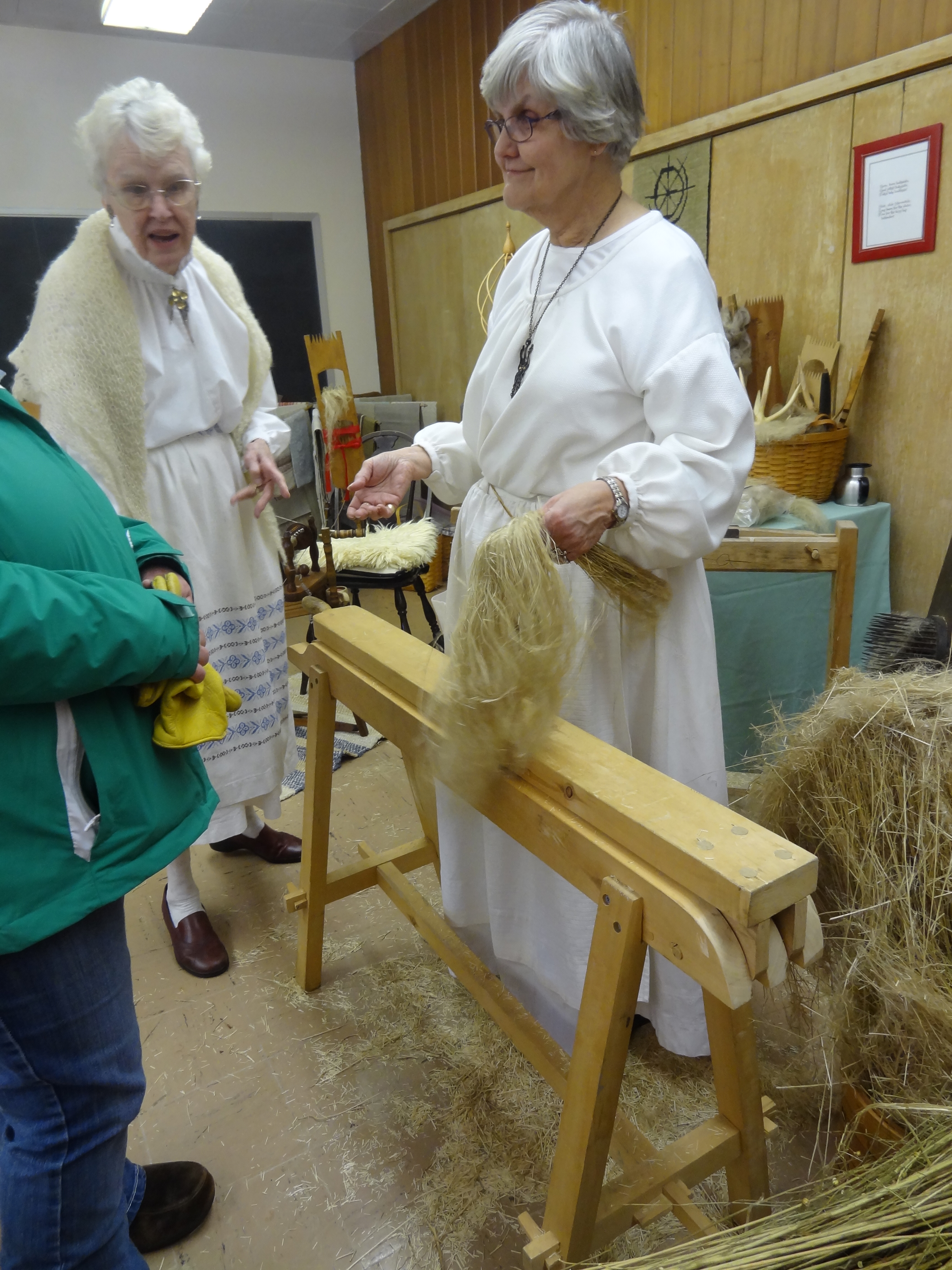
The weavers of the flax.

The weavers of the flax.

Talk about Minnesota Nice – it was the type of event where a vendor can leave their table for a potty break and not worry about anyone stealing their wares; an event where the organizers write vendors thank you notes for attending and don’t ask for any payment; where old friends meet and high school classmates reconnect.

The event organizers assure me it is the longest-running Finnish festival in America. May it run (or in this case, slide) for many more. And may their flax grow tall.

The princess of sliding (one of several).

The princess of sliding (one of several).

A Spirited Reflection of One Watershed

SignDuluth, Minn., has a new attraction for tourists and residents alike. What is it? Gin!

Vikre Distillery opened this year in Canal Park, right next to the famed aerial lift bridge. It’s one of several local brewing operations new to town due to the lowering of licensing fees. But it’s the only gin distillery. I recently had the chance to sample their spirits and take a tour courtesy of Caleb Wendel, the distillery’s sales manager. Plus I talked to the co-founder/CEO/distiller, Joel Vikre, a few months ago at a public event. So here’s what I know.

Joel was living in Boston when he and his wife got the idea to open a distillery in Duluth. After all, the area has all the requirements: good water, peat, and a source of grain. Nine months later, his family moved to Duluth and his dream became reality.
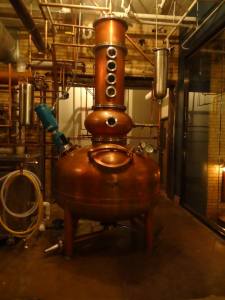
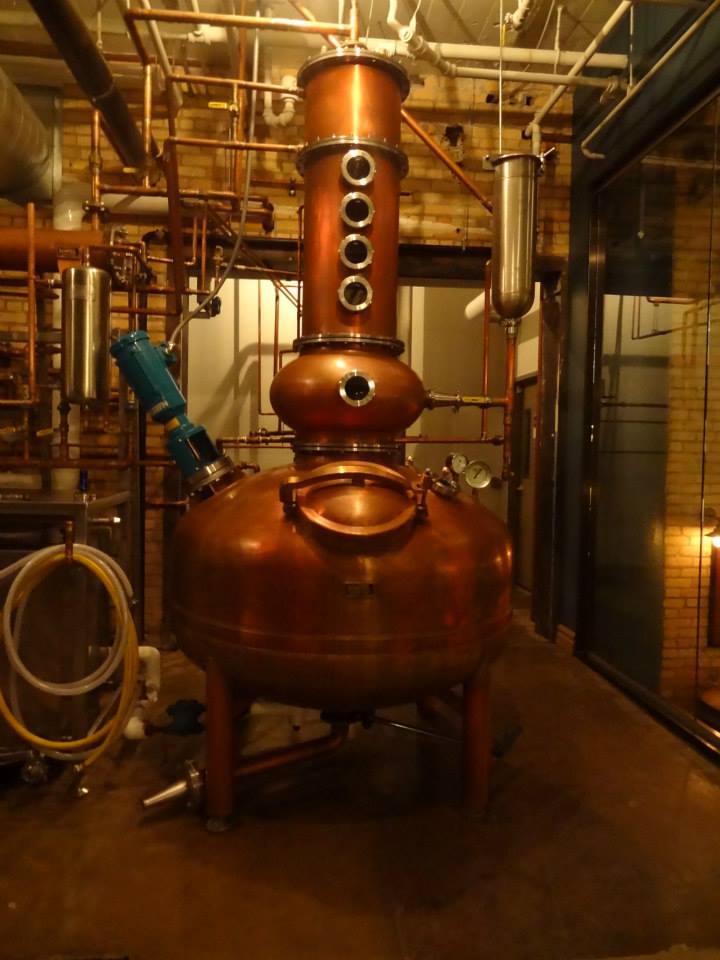
One of the stills.

One of the stills.

Vikre (pronounced veek-ruh) Distillery markets its gin as “A Spirited Reflection of One Watershed.” Producing each bottle takes seven gallons of Lake Superior water combined with barley and various botanicals. Joel explained that, unlike in some distillery operations, no reverse osmosis is required with Duluth water. They just run it through a charcoal filter.

“It’s impossible to overstate the importance of water for our business,” Joel said. “We live in one of the great distillery locations in the world.”

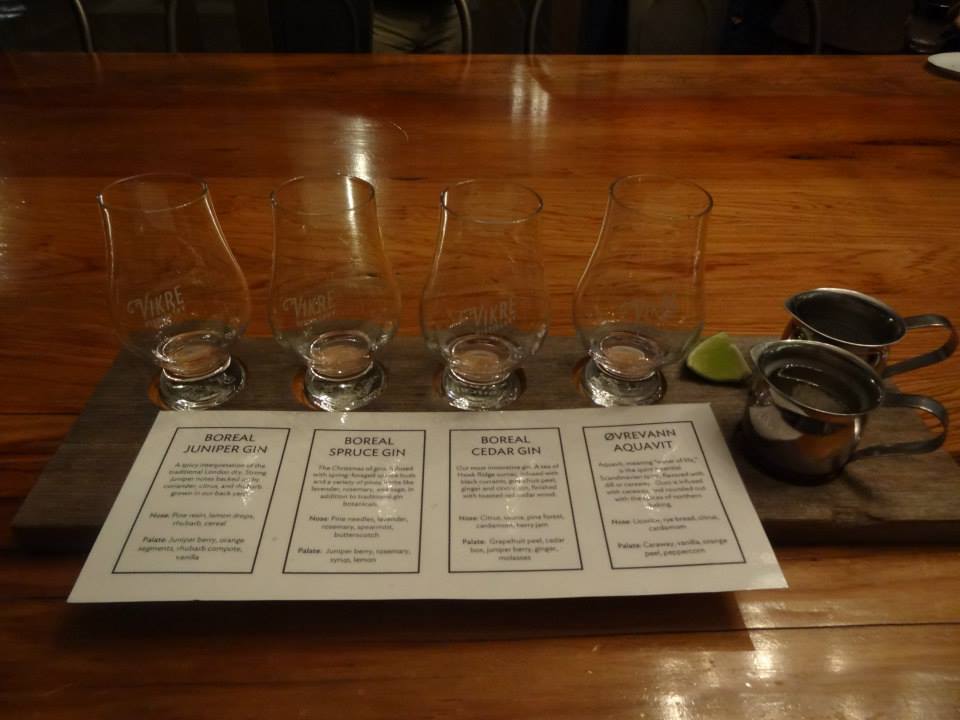
A flight of gin.

A flight of gin.

Caleb said their gin is about 90 proof and that it comes in three flavors: the traditional juniper (made with organic juniper berries from a supplier plus a few local ones thrown in for good measure), spruce (made from soft new spruce buds that sprout in spring), and cedar. They also produce aquavit (Mikael Blomkvist’s favorite drink in “The Girl with the Dragon Tattoo” book series), which is flavored with caraway.

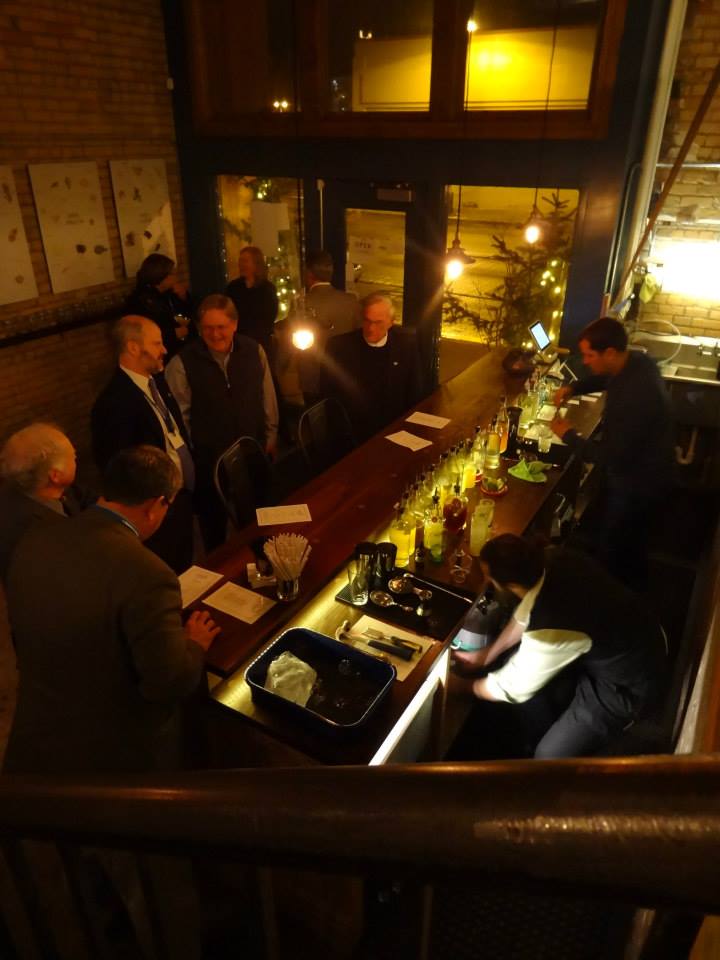
The bar at the distillery offers a flight so that you can sample each one. The glasses are presented on a rustic wooden platter along with two small metal pitchers of tonic and soda, and a slice of lime. Unless I heard him wrong, the bartender told me to taste first, then smell the gin, which is different from how one samples wine. But after my first try, I saw (or smelled) why. Gin tastes much better than it smells! If a person smelled it first, they are likely to get scared off by the turpentine-y aroma. Perhaps there’s some more sophisticated reason, but that’s my impression.
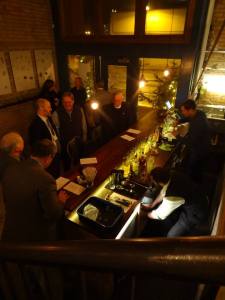
The bar.

The bar.

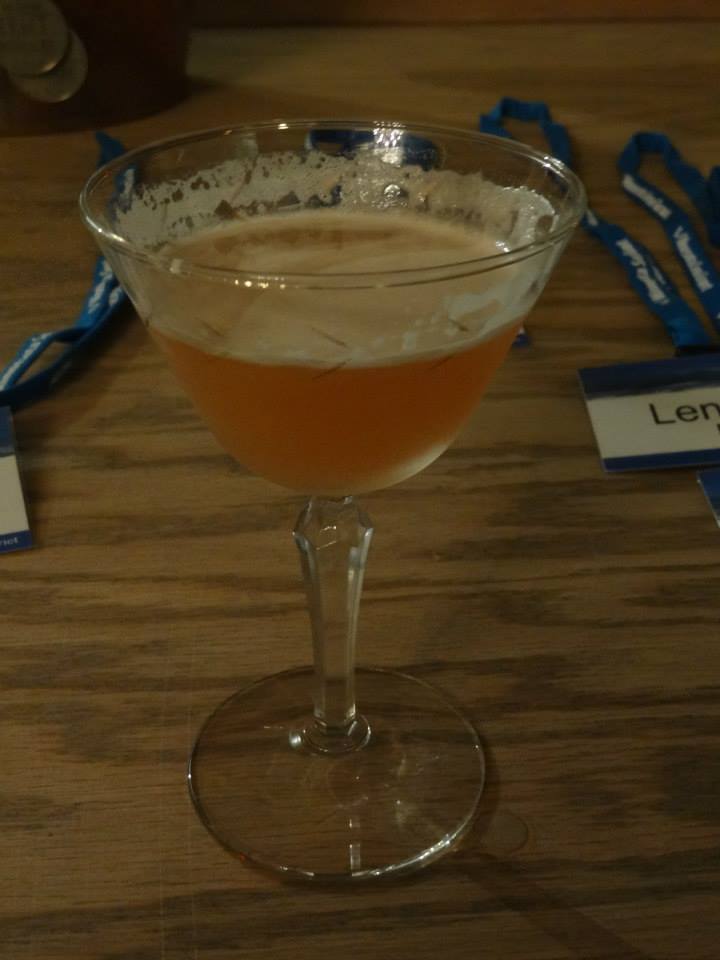
I’m more of a wine and hard cider drinker. In fact, I don’t think I’ve had gin since my college days. But this was good. With its woodsy flavors, my favorite was the juniper gin. The bar also offers mixed drinks made from their products. Because I liked the name, I tried a “Lumbersexual,” which was made of aquavit, orange liquer, lingonberry syrup and lemon.

OMG! It was so good; Nordic and not too sweet, but not too sour, either. The bad news is you can’t buy bottles of their gin at the distillery. Caleb says this is due to distributor laws, but that their products are available “everywhere” locally. I quizzed him about the small liquor store by my house, and sure enough, he said they carried it (which I confirmed later through a purchase). Almost all of their distribution is in Minnesota, but if you look at the handy-dandy map on their website, you will see they also distribute in San Francisco. And Caleb tells me they just received their Wisconsin sales license, so watch for it there.

At $30 per bottle, their gin is not cheap. But it’s worth it knowing where it comes from and to support a local enterprise.
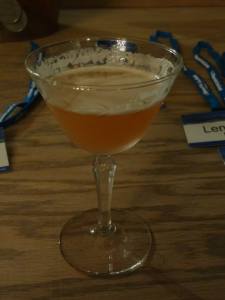
A Lumbersexual.

A Lumbersexual.

Caleb says that whiskey is on the horizon for the distillery. It’s in process now and will be coming not-so-soon (it’s better that way). They also hope to sell their own tonic someday. And for you corn-intolerant people, it’s made with cane sugar, not corn syrup. They do offer a cane-sugar tonic for sale that’s made by a different company, however, along with glasses and other gin-drinking paraphernalia, including clothing.

If you’d like to visit Vikre, be sure to check their website for hours. They are open on a limited basis in winter. The distillery is located in the Paulucci Building. There’s no sign for it on the outside of the building at this point. Look for the sidewalk easel sign instead.

The Ears and Doors of Yale

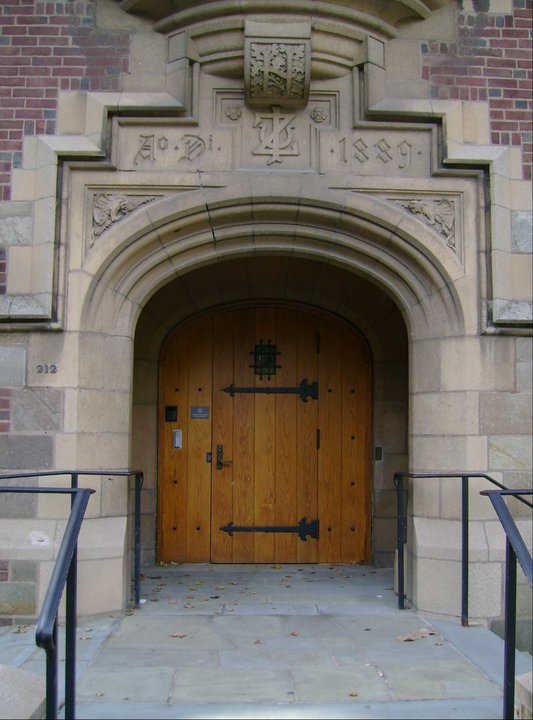
An interesting carving in an archway at Yale.

An interesting carving in an archway at Yale.

I have a navy blue sweat jacket with white letters emblazoned across the chest that spell out “YALE.” Ivy League paraphernalia are not common in northern Minnesota, so I get sideways looks when I wear it. It’s also not common to “brag” in this manner about going to an Ivy League school. When someone is curious or brave enough to ask if I went to Yale, I delight in saying, “Yes! . . . But only for three days.”

Door1You see, I went to a science writers conference there a few years back and couldn’t resist buying the jacket. I wear it when I’m in the mood for a social joke, or when I’m cold (which happens quite often).

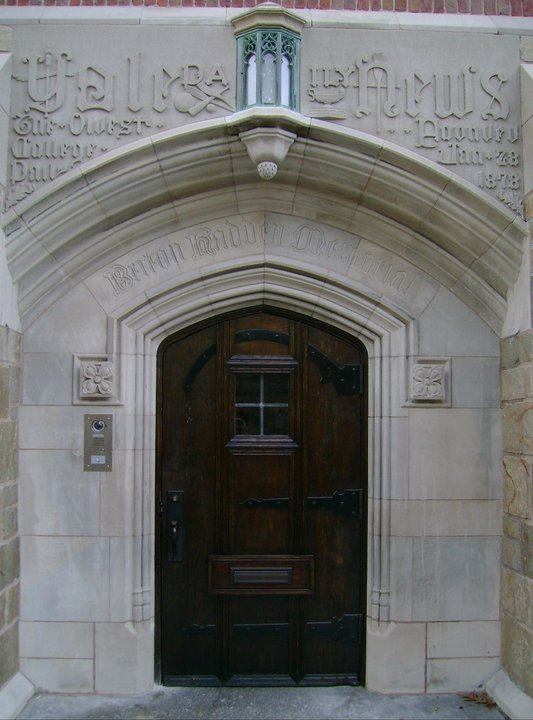
The wording over the door says "Yale News." A door for journalists.

The wording over the door says “Yale News.” A door for journalists.

Anywho, I thought I’d share with you some photos of my Yale meanderings. I have this thing for doors, and Yale has some great ones. It also has some great ears. If you ever get the chance to walk the campus in New Haven, Conn., look for these!

The dining hall door. Note the cooked poultry above it.

The dining hall door. Note the cooked poultry above it.

Door2Door3

Two Poets in the Cereal Aisle

Image from Pulpconnection.

Image from Pulpconnection.

I attended a reading last night by Duluth’s Poet Laureate Jim Johnson. (Yes, Duluth sports its own official poet.) Superior writer Tony Bukoski also read from his essays. It was hosted by Holy Cow Press – a local publisher that’s been in business for 37 years. Both Jim and Tony write from their ethnic roots (Finnish and Polish, respectively), providing for many laughs and some sighs. Topics included accordions, cows, gravel roads, railroads, and tractors. No saunas, though. Maybe next time.

The reading inspired me to uncover a poem that’s been incubating within me for several years. The reading must have made me think about local poets. Hot off the brain press – enjoy!

Two Poets in the Cereal Aisle

He stands, head bowed toward boxes
on the Captain Crunch shelf.
Bearded and barrel-chested,
if Hemingway had been a poet,
this is him.
The local Old Man and the Sea
is in my grocery store.

I slide over
pushing my cart softly, carefully.
Not wanting to disturb.
Will I see in his next book
a poem about golden wheat?
About waves and ships?
Short men in blue uniforms with
shiny gold buttons, and wearing
large hats?

Eyes still closed,
he reaches out his hand,
steadies himself against the shelf —
inspiration rocking and
pulling him
away from shore.

©2014 Marie Zhuikov

Challenge: Describe Your Community in One Word

Duluth city lights as seen from the water at night.

Duluth city lights as seen from the water at night.

In a short chapter in Elizabeth Gilbert’s Eat, Pray, Love, (Chapter 33) Gilbert and her friend discuss how every city and its inhabitants can be defined in a single word, and that each community is different. For instance, their word for New York City was ACHIEVE. Their word for Stockholm, Sweden, was CONFORM. For Naples, Italy, it was FIGHT.

During a lunch outing a few years ago, my girlfriend and I decided that the word REMOTE fit our city of Duluth, Minn., not only for geography but for the people. Duluth is often the butt of jokes from the rest of civilization as being at the end of the world. This since it is so far north, and it serves as the end of the line (or beginning?) for highways, railroads, and shipping routes. If traveling north, we are a last bastion of goods and services before one reaches our friends in Canada.

As for the people, although we are “Minnesota Nice,” we can be hard to get to know. Some of us have lived here for several generations and we have our own cliques – like in the state of Maine, there are those from “here” and those from “away.” And you’re not really from “here” unless your grandparents were born here.

The harshness of the long winter can also make Duluthians seem remote – it’s too damn cold to shoot the breeze when you meet someone on the sidewalk, or we’re too tired from shoveling snow to have energy to socialize. It can take time for new residents to break through and find connections.

Imagine my interest when I saw an article, “Remote Minnesota: Where is the most far-away spot in Minnesota?” in the latest Minnesota Conservation Volunteer magazine (produced by the Minnesota Department of Natural Resources). The author describes his quest to find the most remote and primitive spots in the state. He defined remote as a place farthest from any type of road, including Forest Service roads and private driveways.

Of course, with so many roads and driveways, it wasn’t Duluth. With the help of a Geographic Information System specialist, the author finds the spot on the shores of Knife Lake in the Boundary Waters Canoe Area Wilderness in northern Minnesota — twelve miles from a road.

The most primitive spot in the state is the bog country north of Red Lake. The author and his wife visited both places and described their experience. They found these wild spots “places where our imaginations can simmer.”

Now that the most-remote place in the state is official and it’s not Duluth, maybe I should change the defining word for the city. Also, several years have passed since my girlfriend and I defined it, and in the meantime, Duluth has earned national accolades, such as “Best Outdoors City” to live in. Not to mention all the microbreweries popping up everywhere. Perhaps we are getting too hip for REMOTE.

Duluthians, what do you think our defining word should be now? Readers outside of Duluth, what word would you use to define your community? I’d be interested to hear!

The Christmas City of the North Parade: Socially Sanctioned Child Abuse or Festive Community Event?

Huddled masses watch the Christmas City of the North Parade.

Huddled masses watch the Christmas City of the North Parade.

It only took me fifty years to figure out how to stay warm while watching Duluth’s local winter parade in person. One could watch it on the television and stay warm, but that doesn’t count. I needed to watch the parade in-person because my son was marching in it for the first time as part of the high school band. This Northland rite of passage requires parental attendance. I did so for my oldest son, thus for my youngest, too.

It’s almost always below freezing for the parade, which challenges both marchers and spectators. I marched in the parade myself for at least four years for various school bands, and due to this, have little love for it. I recall the numbness of cold appendages, frozen valves on my French horn (which my boyfriend thought could be solved by pushing down hard on all the keys, thus breaking the strings and rendering the instrument tuneless) miserable school bus rides to and from the staging area, and the pain of thawing fingers and toes. (This was before the time of hand warmers.)

But we band rats didn’t have it as bad as the cheerleaders. Back then, before someone got wise and invented flesh-colored thermal tights, they danced in short skirts and skimpy nylons. I am half serious when I say that I thought then and still think now that the Christmas City of the North Parade, far from being an event that brings the community together, is just a case of socially sanctioned child abuse.

Truly, most of the participants are children — from dance schools, high schools, and community groups. Only in Duluth does it seem like a good idea to make our progeny travel a mile-and-a-half down a frozen road, performing for our amusement and joy. Even the television anchors from the station sponsoring the event stay indoors now, much to the disgust of the hardy spectators.

Pleasant parade memories aside, this year, I did it right. The parade route changed so that it passed several eating establishments. I met some friends (thanks Charlotte and Katie!) at an arts café over an hour before the parade began. That way there was still plenty of parking (found a nearby free spot on my first try) and ample time to eat before the parade. I had eaten at home, so I just drank some wine.

Wine! Silly me. Why had I never thought of combining alcohol with parade watching before? The beverage filled me with warmth and goodwill toward this thinly veiled community child abuse event.

Our kids are in there somewhere . . . .

Our kids are in there somewhere . . . .

When the parade started, we stood outside on the curb, waving to the passing floats, facing the cold wind blowing down the street. When we got chilled, we went inside the café lobby and watched the event on television and through the café windows, which fronted the street. All of us had sons in the same band, so once we saw the band approaching on the television, we worked our way to the curb to see it pass by in person, and to wave vigorously to our sons.

Then I headed for my car. Why stay and watch the whole event if I didn’t have to? As I passed the café windows, I noticed an empty table in a prime parade viewing spot. I thought, “Next year, that’s where I will sit.” Although my son will be in the parade then, too, since his maiden voyage is over, I can get by with even more comfortable viewing arrangements in the future. Just look for me and my friends at the center table, sipping our wine and staying warm, while the rest of the world marches by.

Something Pumpkin-y This Way Comes

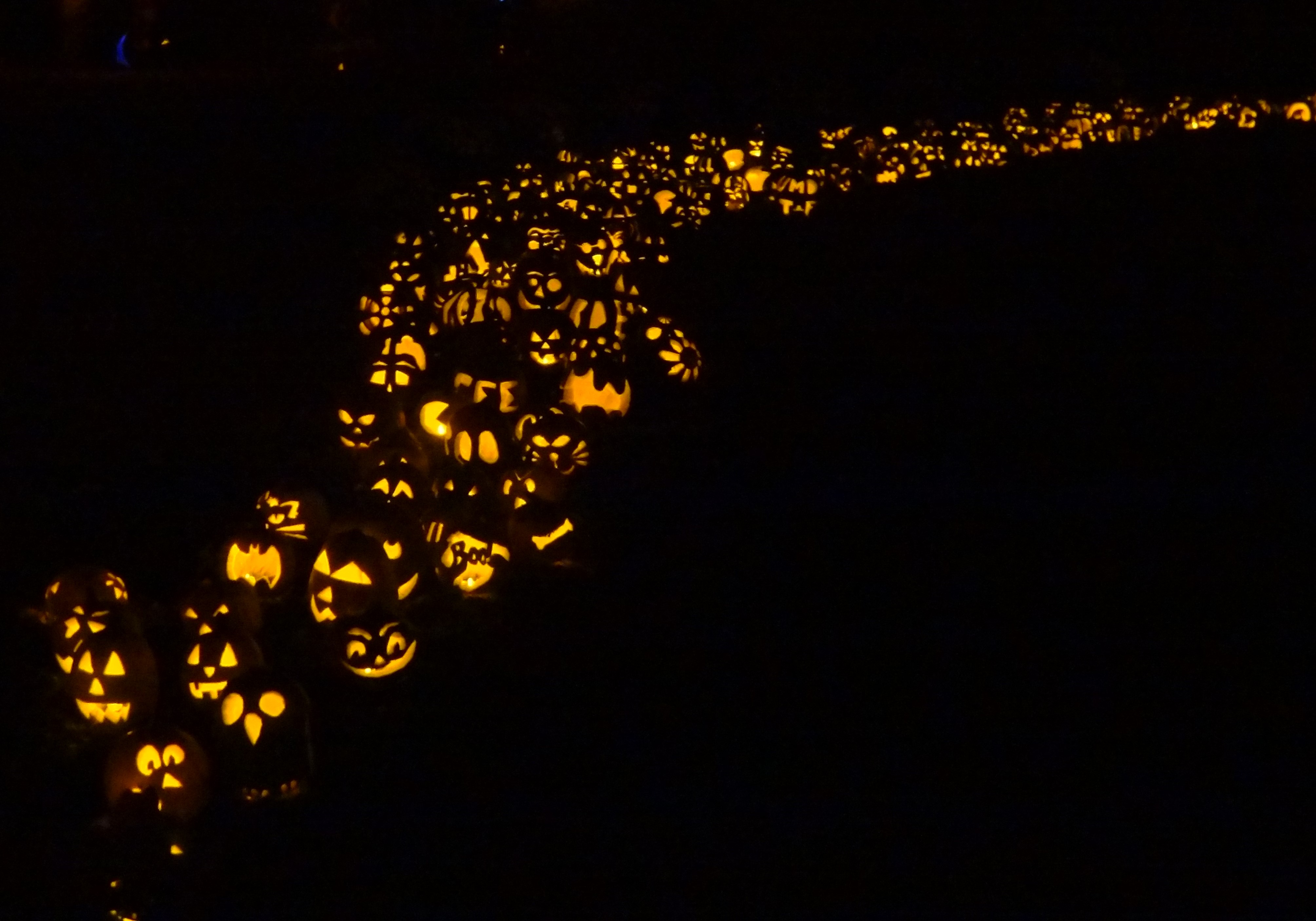
A river of jack-o-lanterns on the grounds of Glensheen Mansion in Duluth, MN.

A river of jack-o-lanterns on the grounds of Glensheen Mansion in Duluth, MN.

Dozens of volunteers carve what must be hundreds of pumpkins that decorate the grounds of a local mansion on the shores of Lake Superior that is open for public tours. I checked it out last night and brought my camera along. Happy Halloween!

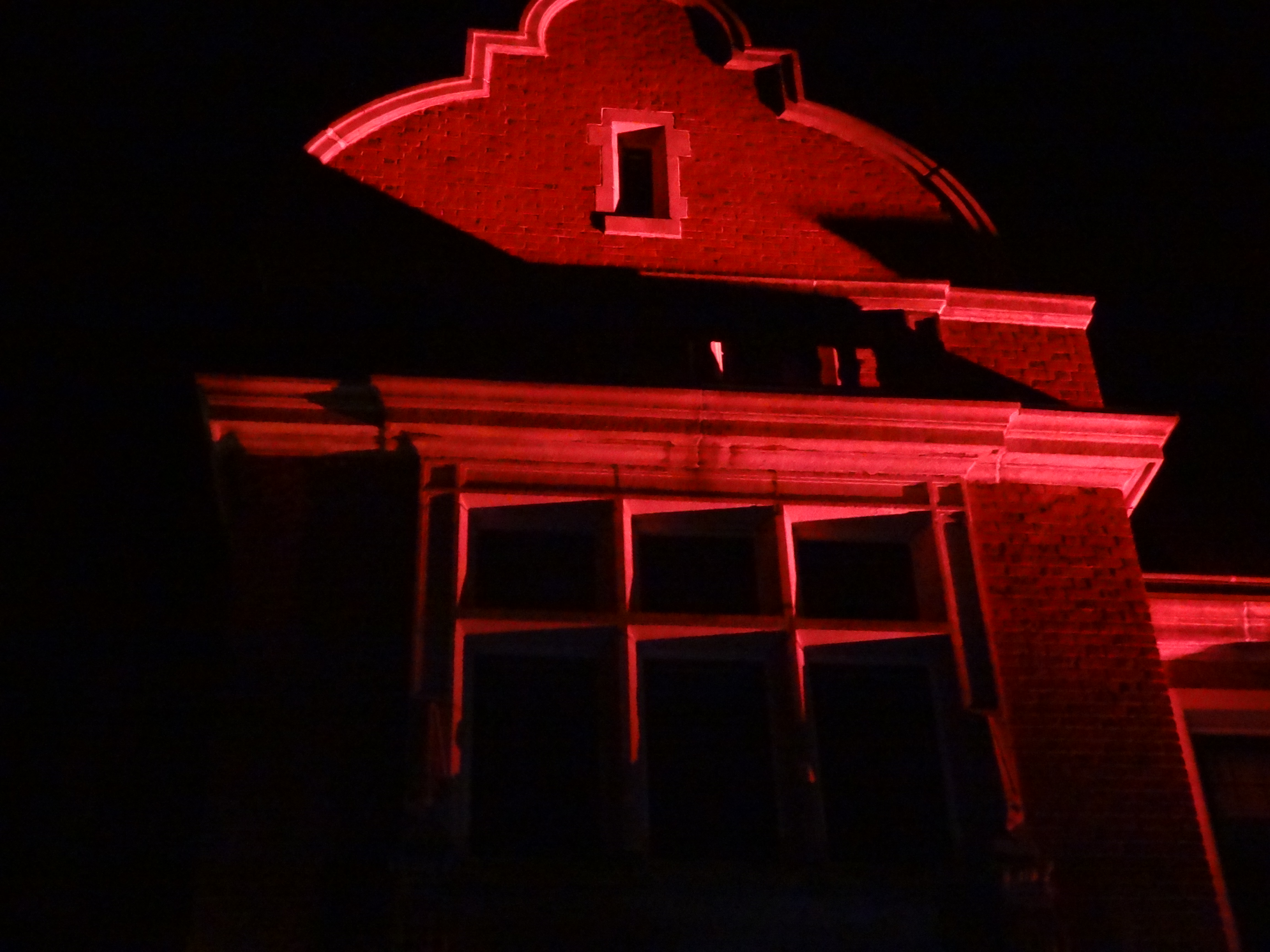
Glensheen Mansion.

Glensheen Mansion.


An eerie blue light illuminates the room where the murder of the last owner occurred in the mansion.

An eerie blue light illuminates the room where the murder occurred of the last owner of the mansion.


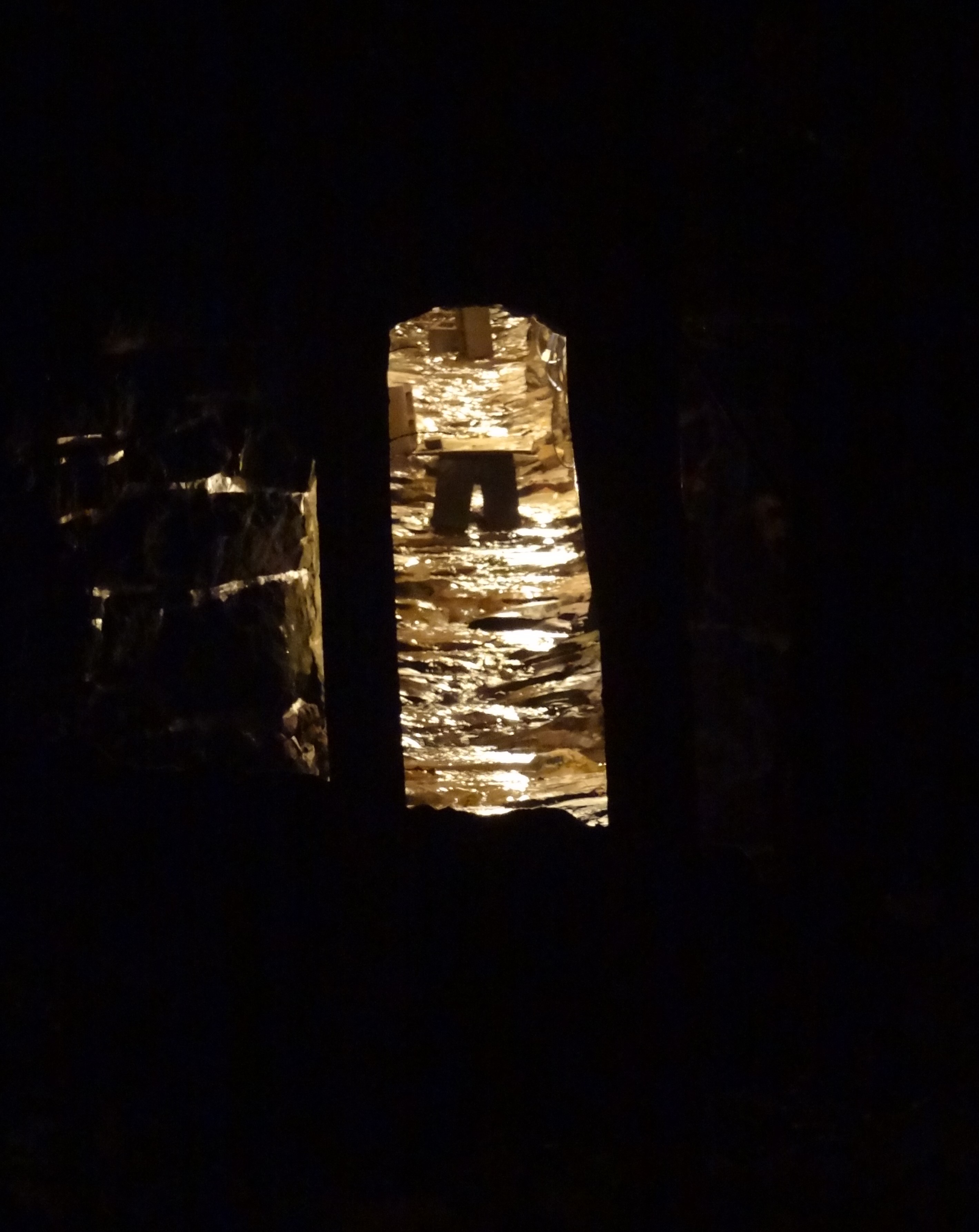
I don't think this was part of the  tour, but I thought it was spooky: looking into a tunnel that runs under the road. Who is the bench for?

I don’t think this was part of the tour, but I thought it was spooky: looking into a tunnel that runs under the road. Who is that bench for?

Ghosts making s'mores.

Ghosts making s’mores.

“Zenith City” Offers a Broader Understanding of Duluth

Zenith_City-210“Zenith City” is a collection of stories by former Duluthian Michael Fedo (cousin of former Duluth Mayor John Fedo). The memoir chronicles his time growing up in Duluth, Minn., in the 1950s and 60s.

I enjoyed reading the book. I recognized Fedo’s references to the city’s inferiority complex (which is turning around, now, thank you, with Duluth being named things like Best Outdoors City, etc.), and Fedo’s references to Duluthians’ relationship with their hills, KDAL Radio, dear old Denfeld High, the Flame Restaurant, and the Pickwick.

However, in many instances, Fedo writes about a Duluth with which I am unfamiliar — one where relatives live next door (my parents were the northernmost transplants of their central- and southern-Minnesota families), where the vices and haunts of downtown were nearby (I grew up in more distant Piedmont Heights), and where folk music was popular (I was born about 15 years too late for that).

But that’s all right. The descriptions gave me a better understanding of the place where I live. I especially enjoyed his reminiscences about Don LaFontaine, the famous movie trailer voiceover actor (think, “In a world where….”), his encounter with Louis Armstrong, and with Bob Dylan’s mother. And because of my exposure to this book, I now intend to read “Babbitt” by Sinclair Lewis, who lived in Duluth for a time. (Also because my home economics-major mother once made and served him dinner when she was working in college for a family who entertained him.)

I noticed two punctuation errors: one where closing quotation marks are missing, another where a sentence ends with both a period and a comma. This surprised me since I’ve come to expect better from the University of Minnesota Press. I don’t know if it’s a sign of their quality slipping or of my editorial eye getting sharper with experience.

The only other thing that gave me pause was the repetition among the stories. For instance, we hear that Fedo worked at the local college radio station at least four times throughout, but I suppose this is an artifact of the book being a compilation of stories that were written for other publications. Just be aware it’s not a seamless memoir written in a singular effort.

Earlier this year, I went to an event by Fedo at Duluth Public Library. He read from many of the stories, and afterwards, he and his wife were generous with their time for a discussion with me, a newbie novelist. They were a class act. I highly recommend this book, even to non-Duluthians.

Making Piping Plovers Sexy

My second novel is coming out later this month. I’m happy to unveil the cover for you:

Layout 1

Plover Landing is an ecological-mystical-romance that I wrote for college-age readers and older. What’s an ecological-mystical-romance, you ask? It’s a genre I’d like to think that I created, which deals with endangered species, Native American mythology, and human-human, human-animal romance and connections.

Plover Landing is set in my hometown of Duluth, Minn., in 1995, and it’s a sequel to Eye of the Wolf. Novelists who haven’t been published yet might hate me for what I’m about to admit, but when my publisher suggested a sequel, I wasn’t that enthused. That’s because, between life’s distractions, the first novel took me seventeen years to write, then another couple years to publish.

The thought of doing that all over again was exhausting, although at least I wouldn’t have to spend time looking for a publisher. I was also exhausted from seventeen years of thinking about wolves, which are the animals I focus on in Eye of the Wolf. If I was going to survive a sequel, I needed to focus on a different endangered animal and environmental topic.

It just so happens I was working on a project to restore habitat along the shores of Lake Superior in hopes of encouraging an endangered shorebird to nest. Through that process, I had already learned a lot about piping plovers, so that became the focus of my sequel. Granted, plovers are not as sexy as wolves and they don’t have a handy supernatural being associated with them (like the wolves have werewolves), so I had to ponder how to work the mysticism into it. (But never fear, wolf aficionados, the wolves come into the story at the end.)

My writer’s group joked that I should write about plover zombies, but I did not take them up on that idea. (Smirk) Instead, I researched myths about plovers. While I couldn’t find any local myths, I did find an interesting and sexy Hawaiian myth about plovers, and I discovered a way to use it as the foundation of the story.

Even so, that wasn’t quite supernatural enough, so in addition to the heroine and hero from Eye of the Wolf (Melora St. James and Drew Tamsen), I introduced a new character, a boy named Demetri, who both helps the plovers and focuses readers’ attention on the issue of climate change. I feel strongly that the more integrated that issue is into mainstream media, especially through the use of storytelling, the more people will come to accept it as real.

Because I’d learned ways to encourage myself to write with my first novel, even though I had just as many distractions, Plover Landing only took two-and-a-half years to write. My publisher thinks it’s an even better story than the first and has hinted about the desire for another in the series. I created the ending of Plover Landing with openings for another story or so that it works as a finale. I don’t know. I’ll have to think about that one.

In any case, let the marketing begin! Speaking of which, if any of you are active on Goodreads, I have a giveaway for Plover Landing that’s active until July 15.

The Smelt Parade That Wasn’t

Duluth Smelt Parade

A party of one: the 2014 Duluth Smelt Parade.

An annual Smelt Parade is held in Duluth to welcome the spring run of this tasty silvery little fish. Although the runs are much smaller than they used to be (which is a good thing because smelt are non-native) the fish still serves as a unique celebration of abundance and a cultural reminder that spring is on its way. For the past two years, the parade has been spearheaded by a local puppet troupe. Citizens make costumes and participate in the procession along the shores of Lake Superior, complete with a brass band.

I’ve never attended the parade, so today I committed to going. Wouldn’t you know it, this year the wind, rain and 35-degree-temperatures made it “the parade that wasn’t.” I was hoping to get a lot of fun images to share, but all I got was this single photo of a “parade of one” that happened outside a local arts café where the rag-tag group of parade-goers gathered indoors instead of walking along the shores of Lake Superior.

Oh well. Better luck next year. If you’d like to learn more about smelt, Minnesota Sea Grant offers a great fact sheet.