Lingering in Lanesboro

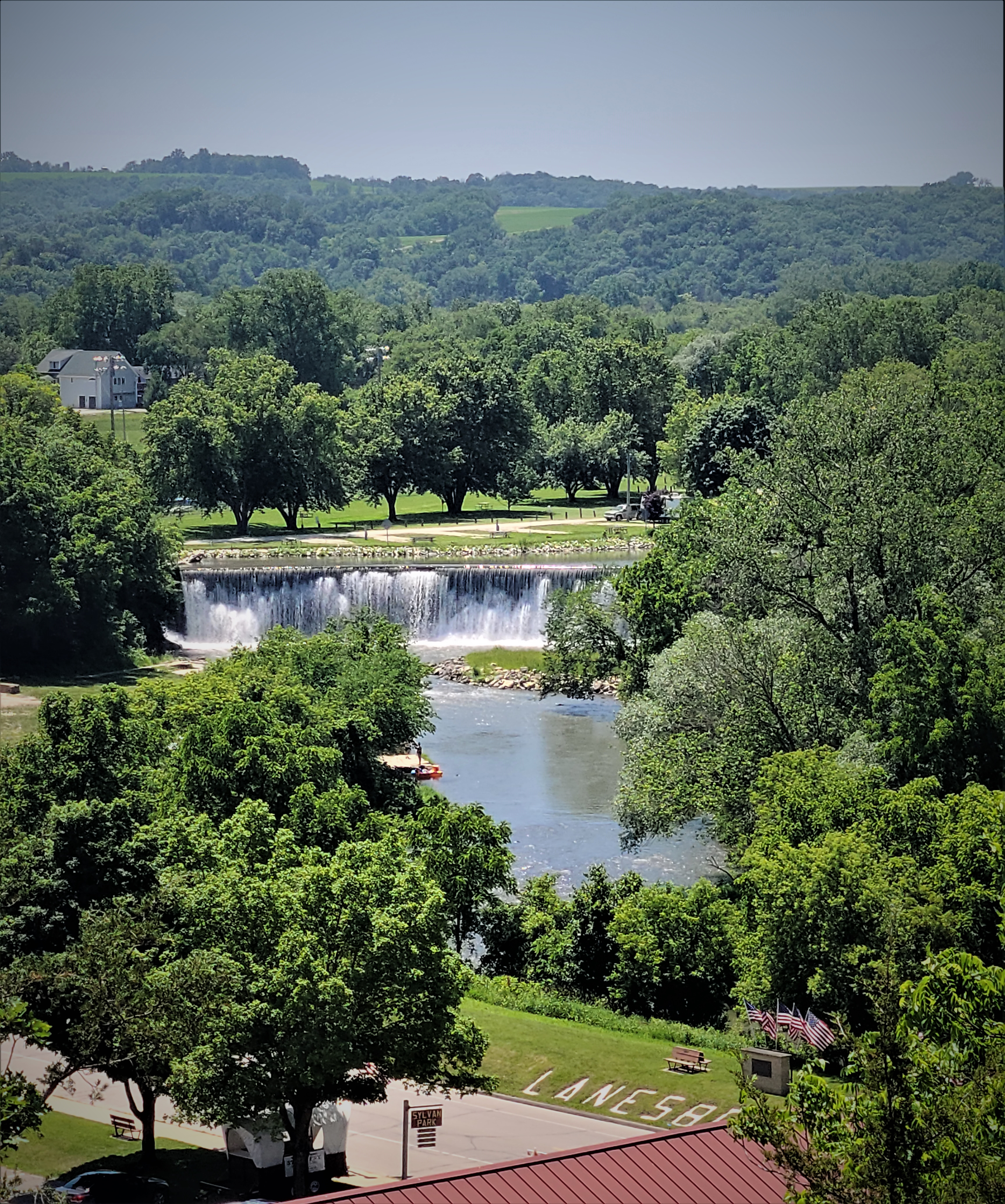
The town of Lanesboro, MN, as viewed from the hill in town.

Russ and I meandered with our Scamp trailer to Lanesboro, Minnesota, a small town not far from the Iowa border. I almost lived in Lanesboro, once, back when I was working for Mayo Clinic, which is a bit north of it. (But then Duluth and the call of Lake Superior won out and my family stayed in Duluth.)

Lanesboro is set in a limestone valley cut by the Root River. It hosts live theater, art galleries, and museums — as if all the creative people from the surrounding flat farmland tumbled into the valley and decided to stay. Had I lived there, I’m sure I would have felt at home. As it is, at least I get to visit it occasionally.

What attracted us weren’t the numerous bed and breakfast inns (Lanesboro is known as Minnesota’s Bed and Breakfast Capitol) or the rhubarb (also known as Minnesota’s Rhubarb Capitol), but Lanesboro’s bike trail.

The Root River Bike Trail runs right through the community. The forty-two-mile-long trail saved this little town from becoming a ghost of itself over thirty years ago when the trail was built by the state on an abandoned railroad bed.

We Scamped just outside of town at the Eagle Cliff Campground. As we drove to the campground in the evening, fireflies were out in full force, lighting up the roadside ditches and the forest edges. When we arrived, the campground hosts moved us to an upgraded site (pull-through with full hook-ups to water/electric/sewer) at no extra cost because a family reunion was going on in the site next to the one we originally signed up for. With that, we could already tell it was a well-run facility and the rest of our trip confirmed that good first impression.

That first night, we ate a quick and simple meal of scrambled eggs and Spam. In case you’re not aware, the home of Spam (a ground pork canned meat product) is not far away from Lanesboro, in Austin, Minnesota. We like to use it when camping because it’s tasty and easy. Since we were so close to its birthplace, we had to make sure we brought it along on this particular trip. Someday, I’d love to go to the Spam Museum, but we didn’t have time on this trip.

We stayed at the campground for four nights. Our first day, we bicycled from the town of Whalen to Peterson. Access to the Root River trail in Whalen was available via a short bike ride through the campground and down the quiet local highway. It was twenty miles from the campground to Peterson and back.

The Root River Bike Trail

One thing I love about the Root River Trail is that it’s well shaded. Trees line most of it, providing welcome relief, especially when temps were in the 80s like they were for us. The trail is also in good shape. Hardly any potholes or tree root bumps were to be found. The trail follows the river and is relatively flat. Quaint farms and cornfields line the parts that aren’t forested. Yet another thing I like is that the trail is free to use, unlike some of the trails Russ and I bike up north.

A variety of birds flitted across in front of us or called from the trees. We saw orioles and cardinals, heard catbirds, cowbirds and house wrens. At our campground, a pair of eagles were nesting nearby, and we watched black vultures circle around the bluffs that surround the valley. We also heard a rooster or two as we biked past farmsteads.

The area must have had a good amount of rain this season – everything was green and smelled verdant – like a newly mowed lawn.

A barn seen along the trail.

A note of caution: wild parsnip plants line the trail – you don’t want to come in contact with those. I also found out the hard way that stinging nettles can be found along the trail. My legs got a brief dose while I was taking the photo of the barn found in this post. Dedicated photographer that I am, I stood in them just long enough to get the photo. My legs stung, but not for long. The movement of biking and the fact that I wasn’t in the nettles long helped, I think. I just gritted my teeth and ignored the pain!

When we reached Peterson, we rested at a picnic table set up for bikers in town. We took the requisite tourist photos next to the town’s large welcome sign gnome. As we rehydrated, we were treated to the sight of a man driving a motorcycle with his German shepherd in the sidecar. They drove past us twice before we decided it was time to bike back to our campground.
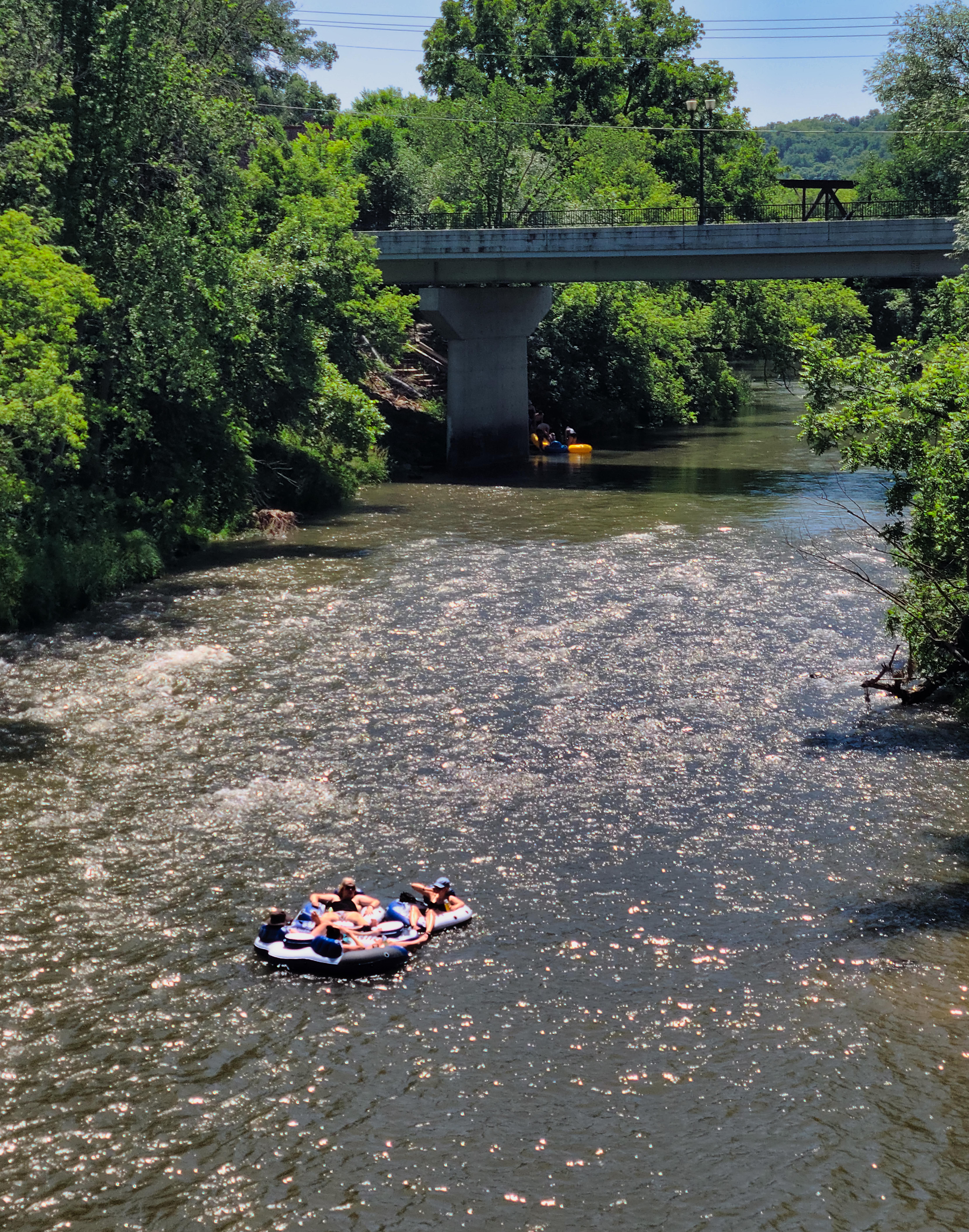
Tubers on the Root River

The temperatures climbed into the 90s the next two days, so we opted for cooler forms of entertainment. One day, we visited Niagara Cave in Harmony, Minnesota, about fifteen miles south of Lanesboro. I’ll write more about that in a separate post. The next day we went tubing down the river. The campground offered a shuttle service and tubes at a reasonable cost. They drove us to a drop-off spot, and it took us about two hours to tube back to the campground. We just hopped out of the river at the campground landing and brought our tubes back to the office. It worked out pretty slick. The only thing that gave me pause is the lack of instruction by the shuttle driver. He just made some joke about hoping we all had our wills updated and then dropped us off. (!!)

There’s really not much to tubing other than avoiding strainers (trees that lean into the river – you can get stuck in them) and to wear sunscreen. I was so hot and sweaty when I applied my sunscreen, it must not have worked. I looked like a lobster the next day and am in the delightful peeling process now.

The river was murky but cool and refreshing. I enjoyed getting to know the river better. I saw three fish jump, lots of red-winged blackbirds and vultures, and we passed a Canada goose nesting area complete with goose families.

The final morning of our trip, the temps dropped into the 80s again, so we hit the bike trail. We drove into Lanesboro and began from the trailhead near the bass pond. We pedaled west toward the town of Fountain, turning back at the trail junction (where it joins the Harmony-Preston Trail). On our return, we stopped at the Old Barn Resort for lunch – an interesting historical site connected to the Allis Chalmers Machinery Company. Lots of cliff swallows nest under the barn’s eves.

The shrimp mango rice bowl from Pedal Pushers Cafe in Lanesboro.

Another great place to eat is Pedal Pushers Café in Lanesboro. We stopped there on one of the hot days after hitting the gift shops and walking around the town. The food at the café is locally sourced and very good!

If you’re ever looking for a quaint Minnesota getaway, put the Lanesboro area on your list. You’ll be glad you did. We came home refreshed and sunburnt, but happy.
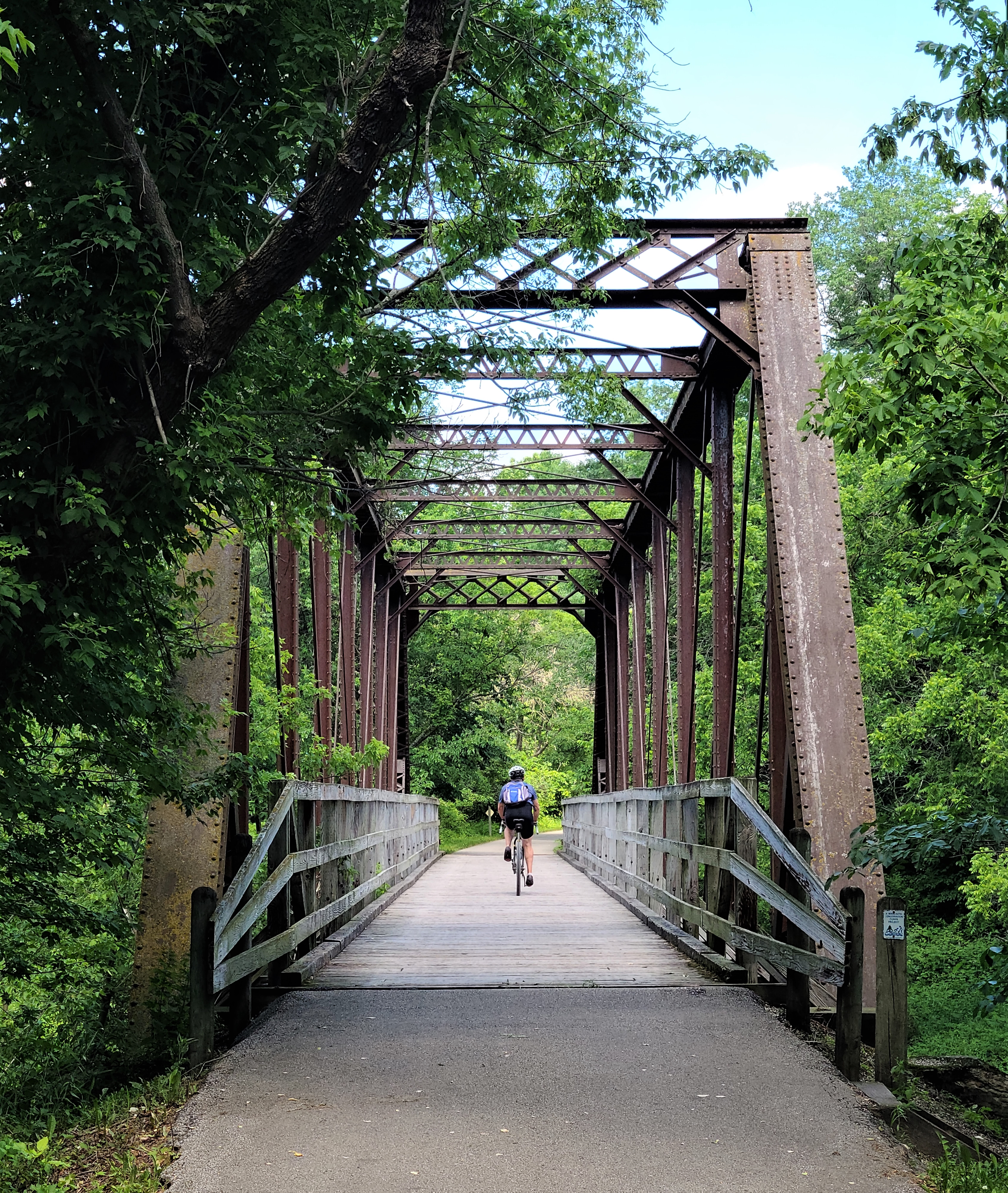
A bridge on the trail between Lanesboro and Fountain.

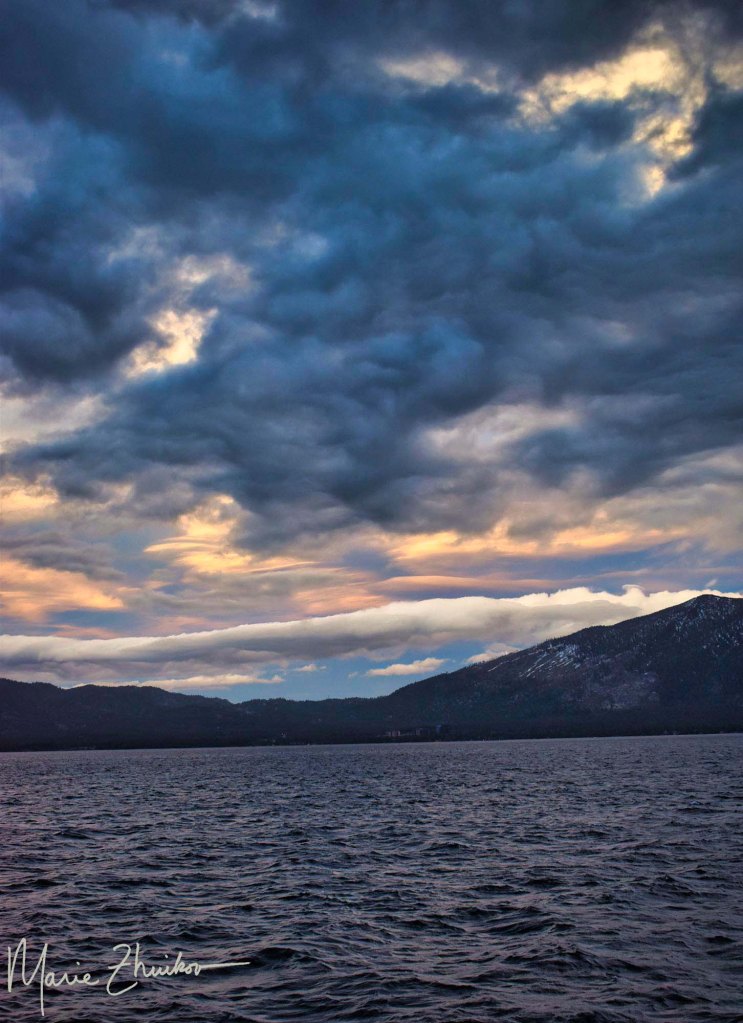
Westward Ho! Part 2 – Lake Tahoe

Lower Eagle Falls on its way into Emerald Bay, Lake Tahoe. Fannette Island is in the background.

After Russ and I spent a few days in Yosemite National Park (see Westward Ho! Part 1), we drove north on twisty-turny mountain roads to visit Lake Tahoe, famed for its crystal-clear waters and scenic mountain vistas.

We had a few days there by ourselves before my youngest son and his lady friend arrived to join the fun. The weather cooperated while we were by ourselves – 70 degrees and sunny, which was similar to the weather we experienced in Yosemite, and much different than the rainy, gray weather in our hometown of Duluth. We felt so fortunate to escape and soak up some Vitamin D sunshine for a while. Snow crept in for the latter part of our trip, but it was a mountainesque snow globe kind of snow, much prettier than what we get at home, so we weren’t bothered.

The view out the back window of our condo.

The first thing that struck me was that the forests seemed healthier than those in Yosemite. Yes, there were some burned over areas, but they were few and far between compared to Yosemite. Apparently, the drought wasn’t as severe here.

Our condo in South Tahoe backed up against a National Forest, so we had a view unmarred by evidence of humankind, which was fine by me. Tall ponderosa pines and scattered boulders greeted us each day.

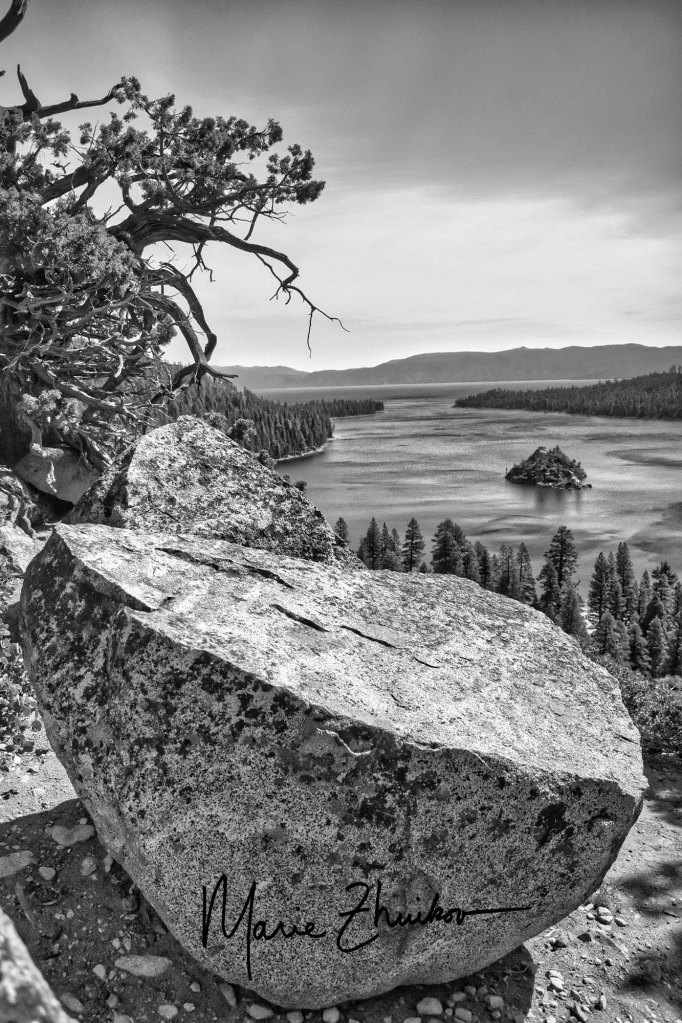
Fannette Island in Emerald Bay

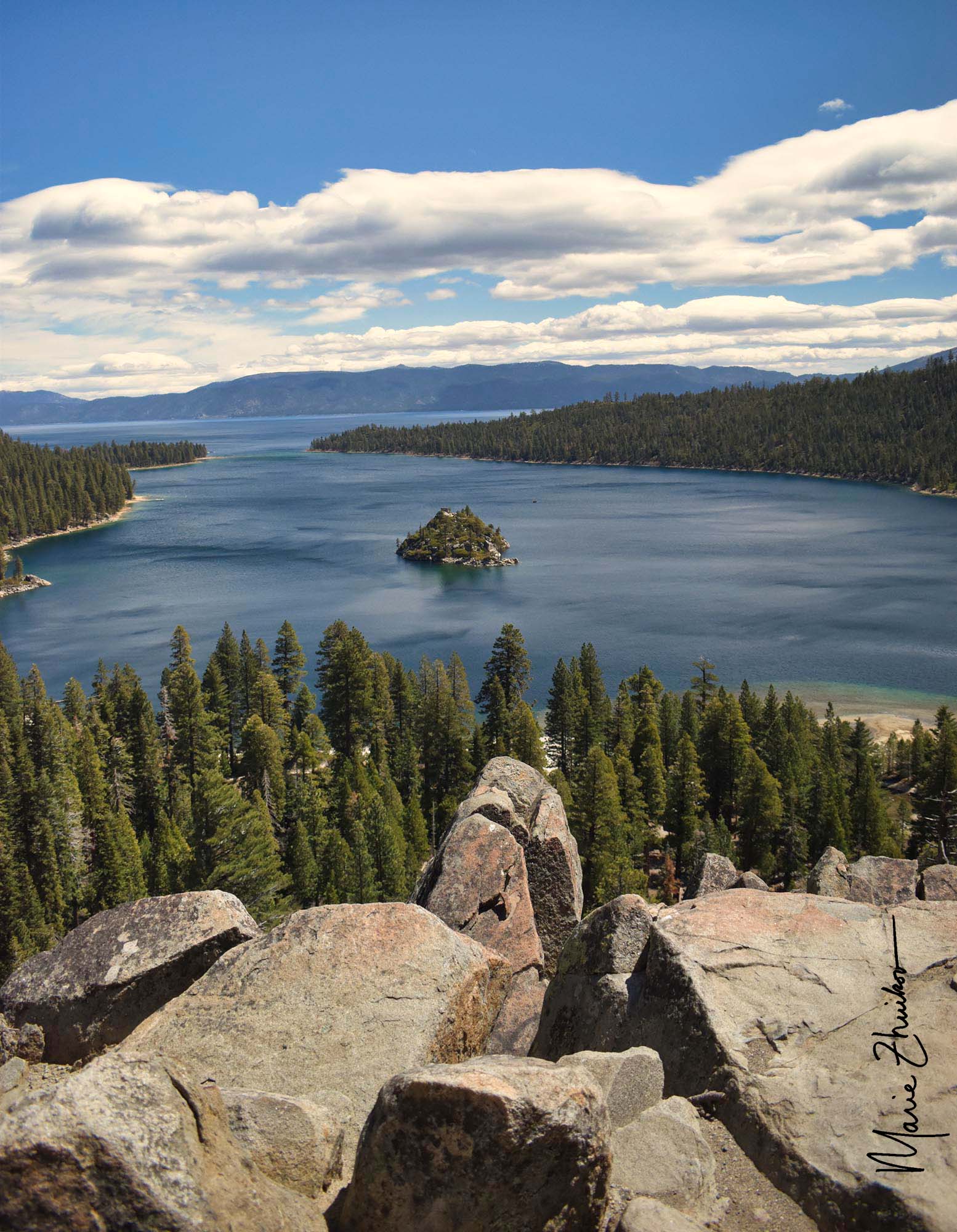
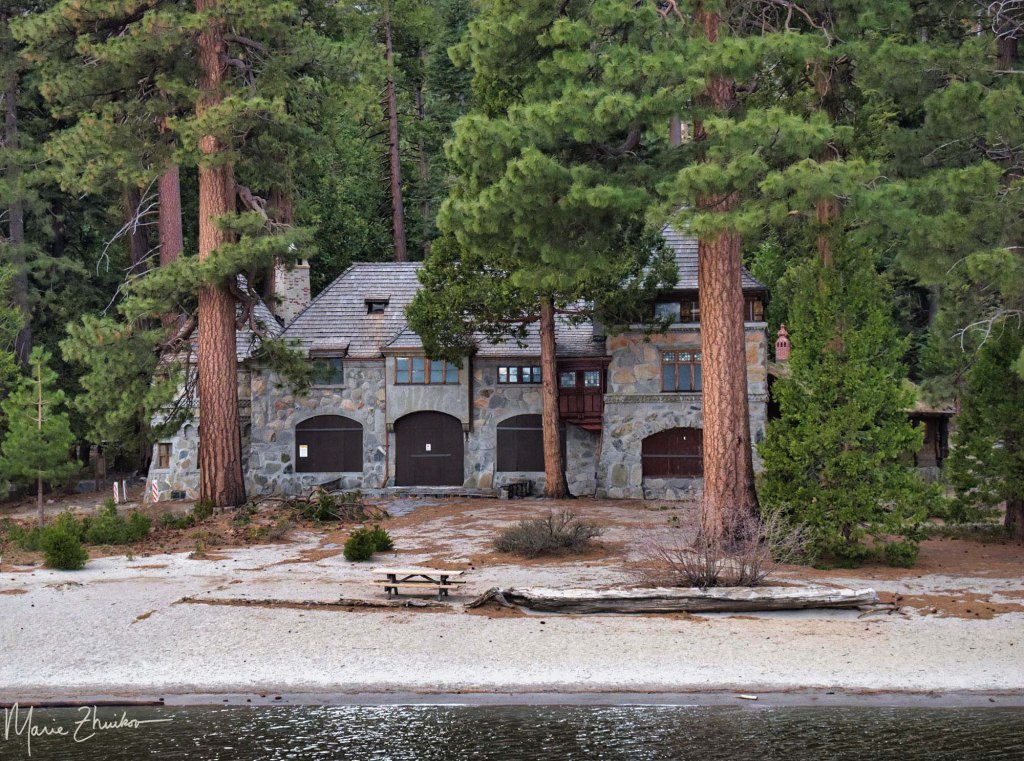
Our first stop was Emerald Bay Vista, just outside of South Tahoe. Wow! What a view. This picturesque bay is probably the most-photographed feature of Lake Tahoe, with its turquoise waters and conical island in the middle. The island is named Fannette Island and it sports a small square stone building at its peak, which was built as a tea house by the people who used to live in Vikingsholm, an impressive Nordic-style house on the shoreline nearby.
We also hiked to Cascade Falls, a waterfall that empties into Cascade Lake, which is not far from Emerald Bay. Despite what the Internet and guidebooks say, the hike is NOT easy (don’t believe them!). Maybe the beginning of the hike is easy, but the trail quickly turns into a strenuous, rock-strewn and up and down experience. The falls themselves weren’t that impressive, but the views of Cascade Lake and Emerald Bay almost made up for it.

The next day, we hiked to Lower and Upper Eagle Lake Falls (the trailhead is near the Emerald Bay vista). The lower falls is right near the highway and if you don’t have a lot of time, I’d suggest you spend it here rather than hiking to the upper falls. At the lower falls, you can walk right up to the top of the waterfall where it spills precariously down the mountainside and into Emerald Bay – super impressive!

The Safari Rose tour boat.


That evening, we took a champagne sunset cruise aboard the Safari Rose, an aging luxury yacht that used to be the company boat for Minnesota’s 3M Corporation (think post-it notes). Its African-themed décor was probably quite the thing back in 1959 when it was built, although it doesn’t really stand the test of time. The outside of the boat looks like it could use some TLC. But, we enjoyed the cruise into Emerald Bay and the chance to see Fannette Island up close.

One tip: get in the line to board the boat early because seating is limited. We did not know this and ended up sharing a table with a very accommodating family of four from California who didn’t mind having a couple old folks sitting with them.

We ended up taking a day cruise later in our stay with my son and his girlfriend on the same boat. The tour narrative included new information, so we feel like it was worth doing it twice to learn new things (plus, we got our own table this time!)

Nevada Beach

A paved bicycle trail runs through the forest in many places, including near our resort. We used it to access Nevada Beach and Round Hill – home to a fifty-year-old closed resort. Its buildings are still intact and provide an interesting diversion among the trees.

One of our last days, we drove around the entire lake. Some of our relatives had raved about the town of King’s Beach on the north end of the lake and said we “had” to see it. Perhaps because it was early in the season (and snowing) many of its attractions were closed. But we found a good gift shop and did our best to support the local economy.

On our very last day, after finding a trail we wanted to hike closed, we ended up walking on the paved bike trail to Baldwin Beach during a gentle snow fall. On our way back to our car, we had the privilege of glimpsing a black bear, which was walking on a large downed tree about 100 feet away from us. Luckily, the bear was afraid of people. As it reared back its head to turn around and hightail it back the other way down the tree, I caught a glimpse of a white ruff of fur on its neck. We were glad the bear was running away from us and not toward us.

After enjoying ten days off, reentry into the workaday world was unpleasant for me, especially because I had a big event to host the day of my return, but I wouldn’t trade this trip for anything. Tahoe is truly beautiful, as I hope my photos will attest.

Westward Ho! Yosemite National Park

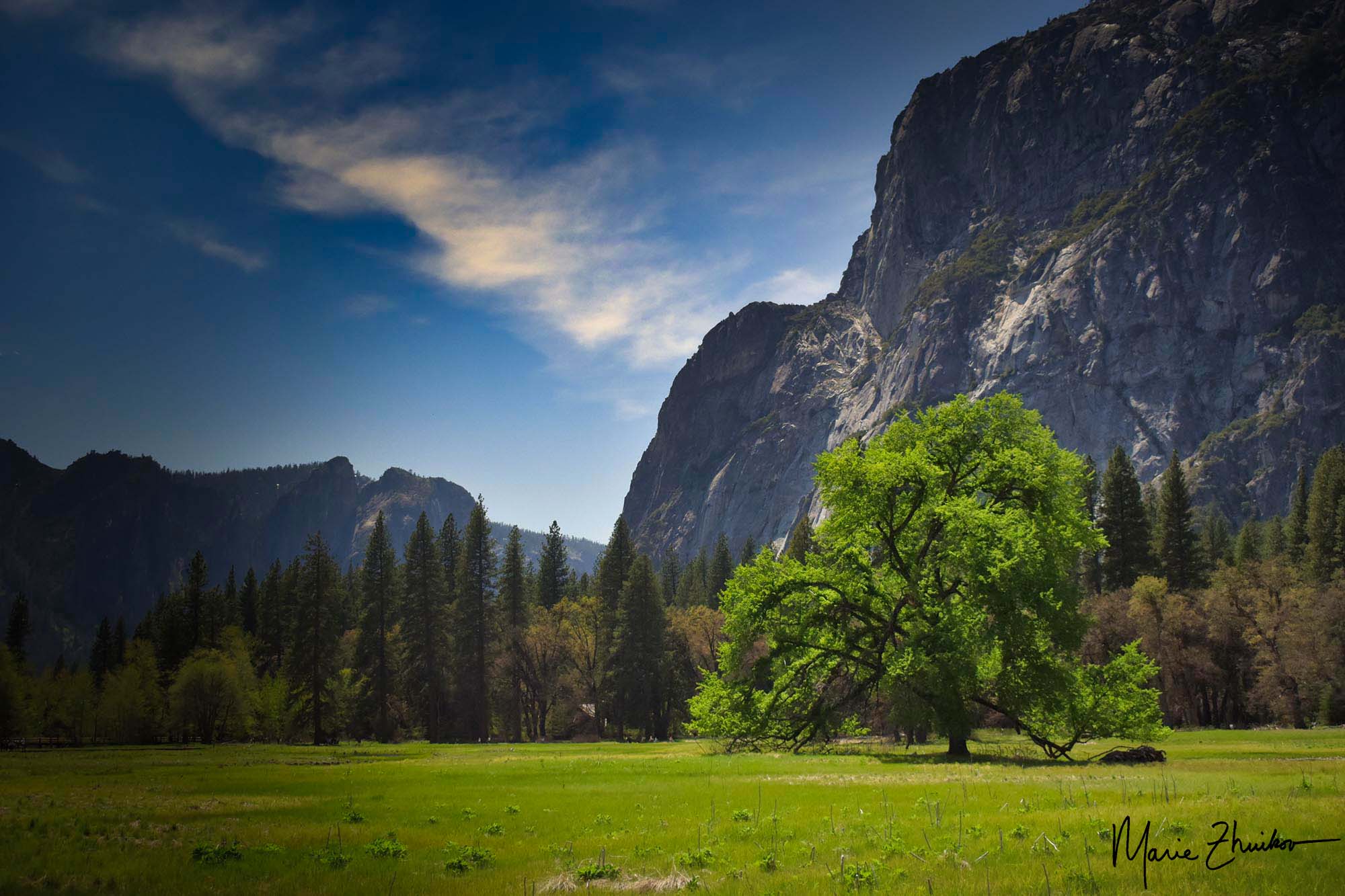
The view from the Tunnel View pulloff in Yosemite National Park. Bridalveil Falls is on the right, Half Dome is in the middle and El Capitan is on the left.

The last time I was in Yosemite National Park, it was on fire. I was there to put help put it out. That was 32 years ago (!) when I worked for the Forest Service. (See that story in “Why I Miss Wildland Fire Fighting.”)

I journeyed to the park this time to be a photographer-tourist.

As Russ and I planned a long overdue (due to Covid) vacation to Lake Tahoe, we discussed what to do there. It came to light that Yosemite was within driving distance and that Russ had never been there before. Well, that would never do.

A sequoia near Mariposa Grove.

“You’ve got to see it!” I said. Wise man that he is, we made plans to begin the first few days of our trip in Yosemite and then drive to Tahoe. Thus, began our Westward Ho adventure.

In late April, we flew into Fresno, CA, and then drove about 90 mins to our lodge just outside the park. Our first foray on the day we arrived was to Mariposa Grove, which wasn’t far from the lodge. We eagerly hiked two miles to see the grove, only to be mystified when we discovered it was closed!

How can a grove of ancient sequoia pines be closed, you ask? Well, you’ve got me on that one. There were no signs at the trailhead giving hint of this closure, nor did we see anything obvious online. But after we made it back to the (closed) visitor center near the grove, we did see a small sign that explained the grove was closed until 2023 so that the trail could be rehabbed.

The grove had a fence all around it, which prohibited people from using the trail that runs through it. Thankfully, we were at least able to view the trees from outside the fence on the road that runs past it. Disheartened, we walked back to our car on the road, which was much easier than the trail. Positive points are, we saw a mule deer (see photo) and a cool rock cut alongside the road (see the other photo).

Another closure to be aware of is that Bridalveil Falls – the iconic waterfall that’s the first thing tourists see from the Tunnel View overlook and when they approach the park from the south, is closed. This is another closure that’s not very well publicized by the Park Service. But you can still get close to the base of the falls if you are a bit intrepid.

We spent the next few days driving through the park and doing more hiking. We visited Yosemite Falls, Mirror Lake (an easy two-mile round-trip hike on a closed paved road), Cathedral Beach, and Valley View. Valley View was hard to find because there were no signs that designated it, just so you’re aware. We tried unsuccessfully to find it our first full day but figured it out by the second day. We also ate lunch one day at the historic Ahwahnee Lodge, which is in the park.

Russ’s favorite experience was visiting Yosemite Falls. There’s an upper and lower part of the falls, and he appreciated the aesthetics of the approach as you walk toward the falls. I think mine was Mirror Lake. As you can see from the photos, the reflections of the backside of Half Dome in the water were stellar, and I enjoyed the scenes available along Tenaya Creek.

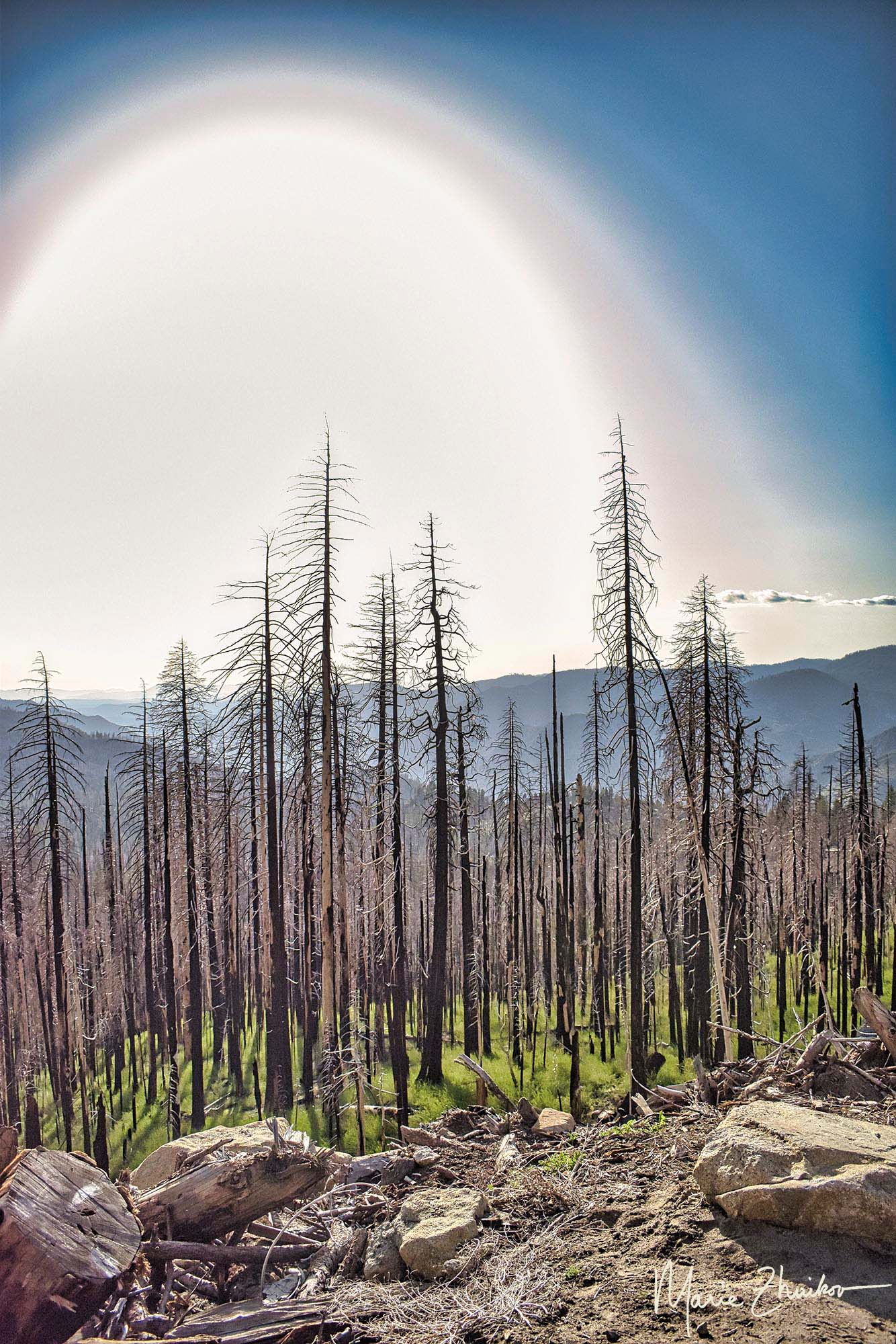
One thing that struck me was how rough the forest looked. Wildfires had obviously burned all the way into the Yosemite Valley floor. That must have been nerve-wracking for the park service. And many areas on our drive to the park were burned or showed evidence of wind damage. California has been experiencing a drought for the past three years and it sure showed. Perhaps the fire that I worked on so many years ago was only the beginning?

Timber salvage operations were taking place in the burned areas of the valley when we were there, necessitating some traffic disruption. BUT it was Spring, and the waterfalls were full, conveying runoff from the High Sierras. The water-full bounty a glorious sight to see, as John Muir would have said.

I hope you enjoy my photos. Next up: Lake Tahoe or maybe a post about my first art exhibit. I’m not sure which I’ll finish writing first.

As always, please do not use photos that have my signature on them. Others you may use with permission.

Discovering the Minnesota Discovery Center

We’re in that awkward and dreary “shoulder season” when the snow conditions are too crappy for skiing but it’s still too cold to bicycle or do anything else outside. The trees are bare, what little grass is showing amid the snow piles is brown. It was time to explore somewhere new indoors. So, Russ and I meandered north to the largest museum complex outside of the Twin Cities.

It’s had several names since it opened in 1977 near Chisholm in northern Minnesota. First it was the Iron Range Interpretive Center, then Iron World USA, and now it’s the Minnesota Discovery Center.

Perched near a defunct open pit mine and atop underground mine shafts, the Minnesota Discovery Center tells the story of the Iron Range through exhibits, interpretation, programming, and research materials. It highlights the story of the immigrants who migrated to the Iron Range (or the Iron Ridge, as President George W. Bush once mistakenly said during a campaign speech in Duluth). The immigrants came at the turn of the 20th century to find work in the iron ore industry. Native Americans are also featured.

Apparently, everyone else was holed up in their homes because we had the place almost to ourselves on a Saturday afternoon. We were able to wander through the exhibits totally unimpeded. So unimpeded that when Russ saw a person standing in front of an exhibit, he mistook it for a mannequin until it moved!

The lower level of the center features exhibits about the immigrants’ journey to the United States, examples of what a schoolroom and a saloon were like, and information about conditions of the land farther back in time – geology and fossils.

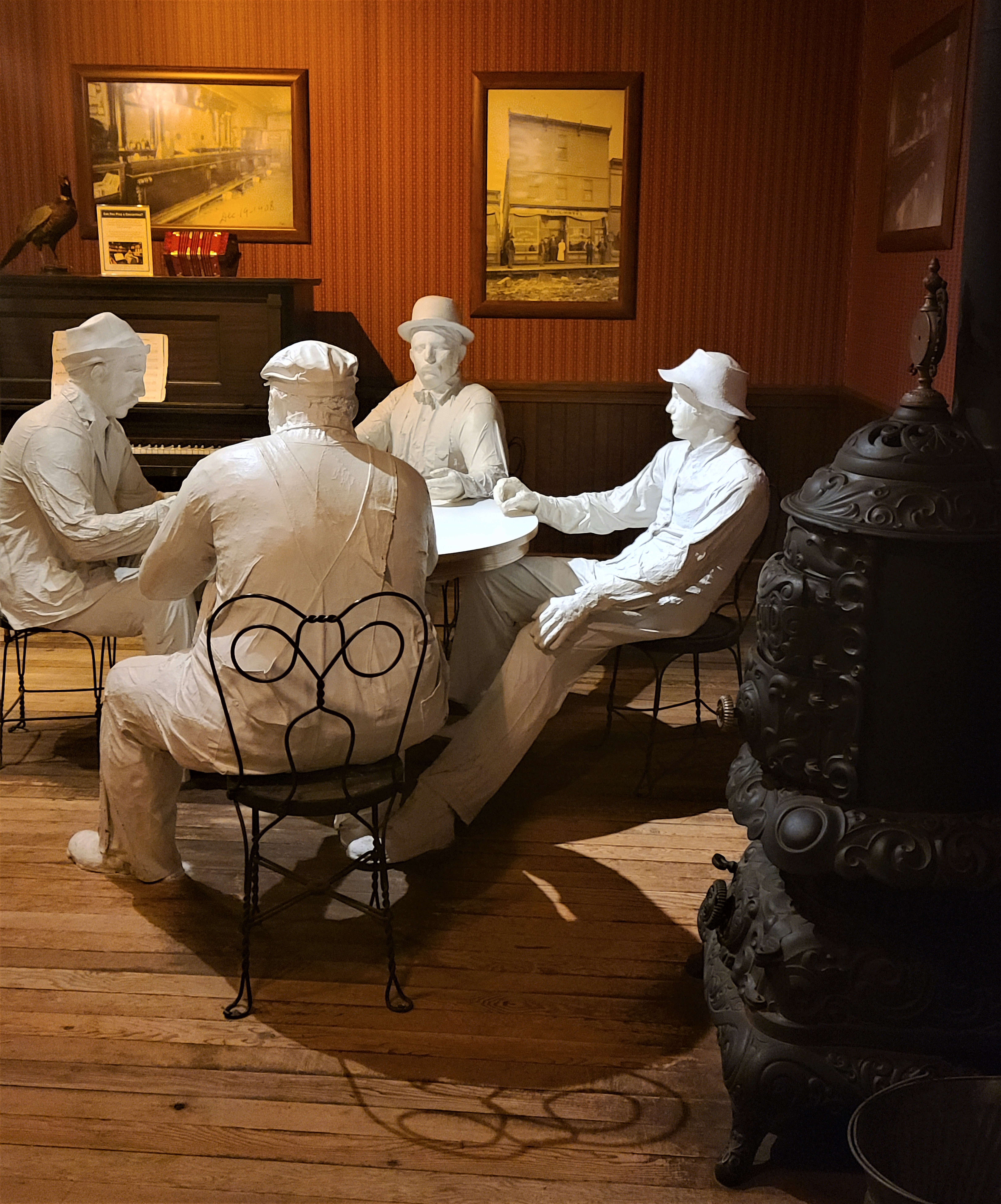
The saloon

I must have been feeling lonely because my favorite exhibit was the replica saloon, complete with mannequins who were playing cards and standing at the bar. Back in the day in the nearby town of Hibbing, there were 6 dry goods stores, 12 general stores, and 45 saloons! People had their priorities and it wasn’t churches back then. Saloons were social centers where miners shared the news of the day, had a drink, and spent time with each other.


Both floors of the center offer views of the Glen Mine Pit, but I chose to look from the second floor. The open pit mine was closed in 1957 and trees have started to reclaim its banks. The second floor also features a movie theater. With the push of a button, Russ and I had our own private showing of the documentary, “Iron Range: Minnesota Building America.” This floor also provides access to a research center.

The Glen Mine Pit

The discovery center’s restaurant is closed for the season, but their gift shop is open. During summer, they offer trolley tours of the grounds, plus there’s a mountain bike park that opens in mid- to late-May and a mini-golf course. I’m sure it must be a busier place in summer.

As we left, the staff at the reception desk were marveling at the “crowds” that were visiting the center. One exclaimed, “There were four people in here already and we just got eight more!”

They were serious.

Russ and I just gave each other a look and chuckled.

If you’re still social distancing due to the pandemic, this is the place for you. But if you get too lonely, you can at least socialize with the saloon mannequins.

More saloon mannequins

Walking to the Walker (Arts Center)

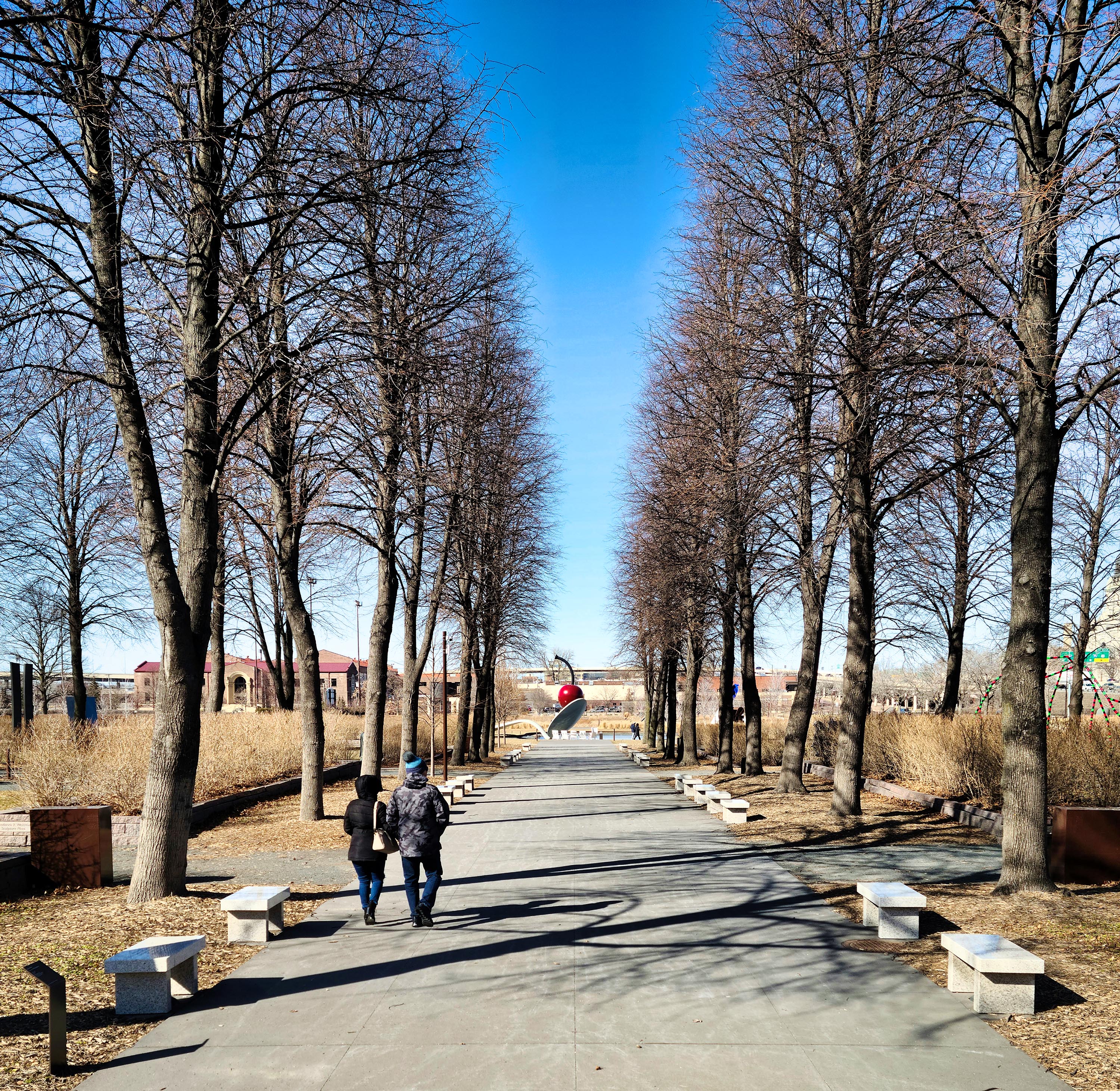
The walkway toward the “Spoonbridge and Cherry” sculpture in the Minneapolis Sculpture Garden.

My aunt is 101 years “old” and lives in St. Paul. I know, one-hundred-and-one, amazing! She’s my inspiration for aging well. She still resides in her own condo and is fairly self-sufficient. She’s cared for by my cousin.

Sometimes my cousin has other things she needs to do, so friends from the condo building or my relatives in the Twin Cities step in and visit my aunt in her stead.

The other weekend was one of those times for us to help. We needed to be at my aunt’s place early in the morning, so Russ and I meandered down from Duluth the night before. To make the trip more fun, we booked a stay in a bed and breakfast in an historic mansion near the Walker Arts Center in Minneapolis. We’d never been to the center or the sculpture garden near it, so this trip was going to fulfill those cultural deficits as well as getting in an Aunt Marguerite visit.

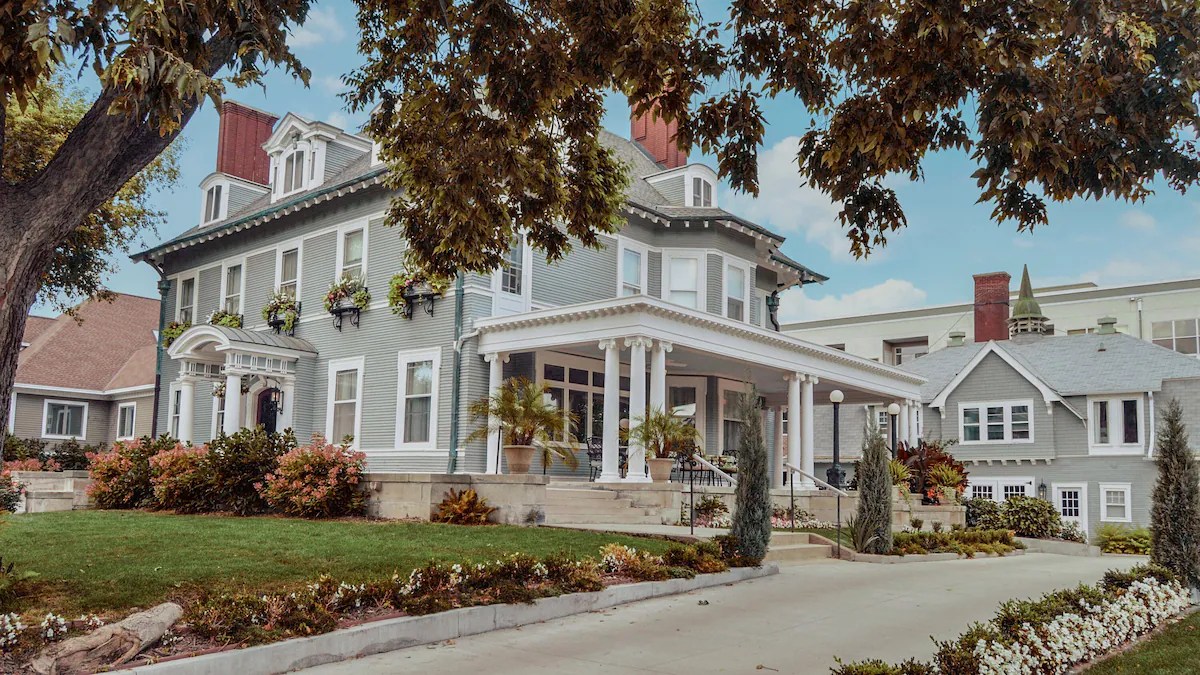
We booked a room in the carriage house of 300 Clifton, also known as the Eugene J. Carpenter Mansion. Carpenter was a lumber baron who totally overhauled the Queen Anne-style home, complete with turrets and gables, into a more rectangular Georgian-style mansion after purchasing it about a hundred years ago.

300 Clifton. The carriage house where we stayed is on the right. Image courtesy of 300 Clifton.

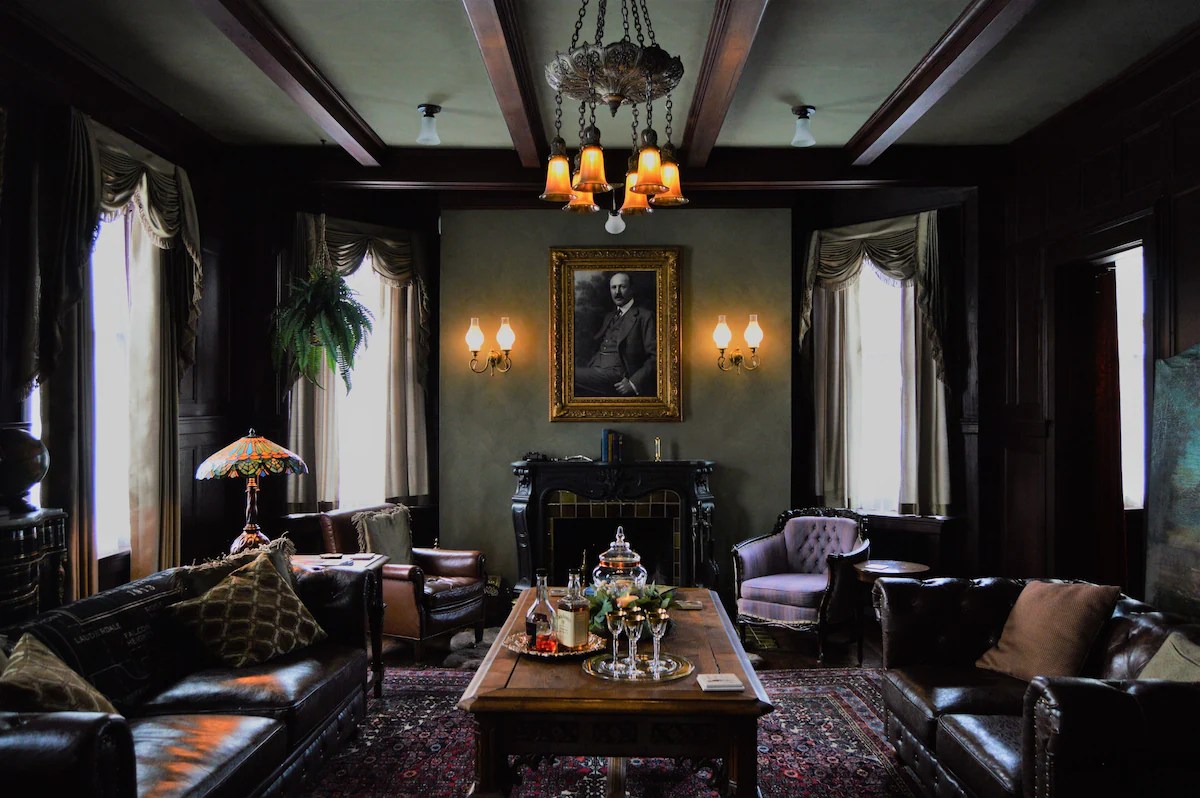
As we checked into the big house, we were greeted by the two resident great danes, Madonna and her grandson Clifton. I thought Madonna was big, but Clifton was even taller – his head came to about the middle of my chest and I’m 5-6. After the requisite petting and ear rubbing (I found the spot on Clifton that made him groan) the two mellow dogs returned to their spots by the hearth in the library.

Sorry, I have no pictures of the dogs. I was too busy petting them.

The Library. Imagine one great dane on either side of the fireplace. Image courtesy of 300 Clifton.

We were oriented by a knowledgeable young man who’s been working at the mansion for eight years. He told us the Carpenters were instrumental in creating the Minneapolis Institute of Art (MIA). At that point, we decided not to tell him about our desire to see the Walker Arts Center (we’d already seen the MIA). As it turns out, that might have been a good call. Later, reading an information sheet in our room, we found out that the Walker was established by someone who got disillusioned with the MIA project, a competitor of the Carpenters. I expect a rivalry must still exist between the two institutions to this day.

The nice young man (it’s so typical that we know the dogs’ names but not the human’s name!) took us back outside, past the large courtyard with a fountain and gardens, and showed us our room in the carriage house, explaining this was where all the men on the household staff slept because the Carpenters had a daughter they didn’t want sullied by male influences.

The ground level of the carriage house contains an antique taxi, a pool table, big-screen television, and arcade games. The building originally housed horses but then was renovated for cars. The floor even sports the original turntable used to point cars in the right direction for storage. Sleeping rooms are on the upper floor.


The antique pedestal sink in our room.

Our room was small, but totally adequate – full of nooks and crannies that you just don’t get in a modern hotel room, not to mention the Tiffany-style dragonfly lamp. Our room didn’t have the sound proofing you’d find in a modern building, but that is really the only criticism we have.

Once unpacked, we dropped back into the main house to explore its three floors. The interior is arts and craft style. It contains little of the original furnishings because it was made into a boarding house and offices in the past. However, there is a Georgian Room in the MIA that holds original furniture from the home and pieces collected by Carpenter during his travels.

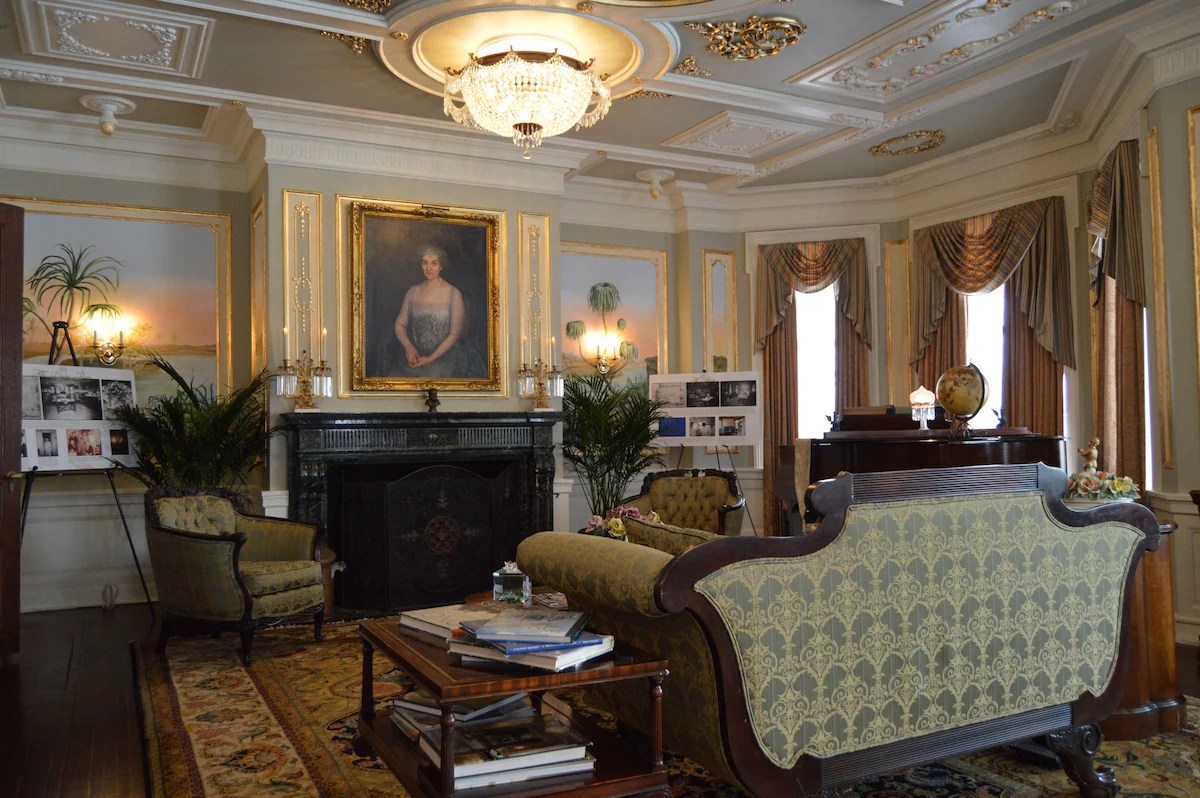
The library (with its hearth and great danes) features original sconces that were moved from elsewhere in the house. The dining room sports an impressive painted ceiling. The music room, done in muted greens, feels like a place too nice for the likes of us to hang out.

The Music Room at 300 Clifton. Image courtesy of 300 Clifton.

The main staircase reminds me of the one in Duluth’s Glensheen Mansion, but it didn’t have the impressive window art found in Glensheen. The top floor features modern skylights and plants everywhere, including historic images and interpretive text.

Explorations over, we returned to our cozy room and slept while the wind whipped through the city, rattling the windowpanes.

The next morning, we ate our continental breakfast in the impressive dining room. If a person wants to spend $99 more, you can get a four-course breakfast, but we didn’t need that since we were going out for lunch with my aunt and cousin later that day.

We made it to my aunt’s and had a great visit. She brought out some of her old scrapbooks and we took trips down memory lane, which included some highly unflattering class photos of me in junior high, which made Russ laugh.

After lunch at the Tavern Grill in Arden Hills (delish!), we drove back in the direction of our bed and breakfast, which was three blocks away from the Walker Art Center. We could have parked at the B&B and walked to the art center, but a cold wind was still blowing, so we wimped out and parked at the center.

I really wanted to “walk to the Walker” because I like the sound of it, but it was not to be. Sorry for misleading everyone with the title of this post. I know, false advertising! (I’m just seeing if you are paying attention.) But, if you ever stay at 300 Clifton, be aware of this option.

Right now, entrance fees for the Walker are half-priced because many of their displays are closed for renovation, but there was plenty still there to keep us occupied for an hour-and-a-half. I especially enjoyed seeing an Edward Hopper painting (Office at Night) and an Andy Warhol (Sixteen Jackies). Some of the other art just made me scratch my head.

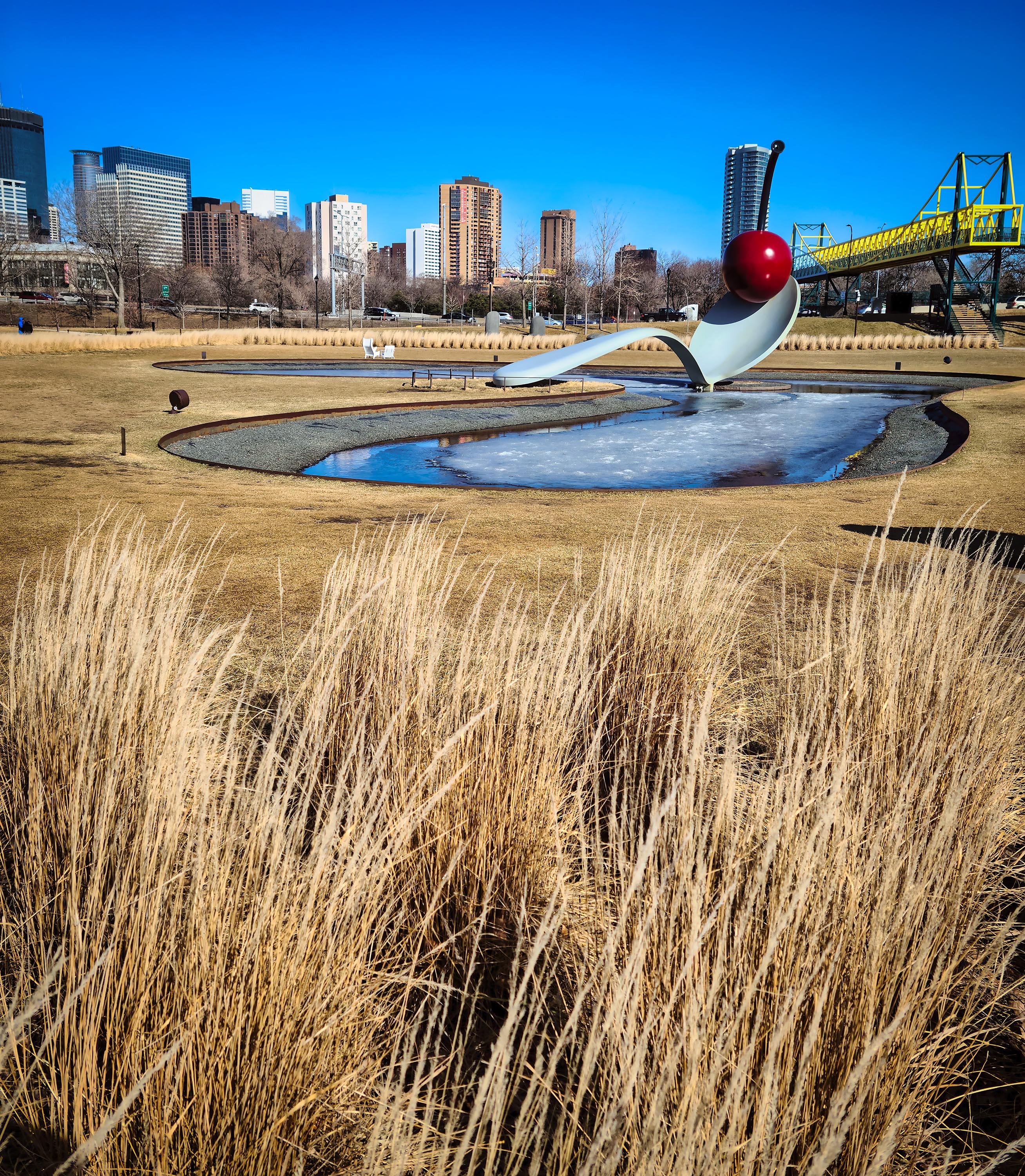
The bright sun made our quick walk in the sculpture garden across the street bearable despite the wind. We had watched television news stories with interest when the cherry from the iconic Spoonbridge and Cherry sculpture had been separated from its spoon and hauled to New York for cleaning earlier this year. The cherry is now back.

Spoonbridge and Cherry sculpture.

The fifty-foot sculpture is synonymous with the identity of Minneapolis. It was created in 1988 by Claes Oldenburg and Coosje van Bruggen a husband and wife team from Sweden and the Netherlands. It was inspired by a novelty item that Oldenburg collected, which featured a spoon resting on an “island” of plastic chocolate. The sign at the site says, “From this, the artists envisioned a gigantic utensil as a fanciful bridge over a pond. In considering Minnesota as a site, they compared the spoon’s raised bowl to a prow of a Viking ship or a duck bobbing in a lake. Van Bruggen added the cherry, a personal symbol recalling happy moments in a childhood clouded by World War II.”

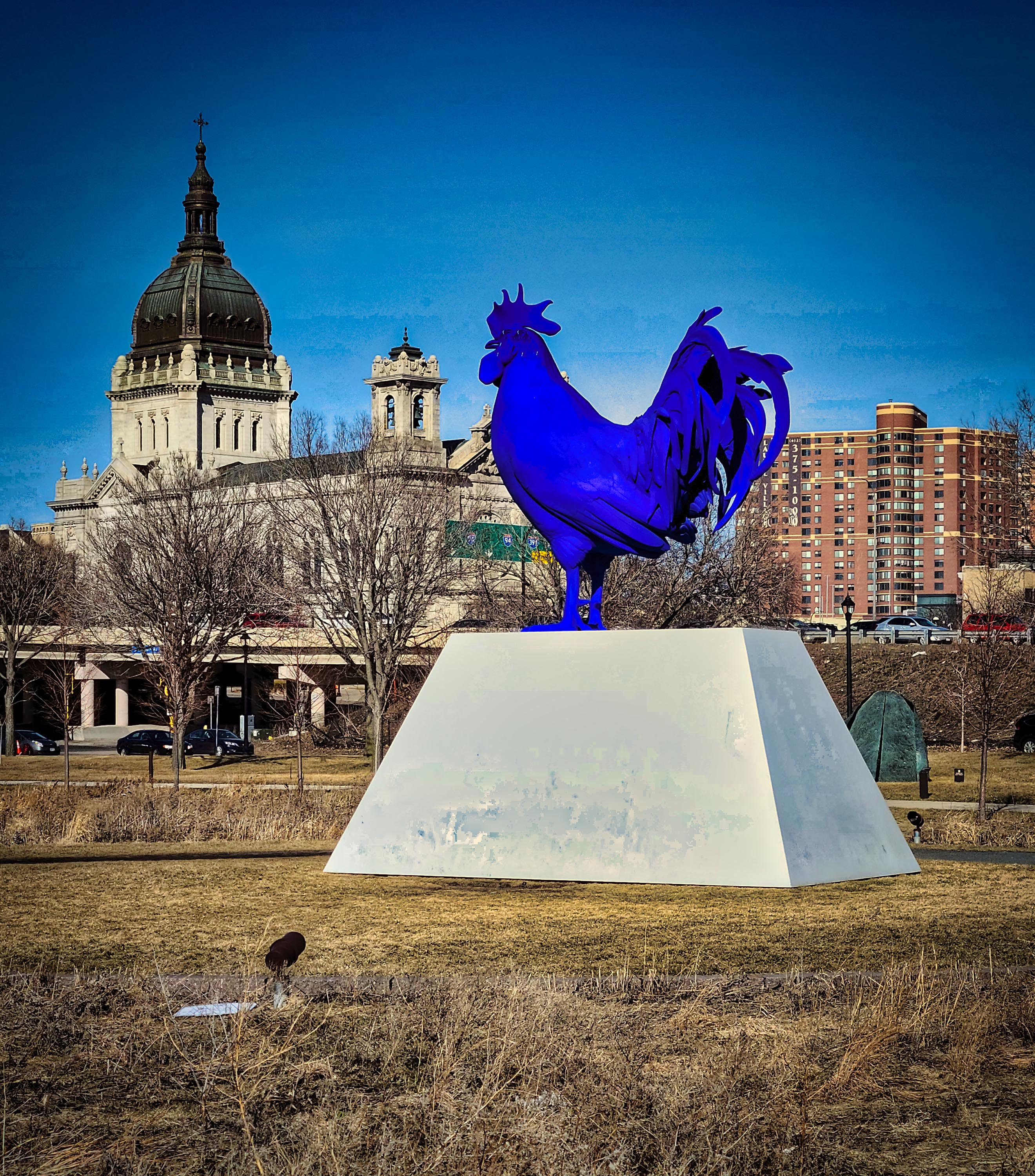
The cherry was the first sculpture added to the garden, but there are many others, including a bright blue rooster, which also caught our attention. The rooster is called Hahn/Cock, created by Katharina Fritsch from Germany and it towers twenty-five feet over the garden.

Its sign says, “The rooster can be a symbol of pride, power and courage, or posturing and macho prowess. Fritsch has admitted that she enjoys ‘games with language,’ and the sculpture’s tongue-in-cheek title knowingly plays on its double meaning. Like Spoonbridge and Cherry, Hahn/Cock presents an unexpected take on the idea of a traditional public monument. Together, these two landmarks show how ordinary objects can become iconic and deeply symbolic.”

The Hahn/Cock sculpture.

If you’re ever in Minneapolis, the sculpture garden is a must-see! Access to it is free and open to the public. You don’t need to walk to the Walker to see it.

Superior Skiing

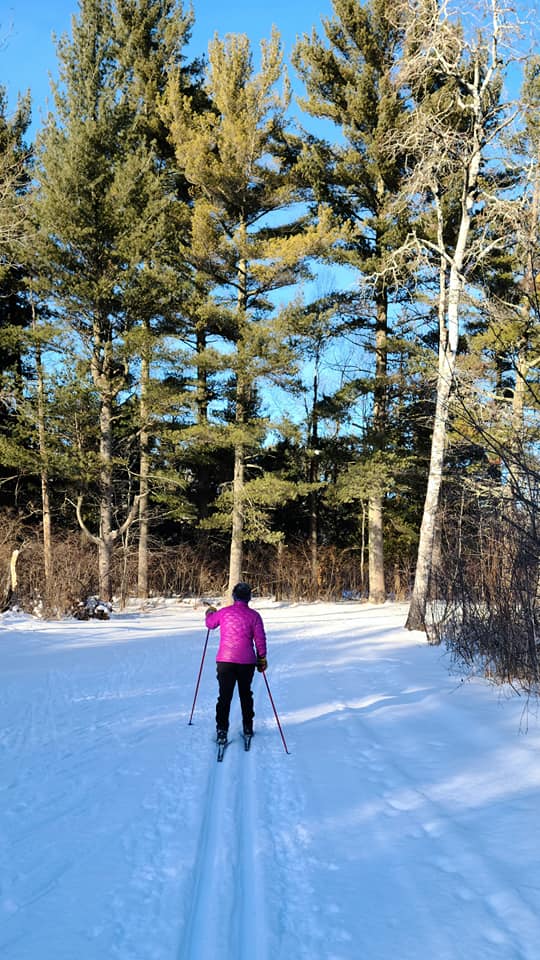
Marie skiing on one of the trails in the Superior Municipal Forest.

If, like me, you live in Duluth and you’ve cross-country skiied every trail and want something new, consider meandering across the bridge to the Superior Municipal Forest for some “superior” skiing in Superior, Wisconsin.

Russ and I tried the ski trails there for the first time this weekend. Since Russ doesn’t quite have his ski legs back yet (after not skiing last season due to an injury) we stuck to the easy red trail, going around both the outer and inner loops for a total of 4.1 kilometers.

The trail lives up to its beginner status. It’s fairly flat the whole way, sporting both classic and skating tracks. The trail winds through a forest filled with big ol’ white pines and birch/aspens. The views are inspiring, especially as the sun starts to slant through the trees in the late afternoon.

One thing to note is that you’ll need a ski pass to go on these trails. You can either purchase a seasonal one or a day pass. We purchased a day pass at the self-service kiosk at the trailhead for $5. See the web link in the first paragraph of this post for details. I hear that the city grooms the trails every day, so they are usually in good condition.

And, if you need a dog fix, this is the place for you. The city dog park is right at the trailhead, so you can visit with the dogs as you come and go. You don’t get that with just any old ski trail. Truly superior!

Owamni Restaurant: Celebrating Native American Cuisine


The bison pot roast from Owamni Restaurant

I saw an article in the Minneapolis Star Tribune yesterday saying that Owamni Restaurant was designated as the newspaper’s top restaurant for 2021. It reminded me I still needed to follow up on my promise to write about Russ’s and my experience at this Native American eatery during our weekend Romancing the Minneapple.

I’ve wanted to eat at one of Chef Sean Sherman’s places (he has a food truck, as well) ever since I saw him speak at a launch for his cookbook in Duluth. Sherman focuses on precolonization food (food that Natives used to eat before all us Europeans immigrated and mucked up their lifeways). This includes ingredients that Natives grew themselves or foraged, like squash, wild rice, venison, chestnuts, fish, berries, and cedar boughs.

He’s trying to reconnect Natives to their pre-European culture, so much of which has been lost. I suppose it’s also a way to show us nonnatives what life used to be like in America historically, plus the food is super healthy – no wheat flour, dairy, or refined sugar.

Several recipes from his cookbook have found their way into my permanent recipe file, notably the squash apple soup with cranberry sauce and cedar-maple tea.

Russ and I were late in planning our trip to Minneapolis and only began making reservations for it a couple of weeks beforehand. Owamni has been featured in the New York Times, Lost Angeles Times and Chicago Tribune, among others, so, as you can guess, reservations are booked months in advance. But, they have first-come, first served bar seating, so we decided to take a chance on that. If it didn’t work out, we had a Plan B restaurant in mind.


Wild game salad

We took a snowy ¾ of a mile walk under a full moon over and along the Mississippi River from the Nicollet Island Inn to get to Owmani, which is housed in an historic water works building. We figured if we got there early in the evening (5:30 pm), the wait might not be as long. I think this was a good strategy. We only had to wait about 45 minutes for seats at the bar.

One of the first things you’ll notice is that the menu isn’t typical. There are not separate listings for appetizers, plus the entrees are sharable. When I expressed confusion to our friendly bartender, he explained that the concept is like a Tapas Bar, where you end up ordering lots of small plates and sharing. That way, you can sample a variety of selections.

To begin, we ordered (and shared) the cedar maple baked beans, the wild game salad, and the bison pot roast. They also have a good selection of wines and nonalcoholic drinks available. Everything was wonderful. The beans, because they are flavored with maple syrup instead of brown sugar, aren’t as sweet as usual, but that allows the natural bean flavor to come through, with cedar lurking in the background. The wild game salad featured dried duck and turkey, which could be a bit chewy, on a bed of kale garnished with a duck egg. Russ is normally not a big fan of kale, but he said it was delish and ate it all!

The bison pot roast was the piece de resistance – a slow-cooked and tender hunk of bison surrounded by natural gravy, hazelnut-crusted carrots, a mustard green sauce and a horseradishy sunchoke (Jerusalem artichoke) puree, topped with an edible purple violet. The meat melted in our mouths. It’s the first time I’ve had bison and it was truly memorable.


For dessert, I had a chocolate chia cake with sorbet and a caramel honey sauce, and Russ had a berry-walnut milk parfait. Both were excellent.

The neat thing about sitting at the bar is you can watch the workers and see the other dishes and drinks they are preparing. I noticed a cranberry nonalcoholic drink that I’d like to try if I eat there again. Diners with reservations got tables near windows that overlooked part of the river (Owamni Yomni) considered a site of peace and wellbeing for the Dakota and Anishinaabe people.

Most of the workers looked to be of Native American descent. Most of the diners looked like well-to-do white people. That felt rather weird to me. Is this just another way for white people to appropriate Native American culture? Have we turned these Natives into slaves serving us food we want to eat just because it’s the latest trend?

Although I was a bit uncomfortable with those feelings, it seemed like it was high time that Native American foods were celebrated. After all, we have Mexican restaurants, Chinese, etc. However, these cultures haven’t been oppressed like the Natives have. Part of me feels like this restaurant should only be for Native Americans at first. I felt like I was taking the chair of someone who might need this food more than I did in order to feel whole.

I am still struggling with these feelings and I’m not sure what to make of them. But I probably wouldn’t let them stop me from eating there again.

Alas, the restaurant is closed for a mid-winter break right now. But it plans to reopen on January 19 (2022) for a winter dinner series. Proof of vaccination will be required to enter.

Romancing the Minneapple

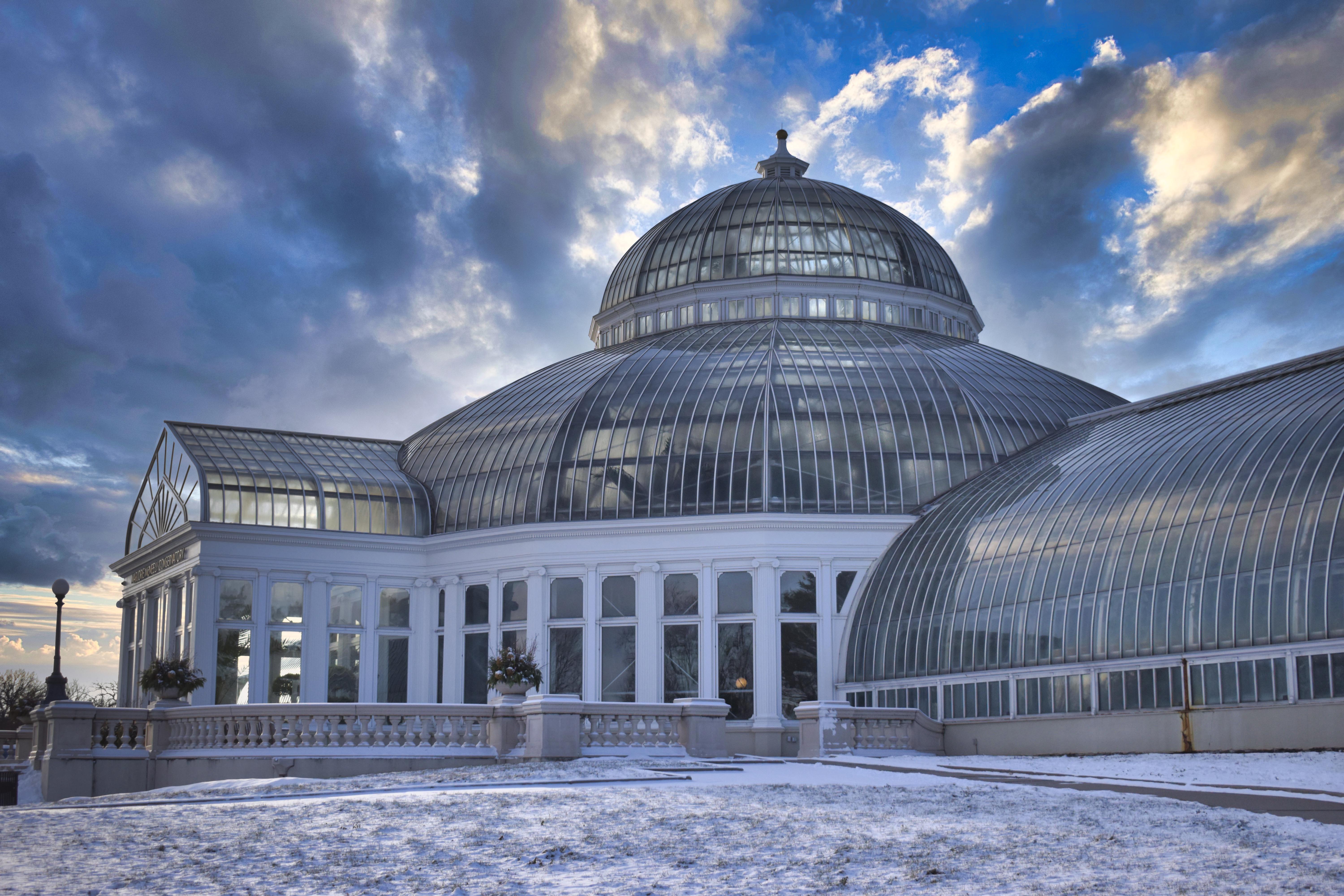
The Como Conservatory

Russ and I meandered south to Minneapolis the other day, in search of a little romance, and to visit relatives. For the uninitiated, Minneapolis’ nickname is the Minneapple as opposed to New York City’s Big Apple nickname.

We took my 100-year-old Aunt Marguerite to the Como Conservatory for its poinsettia show. All that red color and dewy warmth sounded like just the thing to offset the winter blahs and a good way to spend time with Marguerite.

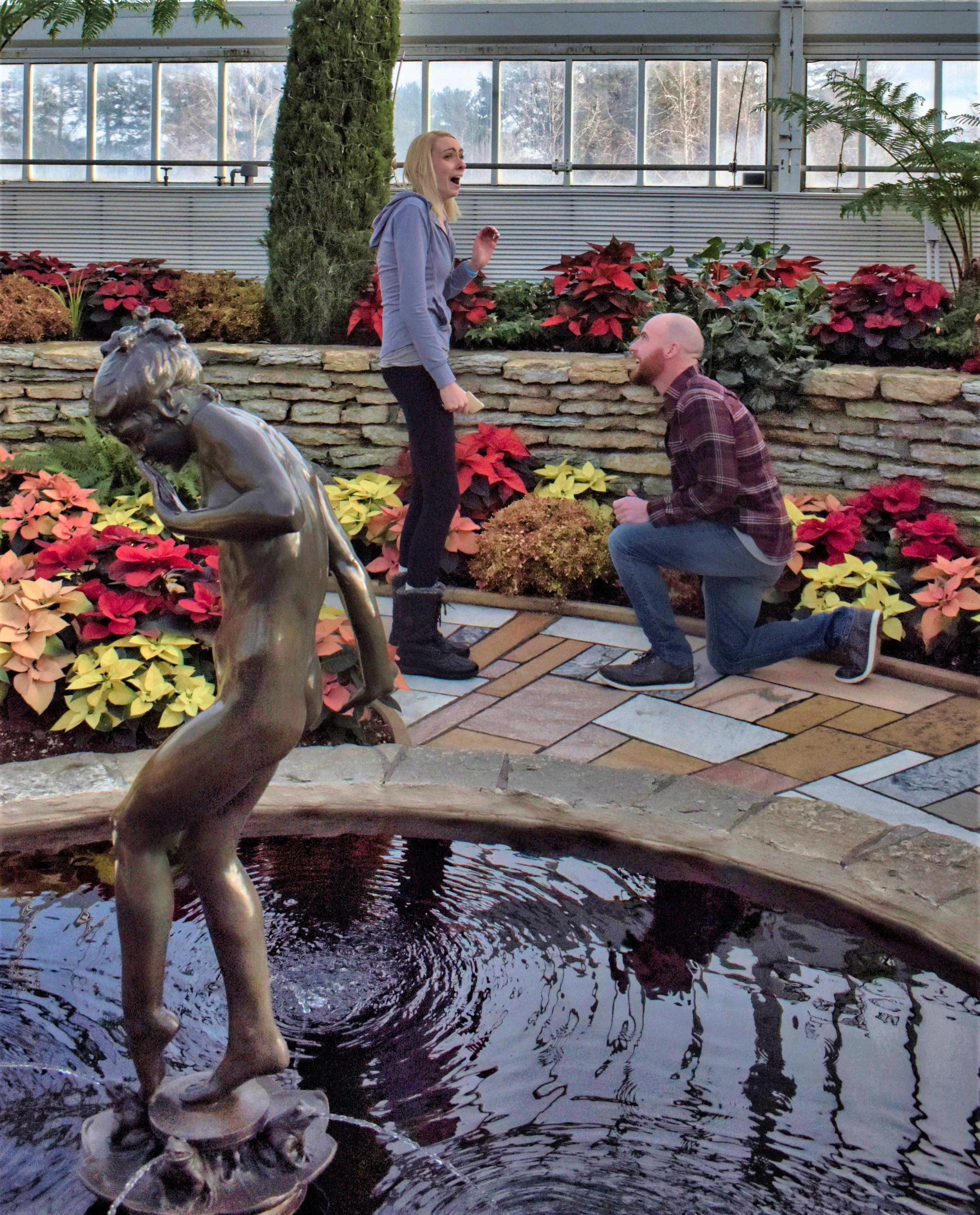
But did you know that poinsettias come in colors other than red? During the show, we saw yellow ones, pink, and even orange. While we were enjoying the sights and the smells of soil and water in the sunken garden, a commotion caught our attention. A family that had been strolling along stopped. Gasps of surprise could be heard as a young man got down on one knee and held up a ring to his very tall and willowy girlfriend. Hyperventilating, she finally got enough air to say, “Yes!” and the family and audience clapped.

The proposal amid the poinsettias

Doesn’t get much more romantic than that! But wait, more romance was to be had. After shuttling my aunt back to her place and visiting for a short time, we headed to the Nicollet Island Inn, touted as “Minneapolis’ most romantic hotel.” Situated on an island in the Mississippi River, the inn is in an historic building that was once a window sash and door company. It has survived fire, several other business ventures, and even time as a men’s shelter to become the charming venue it is today.

We booked the bed and brunch package, which provides for a Saturday night stay and a $60 voucher for brunch at the inn’s restaurant the next morning. There’s also an “Ultimate Romance Package,” but we didn’t do that one because it involves dinner at the inn’s restaurant, and we had other plans for that meal. These involved taking a snowy evening stroll under a full moon to Owamni Restaurant (by the Sioux Chef), which is on the riverbank not far away. (More on that experience in a post to come.)

I must say that one decidedly unromantic thing about the inn is that they seem not to be able to process or communicate about things that go against the grain, like the bed and brunch package and gift certificates. The people checking in before us had a gift certificate, which caused no end of issues. The manager had to be called to the front desk to give his blessing. Not romantic.

Our package was not noted on our reservation for some reason, even though I had called beforehand and talked to the person in charge of such things and she assured me it would be noted in their system. This necessitated a call by the clerk to this person for verification. Not romantic.

And then, when we checked out the next day, the same gift certificate people were in front of us and the same issues came up for them. We quickly left our keys on the front desk and got out of there before we had to wait around for a manager to reappear.

The Nicollet Island Inn restaurant


BUT all else at the inn was romantic. The Christmas decorations were classy and glowing, our room was high-ceilinged with a view of the river and city skyline. Our brunch in the chandeliered restaurant was filling and delicious. I had the American breakfast with sausage and eggs over-easy plus a mimosa. Russ had the breakfast Reuben, which featured eggs and hollandaise sauce. It’s hard to believe the restaurant used to be a factory loading dock.

The breakfast Reuben

After brunch, we strolled around the small island, marveling at the parkland and quaint Victorian clapboard homes. I found myself thinking that if, for some reason, I was forced to live in Minneapolis, Nicollet Island wouldn’t be such a bad location. But the wilds of the north are my true home. We were glad for a short visit to the big city, but just as glad to return home.

One of the homes on Nicollet Island.

A Visit to the Judy Garland Museum

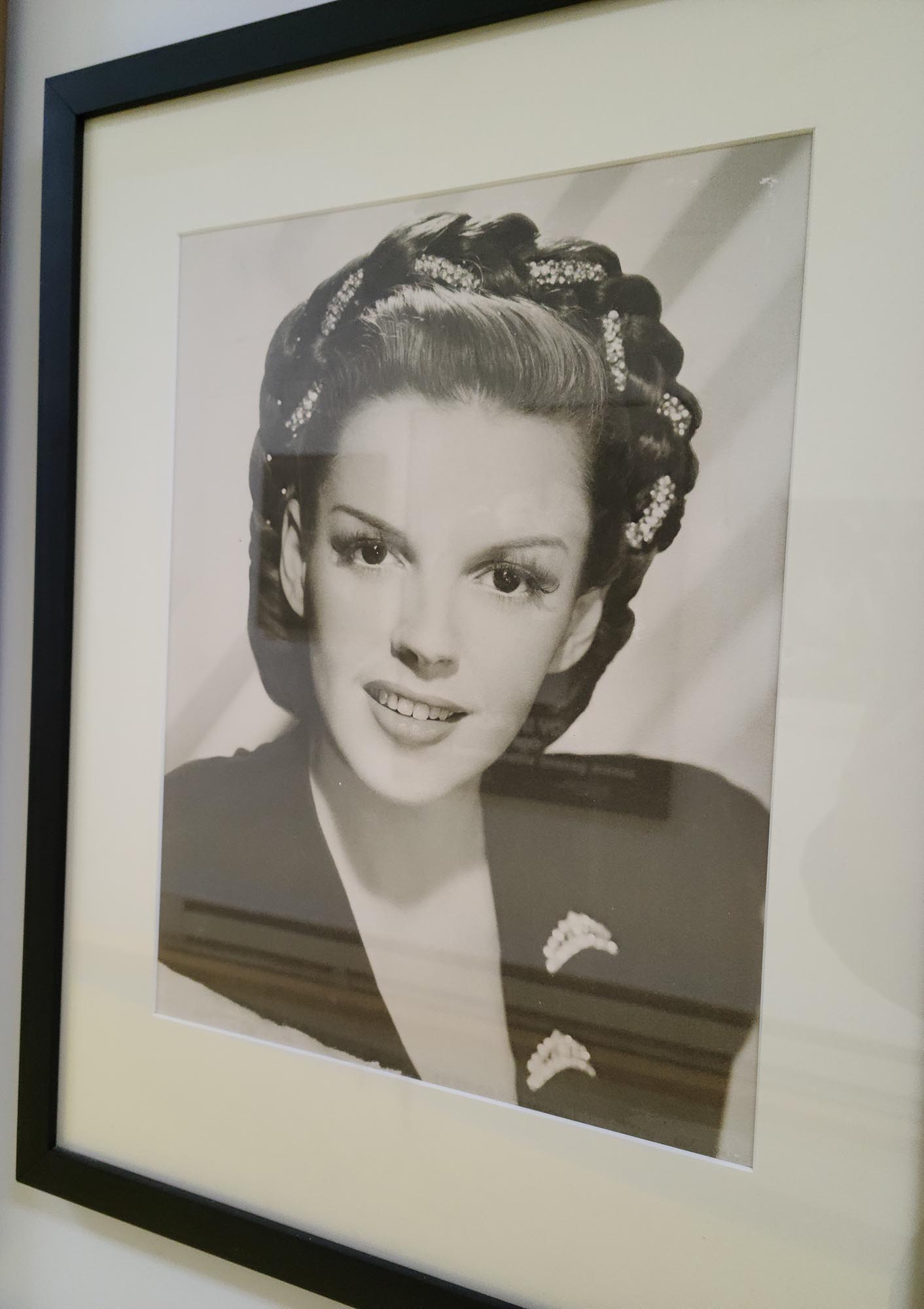
Judy Garland. Image courtesy of the Judy Garland Museum

When I was a child, I used to run around the neighborhood on certain summer evenings, letting my friends know that “The Wizard of Oz” movie was going to be on television that night. I’d hear a promo for the show during the network news or something, and out the door I’d go. I enjoyed the movie so much, I wanted to make sure my friends didn’t miss it.

Our television was black and white until I was almost a teenager, when we got a color set. Imagine my surprise when I watched the Wizard movie and saw everything change to color once Dorothy reached the land of Oz! Nobody had ever told me that happened until I experienced it myself.

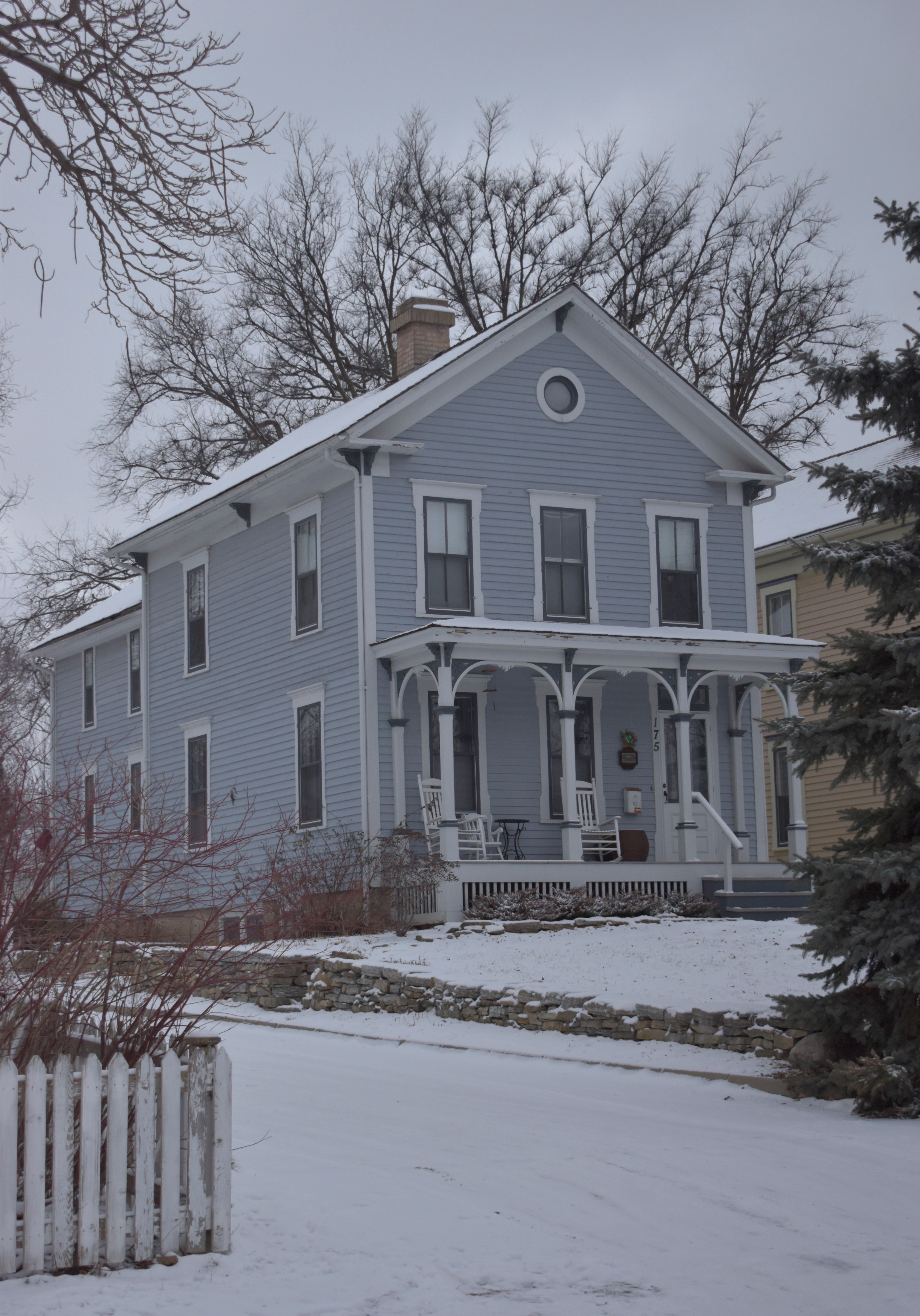
Although the Judy Garland Museum opened in 1975, I didn’t know it existed until about a decade ago. I made a mental note to visit one day, and that one day came a few weeks ago when Russ and I meandered north. The museum in Grand Rapids, Minnesota, is composed of a 13,000-square-feet building that’s attached to Judy Garland’s childhood home. Her house has been moved twice, so although the building is original, its location is not. It currently has a scenic view of an Applebee’s Grill and a Home Depot store.

Judy Garland’s Grand Rapids Home

Visitors enter the museum building first to pay and look at the exhibits, and then can access Judy’s home from a covered ramp inside.

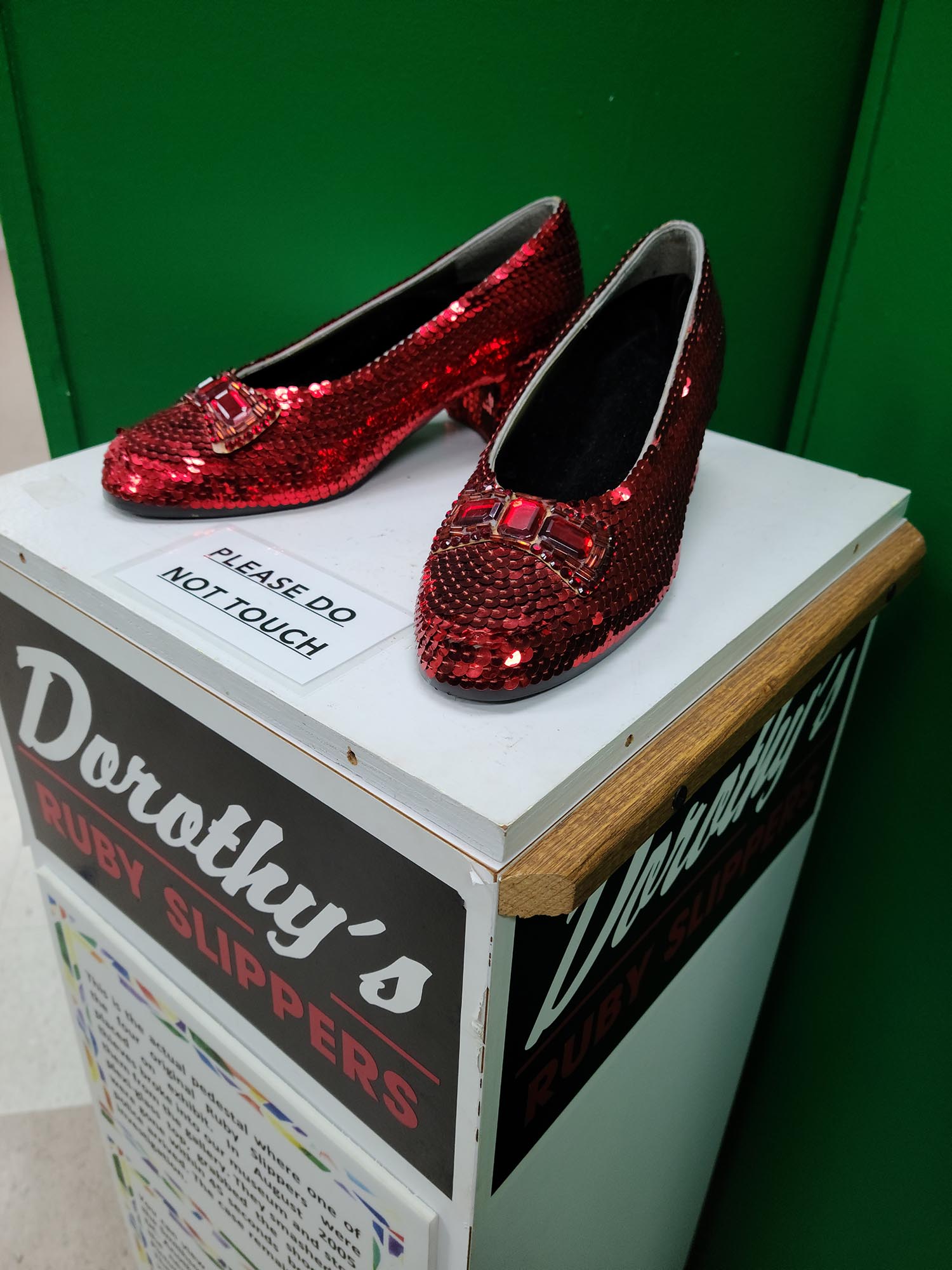
We enjoyed seeing the Lincoln Carriage – the carriage that Dorothy and her friends take into the Emerald City. Of course, there’s also the ruby slippers. You may have heard that the slippers, one of at least four pairs, were stolen from the museum in 2005 and then found recently by the FBI. Although they were recovered, they haven’t been returned to the museum and the perpetrators have not been brought to justice.

There are ruby slippers on display at the museum, but they are obvious replicas, not the originals. (Although, the podium is the original podium the stolen slippers rested upon, according to a somewhat amusing sign.)

The infamous ruby slippers.

One thing I found strange was that the COVID arrows in the museum direct visitors on a path through Judy’s life backwards. You first see all the memorabilia from her death and when she was famous, and the displays end with her beginnings in Grand Rapids. I’m not sure if that route was due to COVID requirements or if that’s the way the displays were planned.

The chance to look inside Judy’s home was fascinating. The structure was originally built in 1892 by a steamboat captain and his wife. Judy’s parents Frank and Ethel Gumm purchased it was their first family home in 1919. They moved out in 1926 to California. The house was first transplanted in 1938 to make way for a hotel, which was never built. It was brought to its current site in 1994.

While touring the house, visitors are treated to piped-in Judy Garland music. I found that was what I was missing in the museum. Judy’s voice was her claim to fame and it felt weird up to that point not to hear it.

“Judy’s crib” in her parents’ bedroom.

Some pieces of the house are original and some contain carefully curated replicas. One thing you might not know is that Judy didn’t have her own bedroom. She slept in a crib in her parents’ room and her two older sisters shared the bedroom next door. Although the bedrooms were much smaller than we’re used to today, the lower level of the house seemed spacious and similar to present-day homes.

On our way out of the museum, we passed the Children’s Discovery Center, where a raucous birthday party was in the works. There’s also a gift shop that I’m sure will meet all your Judy Garland memorabilia needs.

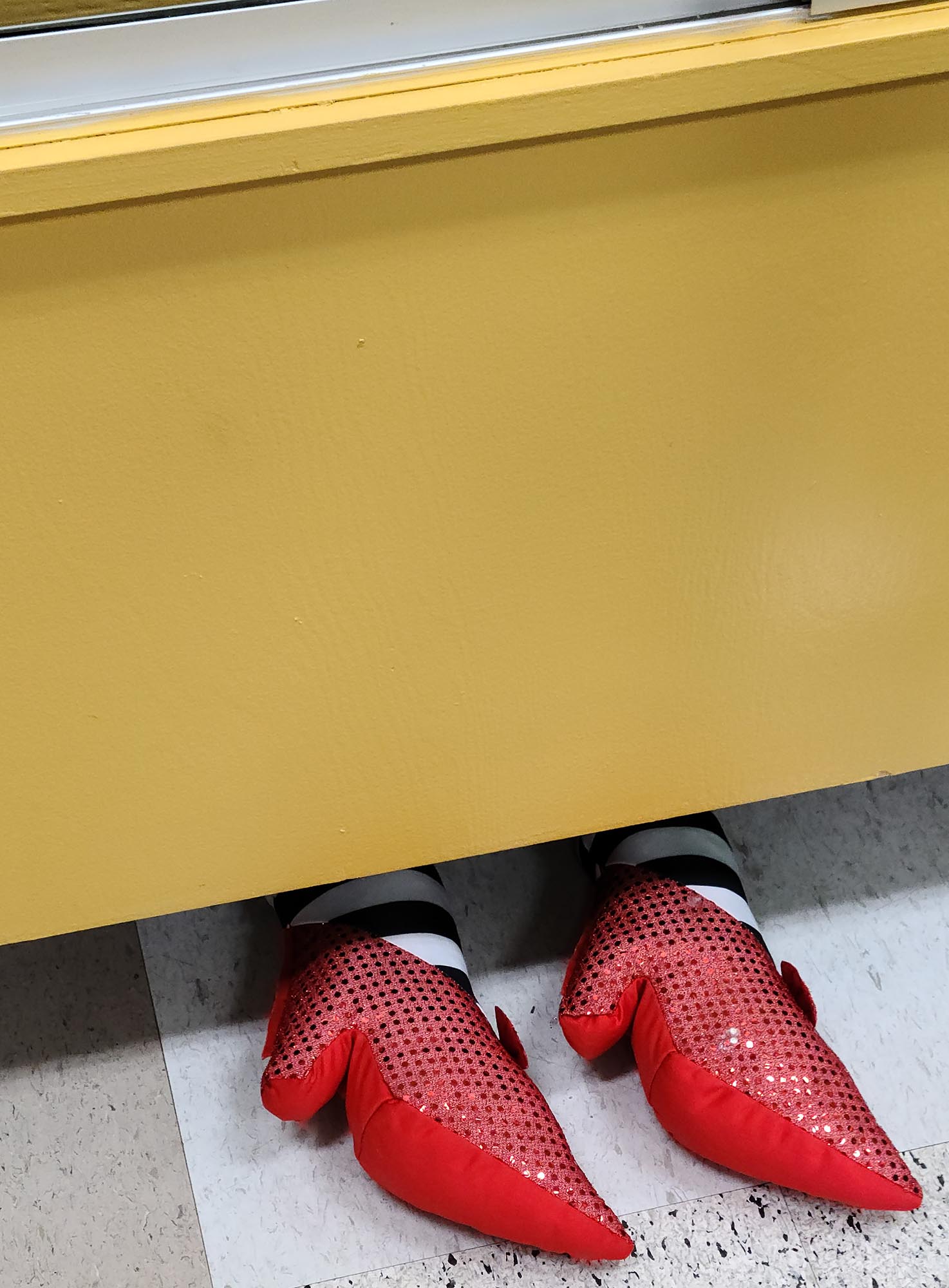
I appreciated the humor in this particular museum display.

I left the museum feeling a bit weirded out and sad for Judy. Imagine having your personal items all out for display to the public! You also get the feeling that she was all too used to having her talent used to make other people money. But I was glad I visited, and feel the museum is a good tribute to this outstanding Minnesota girl.

Mini-Minnesota Vacation #5: Grand Marais and Oberg Mountain

The Path to Enlightenment, Grand Marais, MN

Sometimes you can visit a town many times for decades but still discover new places in it. That’s the way Grand Marais, Minnesota, was when Russ and I meandered north for a weekend in our Scamp.

We were too slow on the uptake to get a reservation at the municipal campground, which is right on the shores of the harbor. But half of the sites (the ones closest to Lake Superior) are first-come, first-served, and there are a lot of them. We figured if we arrived early in the afternoon, we might have a good chance of finding an open site. We didn’t have the option of travelling during a different weekend because we had reservations for a concert that wasn’t happening any other time. We made backup plans to camp in a friend’s driveway and headed out.

I’m sure the suspense is killing you. Did they find a campsite? Yes, we did. In fact, we had five to choose from, thanks to the shortness of our Scamp (13 feet). After we got situated, we had several hours before supper and the concert. We meandered around the campground, getting the lay of the land. We walked into town and along the way, checked out the fishing museum that’s on the shore of the harbor. It features an old fish house complete with fisherman mannequins, a fishing boat, and a smoke house.

Sailboat Layercake. The Hjordis sailing out of the Grand Marais Harbor.

In town, we visited the Johnson Heritage Post Art Gallery, one of the places I’ve never been inside, despite coming to Grand Marais periodically for fifty years. Unbeknownst to us, the town was hosting a plein air (outdoors) painting festival and competition that week. The artists’ works were displayed in the gallery – a most impressive and inspiring collection!

No visit to the town is complete for us unless we stop in at the Ben Franklin Department Store. The owners are friends who we don’t get to see nearly enough. We also had time to visit the Sivertson Art Gallery, which I think I’ve only been inside once – another notable collection of local artists and photographers.

After supper at the Angry Trout Cafe, which features local foods (note, the Trout is open all year now but is closed sometimes in November), we headed north just outside of town for the concert. The artist is Michael Monroe, an acoustic guitar, ukulele and glass flute musician who’s popular in Minnesota (and other parts of the country, I’m sure!) He offers log cabin concerts. I signed up for our concert months in advance and was dismayed to learn along the way that Michael and his partner Deb sold their log cabin. But they found a friend who was willing to host the concert in their cabin right on the shore of Lake Superior, literally eight feet away from the water.

Musician Michael Monroe

With the sound of waves as a backdrop, we enjoyed an intimate concert in a home environment. Michael’s music makes a person feel all warm and fuzzy inside. If you like Cat Stevens, Paul Simon, and Joni Mitchell, you’ll love Michael’s music.

After a peaceful rainy night’s sleep (we were impressed by how quiet the campground was), the following day, we pursued more natural activities. Right next door to the campground is the Sweetheart’s Bluff Nature Area. An easy, wheelchair-friendly trail begins on the end of one of the campground loops, offering lake and woodland views. If you’re up for a challenge, take the definitely not wheelchair-friendly black diamond-level trail up the bluff. Be prepared to clamber! But the views of the lake and harbor are worth the effort.

The view of Grand Marais from Sweetheart’s Bluff.

Soon, it was time to vacate our weekend home. One place I wish we would have stopped in Grand Maris is the Gunflint Mercantile. They make THE BEST maple chocolate truffles on Earth. Maybe next time!

On our way home, we stopped just outside of Tofte to hike the Oberg Mountain Trail.  This fairly easy three-mile loop is known for stellar views of the Superior National Forest and Oberg Lake. The Forest Service says the trail gets “medium” usage, but when we were there on a colorful fall day, I would classify the usage as extreme. There were tons of people there and parking was at a premium. It felt more like a major national park attraction than a national forest.

As we hiked through the cedars and maples, fog began to roll in off Lake Superior. The first few overlooks we reached were totally shrouded. So much for stellar views. But we persisted and were rewarded by fog-free views on the other side of the mountain.

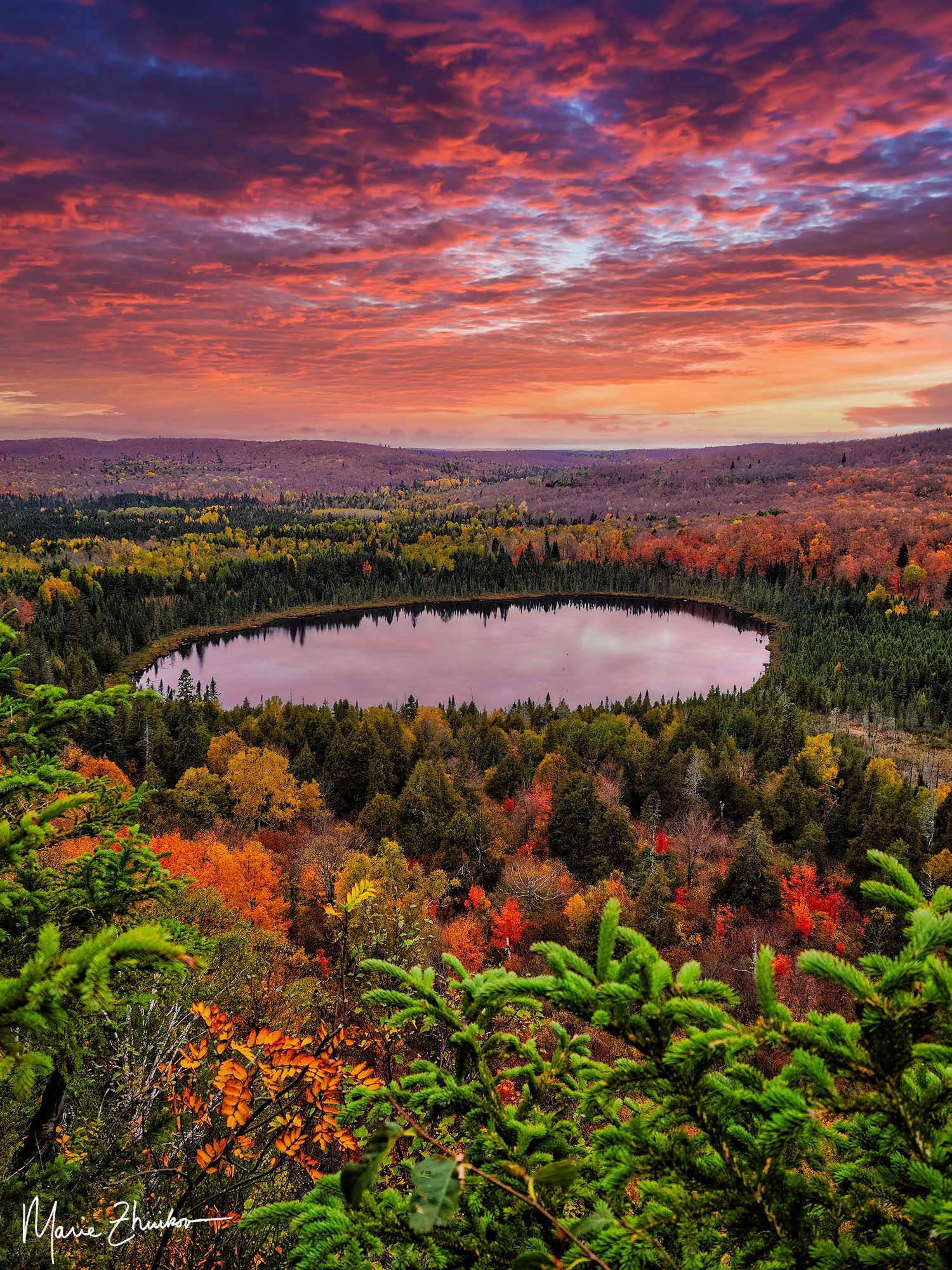
Easter Egg Fall. Oberg Lake as seen from Oberg Mountain.

The wildlife seemed used to people. I was able to get a close look at a hairy woodpecker working on a birch. The red squirrels seemed to delight in racing across the trail just steps away. A ruffed grouse took noisy flight nearby.

All the good art we saw must have rubbed off, because I took some pretty darn good photos. Here’s a show of the ones I haven’t already shared.

I hope everyone’s having a good fall. Stay safe, my friends.