We expected only a few local poets would be interested. We thought they’d offer poems about the St. Louis River on the Minnesota-Wisconsin border.
That was our mindset when the River Talk planning team at my workplace first developed the theme for the public poetry reading to be held in conjunction with the St. Louis River Summit as an evening program in March 2021. We were mistaken, but in the best possible way.
In reality, our call for river poems through the literary submission management platform Submittable garnered interest from 76 poets from across the U.S. and around the world. They submitted 148 poems for consideration.
“As it turns out, a lot of people like to write about rivers. That’s because they are really important in our communities and in our lives,” said Deanna Erickson, director of the National Lake Superior Estuarine Research Reserve, which co-sponsors the River Talk series with Wisconsin Sea Grant.
We quickly realized we were going to need more judges. In the end, we gathered six who represented a good cross-section of the audience we expected to attend the summit.
The judging was “blind,” which means the poets’ names were not associated with their poems. After two rounds, the judges narrowed the number of poems down to a dozen, with a few for backup in case any of the chosen poets could not be reached.
Although communication was sometimes a challenge, all 12 poets were enthusiastic about participating in the reading. They represented a wide diversity of ages and ethnicities.
The River Talk was a couple of weeks ago, but the warm fuzzy feelings it engendered remain with me. I could use many adjectives to describe it: powerful, beautiful, stark, raw, funny — but it’s really best if you listen to the poems and feel all the feels for yourselves. The reading drew 85 Zoomers, a record attendance.
The Lake Superior Reserve, our partner in the talks, recorded the reading and it’s available on their YouTube channel. Here’s a list of the poets (in the order they read) and the names of their poems:
Tyler Dettloff (Michigan) “My Stars”
Heather Dobbins (Arkansas) “I Held us on for 36 Hours after the Levee Broke to hell”
Ben Green (New Mexico) “Immersion: A Prayer of Intent”
Lorraine Lamey (Michigan) “Catching Your Drift”
Joan Macintosh (Newfoundland) “The Current Feels”
Kate Meyer-Currey (England) “Timberscombe”
Rebecca Nelson (California) “Of the St. Louis River”
Stephanie Niu (New York) “To the Beaver’s Eyes”
Diana Randolph (Wisconsin) “Knowing the Way”
Ron Riekki (Florida) “It Took a Long Time to Discover”
Derold Sligh (South Korea) “Rouge River”
Lucy Tyrrell (Wisconsin) “Talking Water”
Ironically, the one poem specifically about the St. Louis River was written by someone who had never visited it. Rebecca Nelson said her poem, “Of the St. Louis River” was inspired by the spiritual experiences she’s had while watching water. She grew up in the Midwest and said she wrote the poem thinking of the rivers she knew from childhood. “I would love to visit sometime after the pandemic!” Nelson said.
Barb Huberty, St. Louis River Area of Concern coordinator for the Minnesota Pollution Control Agency, offered this comment in the Zoom chat, “I never knew that poetry could unite people across the globe.”
Sharon Moen, Eat Wisconsin Fish outreach specialist for Wisconsin Sea Grant, offered, “Thank you to all the poets and organizers! I am inspired by the depth of your thoughts and stories.”
Remaining River Talks will be held on April 14 and May 12. For more information, visit the River Talks page: go.wisc.edu/4uz720.

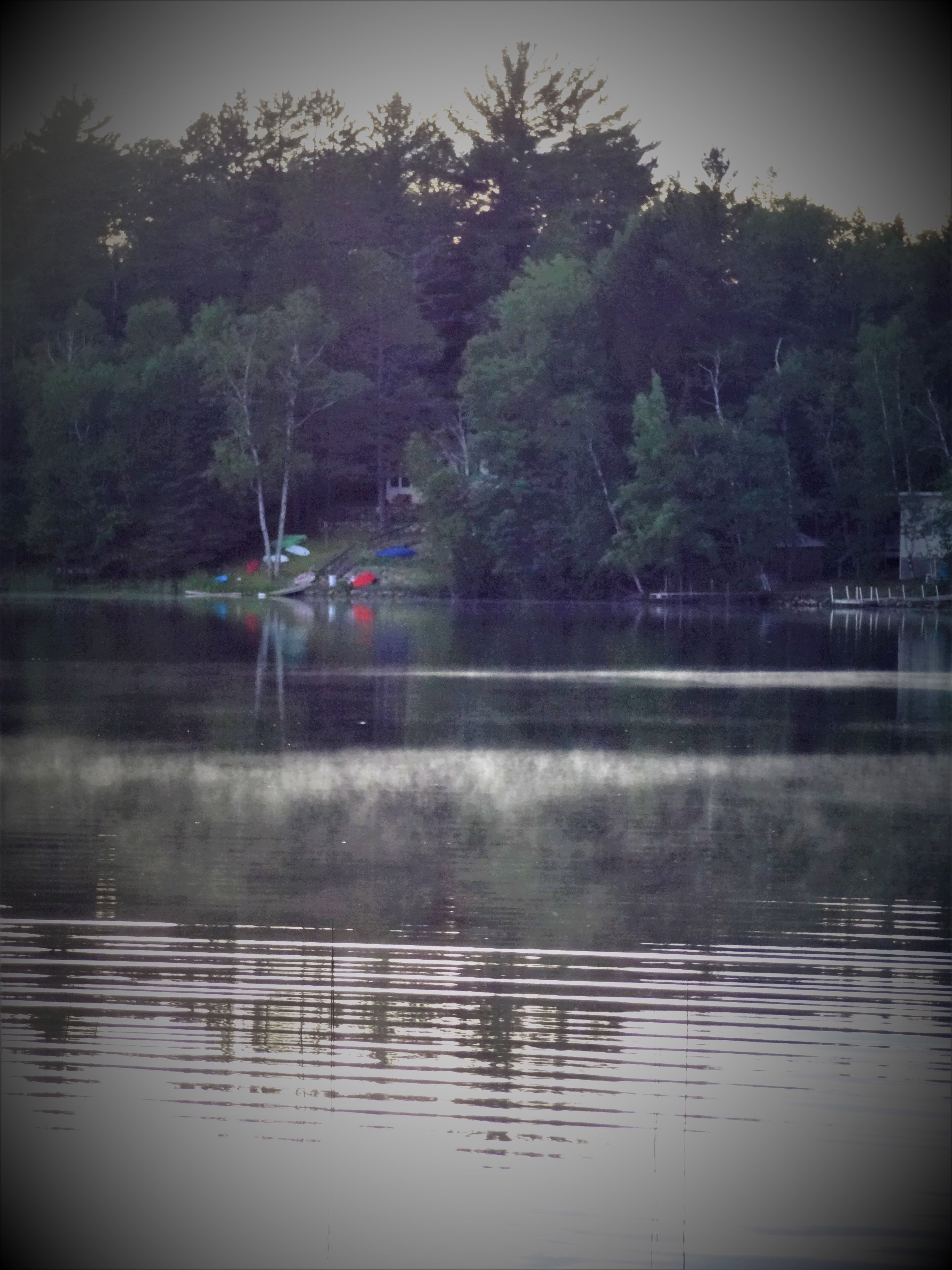 I awaken at 6 a.m., roll over and look at the lake outside the window. The water is smooth as a scrying mirror. The sun peeks over the spruces, encouraging a lake mist to form.
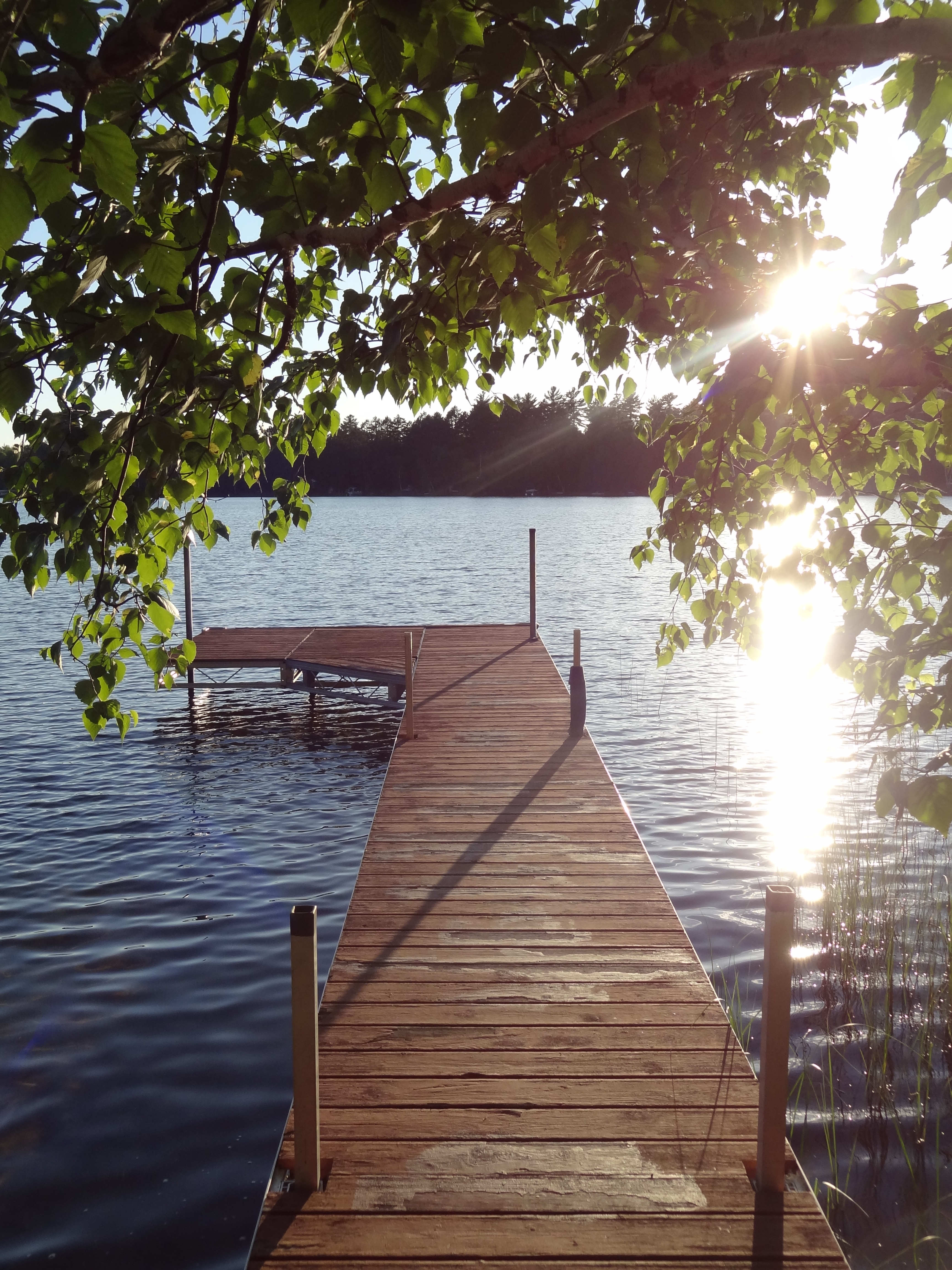 Opening the boathouse door, I inhale. There’s nothing like that old boathouse smell – decades of damp, mixed with a little mustiness and a hint of worn wood.
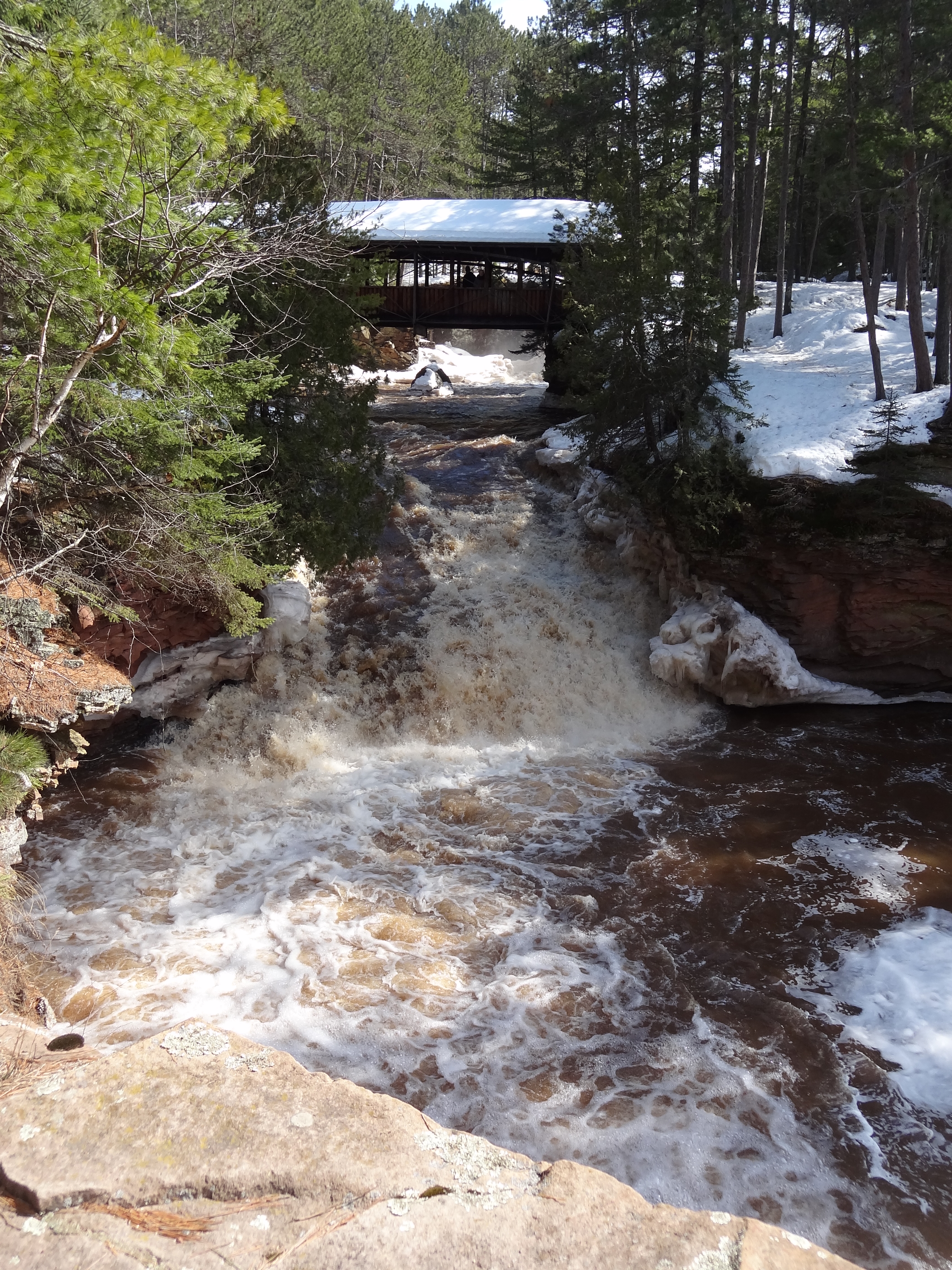


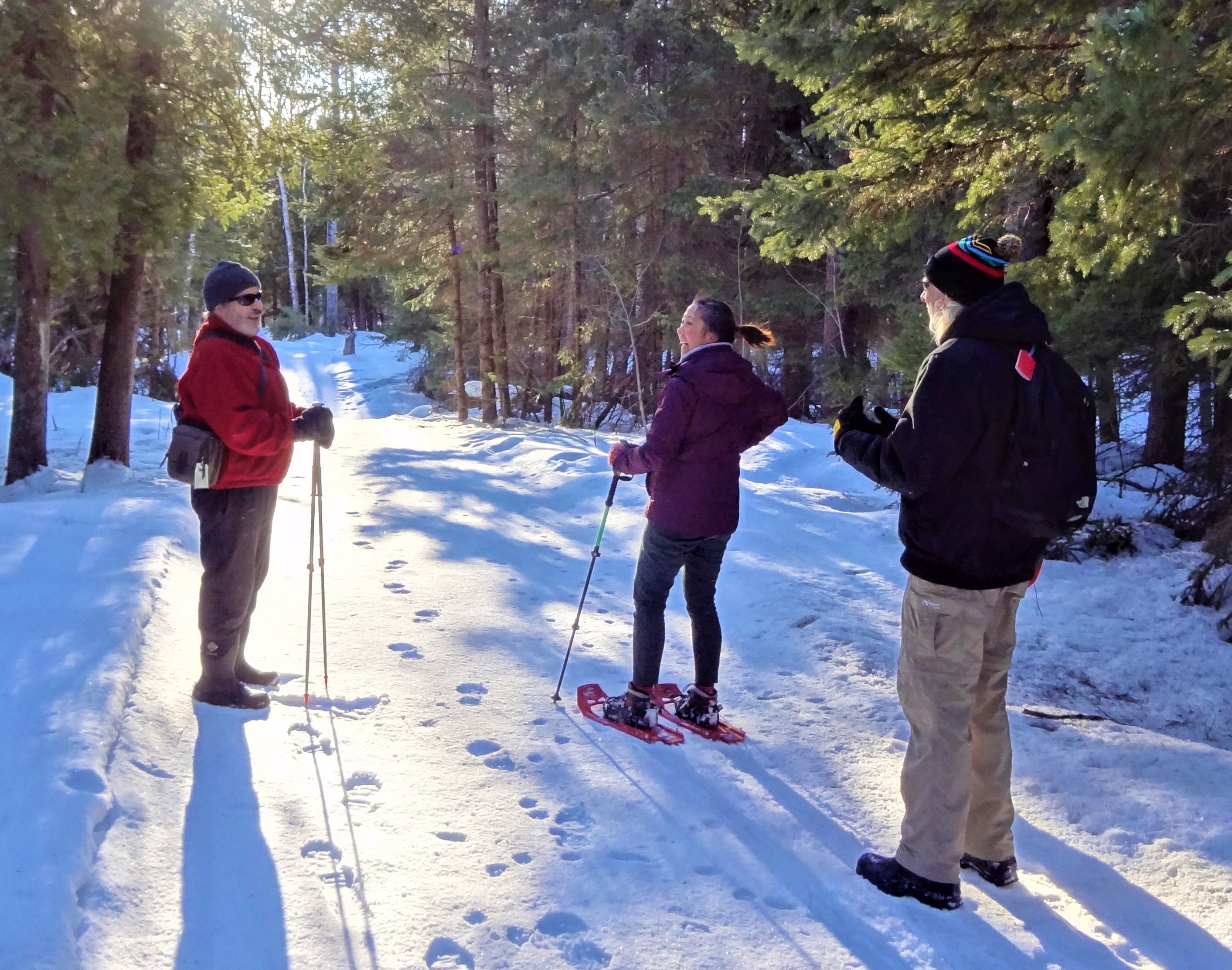
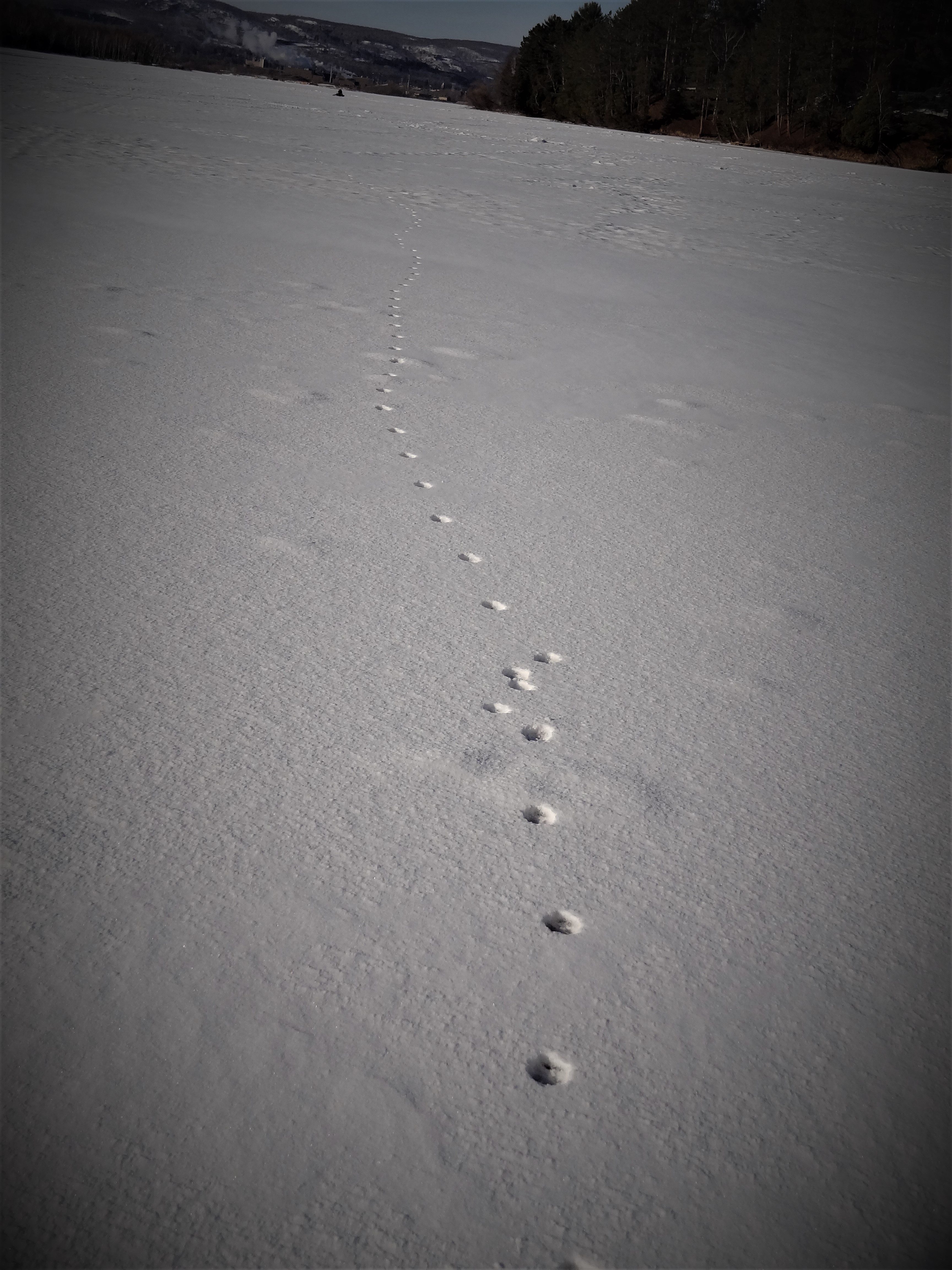

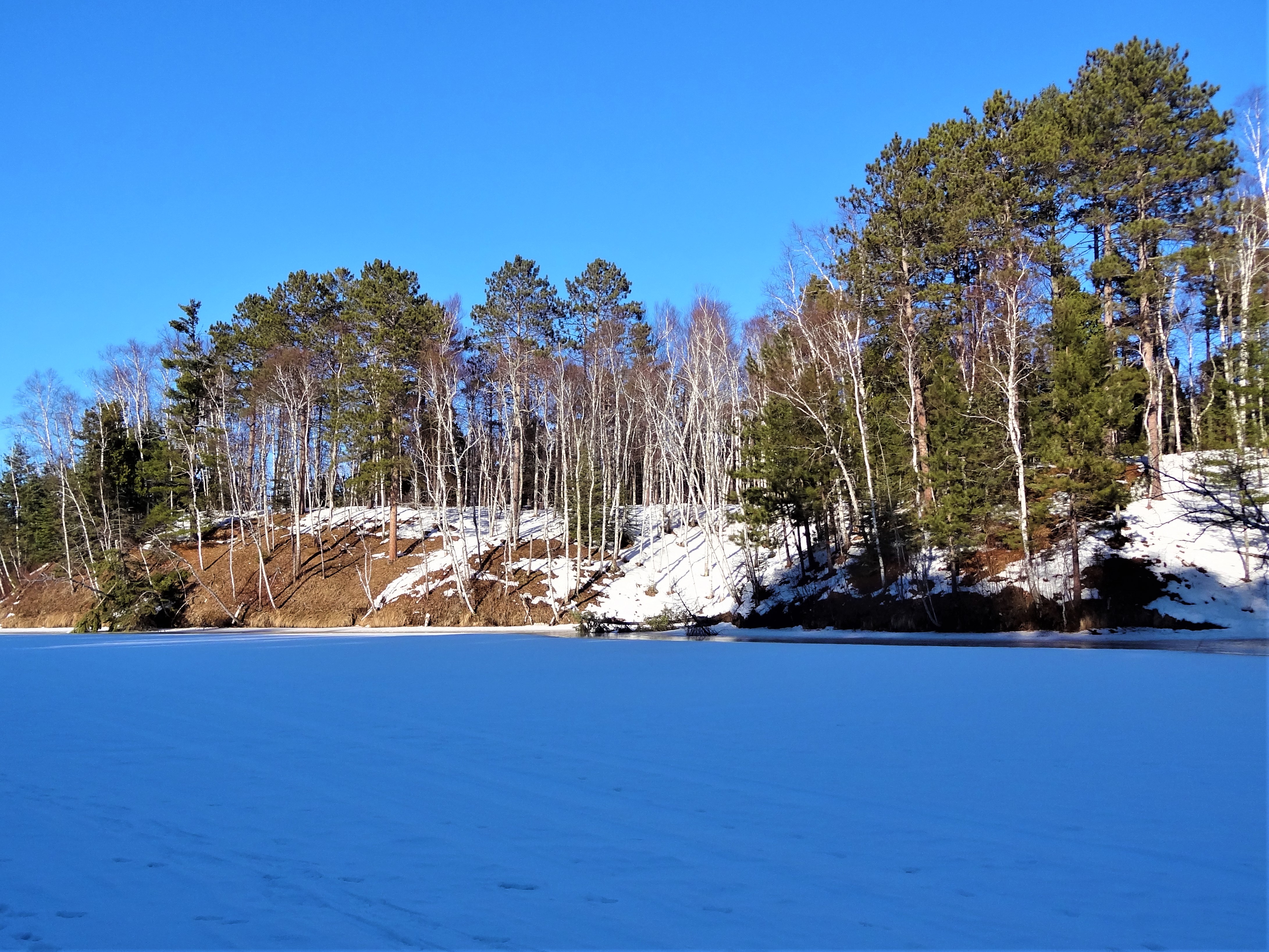
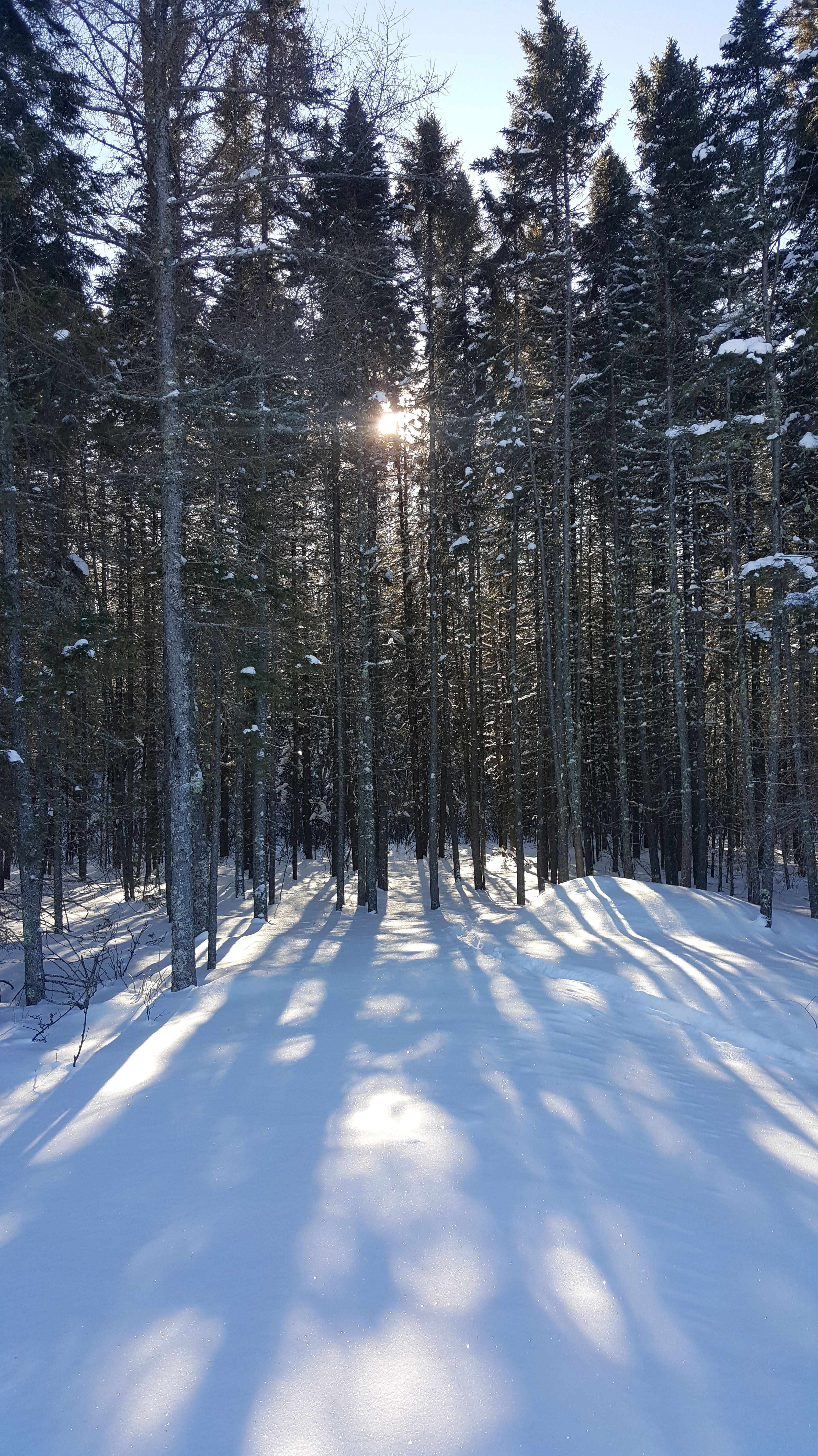 Russ and I visited a northern Minnesota lake last weekend. Spent part of an afternoon snowshoeing on a frozen lake. The morning’s hoarfrost floated down from the trees, looking like snow magically falling from a clear blue sky.


 Russ bought a 13-foot Scamp trailer about a year ago and we hadn’t had time to use it until now. Scamps are cute little lightweight campers made in Minnesota. Ours has all the comforts of home in a compact space. The only things missing are a bathroom and an oven.

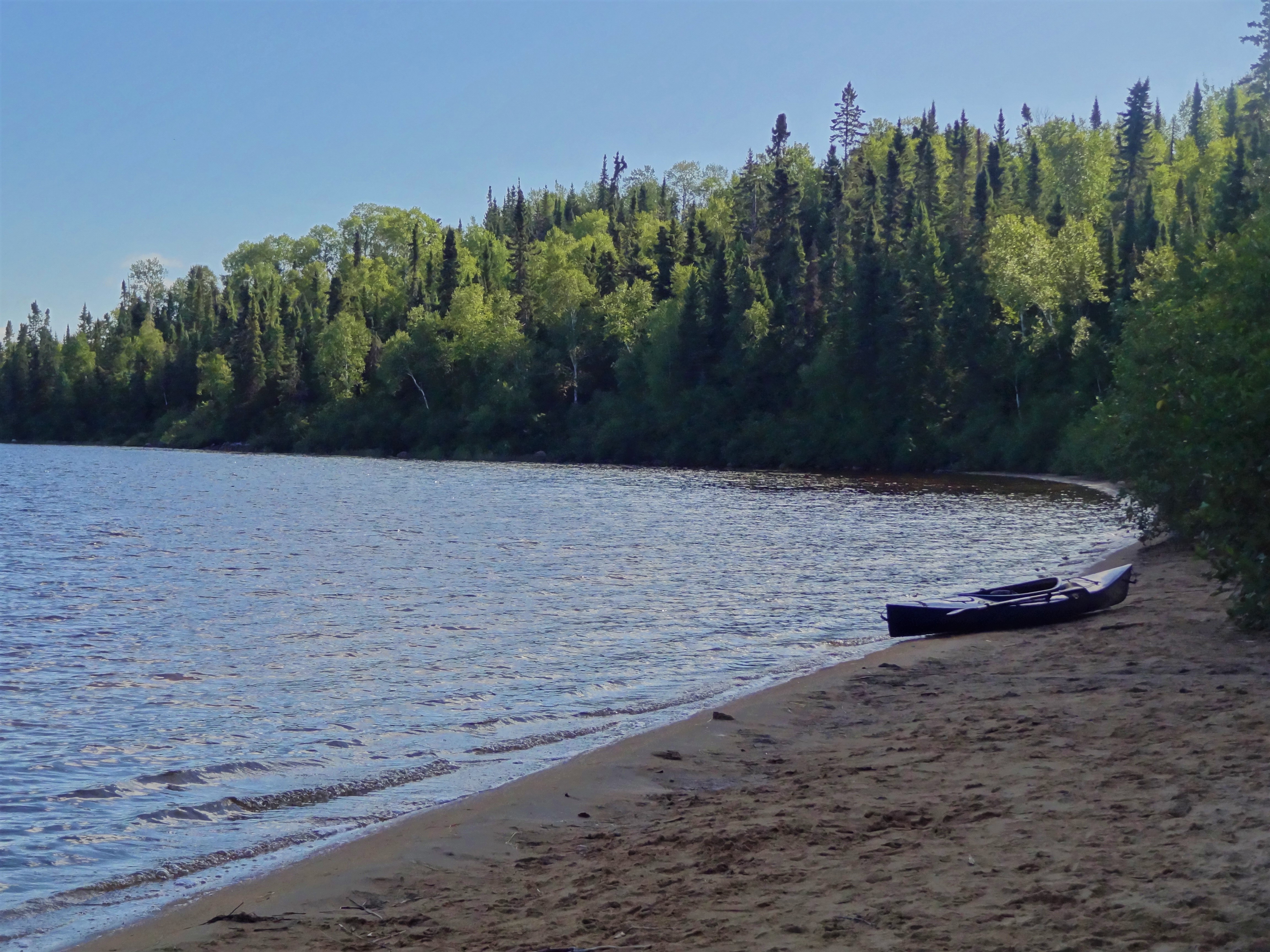
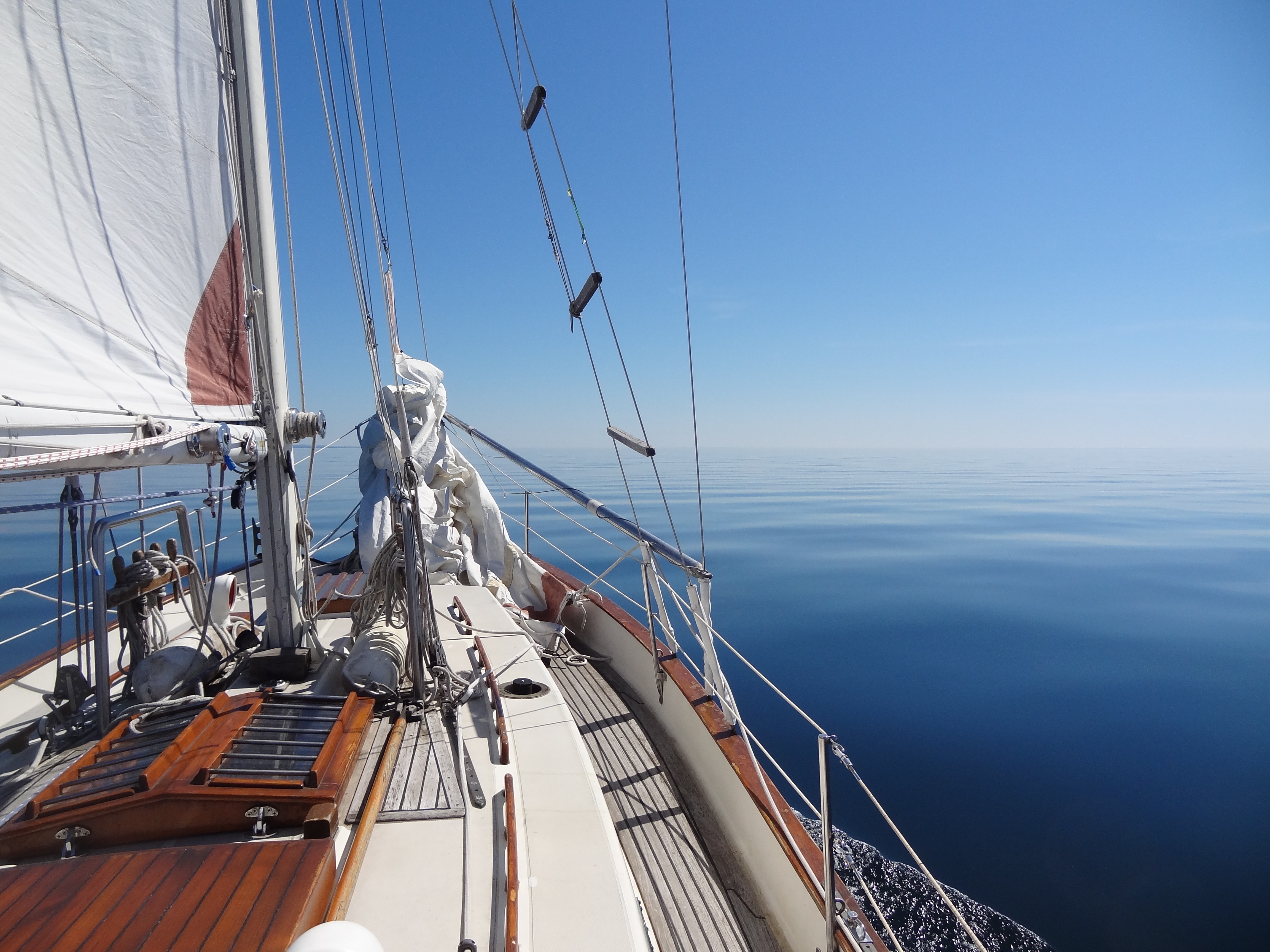 Russ and I had the privilege of crewing on the sailboat Neverland on a Lake Superior cruise during the 4th of July week. We sailed from Grand Marais, Minnesota, to Red Rock, Canada, which is as far north as you can go on the lake.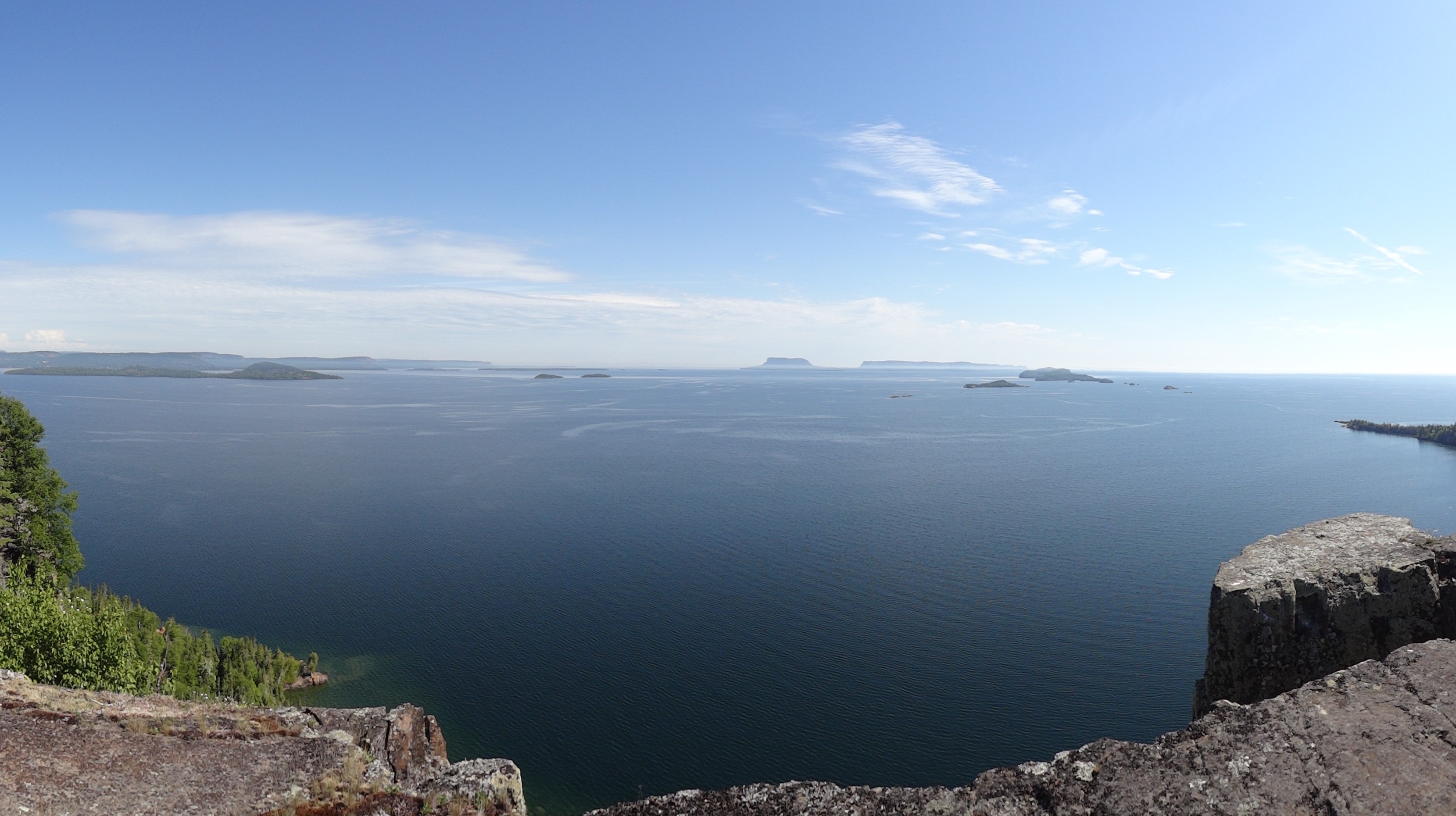


 After dinner, Russ and I went on deck and took out the sparklers. We were heartened to see they still worked. We had our own little private fourth of July celebration as the sparklers quietly hissed and threw their light into the Canadian evening.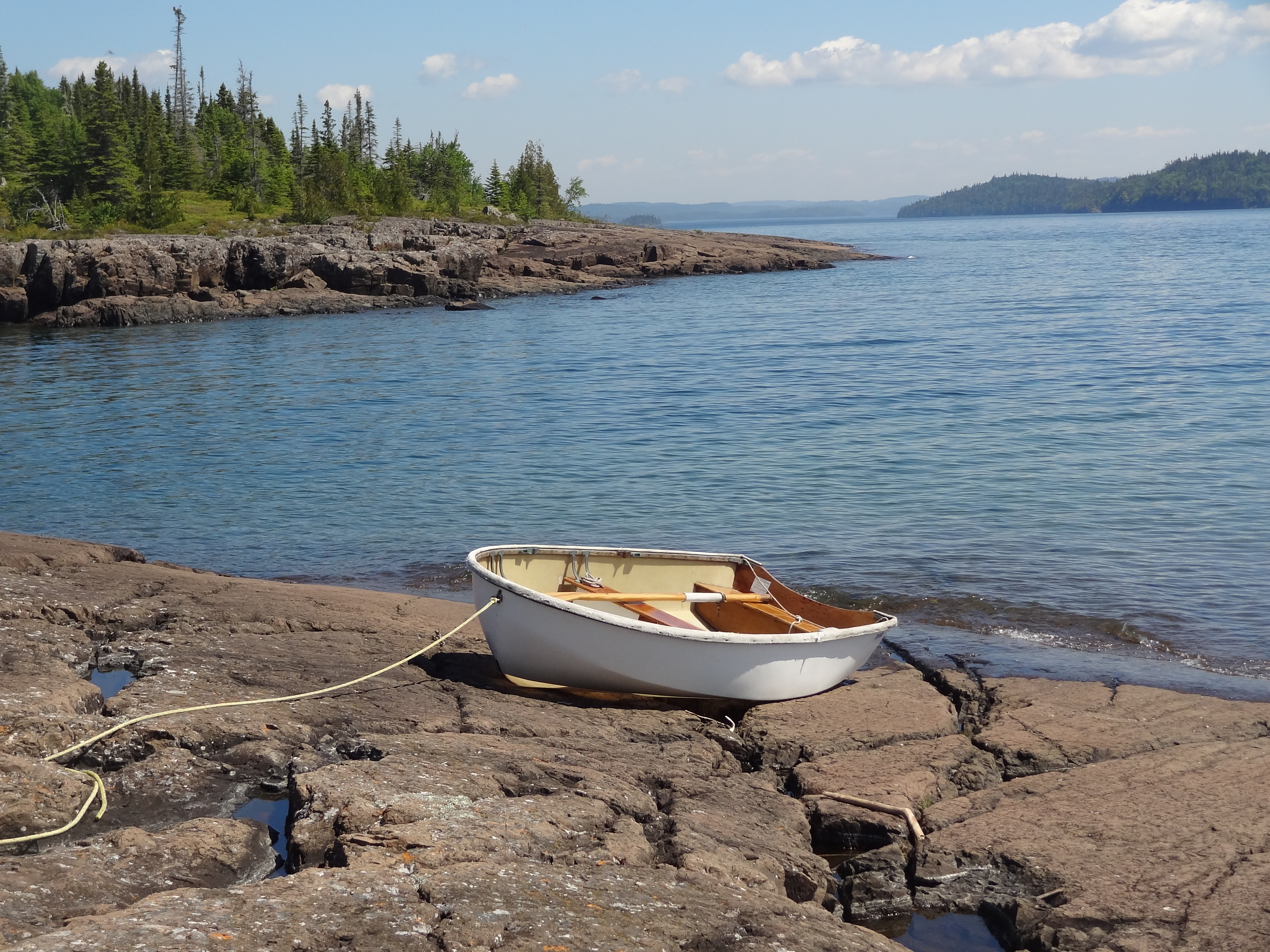
 Marie's Meanderings