Scotland Day 10: The Last Day!

The Sir Walter Scott Monument, Edinburgh

After an awesome Outlander Tour and seeing the Tower of Clackmannan the previous day, we spent our final day in Scotland meandering some more around Edinburgh. We walked through the Princes Street Gardens, marveling at the fountain, statues, and quaint homes that can be viewed from it.

Homes seen from the Princes Street Gardens, Edinburgh

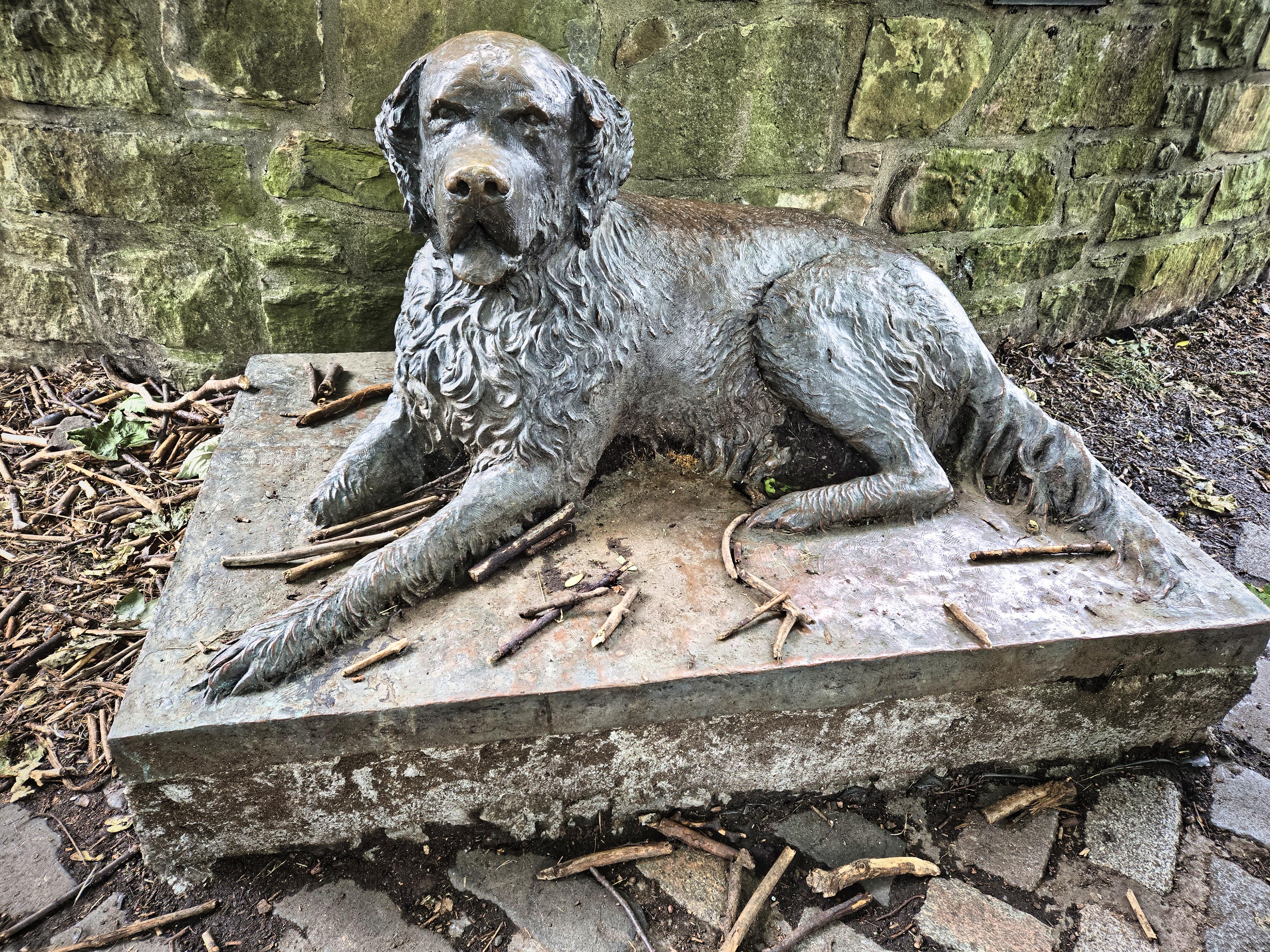
One unexpected sight was a statue memorializing Bum the Dog. Usually, everyone wants to see Greyfriars Bobby, the cute little statue of a terrier who slept on his master’s grave for years. I mean, the dog has even had a movie made about him! I don’t know. I much prefer the less popular landmark of Bum.

Bum, the San Diego dog, in Scotland

This remarkable dog disembarked from a ship in San Diego, where he won the hearts of the populace. The half-St. Bernard, half-Spaniel was owned by everyone and no one. Butchers fed him scraps and local doctors met his medical needs. He was so beloved that when San Diego issued its first dog license, Bum’s image adorned it.

His likeness sits in a small park in Edinburgh in tribute to San Diego, which is Edinburgh’s sister city. The Scots gifted San Diego with a statue of Bobby. The dogs represent the spirit of a twinning link friendship, loyalty, and shared experience. Bum died at age 12 in 1898. His memorial is one of five dog statues in Edinburgh.

The Writers’ Museum, Edinburgh

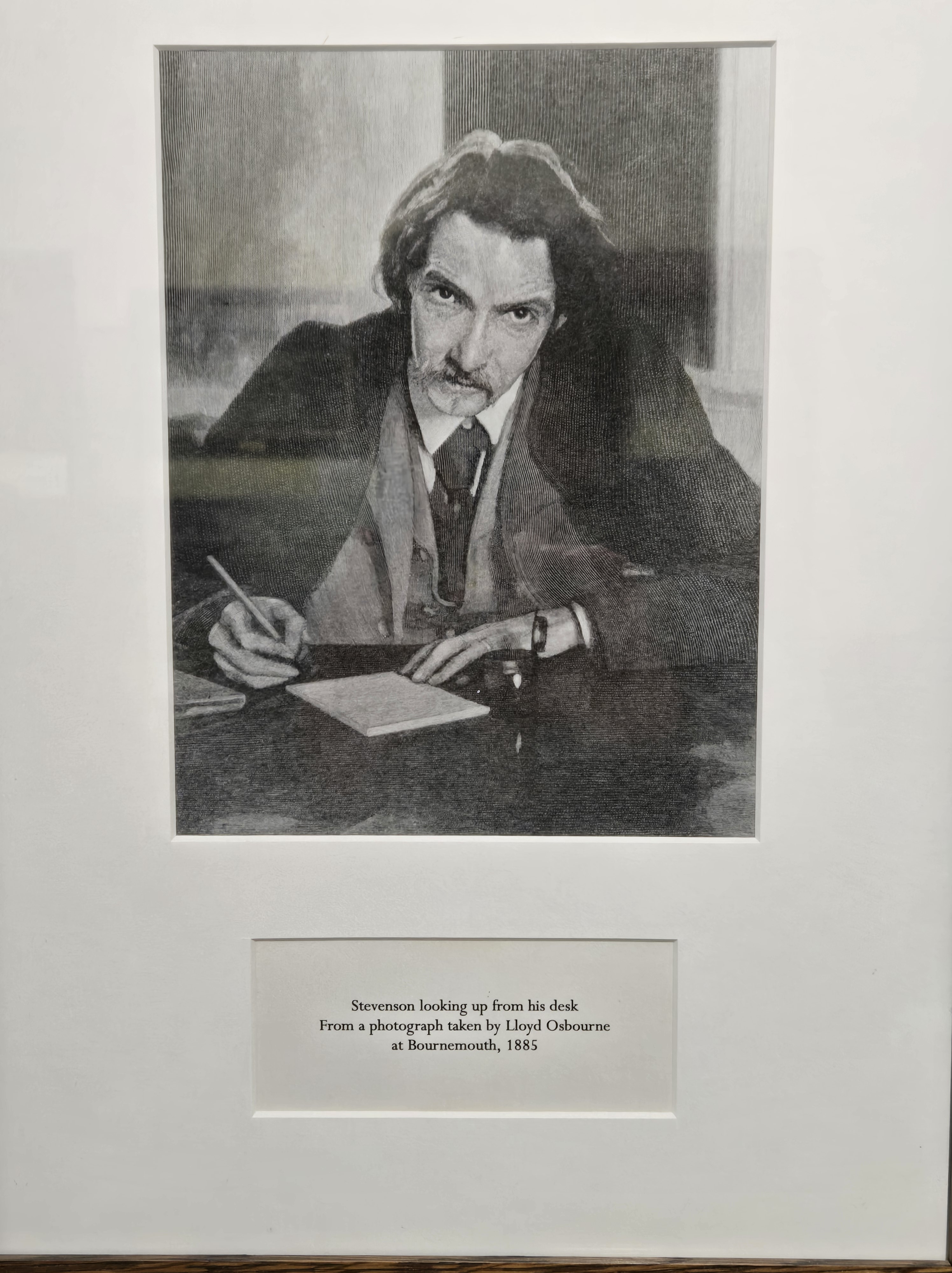
On the other side of the gardens, we made our way to the Writers’ Museum. It’s in a narrow stone building, complete with more spiral staircases (my favorite!) The free museum is devoted to three Scottish writers: Robert Louis Stevenson, Sir Walter Scott, and Robert Burns. I never knew that Stevenson spent his later years in Samoa. One of the artifacts we saw was a tortoise shell ring given to him by a Samoan chief, engraved with the name ‘Tusitala,’ meaning ‘teller of tales.’ 

Author Robert Lewis Stevenson

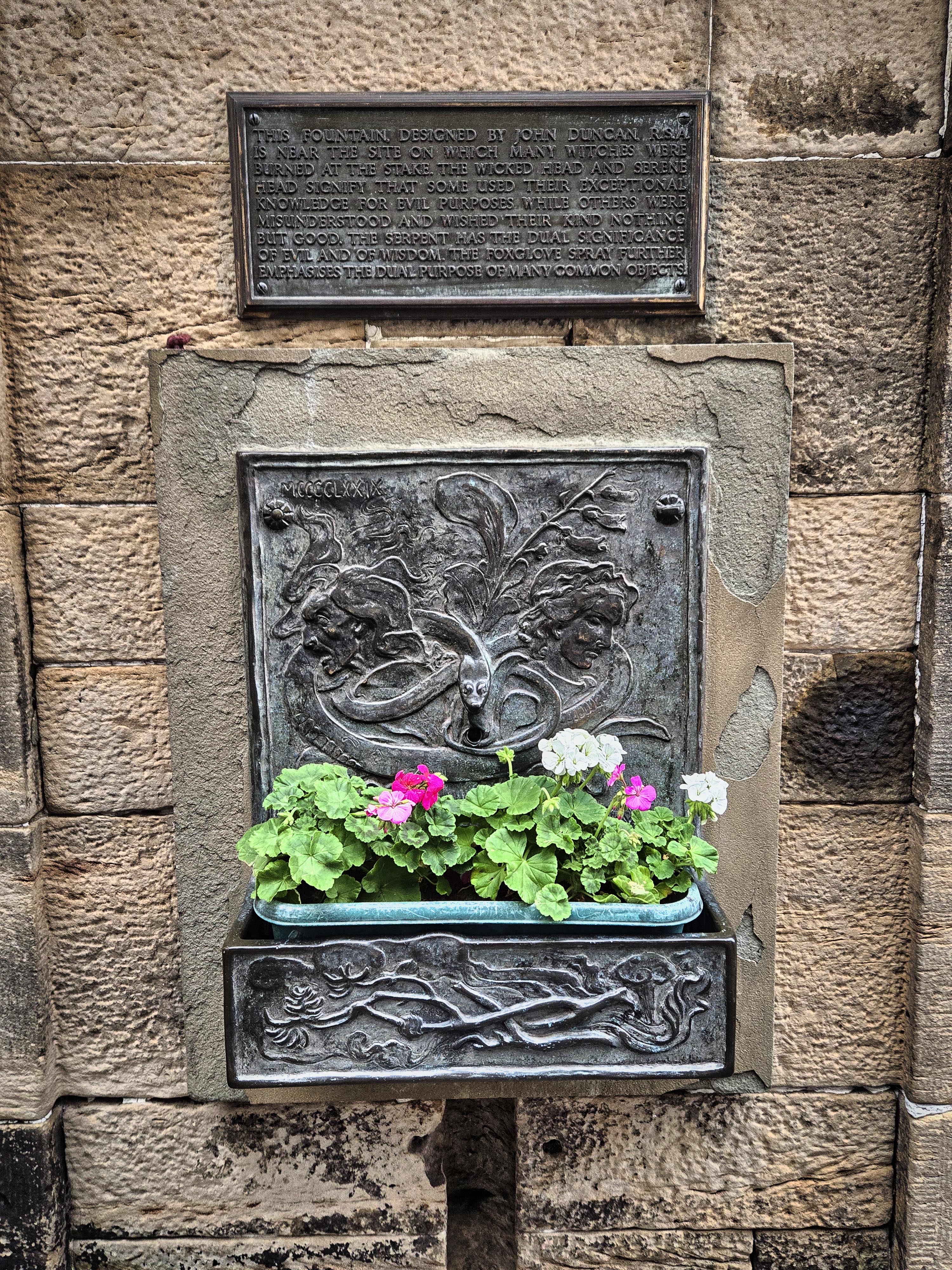
The museum is near the Royal Mile, so we walked down that again, picking up last gifts for people back home. We also found the Witches’ Well, a memorial to all the women who were killed for practicing “witchcraft.” They were strangled and burnt on Edinburgh Castle’s Esplanade. It’s so small, we almost missed it! Surely, a memorial to the deaths hundreds of people should be a bit larger?

The Witches’ Well, Edinburgh

The plaque features a bronze relief of witches’ heads entangled by a snake. It uses dualism to highlight the balance between good and evil and to show that every story has two sides. The relief contains the image of a foxglove plant, from the center of which is a coiled snake intertwined around the head of Aesculapius, the god of medicine, and his daughter Hygeia, the goddess of health. Foxglove, though used medicinally, can also be poisonous depending on dosage, and the image of the serpent imbued with wisdom is also acknowledged as evil. 

As if to counterbalance the paganism, we popped into St. Giles Cathedral, another free tour opportunity. It’s quite the impressive structure! It was built in 1124 and has no doubt been rebuilt over time. I loved the ornate ceiling.

St. Giles Cathedral, Edinburgh

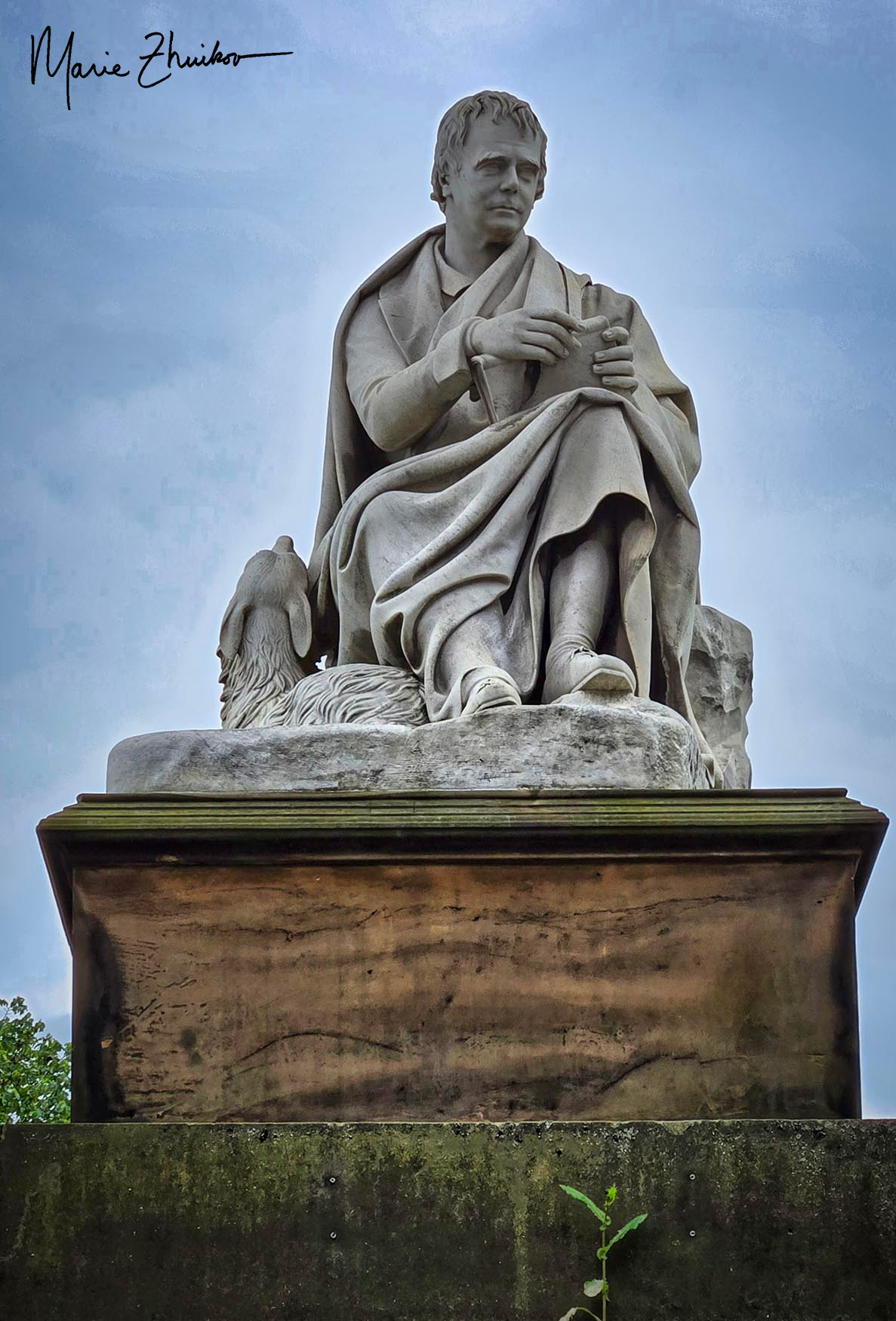
On our walk back to our hotel, we passed the Sir Walter Scott Monument, or the “gothic rocket ship” as our Outlander tour guide Henry dubbed it. I climbed the monument as a child and didn’t particularly feel the need to traverse more spiral staircases with my mending broken ankle now, so we appreciated it from the ground. Sir Walter’s statue in the middle of the tower sported another one of Edinburgh’s dogs, which sits by Sir Walter’s side. The dog, Maida, was a cross between a highland deerhound and a Pyrenean wolfdog.

Sir Walter Scott and Maida

At the hotel, we got spiffed up for our final dinner in Scotland. We planned to go out in style! We had made reservations at The Rhubarb Restaurant, where rhubarb was first introduced to Scotland from Asia in the eighteenth century. Its garish yet fun interior reflects the plant: red velvet with green accents. So does its menu.

The Rhubarb Restaurant and Hotel

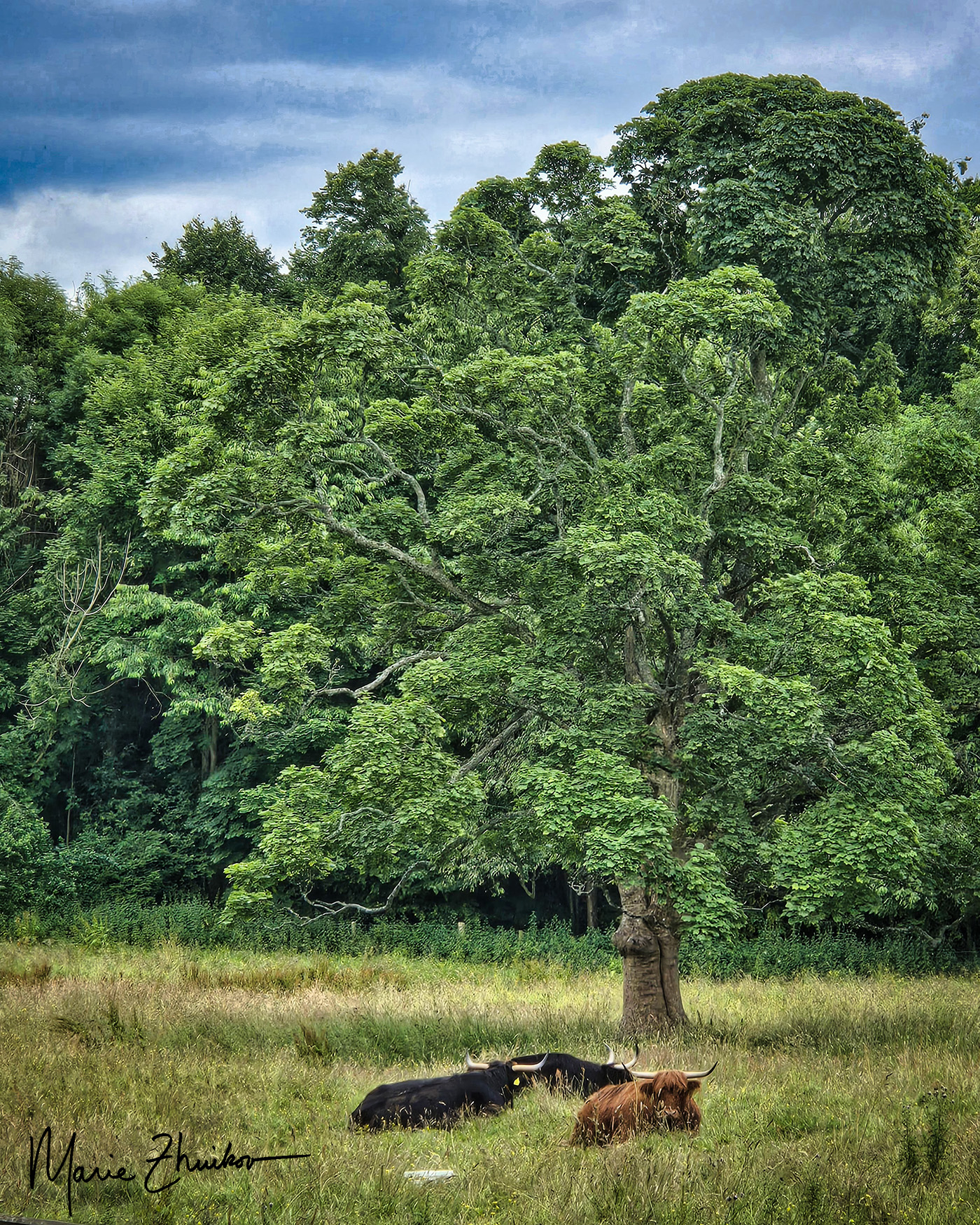
We caught a cab for a ride around the other side of Edinburgh Castle and Arthur’s Seat where the mansion and its large landholdings sit in the middle of the city. We had some time before our reservation and used it to explore the grounds and gardens. We were inordinately excited to see Highland cows (or coos) on the estate. We hadn’t seen any proper coos during our trip yet. There they were, lying underneath an impressive tree!

The coos! Rhubarb Restaurant Estate.

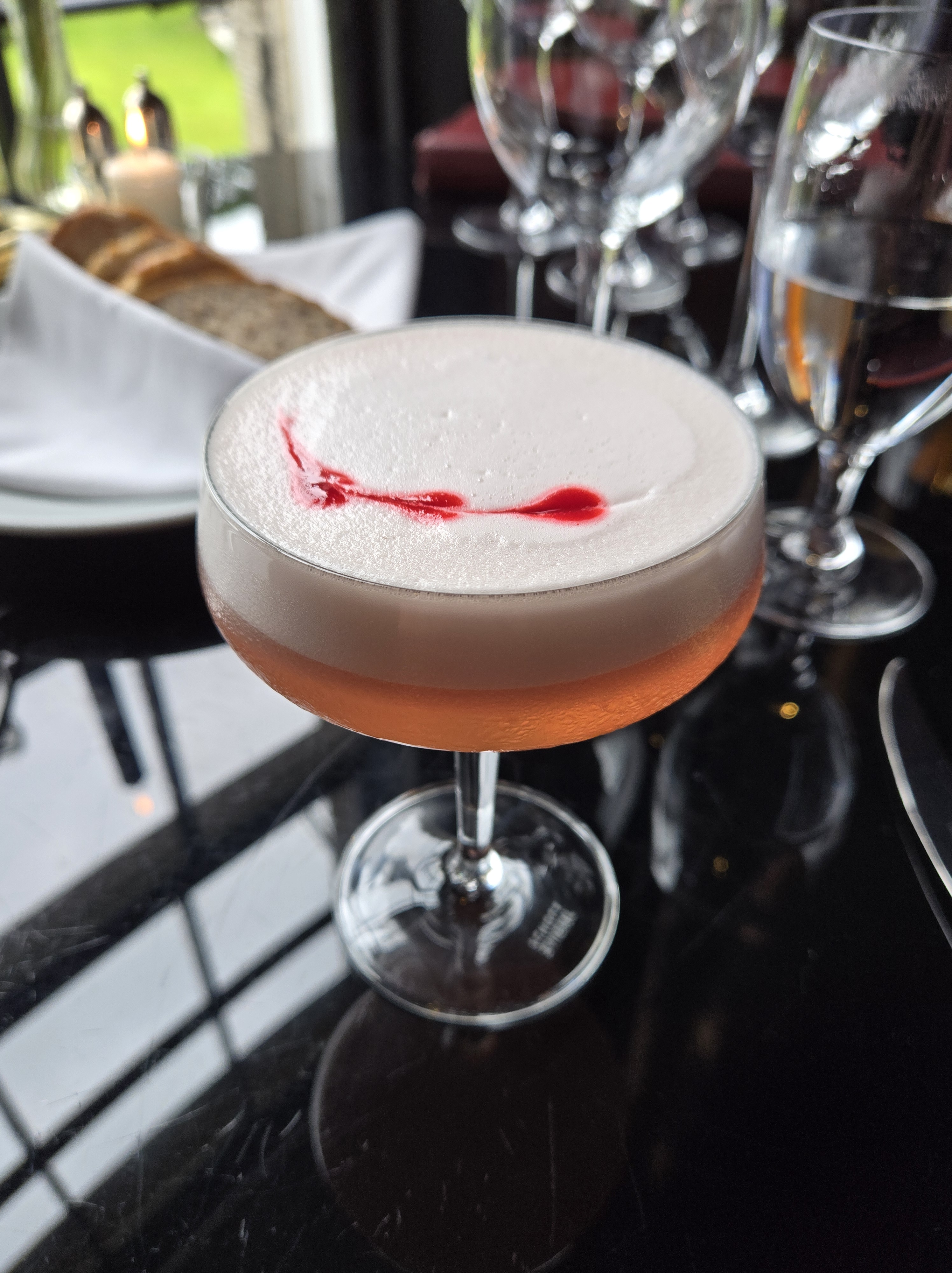
Inside, we were seated in a dining room (there are several) that offered a beautiful view of the grounds. I had a rhubarb-themed cocktail called the rhubarb patch. It had vermouth and rhubarb syrup — very good!

A rhubarb patch cocktail

For dinner, we shared a Châteaubriand Angus steak platter for two that was accompanied by potato purée, Lyonnaise potato with leek emulsion, crispy onions, braised red cabbage, honey-roasted pumpkin, beef dripping parsnips, a chicory and watercress salad, Béarnaise sauce, and Madeira jus. Oh man, the meat was so tender. As we ate, we watched a peacock strut outside and a cat scampering.

The view from our table. Note the peacock.

For dessert, Russ had a hazelnut banana ice cream concoction. I had tiramisu topped with a decorative chocolate square. Our dining experience was completed by a bagpiper who marched through the restaurant. I can’t think of a better way to top off our trip.

The Rhubarb Restaurant

The next day, however, we were slapped back into reality. Our plans were to fly to Dublin and then to Minneapolis. We made it to Dublin, but our plane arrived late from Edinburgh, and it took SO LONG to get through the Dublin Airport customs and security that we missed our flight to Minneapolis. When we arrived at the gate, they informed us we missed our flight by only two minutes! As it turned out, this was just as well because our baggage never even made it on the plane to Dublin because they didn’t have room for it.

Same as with our flights to Ireland at the beginning of this adventure, once again we were stranded without our baggage. But unlike that experience, this time the airline (Aer Lingus) put us up in a 4-star hotel and all our meals were paid for. It was a nice place, but it had a non-functioning toilet paper dispenser. How can a hotel get 4 stars with broken TP dispensers? I know, whine, whine. But we just wanted to get home! By now, we knew how to survive without a change of clothes or any toiletries. It really wasn’t that bad. What upset us was that due to this delay, we would miss our friends’ 50th wedding anniversary back home.

Russ’s hazelnut banana ice cream dessert, Rhubarb Restaurant

The next day at the airport, the lines for security and customs were EVEN LONGER (think hundreds of people) but we made it to our gate in time. Plus, once we landed in Minneapolis, our baggage was there, too!

So ends our nearly three-week excursion through Ireland and Scotland. Thanks for coming along on this epic ride. It’s taken me three months to write about everything. Reliving our adventures was so fun. Every time I wrote a post, I felt like I was right back in the experience. But my impatient mind already has ideas for six other topics I’d like to write posts about. I guess I’ll just have to keep blogging!

Despite setbacks, this trip opened our eyes to our pasts and gave Russ and I a stronger sense of where we come from. In Russ’s case, it’s a quaint hovel in the Irish countryside. In my case, it’s an imposing tower on a hill. It was truly a journey of discovery, and we feel so fortunate to have had these experiences.

I opened this series with a quote and I’m going to end with a favorite quote I discovered during our trip:

The world is full of magical things patiently waiting for our senses to become sharper. William Butler Yeats.

Keep your senses open, dear readers, and keep meandering!

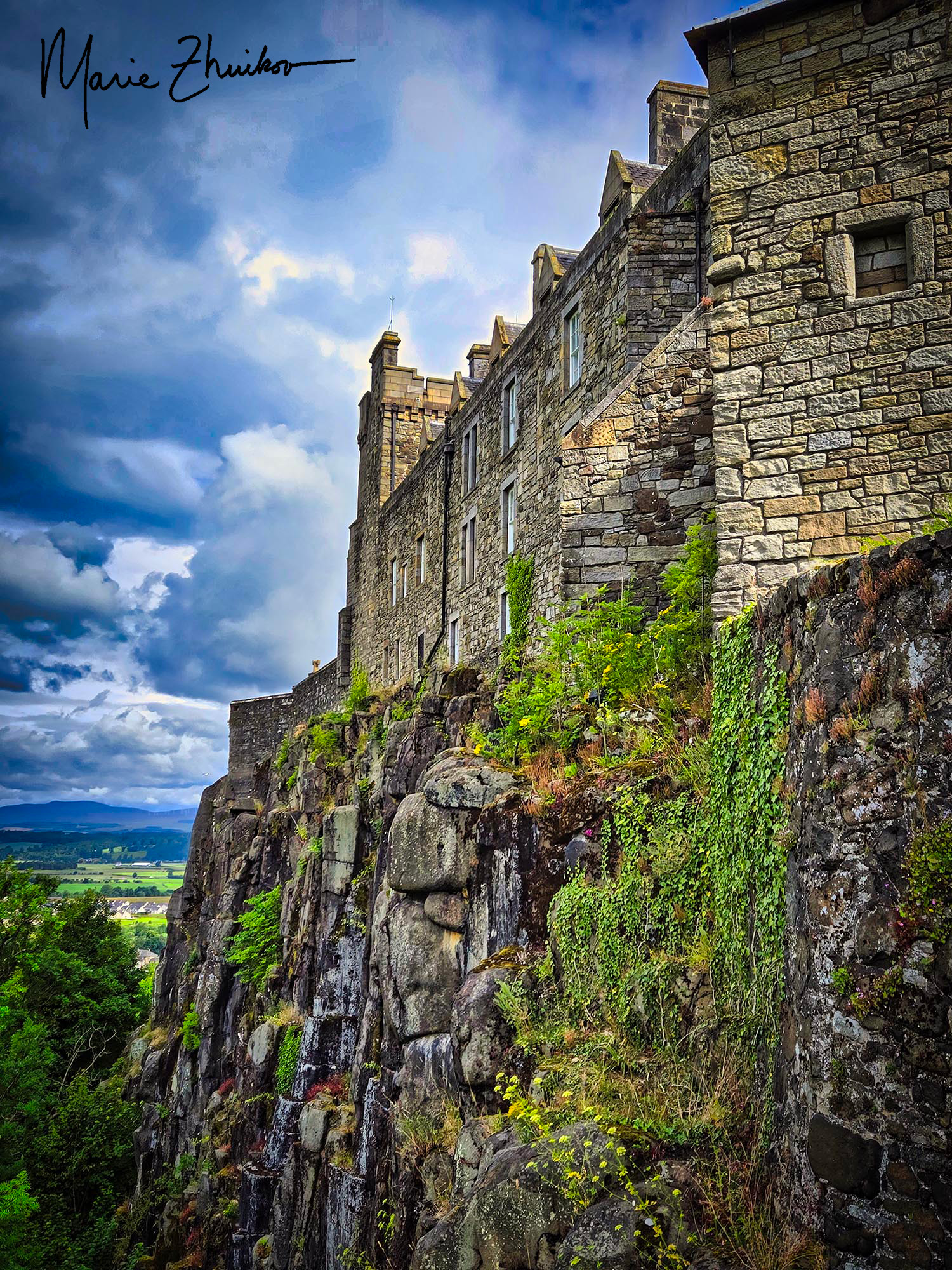
Stirling Castle, Scotland

Ireland, Day 4: Bog Bodies, Yeats, and Pubs

We explored Dublin, feeling more connected to this land after our previous day’s adventure seeing where Russ’s ancestors lived. Our first stop was the National Museum of Archaeology. We saw golden artifacts and a huge dugout canoe crafted over 4,000 years ago (the Lurgan canoe). But the things I most wanted to see were the bog bodies.

Gallagh Man

If you’re not familiar, bog bodies are the corpses of unfortunate people who were either murdered or ritually sacrificed and buried in the boglands of Ireland and other countries. There are five bodies (or parts of bodies) on tasteful display in the (free to enter) museum. I’d only seen photos of them in magazines before. I wanted to see the bodies in person because I wrote a short story about a bog body, which will be featured in my book that’s slated for publication this fall. I’m in the middle of editing the manuscript and wanted to see if this museum experience would give me any new ideas.

I only took photos of two of the bodies: Gallagh Man and Clonycavan Man. Gallagh Man was a six-foot-tall, healthy man with reddish hair who lived sometime between 470-120 BC. He was found in County Galway, Ireland, in 1821 by laborers digging peat for fuel. The twenty-five-year-old was most likely strangled before being buried in the bog.

Clonycavan Man

Clonycavan Man was found in County Meath in 2003, also by peat harvesters. Alas, they were using a machine that cut the body in half, and only the upper torso and head remain. He was between 20 and 40 years old when he died sometime between 392-201 BC. At five-foot-two, he was shorter than Gallagh Man. One of Clonycavan Man’s most distinguishing characteristics was his hair. He had what may have been the first man bun! Perhaps it made him look taller. Scientists even discovered an ancient form of hair gel in his hair, made of plant oil and pine resin. The presence of this gel indicates he was fairly wealthy during his lifetime; it was made from materials found in France and Spain. His injuries suggest a grisly death, which may have been the result of torture. I’m not going to go into them here!

One theory proposed is that these men were failed kings or failed candidates for kingship who were killed and placed in bogs along tribal boundary lines. Their bodies served as offering to the goddess of the land to whom the actual king was “wed” in his inauguration ceremony.

I was particularly excited to see Clonycavan Man’s hair bun, since I gave the bog body in my short story a similar attribute. Seeing the bodies did not give me new ideas; rather the experience enforced what I’d already written. But it was very interesting to see them up close.

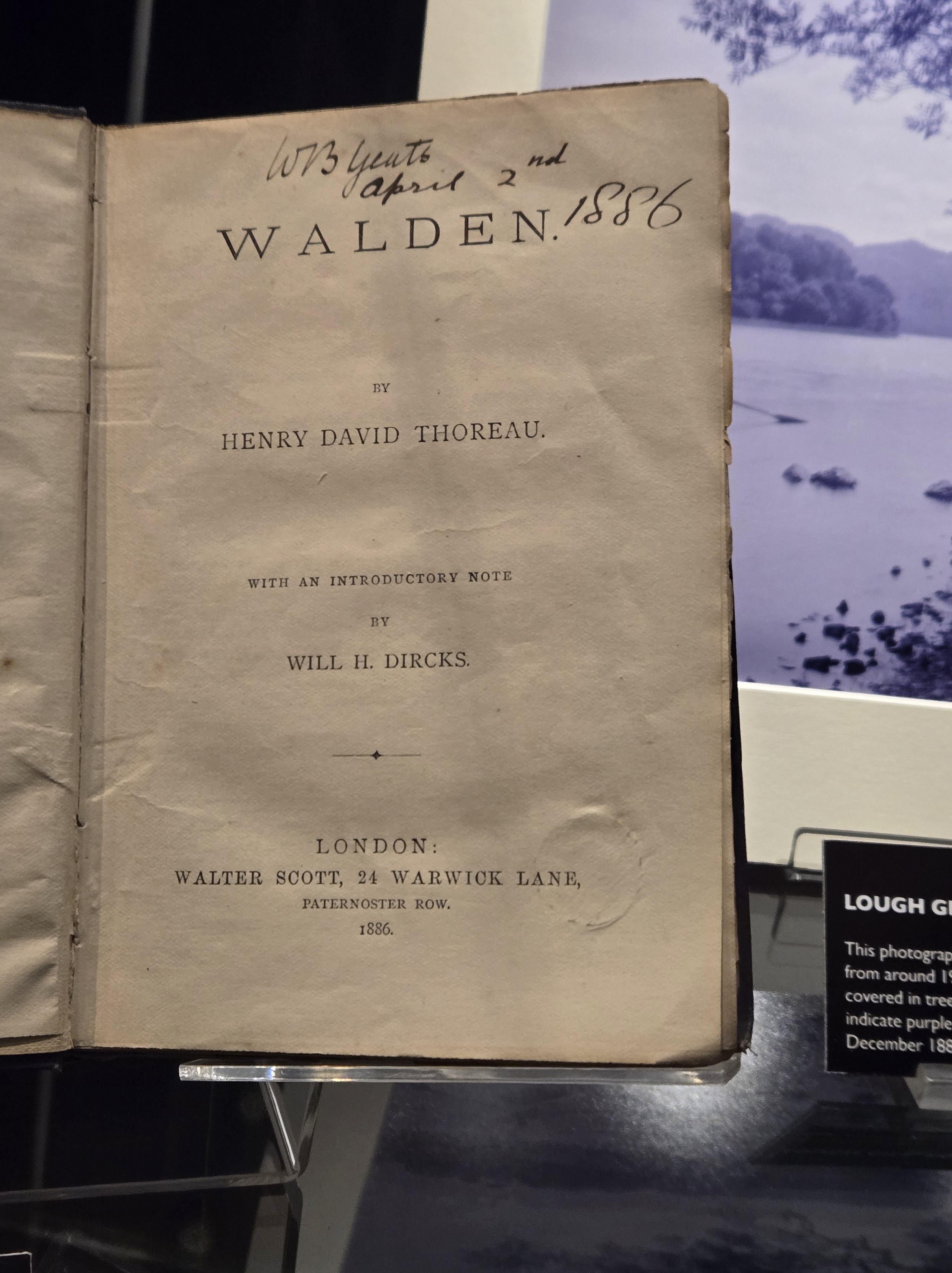
Next door to the museum is the National Library, which offered a free exhibit on William Butler Yeats, one of my favorite writers. We saw his copy of “Walden” and learned more about Maud Gonne, his muse who refused to marry him several times. I also learned that Yeats was heavily into spiritualism (think seances). I had not known that before.

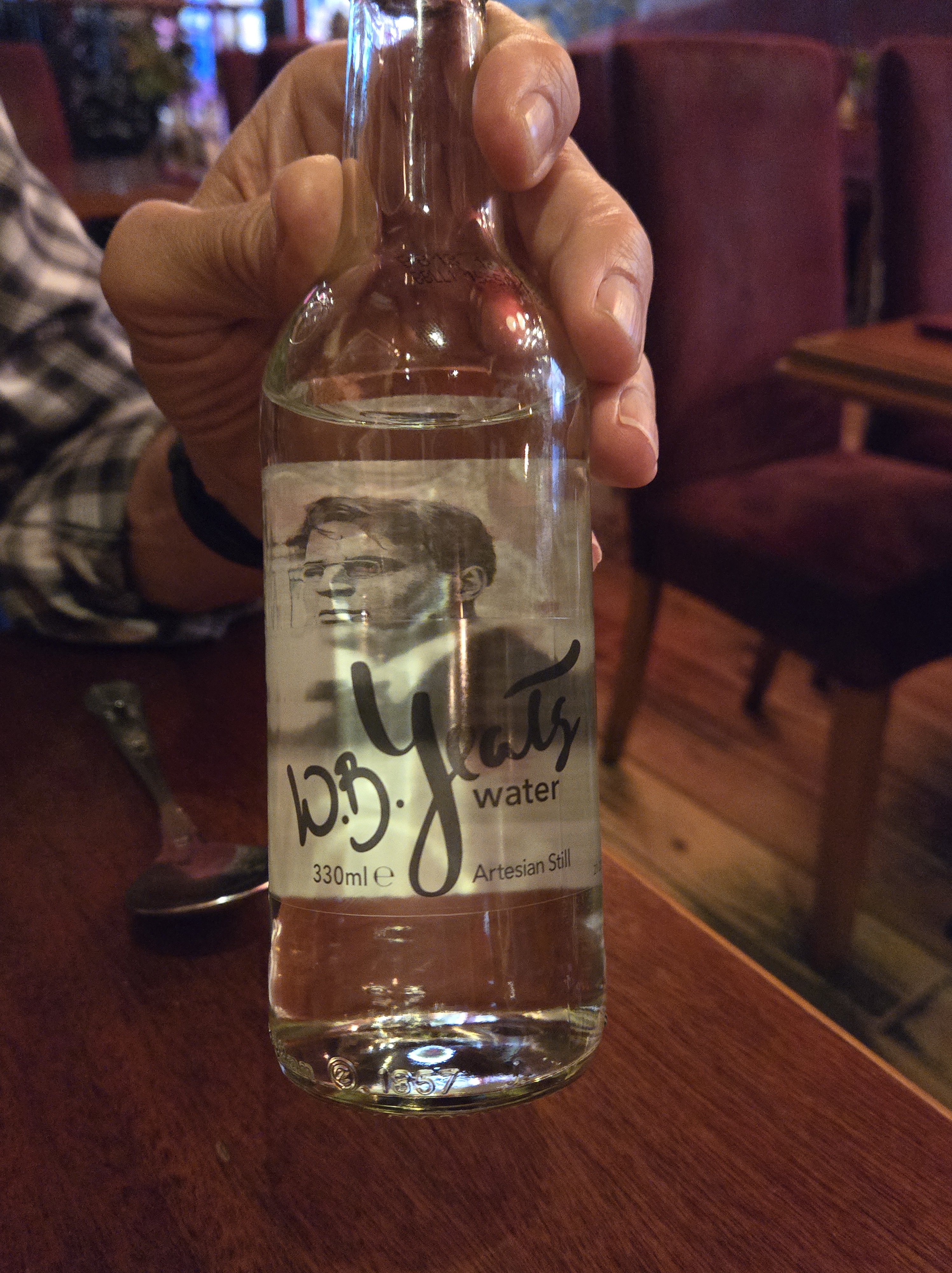
In an interesting coincidence, later that day, I ordered water at a restaurant. It came in a bottle sporting Yeats’s photo. The brand name was W.B. Yeats water. Imagine, naming a commercial brand after a writer! We don’t do that enough in the U.S. I will happily sell my name and likeness to anyone who wants to use it for commercial purposes. 😊

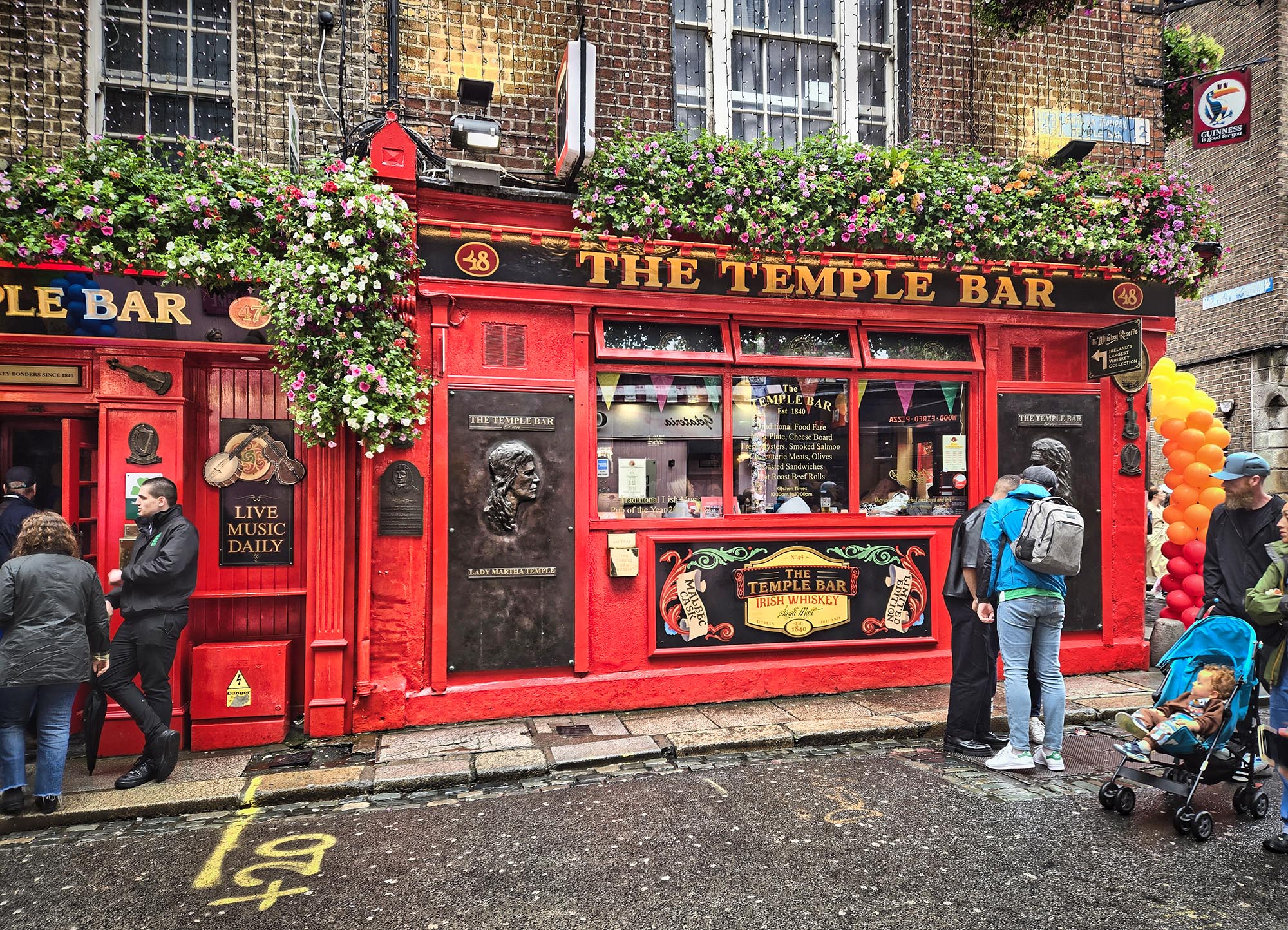
After touring the library, we walked through a drizzle to the famous Temple Bar. It’s known for its live music, ambiance, and large whiskey collection. It was too crowded and noisy, so we satisfied our curiosity with a mere stroll through it.

We had more Dublin adventures that day, but I’ll save them for the next post.

Two Nature Encounters

Painted turtle photo by Andrew Patrick on Pexels.com

I usually take two walks every day. Recently, on one of my walks, I saw a painted turtle crossing the gravel road. It was headed in the direction of a small lake and had already made it across most of the road. But was now it had stopped. I worried it might get run over by an inattentive driver. I was tempted to pick it up and move it in the direction it was traveling, yet didn’t want to overly disturb it.

Luckily, as I stood behind the turtle, pondering, it began to move closer to the road’s edge. I slowly stepped forward and kept encouraging it to move in this way until I was sure it would be safe.

I wondered whether it was a late hibernator emerging from an inland pond or if it had laid its eggs somewhere and was now making its way back to the lake. I often see multiple painted turtles hanging out on a log at the end of the lake or swimming with their noses just above the water on quiet evenings.

After I walked a few more yards, a drizzle began. Then the drizzle became a shower. I wasn’t wearing a raincoat, so I cut my walk short and began quick-stepping my way back home. About a hundred yards past the first turtle, I saw another one that was almost the entire way across the road. It was moving quickly, so I didn’t worry about it like I had the first turtle.

Curious at seeing the two turtles crossing the road at nearly the same time, once back inside, I searched online for a possible explanation. Google said: “Every year, in mid to late spring, turtles start to move. The males are looking for partners and the females are looking for a good place to make a nest for their eggs. Unfortunately, for a lot of them, this means crossing busy roads and many don’t make it.”

In addition, Mississippi State University said that in the South, a legend says that rain is on the way any time you see a turtle cross the road. They continue, “There’s very little truth to this myth, even though it does seem like rain is in the forecast after we see one of these creatures slowly making its way across the street.”

Given my experience that day, I’m inclined to believe this legend!

Then I looked up the spiritual meaning of a turtle crossing your path. Google said it’s a sign of good fortune to come. Turtles are also omens of good health and symbolize a long, prosperous life.

If that ends up true, I’ll let you know in about thirty years.

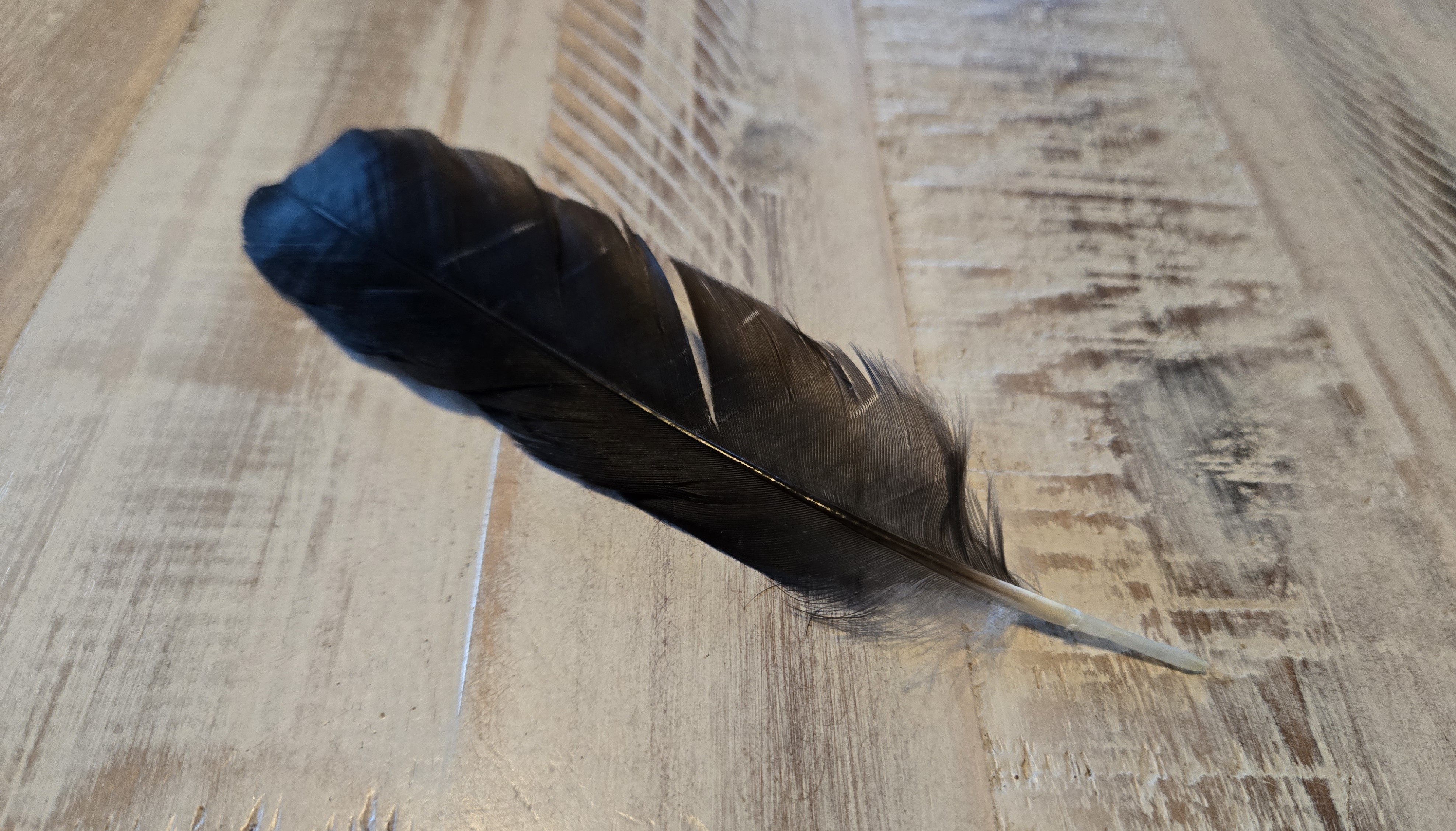
My second wildlife encounter happened the next day. The moment I stepped out the door for another walk, I felt something land in my hair. I thought it was a bug and tried to brush it away. Out fell a five-inch black feather!

I looked around but whatever bird had lost the feather was long gone. However, a crow sat in a tree not far away. The feather certainly looked like it could be a crow feather.

While I’ve come across feathers on the ground before, I’ve never had one actually fall on me. The event was rather surprising and noteworthy (thus this blog post).

The feather that fell on my head.

I seemed to be a roll with interesting animal encounters. Once again, I consulted the wise and wonderous internet for interpretation. I searched for “meaning of crow feather falling on your head.”

Nothing came up under that specific heading, but there were lots of entries about the “meaning of coming across a crow feather in your path.”

Apparently, like with the turtles, this is a good omen. A woo-woo yoga site said, “When a crow feather lands at your feet, it is a positive omen, meaning your calls have been heard and answered. If a feather comes to your path magically or surprisingly, it means a spirit is supporting or guiding you.”

Since the feather fell on my head, I must really be protected and supported!

Another site said it can also signify a visitation by a male loved one who has passed.

For several months, I have been working on a nonfiction story about a male relative. Although I was not born when he died (tragically and suddenly), I’ve found myself wondering if I haven’t conjured up his ghost with all my recent attention.

If he is watching over me, I’m okay with that. He was a good guy and I wish I would have had a chance to know him. Even if he’s not, these natural encounters have been interesting.

When I told Russ about the mysterious crow feather atop my head, he said, “At least it was a feather and not something else that birds usually let drop!” That’s my guy.

I think I’ll take another walk and see what happens next.

Newspaper Columnists Overdose Small Minnesota Community with Death

I don’t think I’ve mentioned this, but I write a monthly newspaper column for the “Cotton Chronicle,” a nonprofit newspaper in a small community in northern Minnesota, population 437. I got hooked up with it because that’s the community where our cabin is and it inspires some of the fodder for this blog.

My column began as a way to promote my blog-memoir, “Meander North.” I received a grant to publish it in several local media outlets, including the Chronicle. Once my grant ended, my column ended. Shortly after, I received an email from the editor. She’d heard good things from readers and asked if I would consider continuing my column.

Photo by cottonbro studio on Pexels.com

I was like, “Well, would you pay me for it?” She was, like, “We’re not that kind of a newspaper.” We reached a compromise where I would write a column as long as I could mention of my book at the end of it.

Recently, I ran out of stories from my book that I thought would work for columns. I have plenty of blog posts that aren’t in the book that could substitute, but I’d recently read “Wild and Distant Seas,” a fiction book based around columns that Herman Melville used to write for a Boston newspaper. I recalled that Dickens did that, too.

Although I am no Melville or Dickens, the thought of doing a serial fiction column in the Chronicle intrigued me, and I had the perfect completed story in mind. I ran the idea and a few pages of it past the editor, and she said yes!

Now, instead of being titled, “Meander North,” my column is called “Through the East Door,” which is the name of my story. Well, it’s more like a novella. The piece is over 20,000 words long. My columns are only supposed to be around 1,200 words. This is going to be a long serial!!

The tale centers on a young woman reeling from the death of her husband. She retreats to her cabin (in the Cotton area) to heal. Along the way, she comes across a wounded animal. Caring for it takes her mind off her troubles. But is the animal real or is it imaginary? Readers will have to make up their minds themselves.

The first installment was published earlier this month. Except for some cute husky puppies, the plot is dark – focusing on sudden death. The Chronicle also has another columnist named Tom. I’ve never met him. Don’t know who he is or what his background is. But I was chagrined to see that his column also dealt mainly with death.

In it, he mentioned his wife said he’s stuck in a “groove” about writing about dying. He ignored her criticisms for several months until he read some of his recent past columns and realized she had a point. He’d rather think of his writing as being more of a “senior groove” than a death groove and said that it would be disingenuous to write about being a senior (elder) without including some element of death. He continued, relaying several stories about people dying or talking about dying and ended by saying he’s working on his tendency to write about death. However, he left readers with the final image of a male dragonfly being eaten by its mate.

Other than for community committee, town board, and fire department reports, the “Cotton Chronicle” this month was sure a downer! I felt sorry for its readers, overdosing on death. I want them to know that my story gets less depressing as it progresses (until the very end). And it sounds as if Tom is trying to get less depressing, too. I am interested to see how it all goes.

This post probably isn’t the best marketing technique, but if you want to follow my story and see if Tom can jump into a different groove, or just learn about small-town Minnesota life, you can subscribe to the newsprint version of the Cotton Chronicle for a year for a mere $12. It’s not available online. (P.O. Box 126 – 9087 Hwy 53, Cotton, MN, 55724-0126)

Garden Gnome

Inspired by mishearing the song “Cardinal” by Kacey Musgraves. Thought it was funny. Hope I don’t get sued.

I saw a sign or an omen
In the garden, in the morning
Right after I
Lost a friend without warning

Words unsaid
Nose of red

Garden gnome
Are you bringing me a message from the other side?
Garden gnome
Are you tellin’ me I’m on somebody’s mind?
Don’t leave me behind

I took a walk in the ‘hood
To clear my head
Turned my collar to the wind
On the street, it was blowin’

And there he was
By the shed

Garden gnome
Are you bringing me a message from the other side?
Garden gnome
Are you tellin’ me I’m on somebody’s mind?
Don’t leave me behind

Are you just watching and waiting for spring?
Do you have some kind of magic to bring?
Are you just watching and waiting for spring?
Do you have some kind of magic to bring?
Are you just watching and waiting for spring?
Do you have some kind of magic?

Garden gnome
Are you bringing me a message from the other side?
Garden gnome
Are you tellin’ me I’m on somebody’s mind?
Garden gnome
Are you bringing me a message from the other side?
Garden gnome

A Lake Superior Apocalypse Novel Review

Leif Enger and musician at Enger’s launch for “I Cheerfully Refuse,” a novel set on Lake Superior.

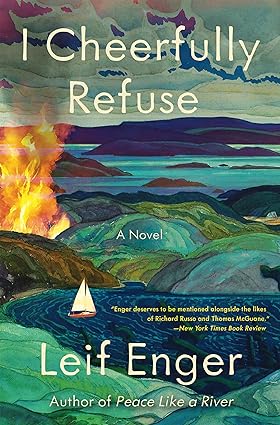
Duluth author Leif Enger’s latest novel, “I Cheerfully Refuse,” is set in the near future in small towns along Lake Superior and on the wide water itself. The apocalypse that’s occurred isn’t some cataclysmic event, rather the novel investigates what could happen if current conditions exaggerate. Citizens are increasingly desperate and illiterate, a billionaire ruling class referred to as “astronauts” (think Elon Musk and Jeff Bezos) employ indentured servants and conduct “compliance” experiments on people in medical ships that roam the seas. Lake Superior is subject to rogue storms and increasing temperatures. The warming waters finally give up the bodies that have lain preserved in icy slumber in its depths. School children have so many behavior problems from toxic chemicals they’d been exposed to in utero, they’re rated on a Feral Comportment Continuum.

Rainy, the narrator, is a bereaved bear of a man and a musician from the small mythical town of Icebridge on Minnesota’s North Shore. (If you read Enger’s previous novel, “Virgil Wander,” Icebridge is right next to Greenstone, the mythical town where that book is set.)

Image courtesy of Amazon

Through a series of unfortunate events, Rainy ends up fleeing Icebridge on a sailboat named “Flower.” Most of the novel follows his Gulliver-like travels to the Slate Islands and Michigan’s Upper Peninsula where he encounters fog, hunger, storms, and lawless townspeople. But there’s also poetic beauty in gulls that settle on his sailboat when he plays his bass, magisterial island rocks, and unexpected kindnesses from strangers. I don’t want to give away too much more of the plot.

Things I loved: The novel’s focus on the importance of music, books and literacy. The sailboat setting, and Enger obviously knows his nautical terms, having had a boat himself in Bayfield, Wisconsin. I also appreciated the hopefulness amidst the horror.

Things I didn’t like so much: The book’s ending. Although it’s beautiful and literary, I expected more after the epic events that led up to it. Once Rainy reaches his ultimate destination, readers are only given a few vague lines about Rainy feeling a slight warm weight against his back, “a pressure like a palm between my shoulder blades.” A few dream-like images round it out and that’s it. But I still think I’ll give it a 5 on Goodreads because the writing is so gorgeous, and we Duluthians need to support each other. The world out there is already cruel enough.

I attended Enger’s Duluth launch last April and noted a contrast to his “Virgil Wander” launch six years earlier. That event was held at a local independent bookstore shortly after Enger had moved here. About 45 people attended and ate brownies and bars made by Enger’s wife, Robin.

His latest launch was held at a local brewery where people’s food order buzzers interrupted Enger’s presentation as their pizzas arrived. I’d say the audience tripled, which is a testament to the connections Enger has developed in the community during his time here. True to the musical emphasis in “I Cheerfully Refuse,” a guitarist accompanied Enger, playing through breaks in his reading.

Enger said he wasn’t sure if he could call himself an actual Duluthian yet or not. As he lies in bed at night, he still thrills at the sound of the lift bridge and ore boats in the canal communicating with each other with their horns. He thinks if he were a real Duluthian, that would all be passé.

I would answer: the trick is holding onto that wonder even after hearing the horns a thousand times. Then Enger will be a real Duluthian.

“Meander North” Book Interview

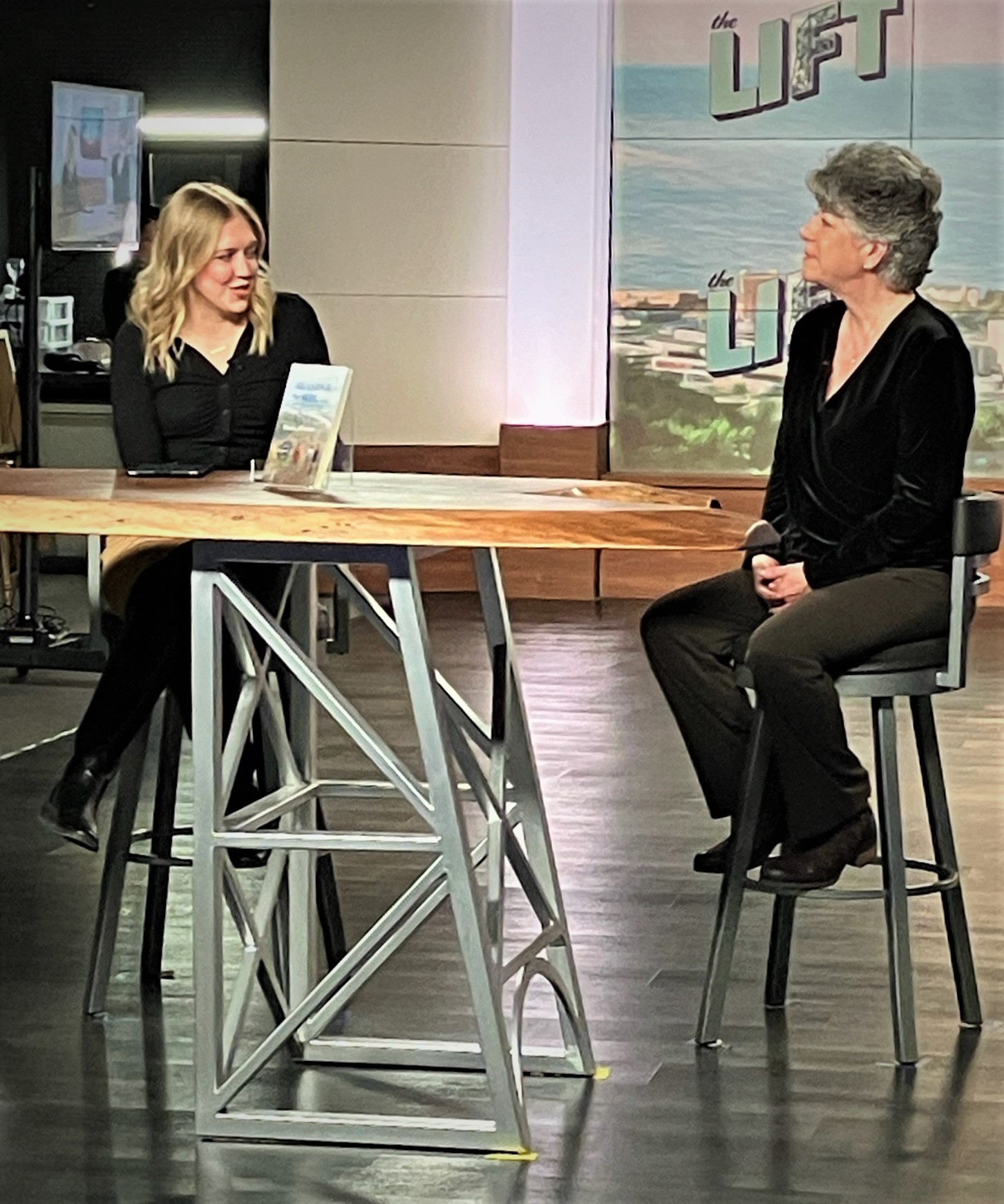
“The Lift” host Baihly Warfield interviews me about my blog-based book.

I was interviewed on local TV about my blog memoir, “Meander North,” the other day. It was a live interview, so was rather nerve-wracking. I’m not complaining, though! I appreciate every bit of free publicity and the interview seemed to go well. I had another live interview for work a few weeks beforehand, so I had some practice. You can watch the hoopla here.

For more information about my book, please visit my website.

Meander North E-Book Available

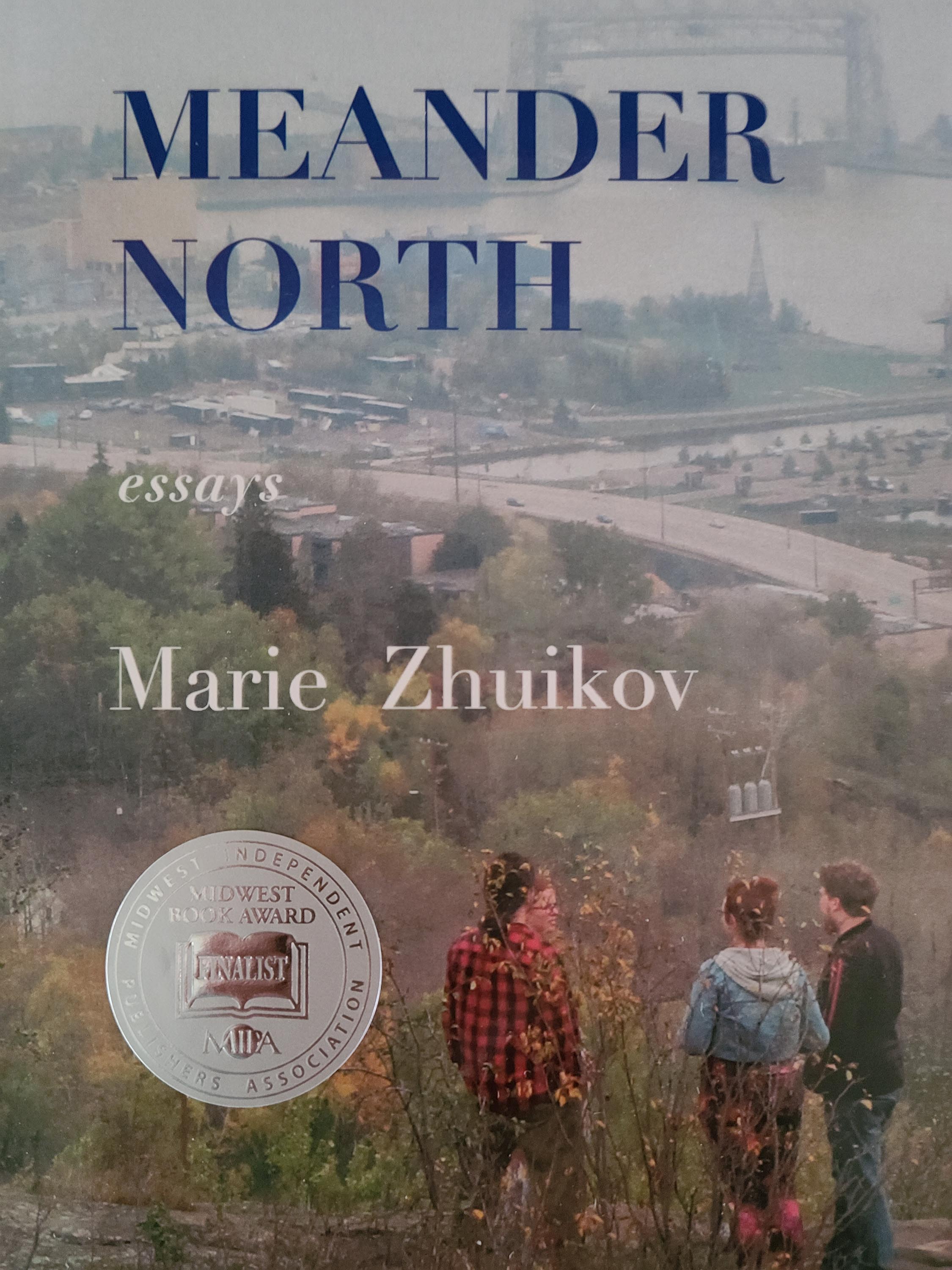
I made my Minnesota-themed blog-memoir, “Meander North,” which features essays from this very blog, into an e-book. My publisher didn’t offer that service, so I did it myself over holiday break. It took quite a while because of formatting issues. I grumbled, but I did it!

It’s now available on Kobo, Barnes and Noble, and Amazon. It sells for about half the price of the print version. But if you’re a fan of print books, that’s still available, too, through distributor Itasca Books.

If you like this blog, you’ll love the book. It earned a Midwest Independent Publishing Association book award last year for nature writing, so it’s not just me saying that it’s good. It’s all your favorite posts gathered into one place.

Thank you for reading and thanks for your support!

Free motto for a trash company!

Photo by Anthony Nguyen on Pexels.com

I received a text from my trash and recycling company the other day, telling me their schedule had changed for the week due to the New Year holiday. From nowhere, a motto popped into my head: “We’re at your disposal.”

If you own a trash company and need a motto, please feel free to use this one. 😊

Top Meanders for 2023

Photo by Pixabay on Pexels.com

True to my prediction last year, during my eleventh year of blogging, I was not as active as in the past. I posted the same number of stories, but I didn’t have time to interact as much with other bloggers as I would have liked.

One reason is that a collection of short stories I wrote was accepted for publication this year but it’s not going to press until 2025, so I spent a lot of energy ensuring the stories are well-written. I also had a long (68-page) “short” story to finish, which I accomplished, as well as a (surprise bonus!) horror story. As if that weren’t enough in addition to my day job for Sea Grant, I am turning my blog-memoir, “Meander North,” into an e-book. It’s almost ready!

For the posts I wrote this year, social media sharing by others continues to be an important factor in their popularity.

Without further ado, here are the top posts from 2023:

  1. How Hallmark’s Rescuing Christmas Movie Made my Tree Ornament Famous” – This post describes a Hallmark movie that was shot in my hometown of Duluth. I was surprised to see a Christmas tree ornament during a major scene in the movie that’s the same as one I have in my own collection. After writing the post, I discovered that the local artist who made the ornament didn’t know it was featured in the movie. She was delighted by the news. I’m not sure if she shared my post on Facebook or if others did, but it got a lot of views through social media accounts other than my own.
  2. Saying Goodbye to my 102-Year-Old Aunt” – This is my tribute to my Aunt Marguerite Pramann, who died this year after a rich life. I suspect this post was shared and accessed by other relatives, which accounts for its popularity, besides the fact that my aunt was an outstanding person.
  3. A Lake Superior Survival Story” – This is another movie review I recently wrote about a true story set on what is now Isle Royale National Park. Many of my friends were unaware of the movie. They commented on it and shared it via Facebook, so it received more interest than usual.

Hmmm. Maybe I should turn this into a movie review blog??

In other news, a notable story from 2019 continues to receive many (1,200) hits through Google searches and social media shares. “The Case of the Headless Bunnies” describes a disturbing sight I happened upon during my dog walks in my neighborhood woods. Several headless rabbits appeared in the same location on different days. I did some research to determine if it was perhaps a natural thing or the workings of a satanic cult! Turns out, it was natural.

Apparently, others have happened upon similar situations and turned to Google for help and found my blog, sharing their insights on social media. I am happy to have put minds to rest on this grisly topic.

I still find things to blog about and plan to continue “Marie’s Meanderings” for yet another year. I appreciate your continued readership.

Happy blogging to all and to all a good night!