Five Things to do in Freeport, Bahamas

DSC05128

Taino Beach, Grand Bahama Island

I meandered away from the white snow of Minnesota to the white sands of the Bahamas for a week in February. My friend Russ and I stayed at a resort on Taino Beach in Freeport. Here are 5 things we did that you might want to do too, if you’re ever on the island.

Port Lucaya Marketplace

This shopping and dining center is named after the native people who used to live in the Bahamas, the Lucayan. Since the International Bazaar is defunct in Freeport after several hurricanes, this is your best bet for retail therapy and live music. High-end shops (Columbian emeralds, anyone?) mix with tourist stalls that sell T-shirts.
DSC05112

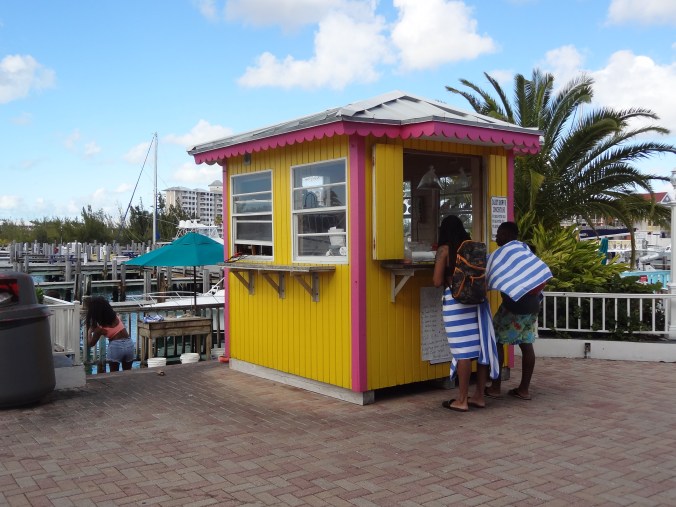
The conch stand at Port Lucaya Marketplace

We had drinks at the Corner Bar (best pina colada I’ve ever had!) and another day ate a wonderful lunch at Zorba’s Greek Restaurant (which serves the second-best pina colada I’ve ever had). The conch stand always had a line of people waiting to taste this sluggy wonder of the Caribbean. If we’d had time, we would have eaten at Cappuccino’s, an Italian place known for its dinners.

DSC05182

The second-best pina colada I had during our trip (at Zorba’s).

Rand Nature Center

Take a walk on the wild side in this 100-acre natural area. It’s named after the Rand Family, who were early Freeport settlers and philanthropists. For a $5 entrance fee, you’ll get a short talk and orientation to the visitor center and then free run of the place. Grand Bahama Island is very flat, so the walking is all easy.

DSC05147

The pond at Rand Nature Center

You’ll walk through Bahamian pines and past a pond full of turtles. Besides wild lizards and birds, the trail takes you past cages with a captive red-tailed hawk, Bahama parrot, and a couple of boa constrictors.

Once back in the visitor center, take a look at the gallery, which features work of local artists. Our visit was very peaceful and restorative.

Wave Running

A WaveRunner tour of the island is on the opposite end of the excitement spectrum from the nature center. Our resort offered an exhilarating ninety-minute tour along the shore to Peterson Cay National Park, known for its healthy reefs and tern habitat.

This trip was Russ’s idea, so I let him do the driving. I hung on for dear life as we bounced on the turquoise waves. Our guide, Ricardo, showed us where dolphin shows take place, and we got to look through the fence and see a dolphin or two. We also motored along Millionaire Row, a canal lined with expensive homes.

DSC05161Then Ricardo took us back out to the sea to the cay, stopping once to point out a $20 million home along the beach. A couple from Massachusetts was with us on the adventure. Denise and Michael were able to keep up with Ricardo better than we were, but paid for it with two impressive falls off their machine.

As we neared Peterson Cay, Ricardo stopped and took a chum bucket out of his machine to feed the sea turtles that frequent the area. Unfortunately, they weren’t around, but he left some offerings for them anyway.

Once on the beach he dropped six tiny hermit crabs in my palm and seemed disappointed when I didn’t freak out. We only spent enough time at the cay to take some photos, then we went back to the waves. Normally, the tour stops at a beach bar on the way back for drinks, but we were so putzy, we didn’t have time.

Once we were back to the resort, Denise said, “I feel like we survived something!” Russ and I had to agree, but it was a fun adventure.

The Perfume Factory

At least one business is still in operation in the defunct International Bazaar in Freeport. It’s the Perfume Factory, where they make colognes for women and men. They produce an impressive variety of fragrances all onsite by hand.

DSC05155

The Perfume Factory in Freeport

During our short tour of the “factory,” we saw their mixing room and production line. After the tour, our guide gave us samples to smell. My favorite was “Island Promises” for ladies, which is a mix of jasmine, lilies and patchouli. Russ liked the “Lucyan Bay Rum,” which features cloves and bay leaves.

If you don’t like any of their pre-mixed colognes, you can make your own and give it your own name. They will keep the info on file and you can order it again in the future.

Garden of the Groves

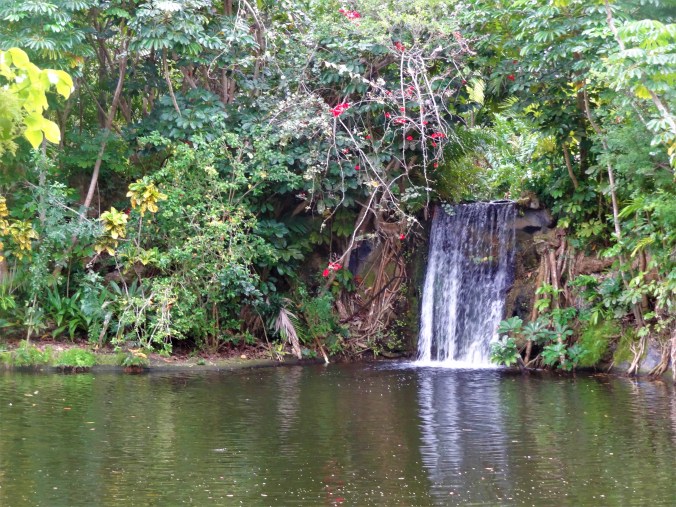
On a day when it was too stormy to snorkel, we took a bus tour that included a stop at the Garden of the Groves, which is a manmade natural attraction. It features a café with a view of a waterfall. If you feel like getting married, there’s even a chapel onsite.

We got a half-hour tour with a talkative guide who gave us the lowdown not only on the garden, but on local culture as well. If you feel like meditating, there’s a labyrinth for that, plus winding trails through lush vegetation.
DSC05170

Garden of the Groves

The Perfect Duluthy Fall Hike

20181021_145814

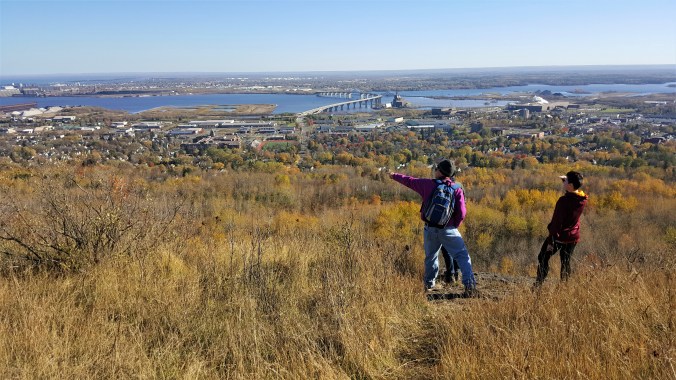
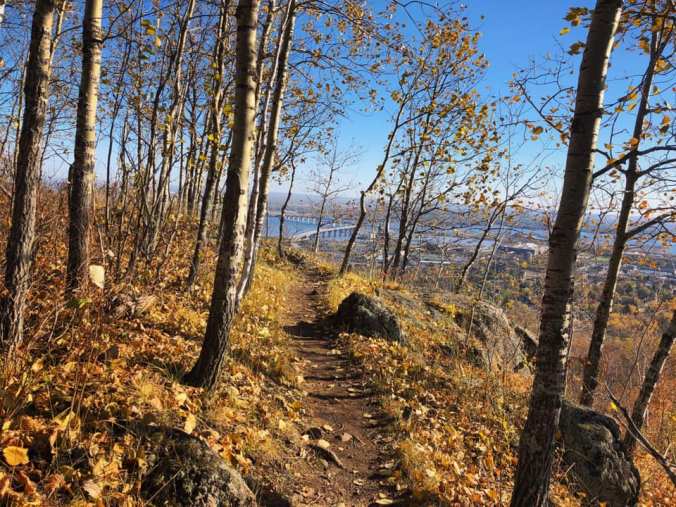
The panoramic view from the Brewer’s Park Loop on the Superior Hiking Trail.

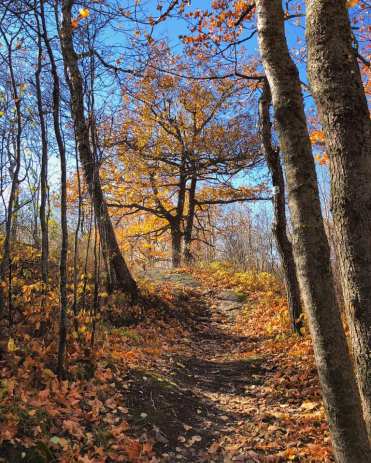
I meandered onto a newish section of the Superior Hiking Trail in Duluth recently. My friends and I hiked the Brewer’s Park Loop, which was completed in 2016. The trail takes walkers through an oak/maple forest and offers unparalleled views of the western part of the city and the St. Louis River – making it a perfect hike for fall.

Amanda image2

Photo by Amanda Jo Dahl-Sales

Some web pages rate the hike as moderate, others as easy. I would say both are true. Some of the climbs are rather steep and would rate a “moderate” in my book, but the majority of the hike is on an unobstructed path that’s fairly level, which rates an “easy.”

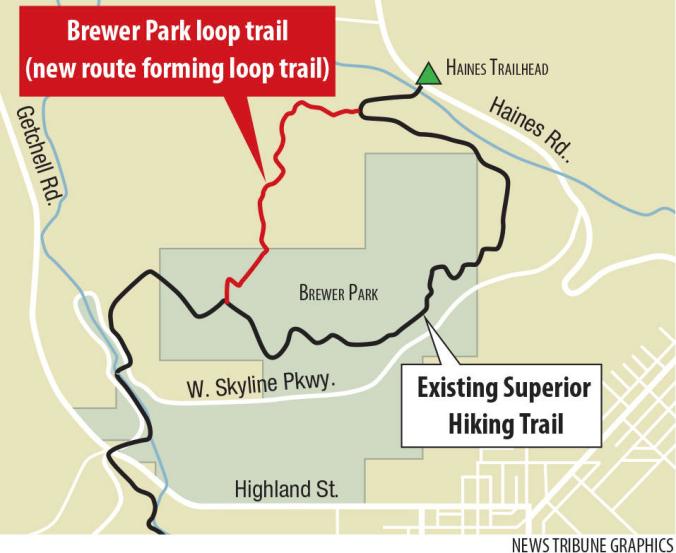
It took us 1-1/2 hours to go about 3-1/2 miles, but we were gawking and talking most of the way so I’m sure other people could do it more quickly. Access to the trail off Haines Road (see map).

Bring some water and your dog. For a near-perfect Duluth experience, visit Bent Paddle Brewery afterward for a drink. Urban hiking doesn’t get much better than this!

Brewer Park loop trail

Duluth News Tribune map

20181021_145751Enhanced

Amanda image

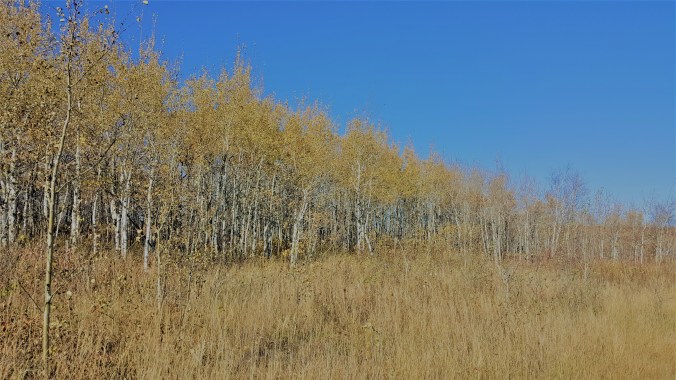
Image by Amanda Jo Dahl-Sales

End of Season Sail

DSC05076

Basswood Island dock, Apostle Islands National Lakeshore in Wisconsin.

I had the privilege of another sailing trip on Lake Superior this year. The season is ending — the wind cold, the sky gray, and the leaves turning.

We sailed from a marina outside of Bayfield, Wisconsin, and went to Oak Island in the Apostle Islands National Lakeshore. We anchored off its shore and hiked a long loop on the island among giant hemlocks and oaks, and then spent the night offshore. The next day we traveled to Basswood Island for a hike to the quarry there before sailing back to the mainland.

The sailing season is short, but oh so worth it!

DSC05070

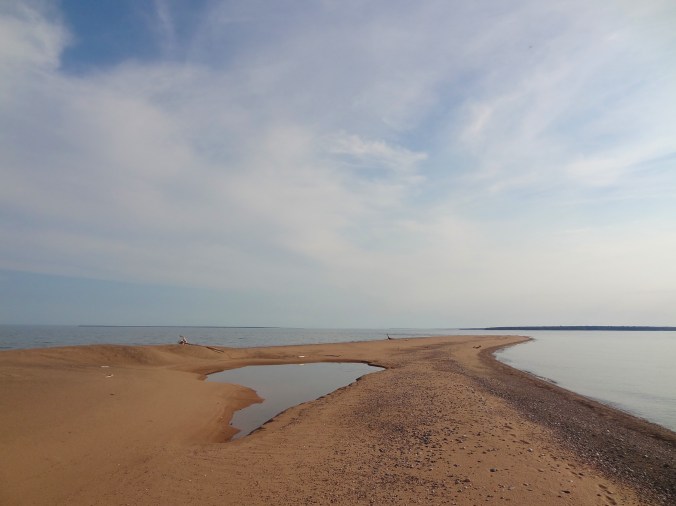
Oak Island sandspit, Apostle Islands National Lakeshore

DSC05063

Guess which island we found these on?

DSC05081

Basswood Island brownstone quarry pond.

Boundary Waters Nostalgia

DSC04959

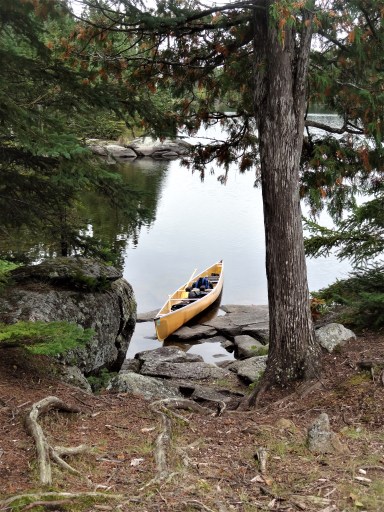
Tuscarora Lake in the Boundary Waters Canoe Area Wilderness of Minnesota.

Like Saganaga Lake in the Boundary Waters Canoe Area was author Sigurd Olson’s quintessential wilderness lake, Tuscarora Lake is mine. The only problem is, I hadn’t been there in over thirty years.

I wanted to get back to it while I still could, so this fall Russ and I headed out on what the guidebooks say is one of the most rugged routes in the boundary waters.

For those not familiar, the boundary waters is a place in northern Minnesota without roads or any conveniences other than pit toilets and fire grates. A land of interconnected lakes — the only way around is by canoe and by foot.

DSC04971I might write a magazine story about the trip, so I can’t describe it much here. Suffice it to say, the canoe portages were much harder than when I did them in college with six other people.
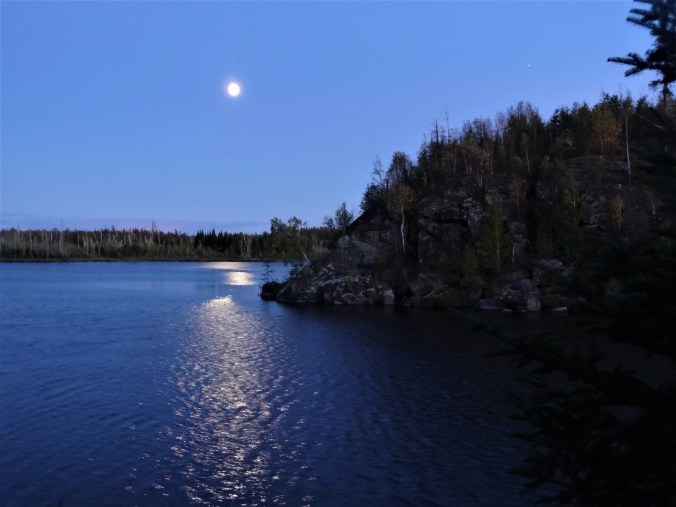
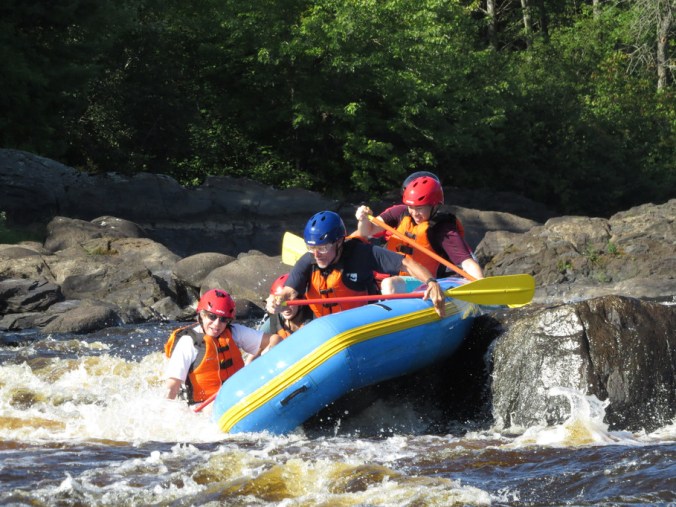
Tuscarora was much as I remembered and I thoroughly enjoyed spending more time there. The weather cooperated with the first part of the trip, the second part, not so much.

The experience was a good test of our relationship. I am happy to say that we survived both physically and emotionally. We worked together well under difficult circumstances and nobody got hurt.

I hope these photos give you a good feel for the place. If you ever want to match our adventurousness, enter at either at Entry Point #51 or #52 off the Gunflint Trail.

Happy fall everyone!

DSC04991

Brandt Lake in the moonlight.

Lean Into Your Fear: Whitewater Rafting on the St. Louis River

pebd794cc-6d1a-4b89-a8a0-43eaca9722a7_c41a24d2-f4b0-4067-a203-838e20a4a2f3_m

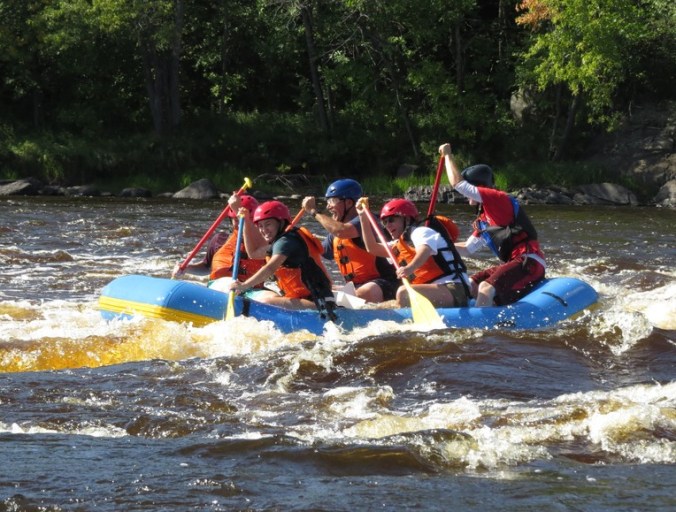
Me (on the left in the red helmet) leaning into my fear on the St. Louis River.

When I write a travel post, because my blog’s name has the word “meander” in it, I usually open by saying I “meandered” here and there.

Well, I can’t use that term this time. It’s more accurate to say that I reluctantly agreed to go on a whitewater rafting trip down the St. Louis River this past weekend, and promised to scream all the way!

It all started when my friend Russ, who is an experienced kayaker, won a silent auction item at a fundraiser for the St. Louis River Alliance a few months ago. He won two tickets for whitewater rafting through Minnesota Whitewater Rafting, a local company that operates out of Scanlon, Minnesota.

Upon my insistence, we agreed to wait for the trip until the water was warm, to make it a more comfortable experience. Now it was August, month of warm weather and water, and I was out of excuses not to go. We gathered everything the company’s information sheet instructed rafters to bring: a dry change of clothes, snug-fitting footwear, windbreaker, towel, etc. And off we went.

Once we arrived, I was surprised by the number of other people who wanted to fling themselves into an inflatable raft at the mercy of the river – twenty-eight of us, to be exact, of all ages and fitness levels.

We started our three-hour journey by choosing one of the seven blue-and-yellow rafts lined up on the shore. Russ and I ended up paired with a young couple from St. Paul. A guide was assigned to each raft. Ours was named Logan.

To us oldsters, all of the guides looked like they were about twelve, but we hoped they knew what they were doing or they wouldn’t have been hired. Thankfully, this proved true!

The ensuing safety talk by the operations guy, named Blu, included instruction to ignore your instincts and “lean into” whatever fearful obstacle the raft encounters. He explained that if you lean away from the rock or high wave, you are more likely to lose your seat and fall out of the raft. Not that falling out of the raft is the worst thing that can happen, but most people like to stay with their group.

The other useful instruction was to keep your feet up if you fall overboard. This is helpful in avoiding sharp rocks and logs, etc., that are on the bottom. Plus, most people aren’t strong enough to withstand the current standing up, so you might as well just go with the flow until one of the kayak patrollers (who go with every trip) retrieve you.

Blu said that in a group our size, it’s common for at least one person to fall overboard. I sure hoped it wouldn’t be me.

I thought the “lean into” rule was particularly deep. Psychologically speaking, sometimes facing your fears is the best way to overcome them. Also, it reminded me of the book “People of the Lie” by M. Scott Peck, who says that most people’s psychological problems arise from trying to avoid emotional pain instead of addressing (leaning into) it.

I decided then and there to change my attitude about the trip – to stop seeing it as something fearful, and instead see it as something to relish, and an opportunity to know the river better. I mean, I’ve lived by it most of my life. I’ve canoed on it, paddleboarded it, boated on it, but I’d never immersed myself in it.

As the company’s website and instruction sheet promised, you will “see the river, feel the river, ride the river,” and you will get wet! On this sunny warm day, I was up for that.

Blu explained we’d encounter six sets of rapids ranging from Class I to III, and two sets of riffles. Each set of rapids would get more challenging along the four-plus-mile stretch until we reached the quiet-water reservoir formed by the Thompson Dam.

Safety talk over, we set out upon the water. Our first task was to run through a “slalom” course between the pylons of the freeway bridge that goes across the river. This let us practice paddling different directions and experience what it feels like when the raft bumps into things.

Then we paddled through a set of riffles called “Warm-Up Rapids.” Everyone came through unscathed and, after stopping for an orientation, we continued to a set of surfing waves at “First Hole” rapids.

Have you ever seen standing waves that form behind an underwater rock in a river? That’s what we surfed on – if your idea of surfing involves your raft filling with water, which ours did. We surfed several times, bailing out between sessions with the handy bailers provided in each raft.

p9091eedc-1216-426c-9429-98f3600b2324_671929cc-bda5-4d31-b3db-2344e2e28a00_m

Surfing the hole and having fun!

After another group orientation session, we were onto “Two Hole” rapids. I think it was this one that had a big rock in the middle of it. Logan, our guide, thought it would be a good and fun idea to smash our raft into the rock.

On purpose.

Why he thought this was a good idea, I’ll never know! I always thought the whole idea of river rafting was to avoid the rocks. I guess I’ve been wrong all this time.

Granted, he did give us a choice, so we were complicit in the decision. I blame it on the adrenaline rush.

Paddling as hard as we could, our raft went up and over the rock, then started sliding sideways. I was on the outside side – the tippiest side – and remembered to lean into the rock to avoid falling out of the raft. I almost floated out, but managed to stay in by the skin of my teeth. Rather like dental surgery, it felt so good once it was over!

Our next stop was a canyon that featured a couple of small beaches in a slow section of the river. We grounded our rafts and had the chance to swim for a while, clothes, lifejackets and all.

Russ went all the way in. I was fine going waist deep, not because I was worried about polluted water or anything, but because the water was rather chilly to me even for a warm day.

At this point I realized I had never been this far into the river before; me—who had even worked for the St. Louis River Alliance whose sole purpose is to protect the river. I marveled at the brown water – tea stained from the many wetland plants steeping at its headwaters and along the way. The white pines and bare rock faces along the shore looked primeval, like we could have been miles into a wilderness. The beauty filled me  and gave me a new sense of appreciation for the river.

Our rest stop over, it was time for the big guns in terms of rapids. We made it through “Hidden Hole” just fine, then it was onto “Electric Ledge,” which is a Class III rapids that consists of a four-to-six-foot drop.

I had heard the name of this rapids whispered in awe among my kayaker friends for years. Now we were about to go over it! And we were about to go over it before any of the others. Logan explained that our raft had the first aid kit in it, and we needed to go first in case the other rafts needed assistance once they ran the ledge.

Not only were we in the first raft, but Russ and I were sitting in the FRONT of the first raft. Oh, lucky us.

We didn’t have much time to wonder at our luck as the ledge was approaching. I repeated all the rules: lean into your fear, keep your feet up. Then we slid over it, sideways and steep. Russ grabbed onto my arm for support.

Luckily, that steadied him and we both stayed in the boat. So did the rest of our crew, but I can’t say that for one of the other rafts, which did indeed lose one person over the ledge. The person remembered the rules, however, and they were uneventfully picked up not far downriver.

The final set of rapids, “Little Kahuna,” is more technical than terrifying. After some twists and turns, we made it through just fine. From there, a somewhat longish paddle across peaceful water (known as the Boundary Waters to the staff) took us to the end of our journey and a bus that was waiting to drive us back to our starting point.

So, in summary, I did scream as initially promised, but it was from fun, not out of fear. I think this was due to the great job the staff did at letting us know what to expect from each set of rapids. I hadn’t had that on other rafting trips.

I would totally do it again on some warm day (although they do provide wet suits if it’s cold and you want one). And I would totally bring family members on such an adventure. Don’t let a little fear stop you if you have a hankering for some whitewater!

pb4537e2e-9595-42bc-b3f2-dbdd9d761701_cddf1de5-0eef-4962-8d2c-b16f78487c4b_m

Yee haw!

Communing with Duckies

20180825_192404

Last weekend I meandered up the Gunflint Trail in northeastern Minnesota near the Canadian border. I was able to spend time on Gunflint Lake with friends, old and new. I also made friends with this trio of ducks who were out for a peaceful evening swim.

Of Lighthouses and Books

20180801_161517

I found this gem of a book at Chequamegon Books in Washburn, Wisconsin. Would you read it? I especially like its promo blurb by USA Today: “A fascinating romp through the world of ‘stuffed’ animals.”

Somehow the phrase “fascinating romp” has never combined in my mind with the topic of taxidermy.

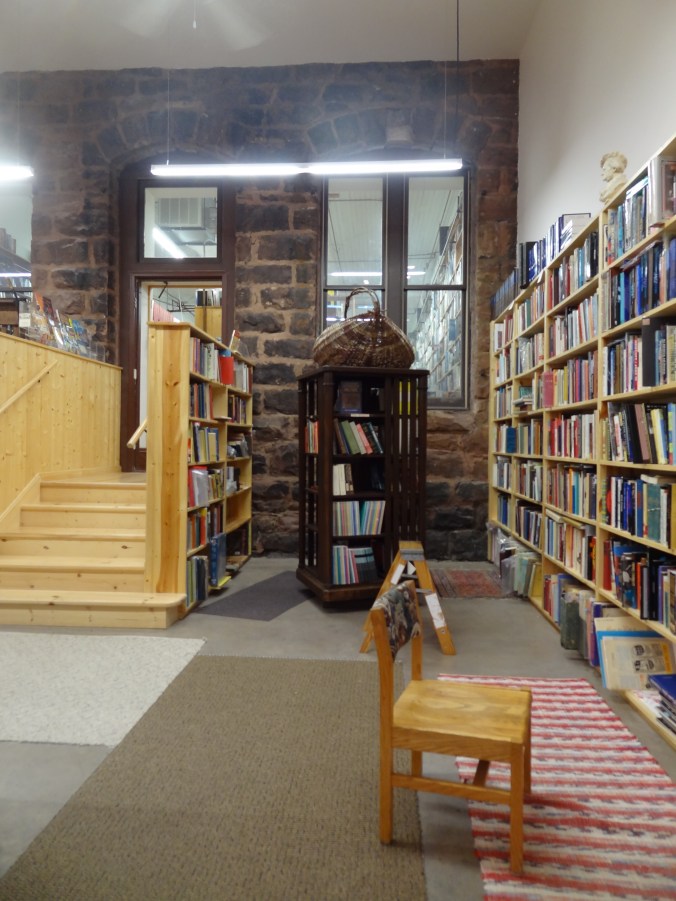
I did not buy the book. But I was impressed with the bookstore. The last time I visited years ago, the store looked like the kind of place where books go to die. It’s been spiffed up recently, with better lighting, ventilation, and a new back room that makes space for lots more books!

The topics are all well-organized and easy to find. It’s a book nerd’s dream. Stop in if you’re ever in Washburn.

DSC04840

The back room in Chequamegon Books in Ashland.

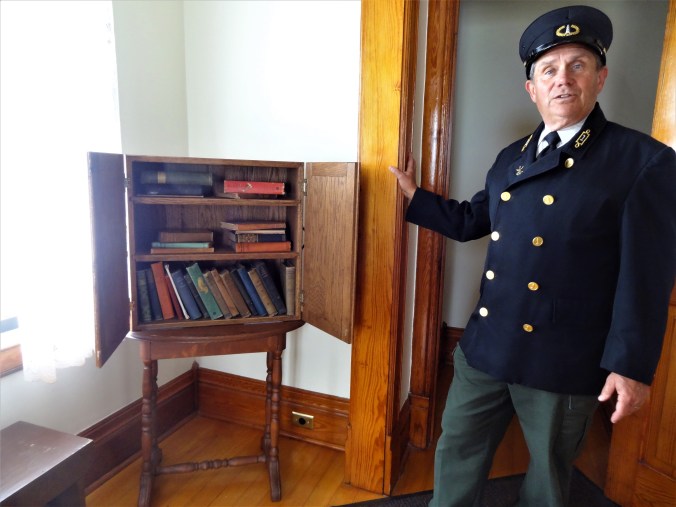
While I was in the area, I had the chance to visit Raspberry Island in the Apostle Islands National Lakeshore. My bookish theme continued when the lighthouse keeper on the island showed me the traveling bookcase that the lighthouse service used to provide to help entertain the keepers and their families.

And I really do mean that he only showed me the traveling bookcase. Of our group that visited the island, I was the only one who opted for the $5 lighthouse tour, so I got personal service!

DSC04862

DSC04870

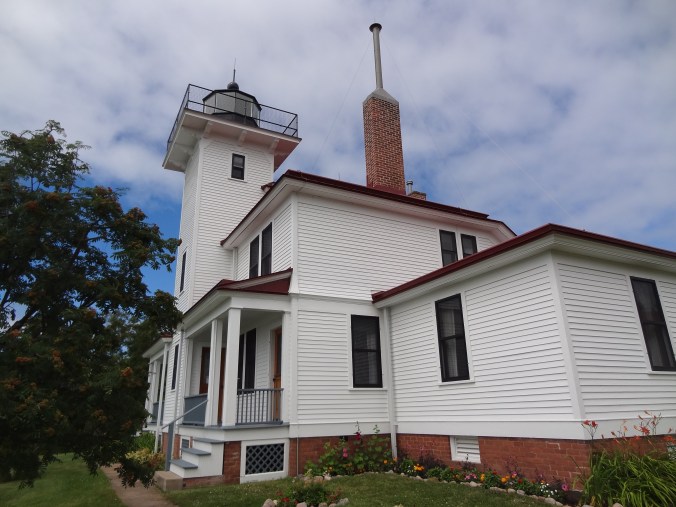
Raspberry Island Lighthouse in the Apostle Islands National Lakeshore.

DSC04866

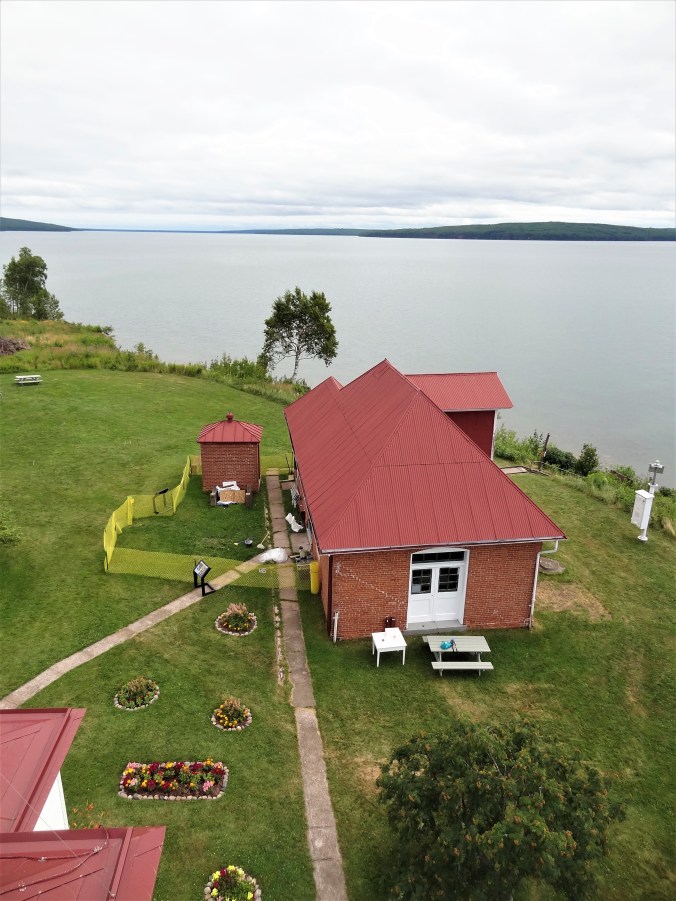
The view from the top of the Raspberry Island Lighthouse.

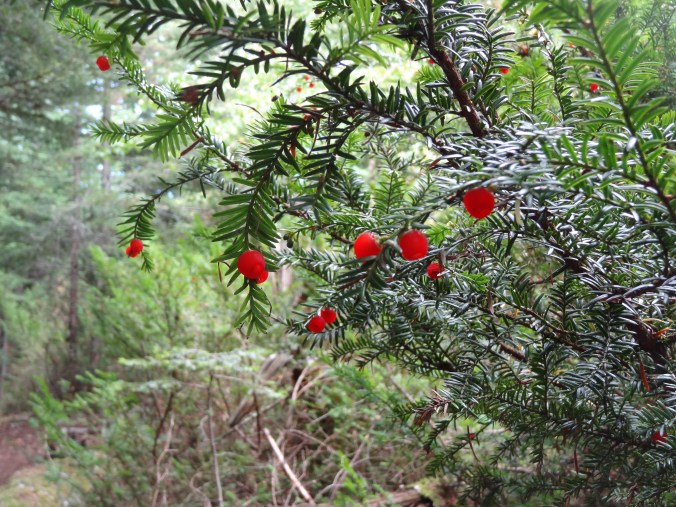
After the tour, I took a hike to an overlook along the coast of the island. On the way, I found this fine example of Canada yew.

DSC04872

Christmas colors in August! Canada Yew is an important shrub for wildlife. Not often found on the mainland because it gets eaten by deer, it sometimes thrives on islands like Raspberry Island, which have few, if any, deer.

Books and lighthouses: a good combination for an outing….

Beauteous Billings Park

20180729_211258

People who live in Duluth are sometimes snobbish about their city parks and trails. They think they’re the best in the Twin Ports. I know, I have been guilty of such civic offenses.

Well, I had my eyes opened when I attended a recent after-work picnic in Billings Park across the bridge and the state line from Duluth in Superior, Wisconsin. In all my years of living in the area, I had never been to this gem of a park. It’s gorgeous!

20180723_173953

The park features several picnic areas, a playground, grills, a volleyball pit, and trails along the bay. I’ve been back the the park twice more to walk Buddy and to paddleboard. With a public water access and calm bays to explore, the park is great for human-powered watersports.

20180723_191415I urge fellow Duluthians to put aside their prejudices and explore Superior. Get out there and get your Blue Mind on!

20180729_211208

Biking in the Rain on the Alex Leveau Trail

20180730_125149

A view from the Alex Leveau Trail in Carlton.

We heard through the bicycling grapevine that the Willard Munger Bike Trail was all repaired (from the storm damage a few years ago) and open now in its entirety. So my friend Russ and I headed to Carlton, Minnesota, to catch the trail there and bike to our hearts’ content.

The only problem was, the bicycling grapevine was WRONG. When we got to the Munger Trail parking lot in Carlton and started biking toward the trailhead, we found a large sign that said the trail was closed!

Another trail is accessible from the same area, named the Alex Leveau Memorial Trail if you head southeast across the railroad tracks. I had biked it a few years ago, and remembered it was there.

Somewhat disconsolate, we biked that instead. But our mood soon lifted because the trail is just so gosh darn nice. It features views of wetlands and farmlands, barns and raspberries. Without huge hills, it’s an easy ride, and would be a good trail for children to try. But it’s not too monotonous either.

20180730_125246The segment we travelled is 6.5 miles long. Most of it is a paved trail, but when you get near Wrenshall, you have to follow the highway for a while. At the 6.5-mile milepost, the trail seems to dead end at a highway. We weren’t sure where to go from there, so we just turned around and went back to Carlton, although I think there might be other parts of it farther on.
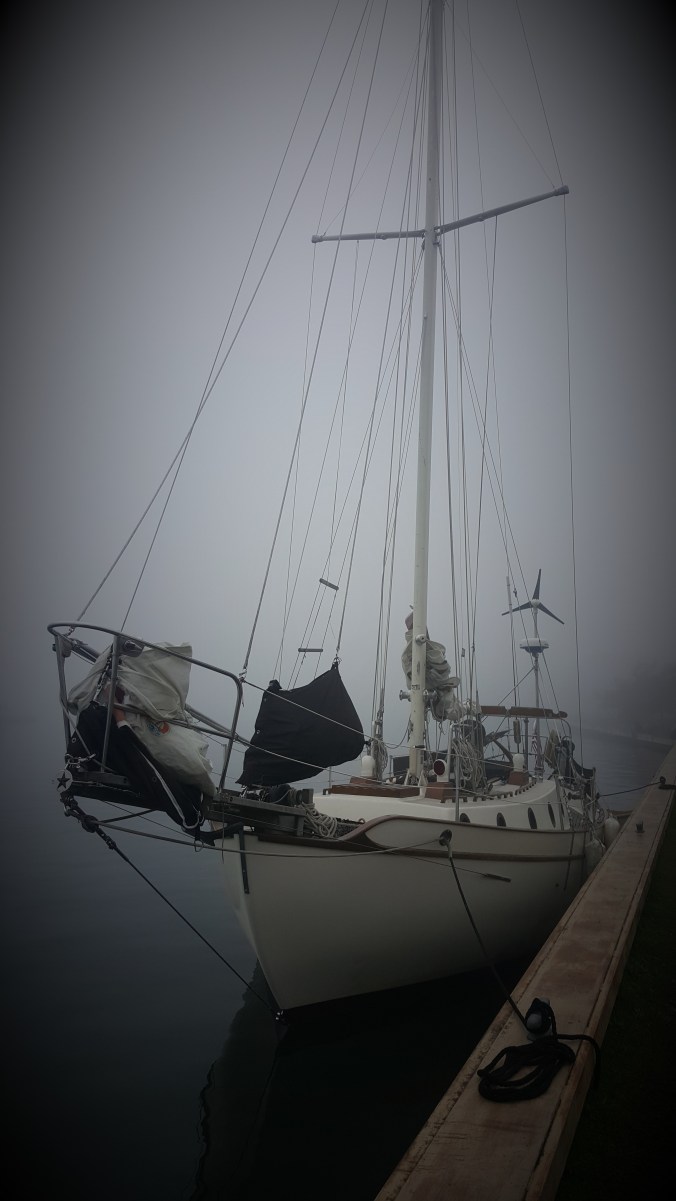
The trail was named in memory of a former county commissioner and dairy farmer who was an advocate for using abandoned railways as public trails.

As we biked back to the parking lot, a series of “pop-up” rainstorms popped up. We thought they would miss us until the wind changed and one caught us. The rain spatters were cold, but we kept warm by biking.

If this had been a romance novel, getting caught in the rain could have led to a passionate embrace in rain-slicked bike clothes. But it’s kind of hard to kiss when you’re both wearing bike helmets and you’re trying to go fast enough to ward off the chill.

So we opted for just being thankful to arrive back to our vehicle wet, but no worse for wear – no road rash from slippery pavement, no lightning strikes nearby. Sometimes, in your elder years, that’s as good as it gets.

A Lake Superior Sailing Experience, Part Two of Two: In Which I Become a Winch Wench

20180704_181011Vignette

We sailed in a 32-foot Westsail.

When our sailing captain was hoisting the genoa sail during my recent trip (see Part One), the block for it broke off the top of the mast. A block is a pulley that the line (rope) for the sail goes through. Let’s just say it’s a rather necessary piece of equipment if one wants to use a sail.

We had other sails up, however, so we were able to voyage to our desired destination without the genoa. But the issue needed to be addressed. So after we anchored off Outer Island in the Apostle Islands (the most remote of all the islands), our captain decided on a daring and strenuous plan.

DSC04744.JPGMy friend Russ was to hoist him up to the top of the mast so he could replace the block with a spare he happened to have on board. This feat would involve several ropes and climbing gear, along with the help of a winch. Russ was supposed to pull the rope by hand, which was wrapped around the body of the winch spool several times for support.

My job was to take pictures of the event and pray that our captain did not fall and hurt himself in the process. If that happened, let’s just say we would have a questionable chance of making it back home. So I felt I had a rather important job.

The captain donned his harness and got all the ropes in place. Russ started pulling, I started taking photos, and the operation commenced.

Now, you should understand that masts are tall. I’m not sure exactly how tall, but they seem even taller when you’re on a boat that’s rocking in the water, even if the rocking is gentle.

DSC04773

Captain on his way up the mast…

Russ was able to get Captain about a quarter of the way up the mast when his progress slowed and it became obvious that more person-power was needed. So I pocketed my camera, put the handle in the winch, and hauled away. Between my winching and Russ’s pulling, we were able to get Captain half-way up the mast where he had a different job to do, fixing something else that had broken a while ago.

We rested while he worked, but soon he was ready to go to the top. Man, we winched and pulled as hard as we could, and slowly, steadily hoisted Captain all the way up. Thankfully, the waves and winds remained calm, and he was able to do his work.

Then his legs started going numb from the pressure of his harness. And clambering up a mast is hard work, even if you’re being hoisted. And I suspect it’s a bit scary up there.

DSC04780

All the way to the top!

Before he had the job completed, he wanted to come down. So we lowered him, with me standing behind Russ and holding the rope as a backup in case another set of hands was needed to steady his descent.

When Captain’s feet touched the deck, we all breathed secrets sighs of relief, even if the job was incomplete. We couldn’t sail as fast without the genoa, but suddenly, that seemed all right for now.

And I gained yet another new sailing skill on this trip, that of a Winch Wench.

DSC04796

Outer Island sand spit, Apostle Islands National Lakeshore.

Other things I learned as a Lake Superior sailing newbie:

-You need to be willing to take orders.

-You have to be willing to be taught everything, even how to go to the head (the boat had a compostable toilet).

-Bring your winter clothes, even in the middle of summer.

-Pay attention all the time to everything.

-The captain is the boss of the ship, but the lake and the winds are the boss of the captain.

-Bring along good food, good music, and good scotch. They can go a long way to make up for any uncomfortableness.

Anyone else out there have more to add?

20180704_200455

Sunset in Grand Marais Harbor, Minn.